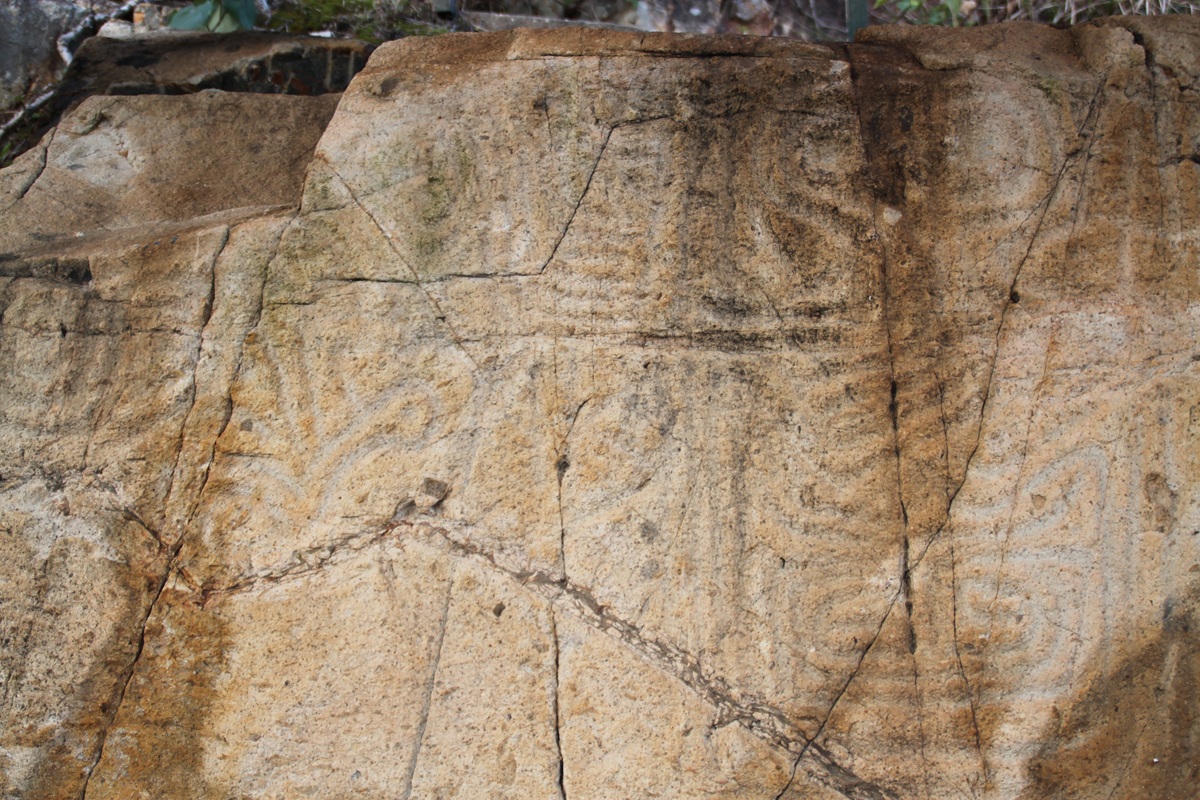
The Bronze Age rock carving at Big Wave Bay on Hong Kong’s Shek O Peninsula
Stereotypes are often not helpful, but they’re usually hard to shake off. Many of us stick to a particular way of framing something out of habit, which is now made worse by amplification through social media. Jakarta, for instance, has a less-than-stellar image thanks to its traffic jams and air pollution, among many other problems the Indonesian capital has been grappling with. It’s a city many people love to hate. And I myself was, at first, very apprehensive about the prospect of moving to this metropolis when I entered the job market almost two decades ago. But now, after becoming a resident and seeing how the city gradually transformed before my eyes, I have a deeper appreciation toward my adopted home.
Macau is another example of how its stereotype as a gambling den overshadows many other great aspects of the city. From the well-preserved Portuguese-era churches to handsome-looking colonial buildings, delectable local cuisine, and layers of history, this territory is absolutely much more than its massive casinos. The Uzbekistani capital of Tashkent is also a place whose rather unremarkable reputation often puts it at the bottom of most people’s list of places to see in the country. I was positively surprised to find it safer and more welcoming than how I initially pictured it to be.
With its tall structures, gravity-defying buildings, and glitzy malls, Hong Kong is often depicted as an ultramodern city that is also an important global financial hub. As of 2026, it is home to the most skyscrapers than any other urban area on the planet, a title it has been holding for more than two decades. But what if I told you that the territory is also home to Bronze Age rock carvings, a millennia-old tomb, and centuries-old temples? For sure, the architectural heritage from the British colonial period can be found scattered across the territory, notably on Hong Kong Island and in Kowloon. But seeing traces of its more distant past requires more effort – and you have to know where to look.
Nine rock carvings that are believed to date back to the Bronze Age have been discovered all over Hong Kong, and it was in 2015 that I saw one of them for the very first time. Toward the end of our hike on Dragon’s Back, a mountain ridge in Shek O Peninsula in the southeastern part of Hong Kong Island, James and I descended to Big Wave Bay – also known as Tai Long Wan. Although the white sand beach looked tempting, we were here for something more precious. A short hike up the trail that hugged the verdant hill to the east of the beach took us to a natural rock formation onto which patterns were carved. They were quite weathered, a telltale sign of their age. One part of the millennia-old relief appeared to be a figure with a head, two eyes, and a body, all represented by lines and curves. But what it really depicts, and whether it was intended to be an artwork or not, remains a mystery.
2018 saw my first foray into Cheung Chau, a small island to the southeast of Lantau – Hong Kong’s biggest island – that offers a slower and more relaxed pace than what one would typically find in the downtown area. It was also here where I was supposed to see my second ancient rock carving. For an unknown reason, however, the stairs leading up to the Bronze Age relic was closed to the public, forcing me to squint from below to try to get a glimpse of the millennia-old patterns. Three years ago, on my second time to this island, I saw the rock carving from afar again as, curiously, access to it was still closed. Fortunately, I had a better luck on Tung Lung Chau, a peaceful island to the east of Hong Kong Island where an even gentler rhythm of life unfolded. It is home to Hong Kong’s largest ancient rock carving which is tucked away in the northwestern corner of the small island.
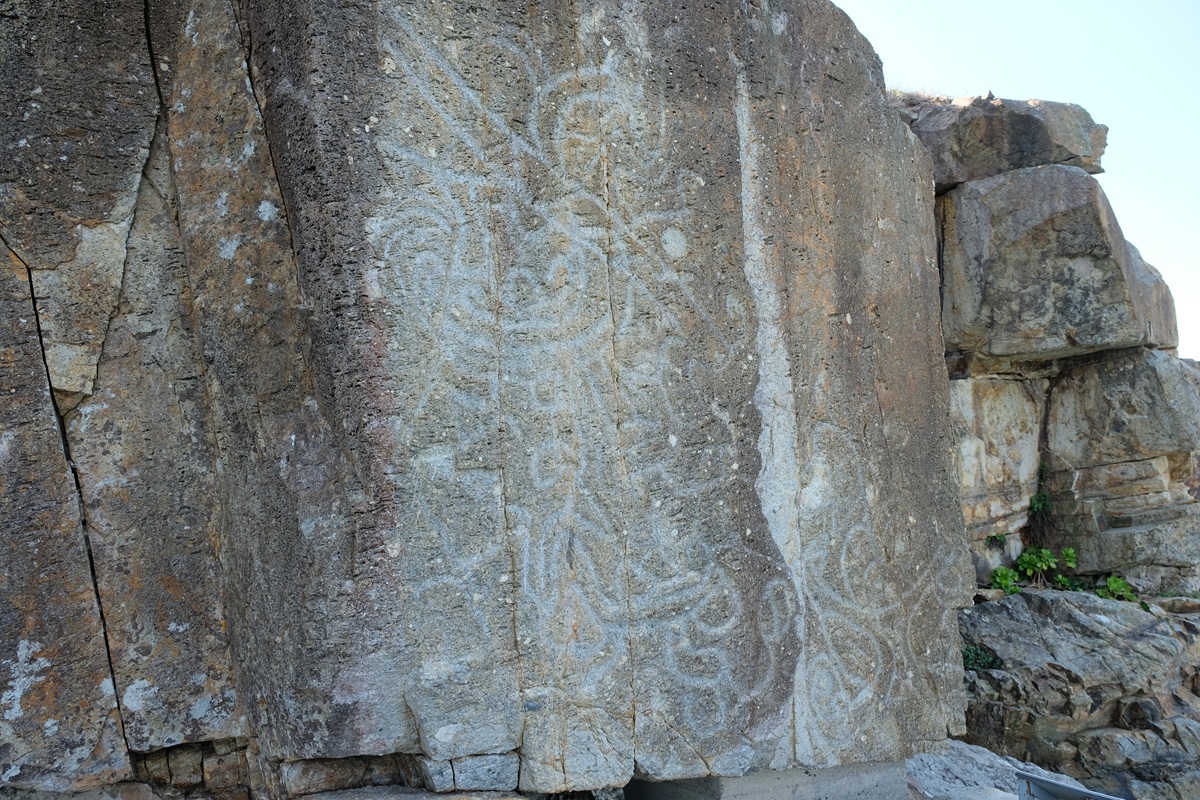
Tung Lung Chau’s rock carving is the biggest of the nine such ancient artworks found in Hong Kong
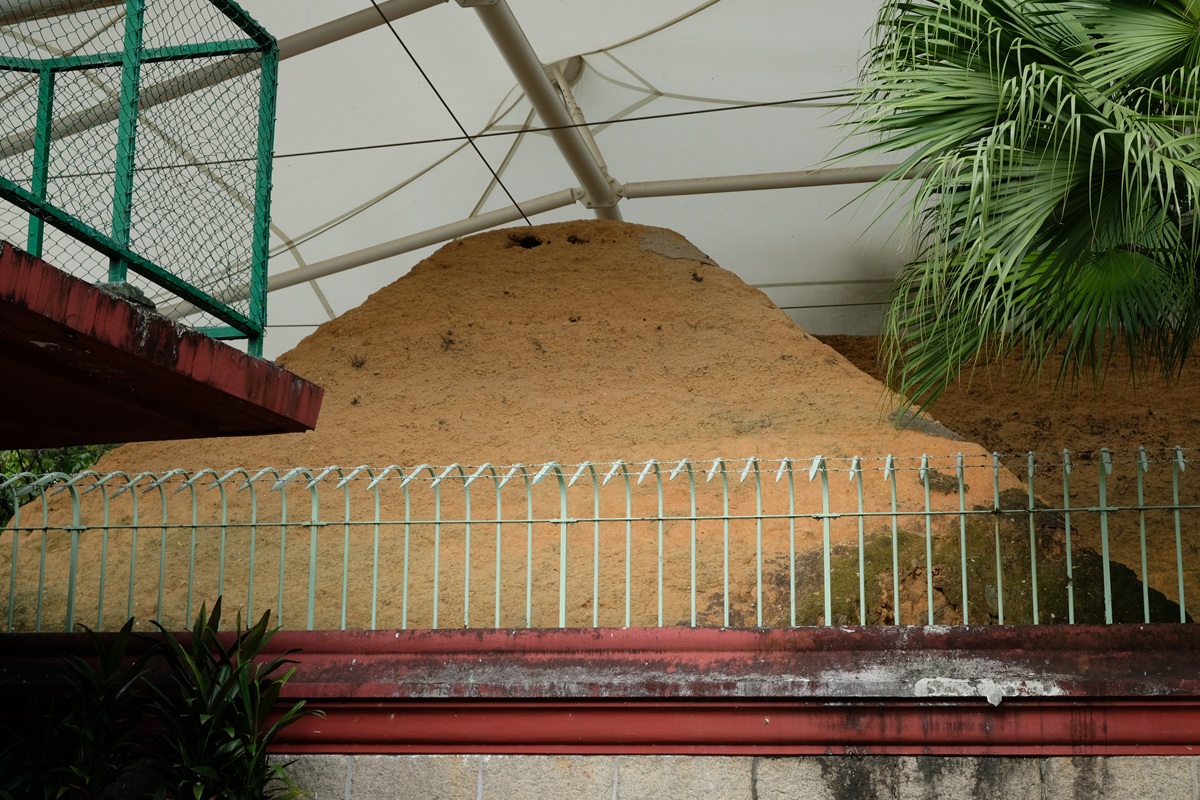
The mound of the Lei Cheng Uk Han Tomb under a protective canopy
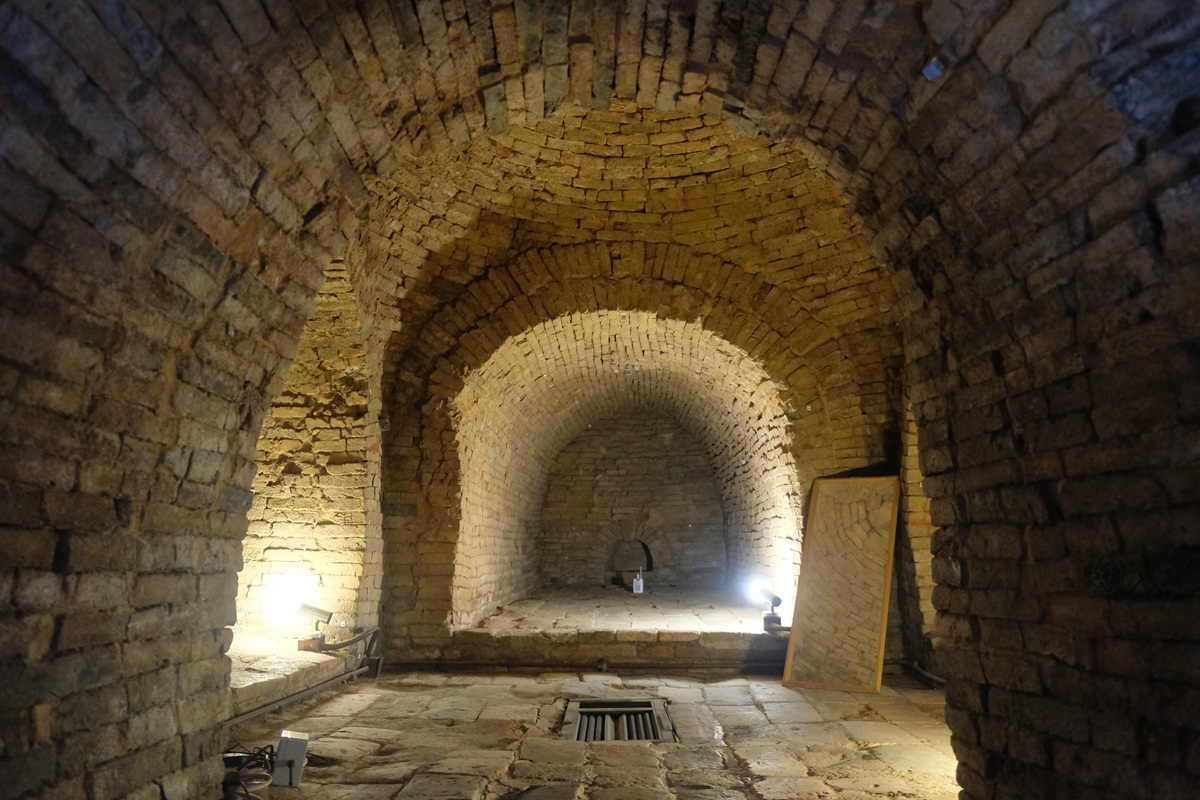
Inside the ancient tomb (viewed from behind a glass panel)
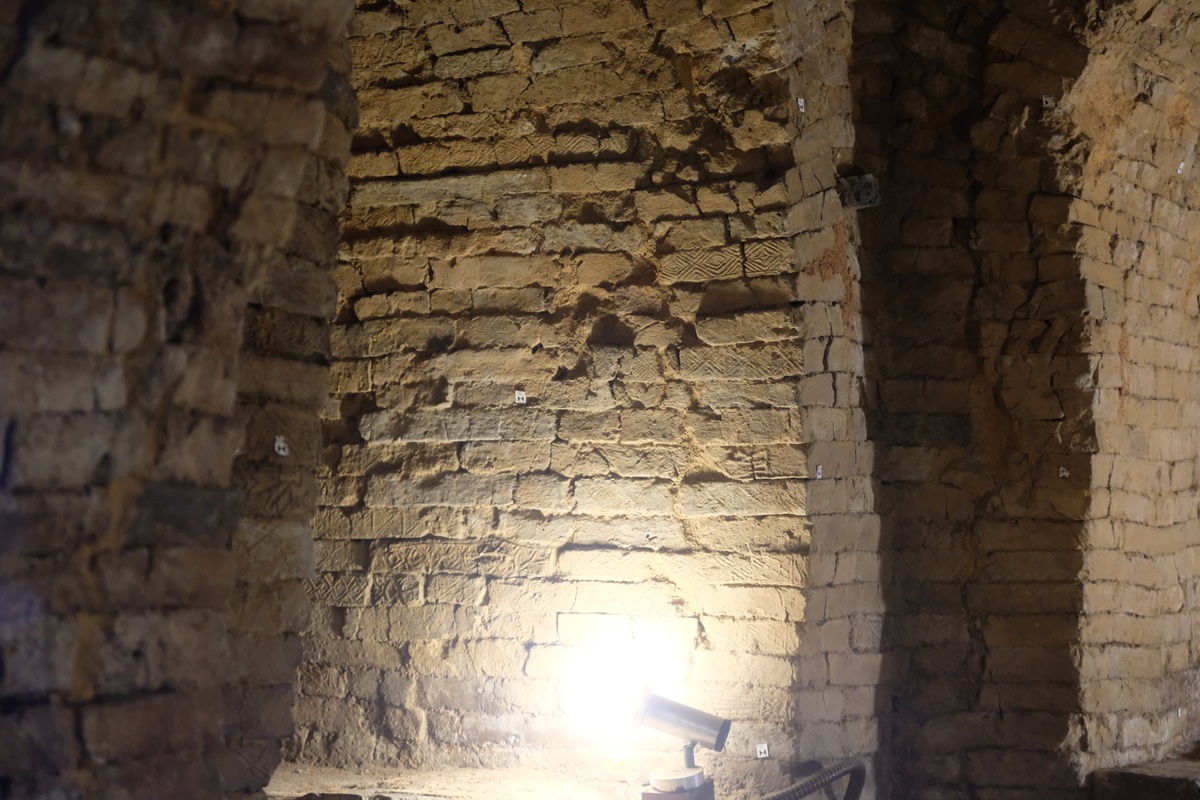
Can you see the carved patterns?
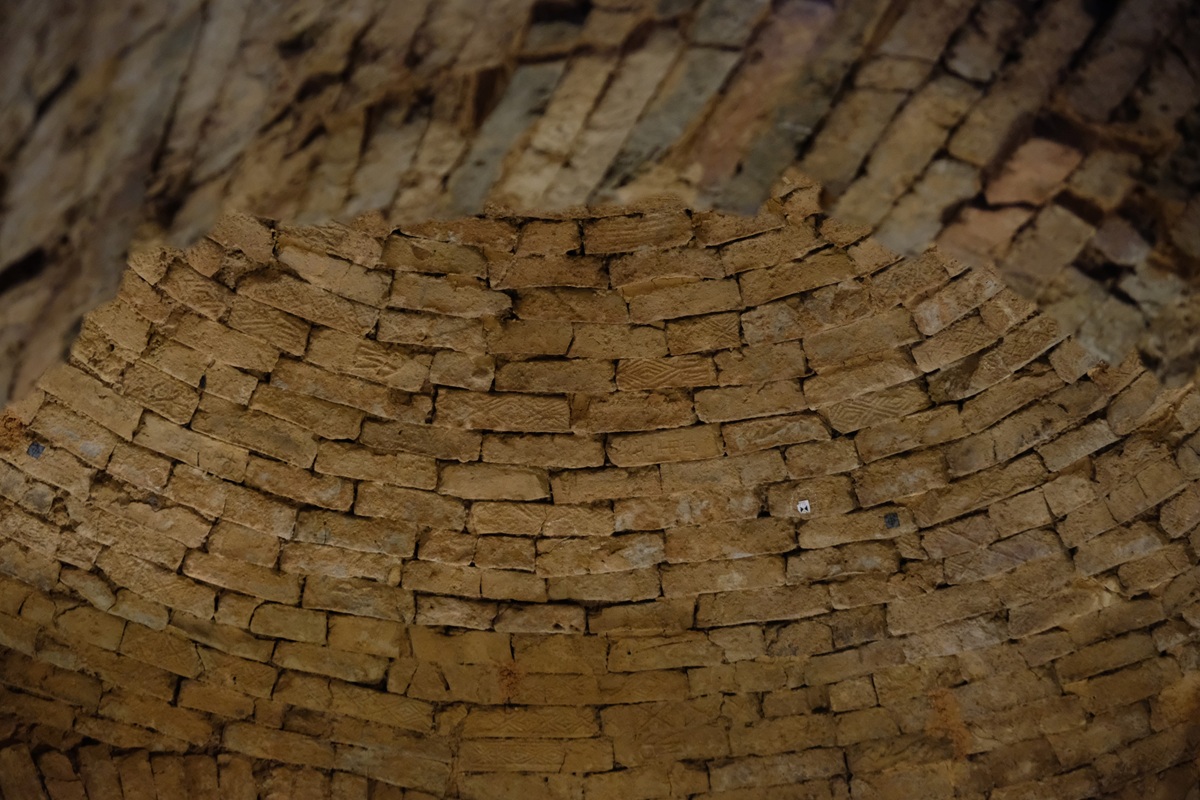
See if you can spot one particular brick inscribed with ancient Chinese letters (hint: it is two bricks away on the 10 o’clock direction from that tiny white square)
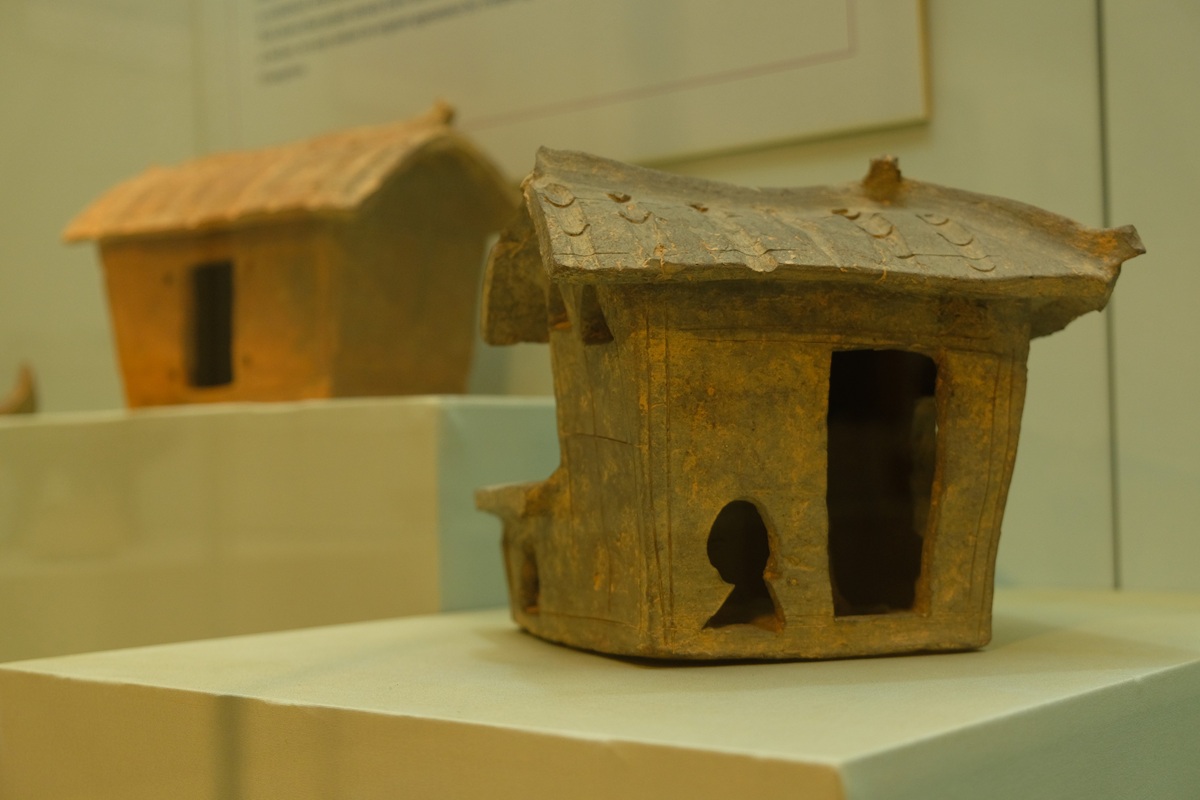
A model of a granary unearthed during the excavation of the tomb site
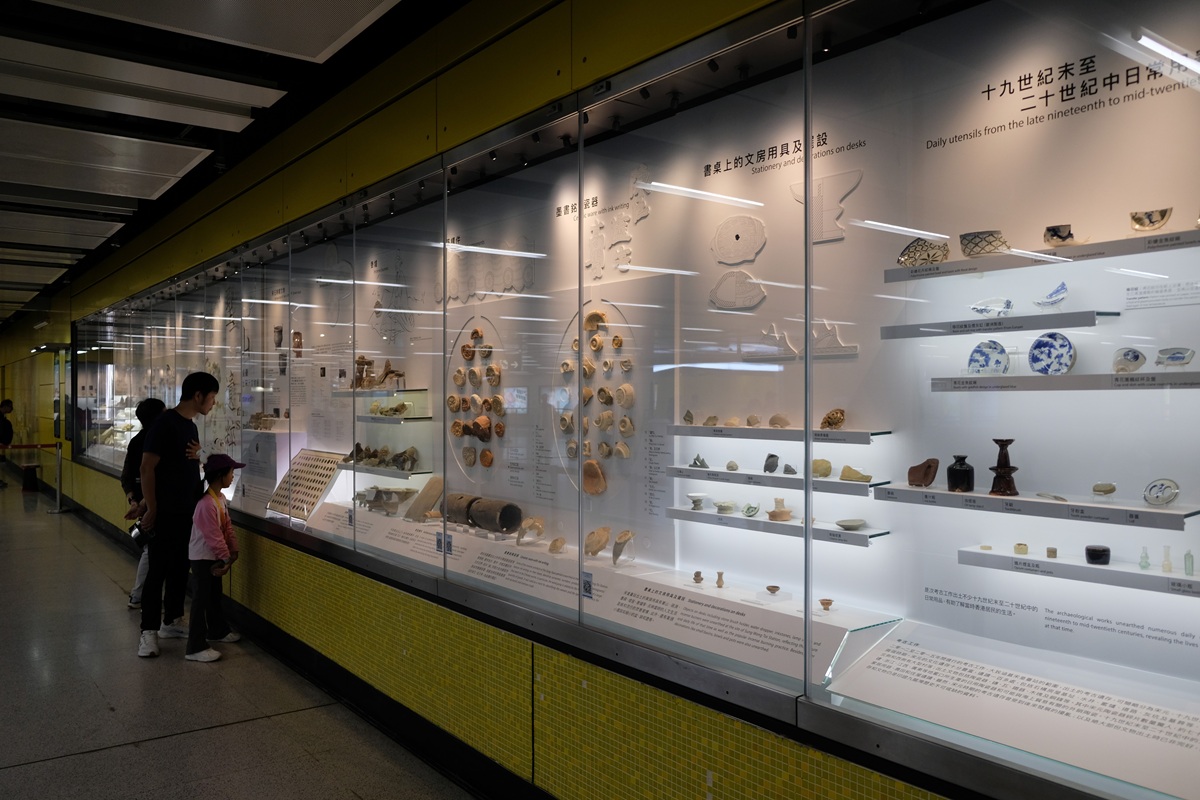
Artifacts displayed at Sung Wong Toi MTR station
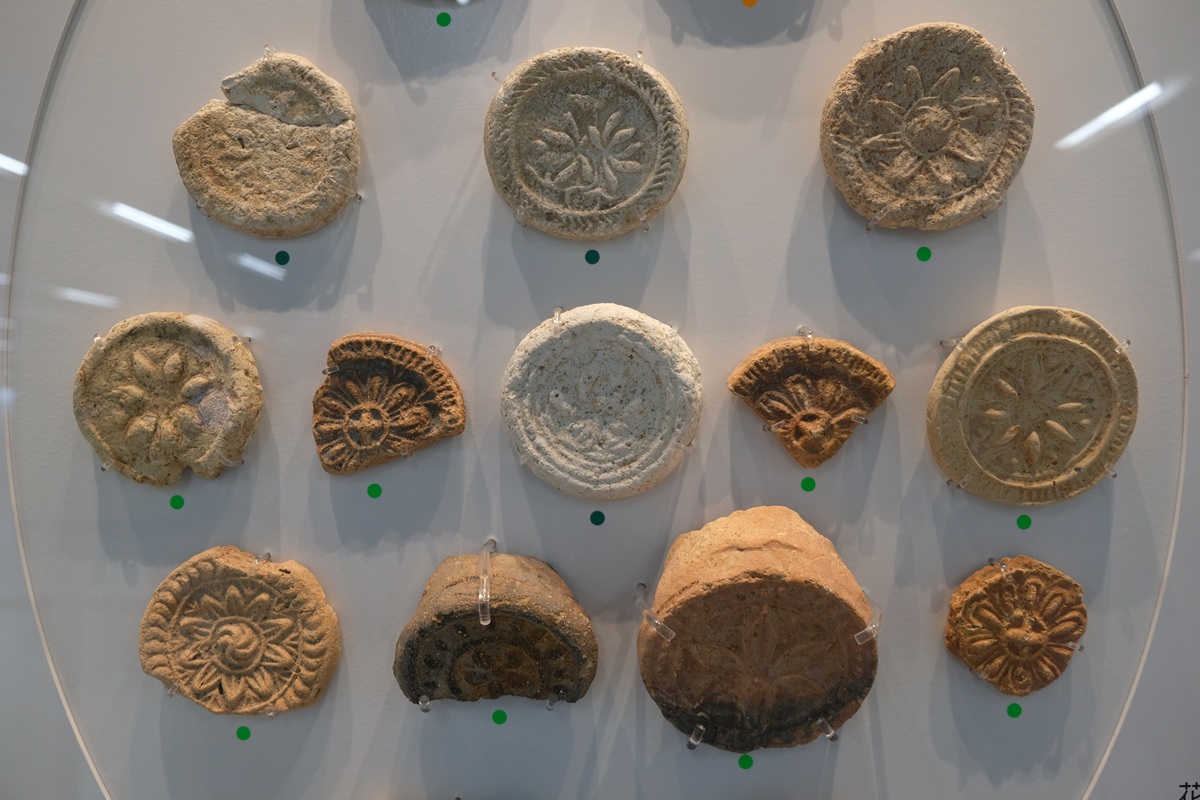
These were discovered during the excavation of the ongoing Kai Tak Development project
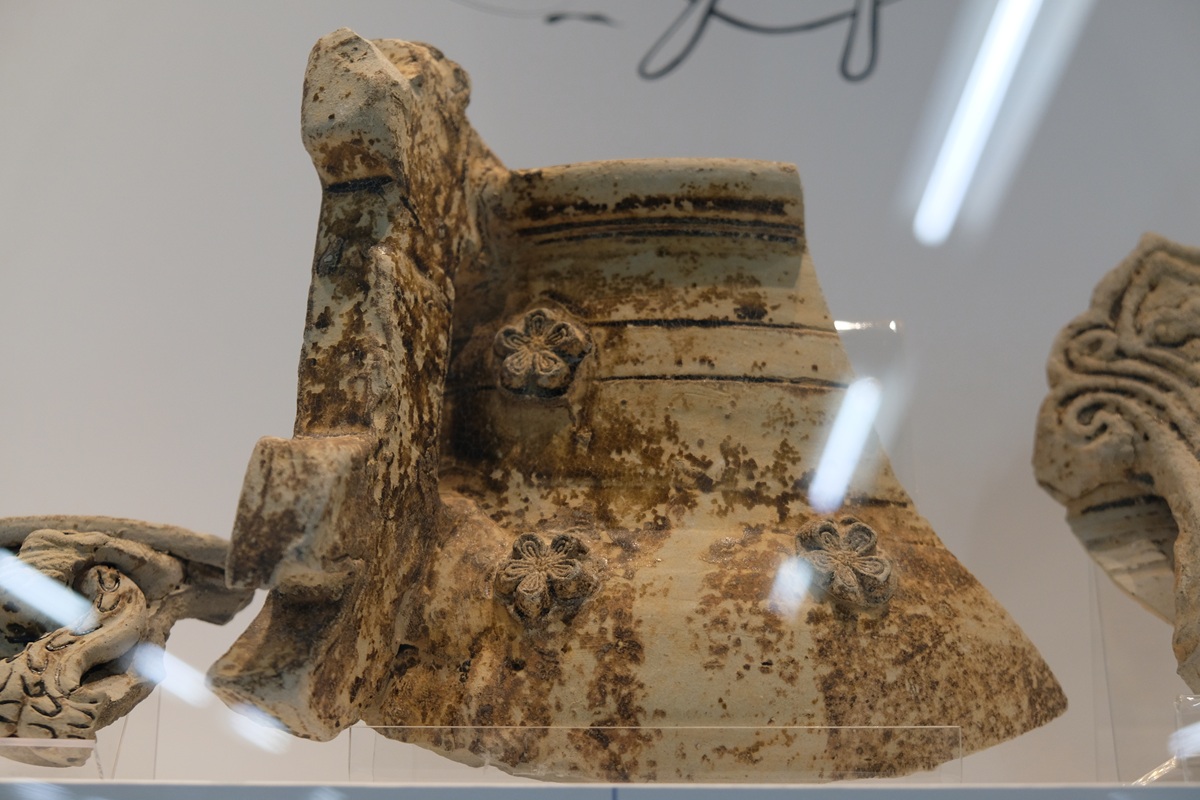
Old objects with decorative details like these always catch my attention
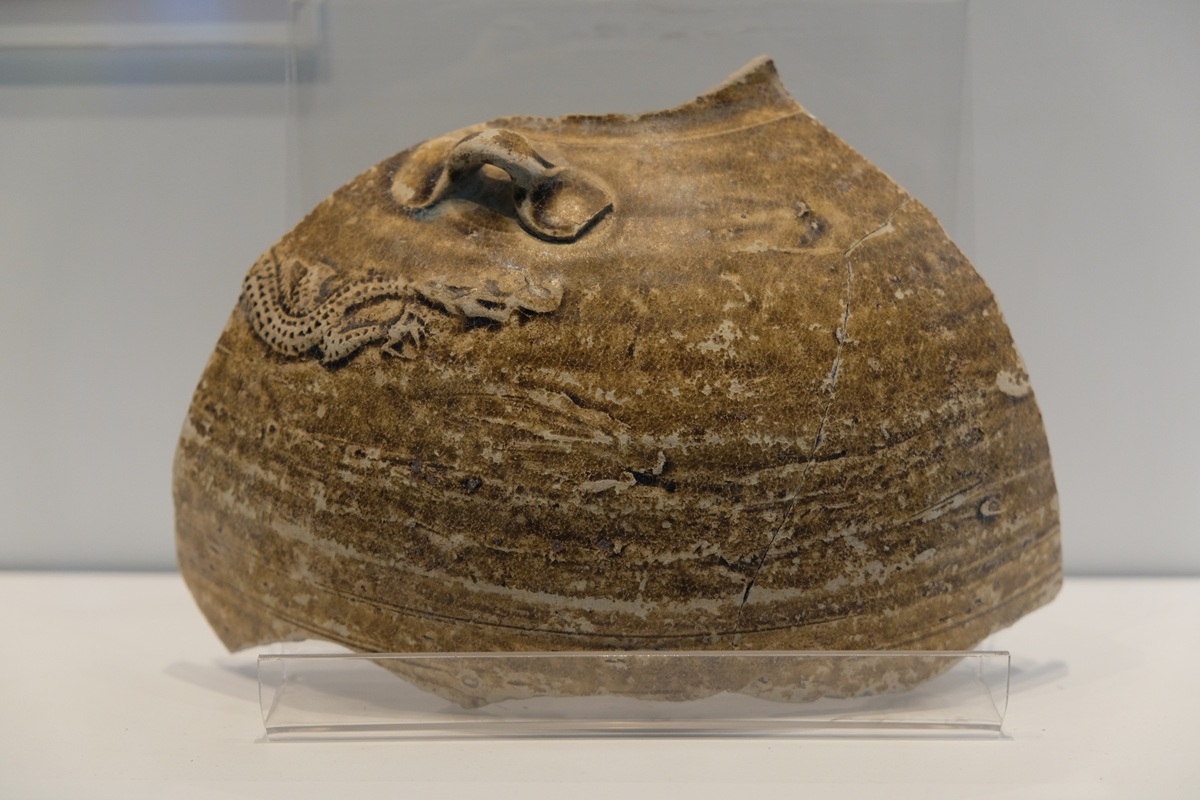
This fragment has a dragon element
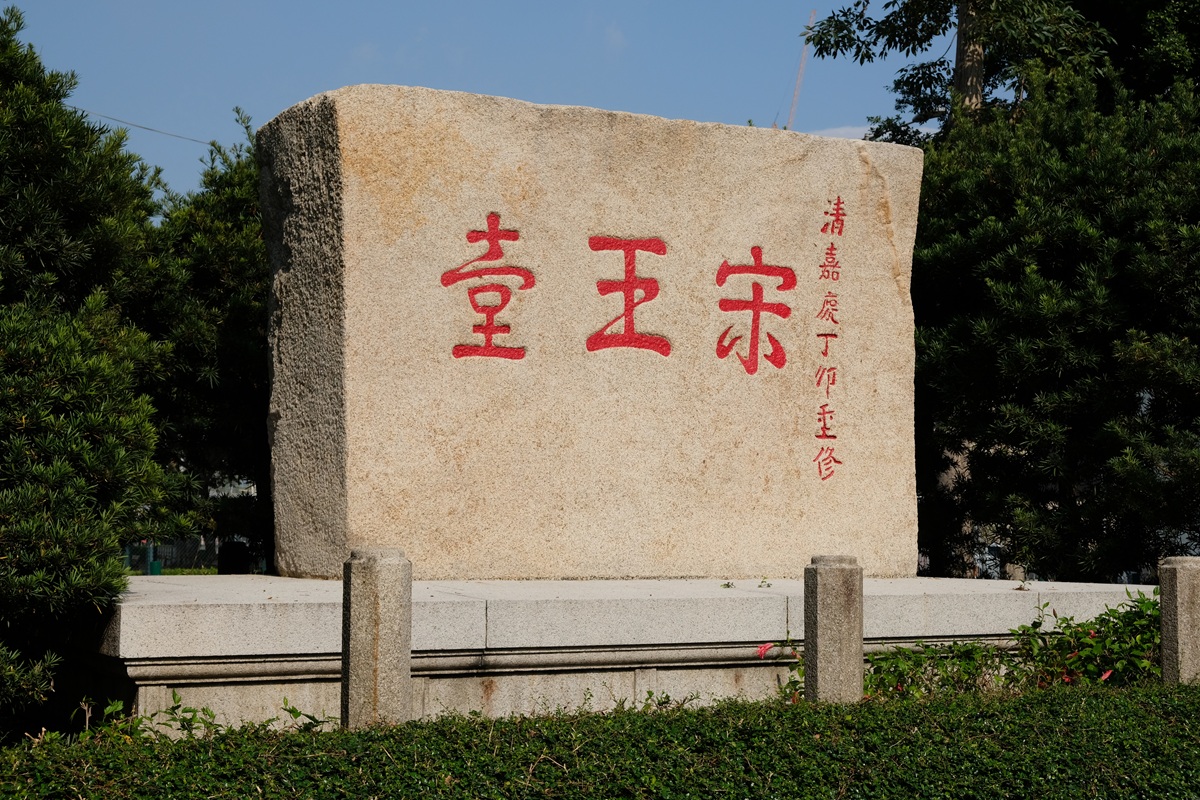
What remains today of the “Sung Wong Toi” boulder
While little is known about the meaning of the Bronze Age artworks, another ancient site in the northwestern part of the Kowloon Peninsula provides us with better information of its origins. Called the Lei Cheng Uk Han Tomb, it is believed to have been built during the Eastern Han dynasty between the first and third centuries CE. The cross-shaped tomb with a domed roof was made of bricks, onto which decorative patterns as well as inscriptions were carved. It was only discovered in 1955 when the Hong Kong government was preparing for the construction of a nearby public housing estate. After being pressured by the public, the authorities decided to preserve it. And as protective measures, a canopy was added to cover the tomb and a glass panel installed to prevent visitors from going inside while still allowing people to take a look at the interior.
However, not all historical sites have the power to force the government or property developers to work around them in order to preserve them. On the other side of Kowloon, near Kai Tak – where the city’s airport was once located – there used to be a hill of historical importance. When the Mongol-led Yuan dynasty began conquering vast regions of China, the last rulers of the weakened Song dynasty – the young emperor Zhao Shi and his brother who would also be his successor Zhao Bing – fled southward and took refuge in Kowloon. The Song dynasty eventually succumbed to the mighty power of the Yuan dynasty in 1279, and the Mongols would then rule China for almost a century.
In the aftermath of this event, the local residents of Kowloon inscribed the words “Sung Wong Toi” on a large boulder sitting on top of what was known as the Sacred Hill. Written in Cantonese, it means “Song king terrace”, with the word ‘king’ deliberately chosen probably not to infuriate the Yuan emperors. When Hong Kong was ruled by the Japanese in the 20th century, the colonial power dislodged the boulder and leveled the hill to make way for the extension of Kai Tak Airport. After World War II, the rock was cut into a much smaller rectangular block and moved to a small park – aptly called Sung Wong Toi Garden – built specifically to house the artifact. In 2021, an eponymous MTR (Hong Kong’s metro system) station was inaugurated in the park’s vicinity, right at the northwestern tip of the Kai Tak Development. It is not the only station named after a local heritage site, though.
In the ever-busy Causeway Bay district on Hong Kong Island, a four-decade-old station called Tin Hau sits on the Island Line that traverses the island’s northern coastline. The name, in fact, refers to a nearby temple dedicated to the goddess Tin Hau, also known as Mazu, a deity in Chinese folk religions widely worshipped by seafarers and fishermen. And because of that reason, a Tin Hau Temple is usually situated on the coast. However, the one in Causeway Bay is located a few hundred meters away from the harbor with no direct view to the sea as it is now besieged by tall apartment buildings. Why is that so? You might ask. Due to its limited space, Hong Kong has resorted to land reclamation since the middle of the 19th century to create more flat land for development. The north part of Hong Kong Island as well as Kowloon witnessed the most dramatic alteration to their natural coastlines. As a result, in the 1950s this particular Tin Hau Temple which was built in 1868 (a second iteration of an older 18th-century shrine) forever lost its access to the harbor.
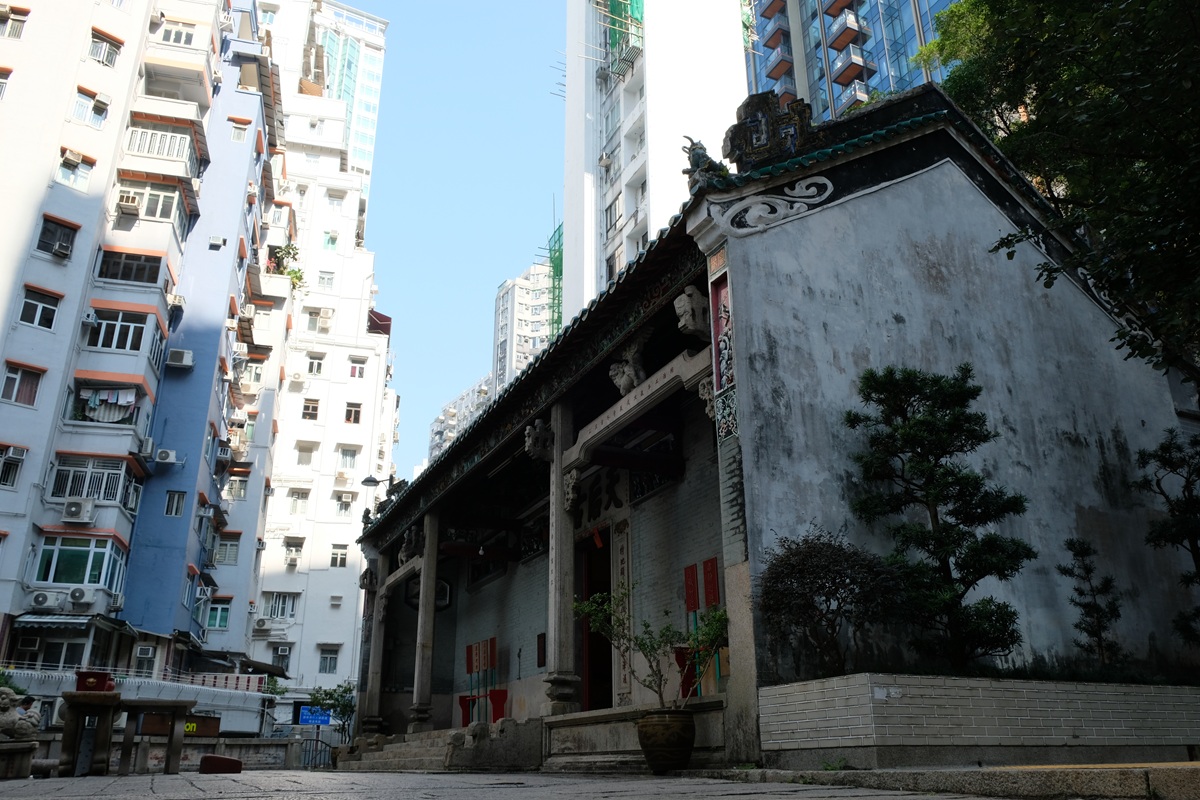
Causeway Bay’s Tin Hau Temple
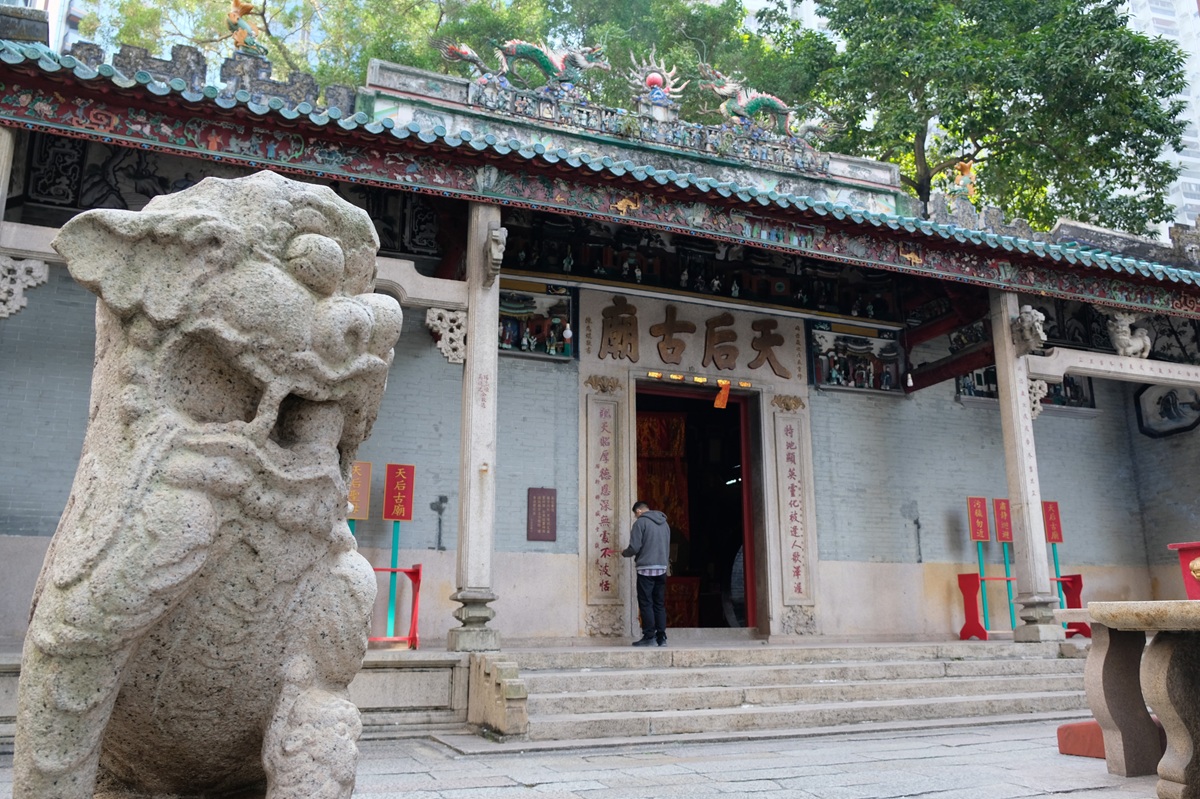
The temple is a peaceful and calm oasis in the middle of Hong Kong’s constant hustle and bustle
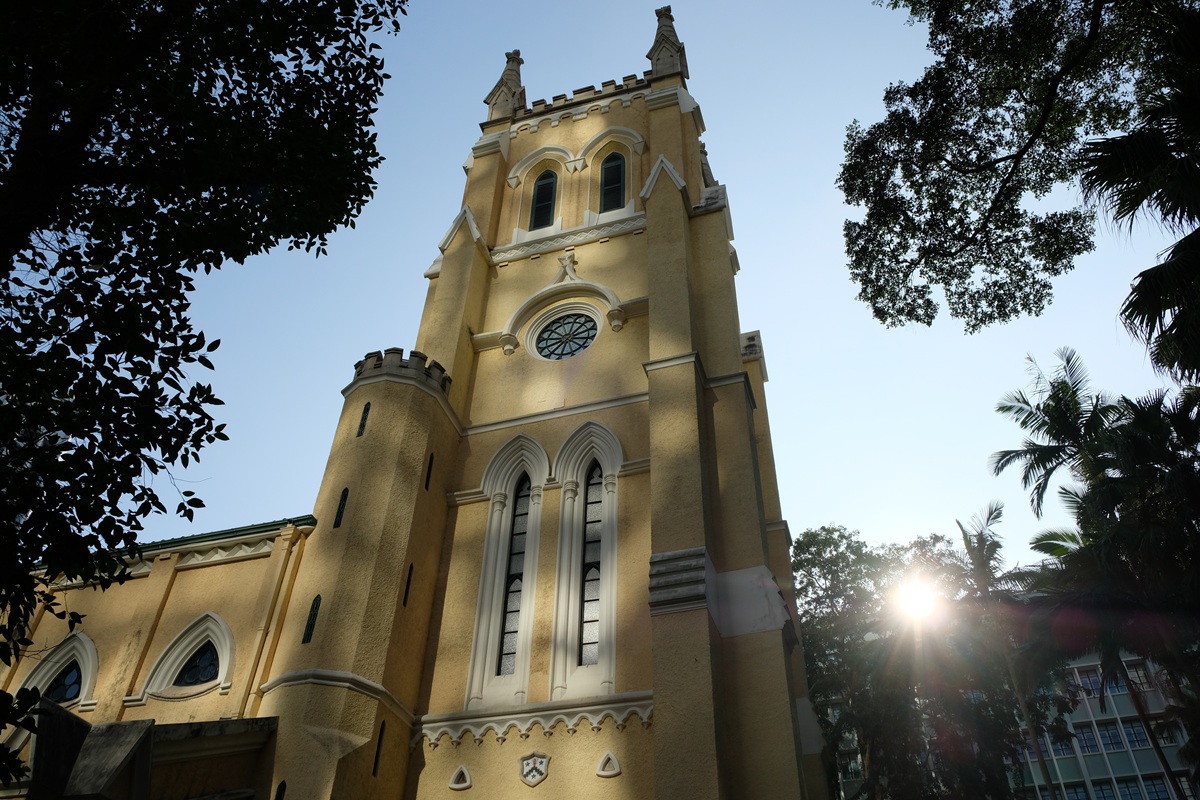
The 19th-century St. John’s Cathedral, the oldest Anglican church in East Asia
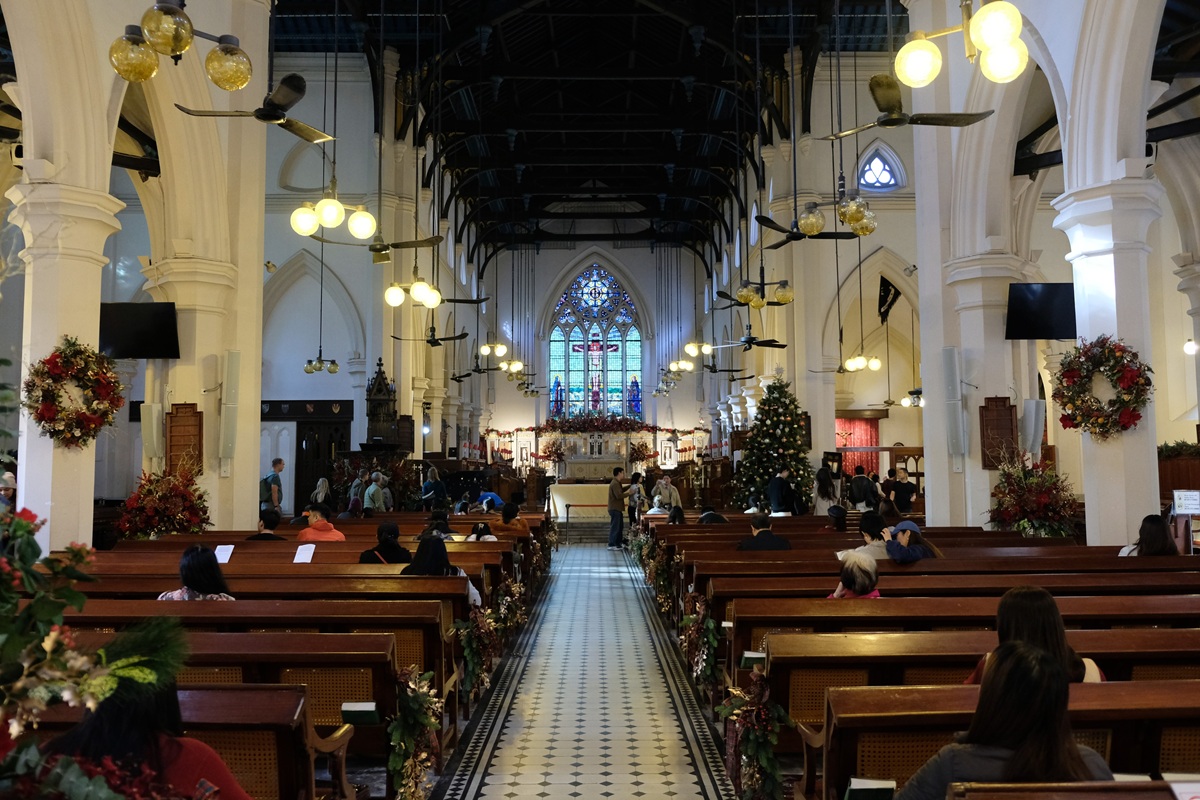
The interior of the cathedral bedecked with Christmas decorations
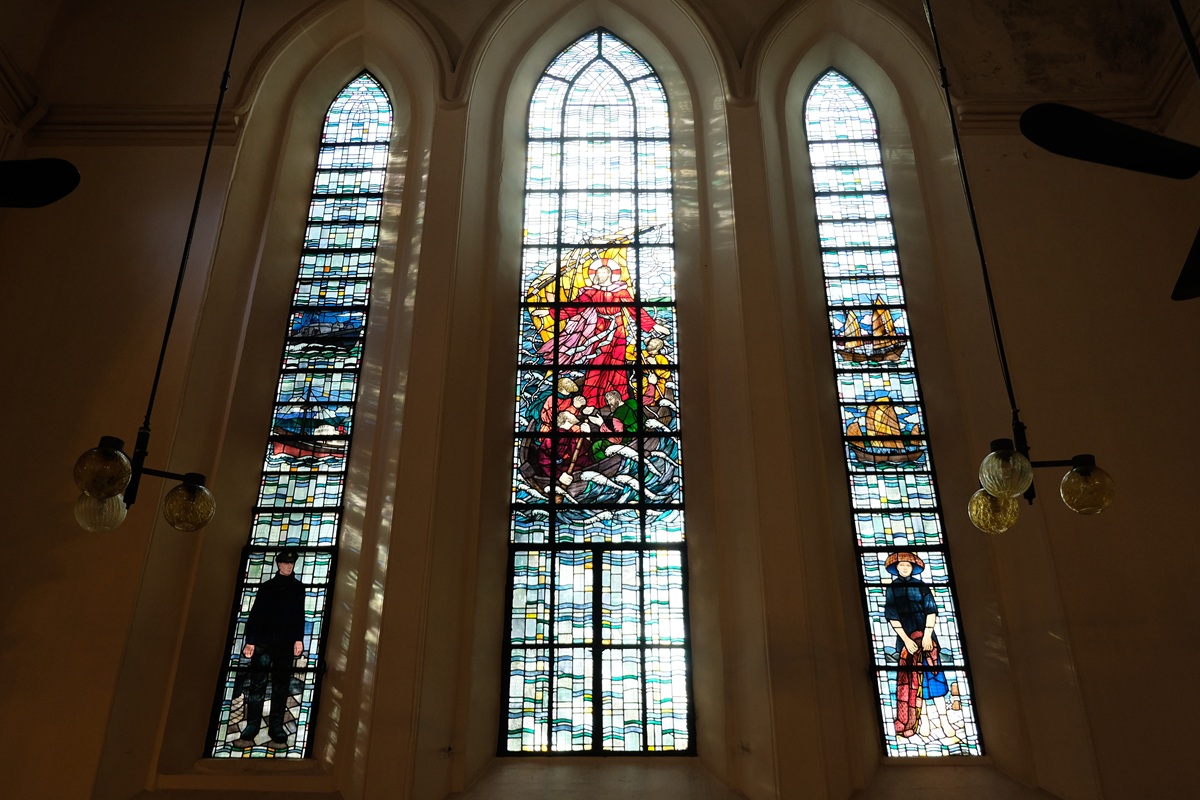
A stained-glass window panel depicting a British policeman, a Hakka fisherwoman, and Chinese junks
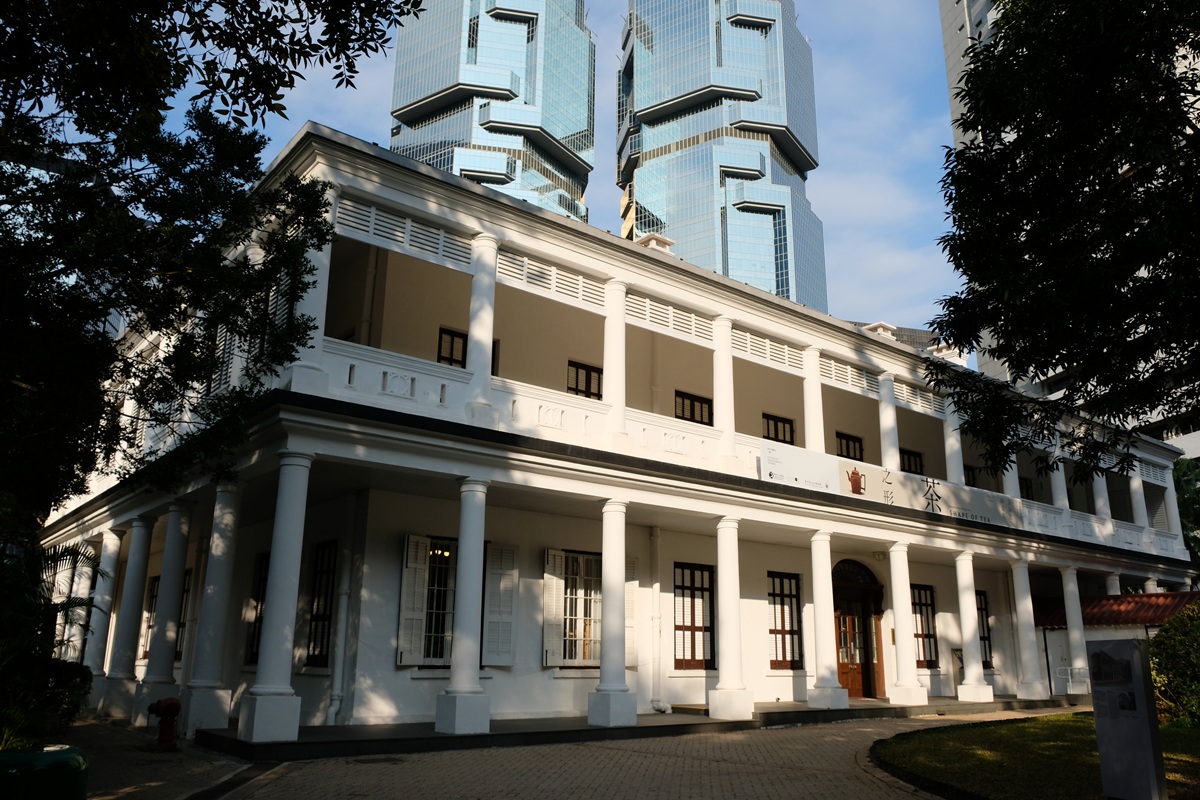
Flagstaff House, now a museum of teaware
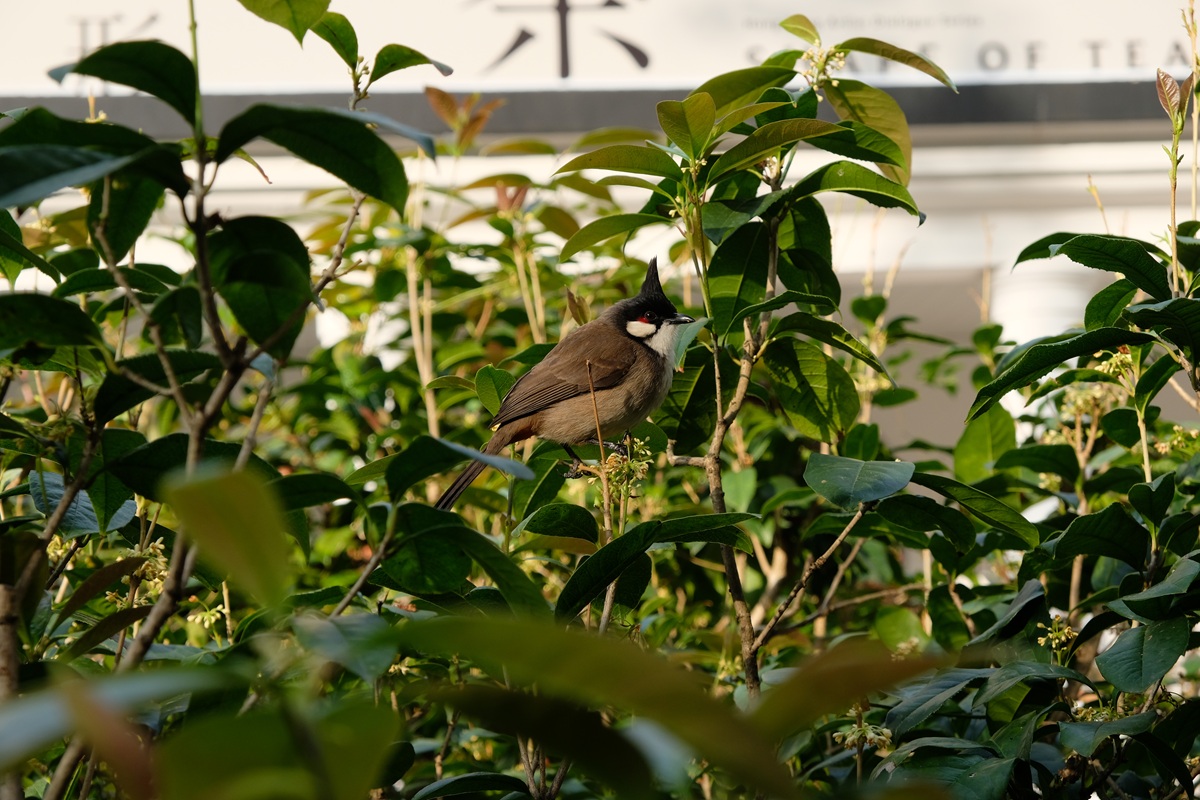
A red-whiskered bulbul at the museum’s grounds
Of course, we cannot talk about Hong Kong’s heritage sites without mentioning the handsome edifices the British commissioned during 156 years of colonial rule. Despite its sleek and modern appearance, Central is where you can find among the oldest and most important structures dating back to this period. Flagstaff House, touted as the oldest example of colonial architecture remaining in Hong Kong, is an 1846 two-story building that now houses a museum of teaware. A short walk away, past towering offices and busy streets, is St. John’s Cathedral. Consecrated in 1852, it is the oldest Anglican church in East Asia and has some interesting decorations on its stained-glass windows. A British police officer next to a Hakka fisherwoman? Clearly not the kind of image you would expect to see at most churches.
It was under the British colonial period when Hong Kong was transformed dramatically into an important global financial hub and became one of the so-called Asian Tigers. However, it also left its mark in some historical quirks, including the Kowloon Walled City. The history of this place can be traced back to the Song dynasty when a military outpost was set up in the area. In the subsequent centuries, it gradually became a walled city controlled by whichever dynasty that controlled China. When the Qing dynasty lost to the British in the First and Second Opium Wars in the mid-19th century, Hong Kong Island and Kowloon were ceded to Britain in perpetuity. Toward the end of the century, more European powers negotiated concessions with the debilitated Qing rulers. The Germans secured a 99-year lease of Qingdao (in eastern China), the Russians were granted a 25-year lease of Dalian (in northeast China), and the French managed to get a 99-year lease of Zhanjiang (in southern China). Meanwhile, the British successfully expanded the areas under their control around Hong Kong with the signing of a 99-year lease of what is now known as the New Territories. The Qing government, however, retained control of the walled city in Kowloon.
As World War II concluded, Kowloon Walled City experienced a population boom. Toward the end of the 1980s, the de jure Chinese enclave became the most densely populated place on the planet where an estimated 33,000 residents were crammed into a 2.6-hectare space. (As a comparison, Vatican City – the world’s smallest country – occupies a land area of 44 hectares with a population of less than 1,000.) Regular people continued to live there, but because of its legal limbo (as the Walled City was technically not governed by the British colonial administration, but the Chinese government did not exercise effective control of it either), it gradually became a haven for activities that were otherwise illegal in Hong Kong. The British and Chinese governments eventually agreed to demolish the entire place, and today a public park sits on the same location instead. Remnants of the former Chinese enclave still survive to this day, and in December 2025 James and I were lucky to be in town for a temporary exhibition showcasing the quotidian life of the residents of the Walled City. It was interesting to see how ‘normal’ life was like within its boundaries, but it was also sobering to see the cramped spaces people had to adjust to.
Around the former location of the infamous Walled City are vestiges of Hong Kong in the 1950s and 60s, a period of time when the British colony experienced rapid population growth. In nearby Kowloon City, rows of multi-story mixed-use buildings are silent witnesses of this era. Despite their rather monotonous look, they are a testament to Hong Kong’s continuous evolution as a commercial hub. While some decades-old establishments are still doing well, including a food joint called Islam Food where we went for a lunch of delicacies from predominantly-Muslim northwestern China, others take a more contemporary approach. Occupying a former TCM (Traditional Chinese Medicine) shop, Tai Wo Tang Café is a comfortable place where you can get your daily dose of coffee or tea and a wide selection of meals. We opted for a muscovado ginger mochi latte and a black sesame oat milk though, and both were delicious. We also wanted to check out Yukkuri, a cozy-looking Japanese restaurant just two blocks away. Alas, it was full. But it shows that despite the drab appearance, this area which is now also known as Little Thailand (for its longstanding Thai community) can still attract a steady stream of visitors to keep it alive.
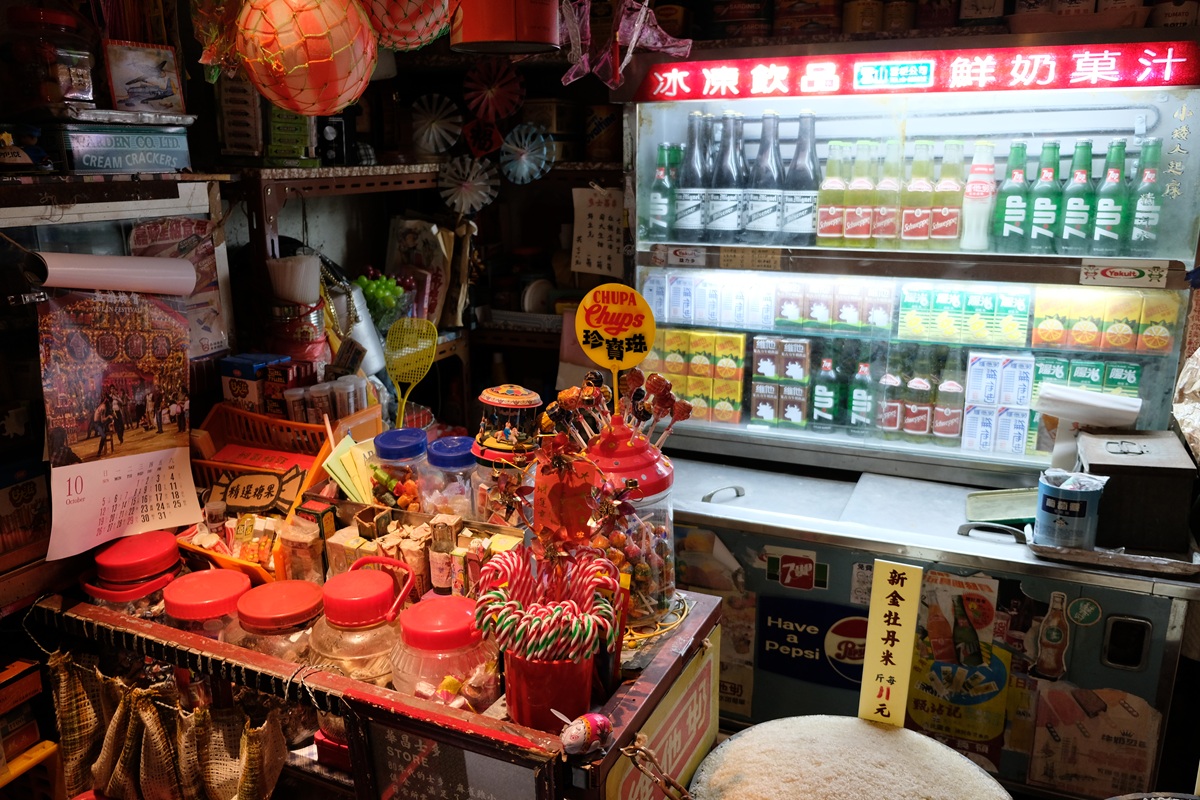
A temporary exhibition at the former Kowloon Walled City, showcasing the quotidian life of the locals
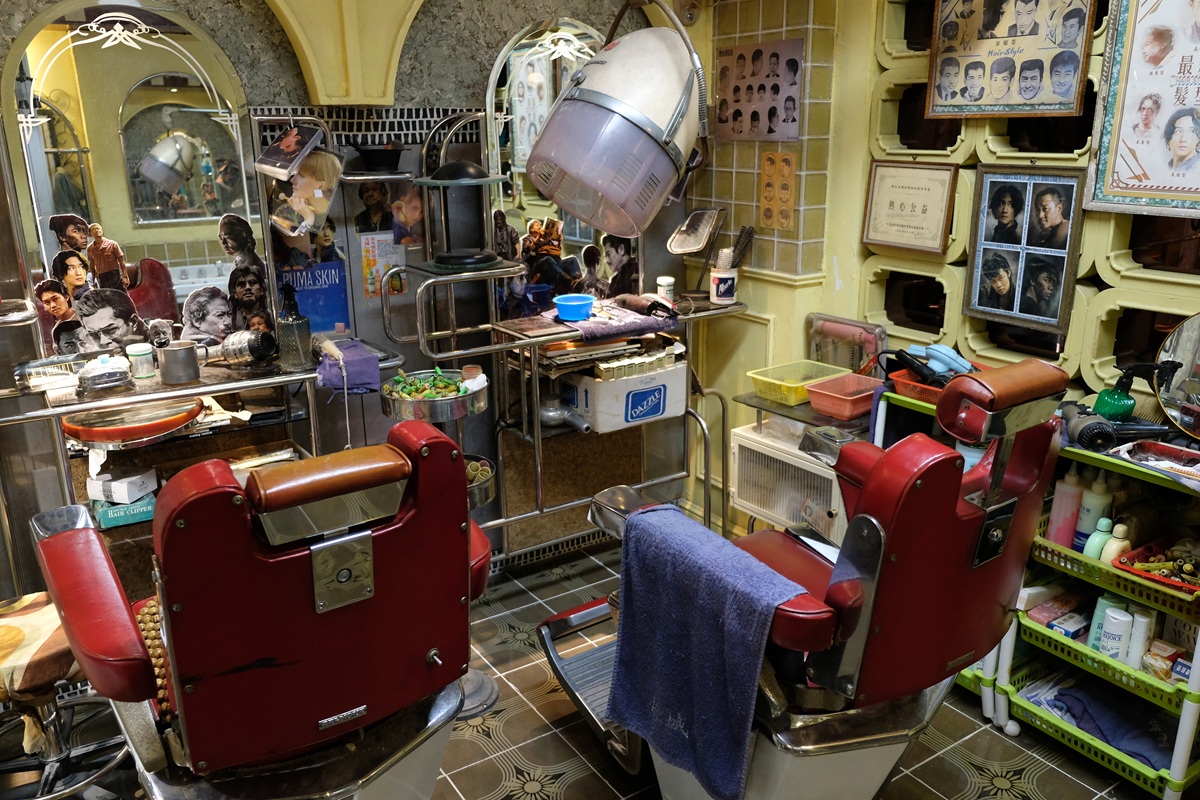
It’s amazing to think how ‘normal’ things seemed to be when the Walled City still existed
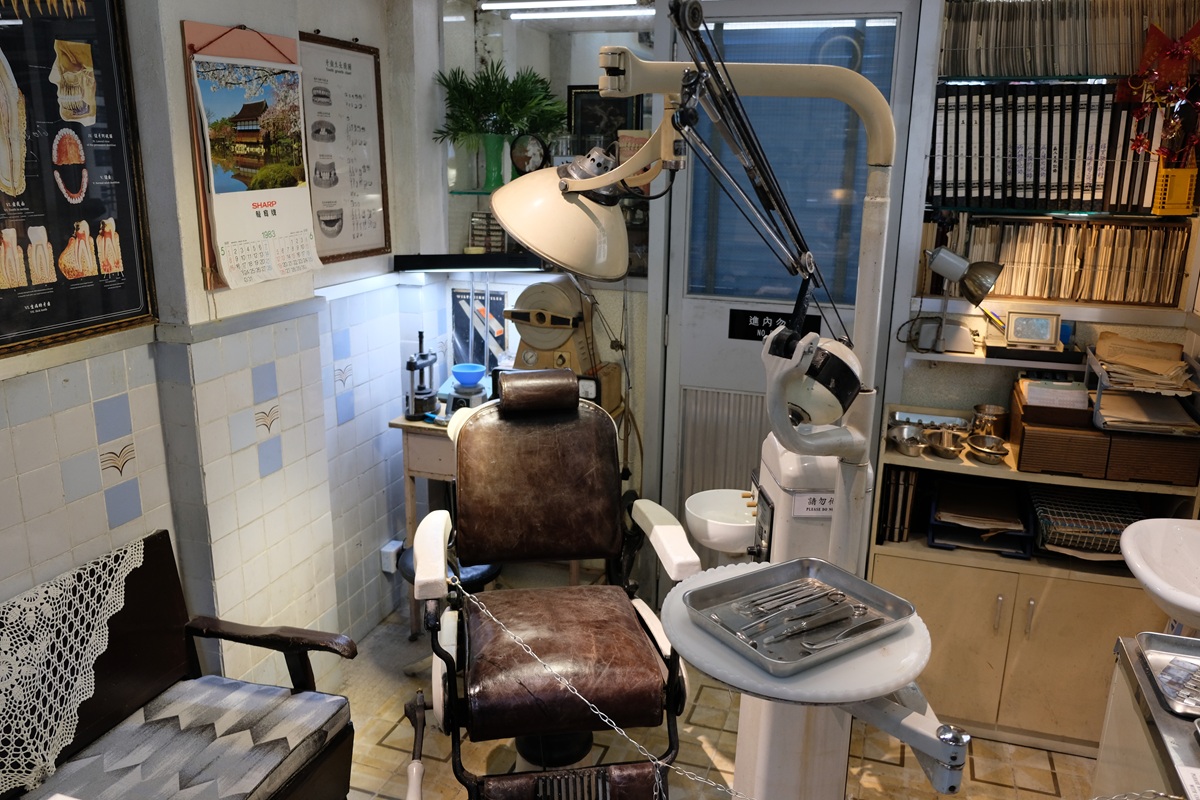
A dental clinic looks the same wherever it is
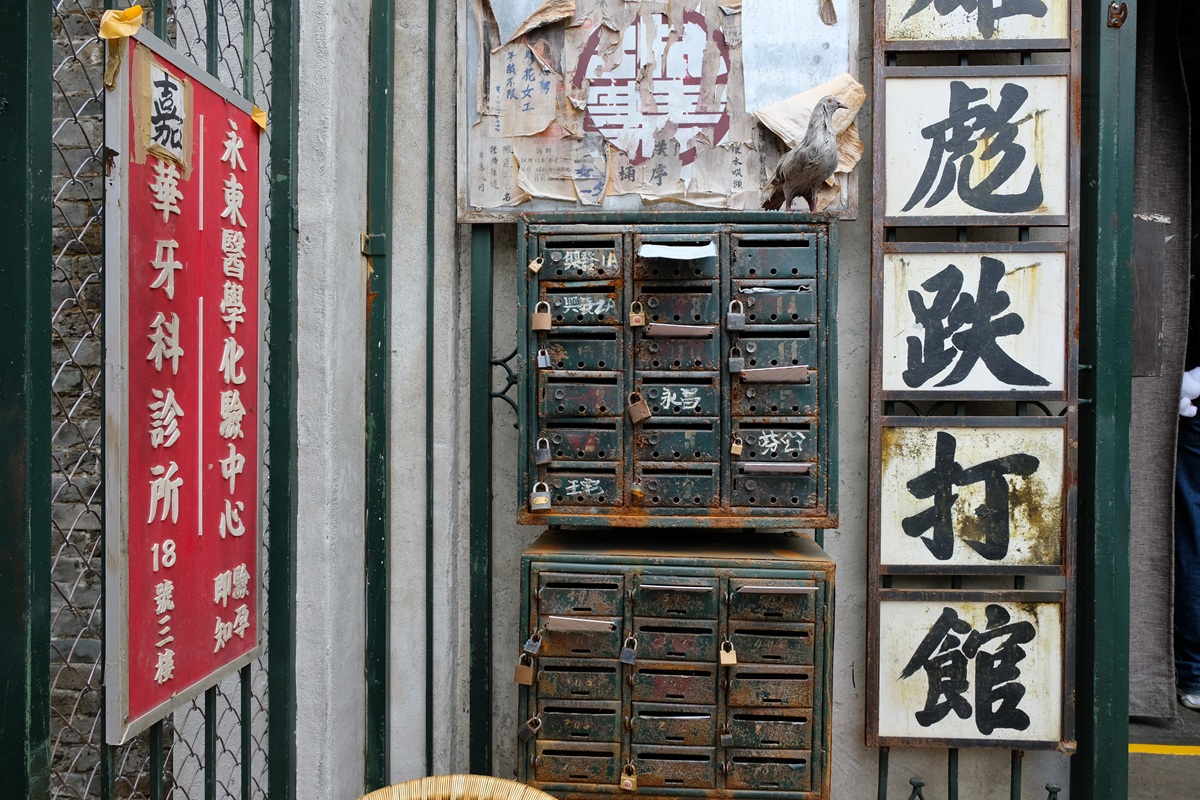
Old mail boxes for the residents of the Walled City
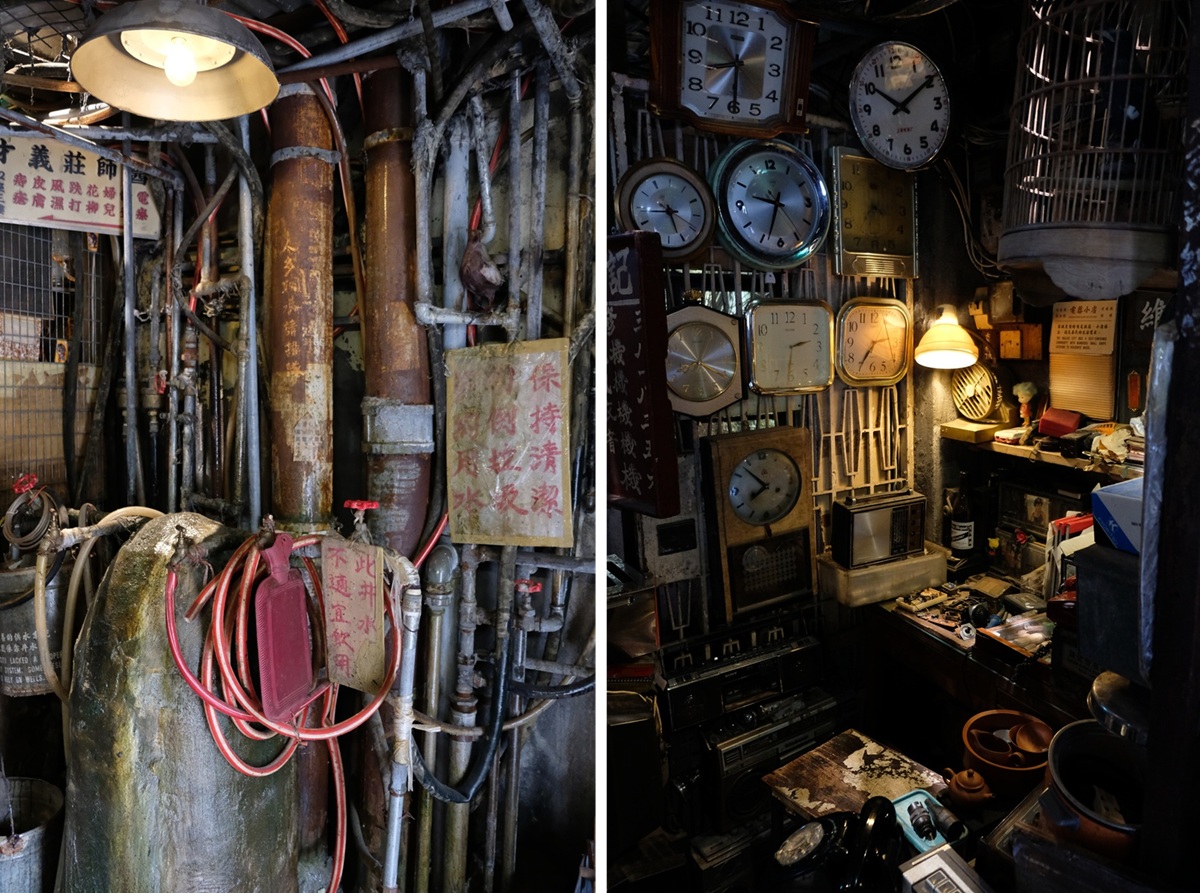
Scenes like these were probably what inspired cyberpunk films and comic books
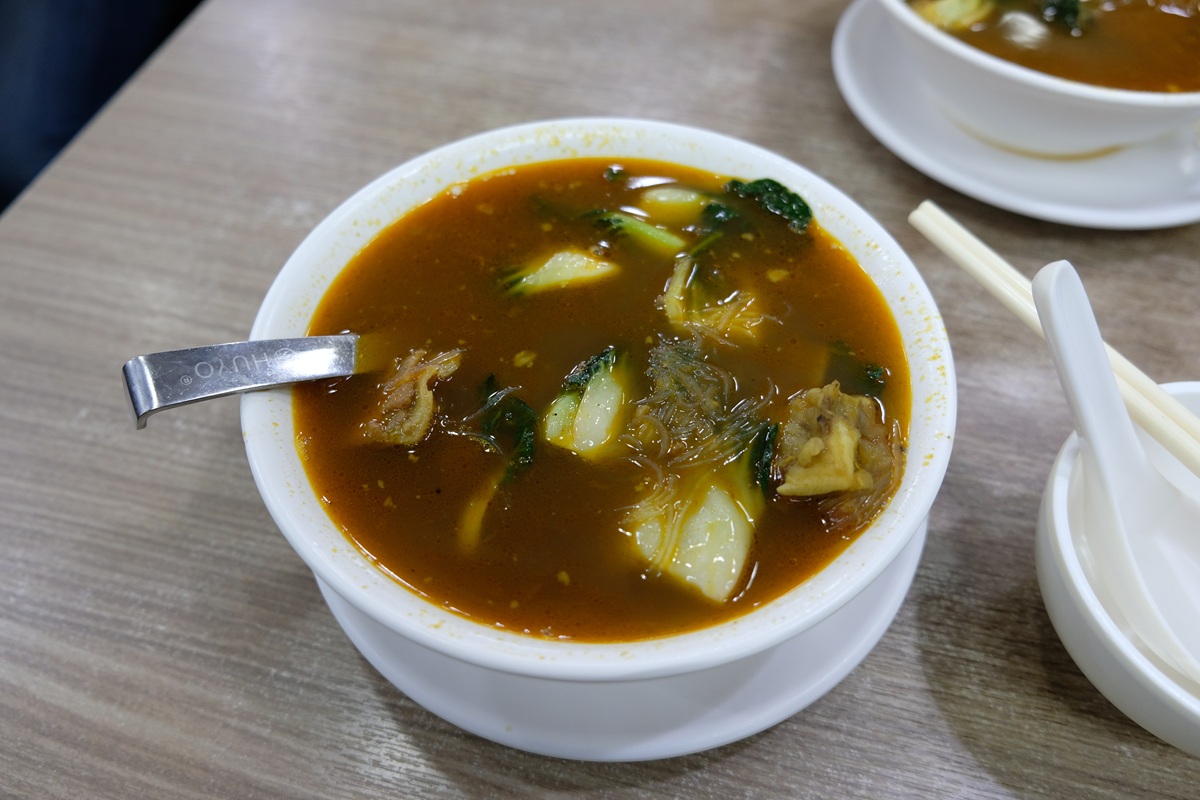
Northwestern Chinese mutton soup with rice noodles at Islam Food
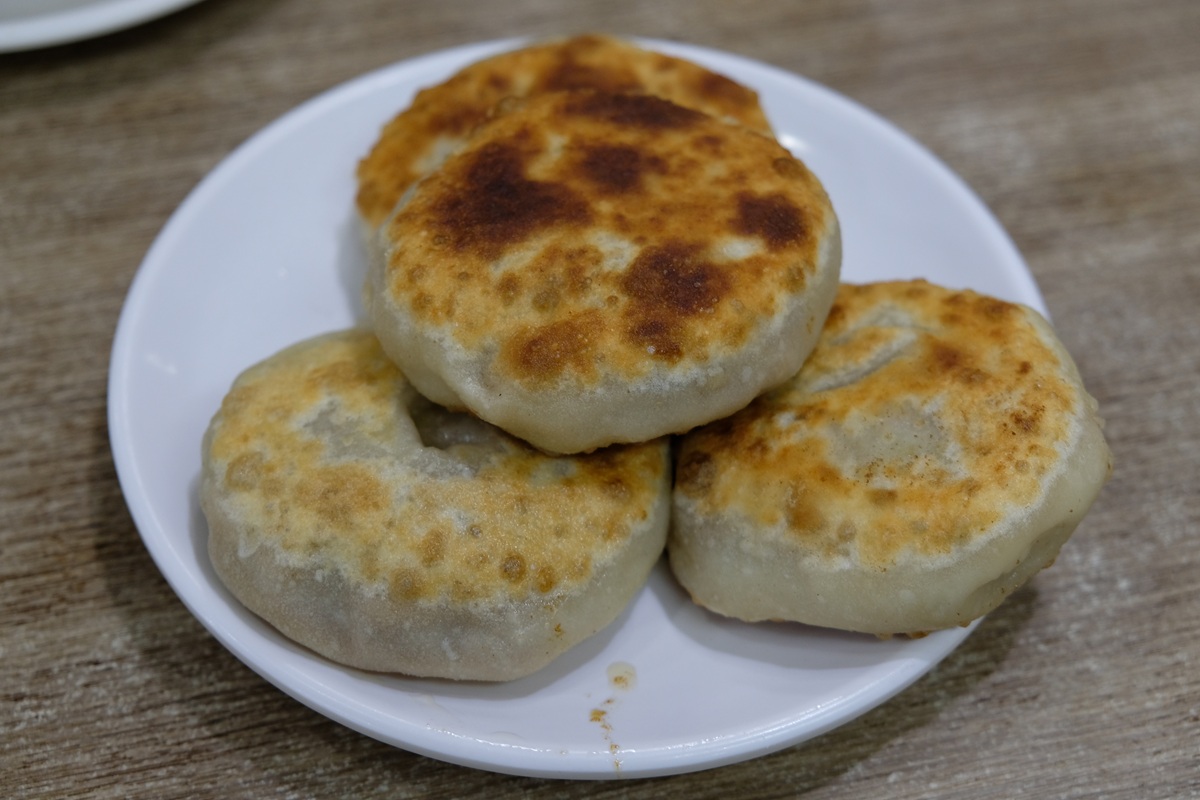
The pan-fried beef buns that we also had at the same restaurant
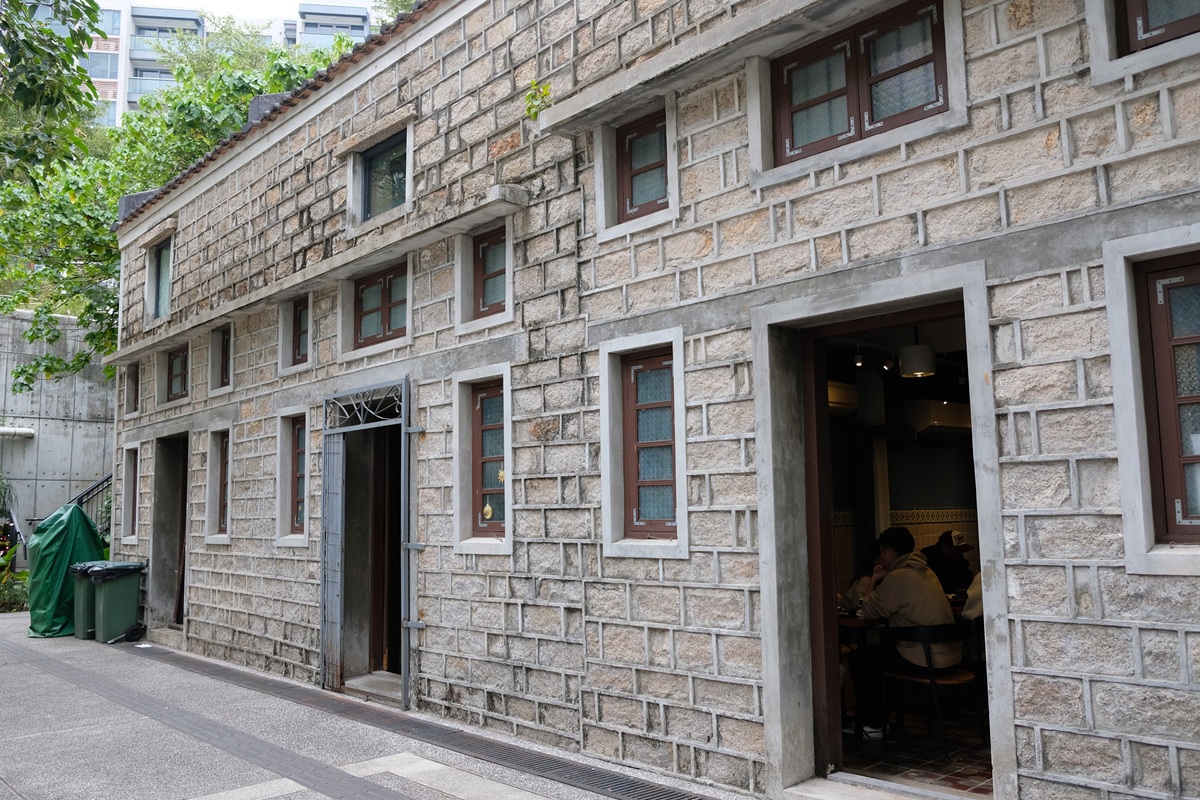
Stone Houses Family Garden, a community hub in Kowloon City which was built in the late 1930s
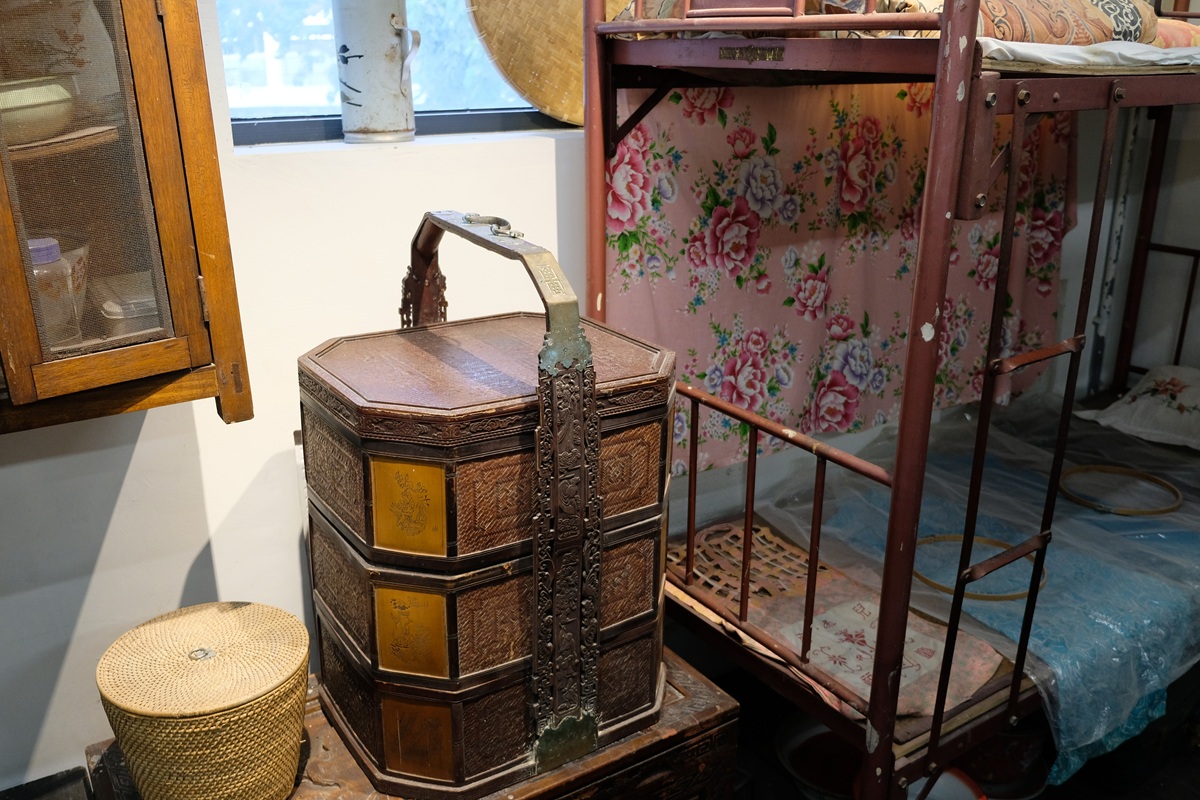
Mementos from the past displayed in one of the houses in the same compound
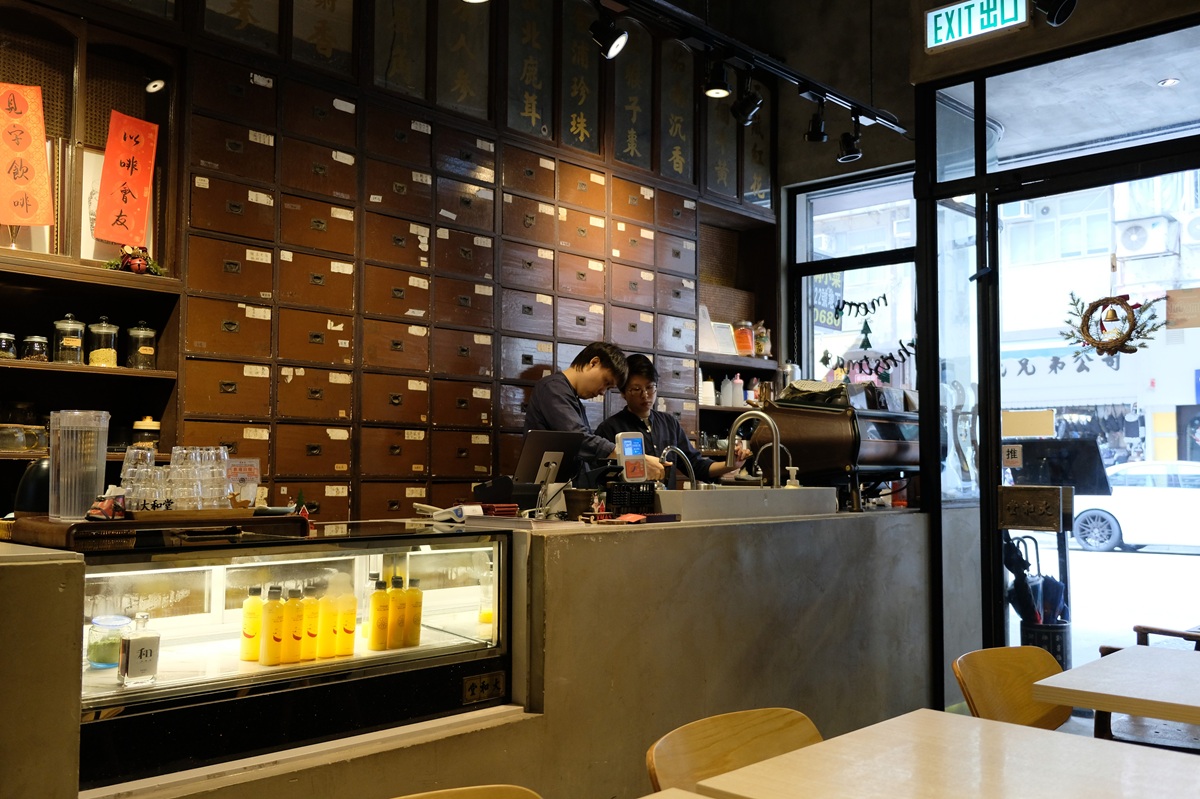
At Tai Wo Tang Café, a former Traditional Chinese Medicine shop turned into a cozy restaurant
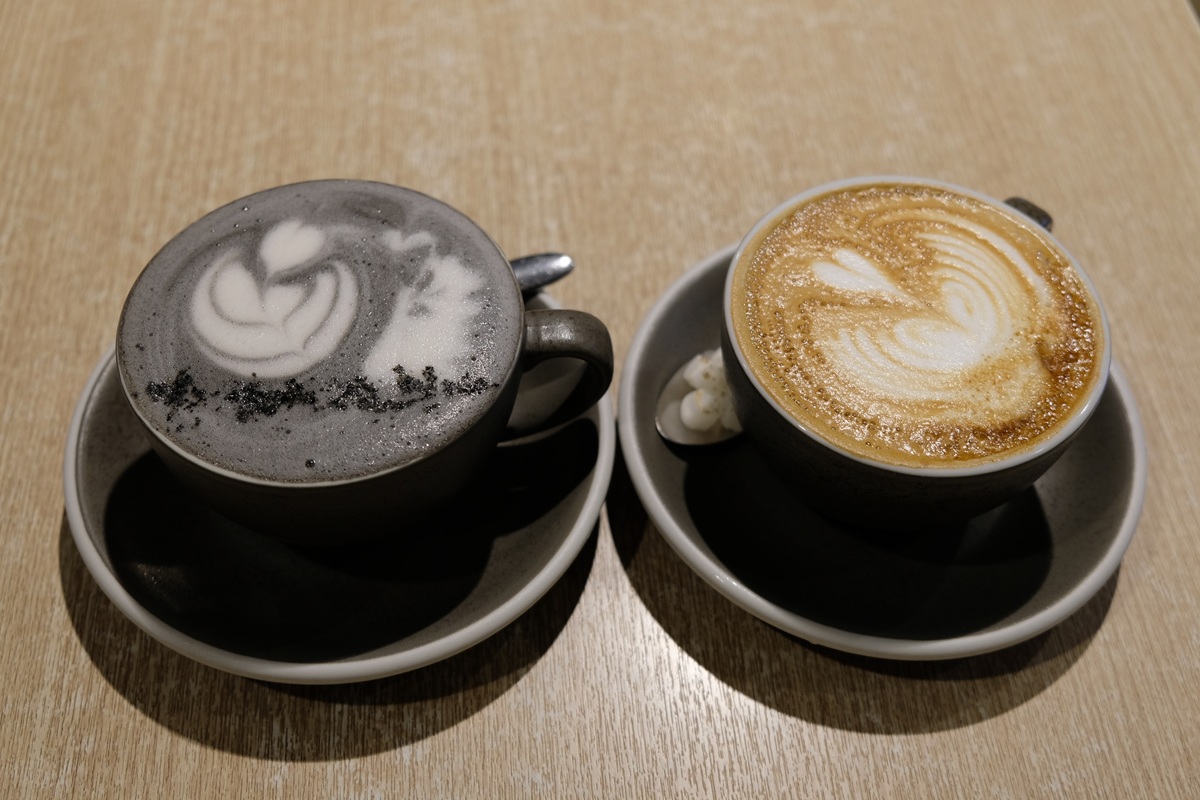
Black sesame oat milk (left) and muscovado ginger mochi latte (right)
There are, however, places that don’t need to do much to entice people to come, as long as they’re able to keep the top-notch quality of their products/offerings. If you enjoy dim sum, Hong Kong is the place to visit to have among the best dim sum you’ll ever try. The classic Cantonese bite-sized dishes vary in shapes, fillings, and ingredients, and wherever you go in the city, you will most likely get decent dim sum. After all, who would want to eat at your place if you don’t do it well? While I always look forward to having the different varieties of dim sum every time I go to Hong Kong, I also have other dishes on my list of favorites, including roast goose (called “siu ngo” in Cantonese). In 2024, James and I went to Sham Tseng, an area in the New Territories well-known among Hong Kongers for this dish. As we stepped out of the double-decker bus that took us all the way from the downtown area on Hong Kong Island, I immediately saw multiple roast goose restaurants everywhere I looked. But the one where we wanted to have lunch – called Yue Kee – was a few minutes’ walk away, relatively hidden down a small street which at some parts were so narrow a car could barely pass. The place evoked an old-style Chinese restaurant with decorations that were de rigueur in the 1980s or 1990s. The roast goose, however, was the most important thing, and they did the bird justice as it was so succulent and tender.
Back on the main island, we sampled another Hong Kong classic: beef brisket noodles at Sister Wah. I remember the first time I had this dish which was back in early 2014 after watching the dazzling Chinese New Year fireworks show at Victoria Harbour. More than a decade later, I was happy to find one that was just as comforting and tasty as my very first bowl of this soupy dish. And when it comes to dessert places, Hong Kong is definitely not short on such establishments. On my most recent trip, I was pleasantly surprised to learn how smooth tongyuen (also known as tangyuan) can be. Called ronde back home in Indonesia, this is something I’m familiar with as my late mother was particularly fond of it. But the ones I had at a small joint in North Point called Fook Yuen, which was frequented mostly by locals, were a revelation. Filled with black sesame paste and crushed peanuts, served in a warm sweet soup with a subtle ginger flavor, it was perfect for a cold day.
Needless to say, most Hong Kong classic dishes share a common trait: they’re timeless. What are also timeless, and have been embraced by the city in earnest, are artworks from around the globe crafted by artisans from antiquity that long outlived the people who created them. I was fortunate to be in town when the Hong Kong Palace Museum, located in the up-and-coming West Kowloon Cultural District, hosted two separate exhibitions highlighting the magnificent artifacts of the Sanxingdui culture (circa 1700 to 1150 BCE) in 2023 and Ancient Egypt in 2025. The invaluable items displayed by the museum, which were loaned by their counterparts in China and Egypt, were both marvelous and awe-inspiring.
While Hong Kong is getting really good at bringing world cultures to its soil and presenting them to an Asian and global audience, the city needs to up the ante when it comes to showcasing its own ancient heritage. No one doubts its ability to pull up megaprojects, as is the case with the ongoing redevelopment of Kai Tak which is poised to become the city’s next big thing with a flashy new stadium at its heart. But this very endeavor also sets an example of how it can go hand in hand with cultural heritage preservation, as shown at Sung Wong Toi station where vestiges of Hong Kong’s past, unearthed during excavations of the project, are now displayed to the public. Through the objects, we can learn more about the people who once called this city – even long before it was one – home, a move in the right direction that will hopefully become the standard. Perhaps years from now, Hong Kong’s centuries- and millennia-old heritage will be as well-known as its other cultural offerings.
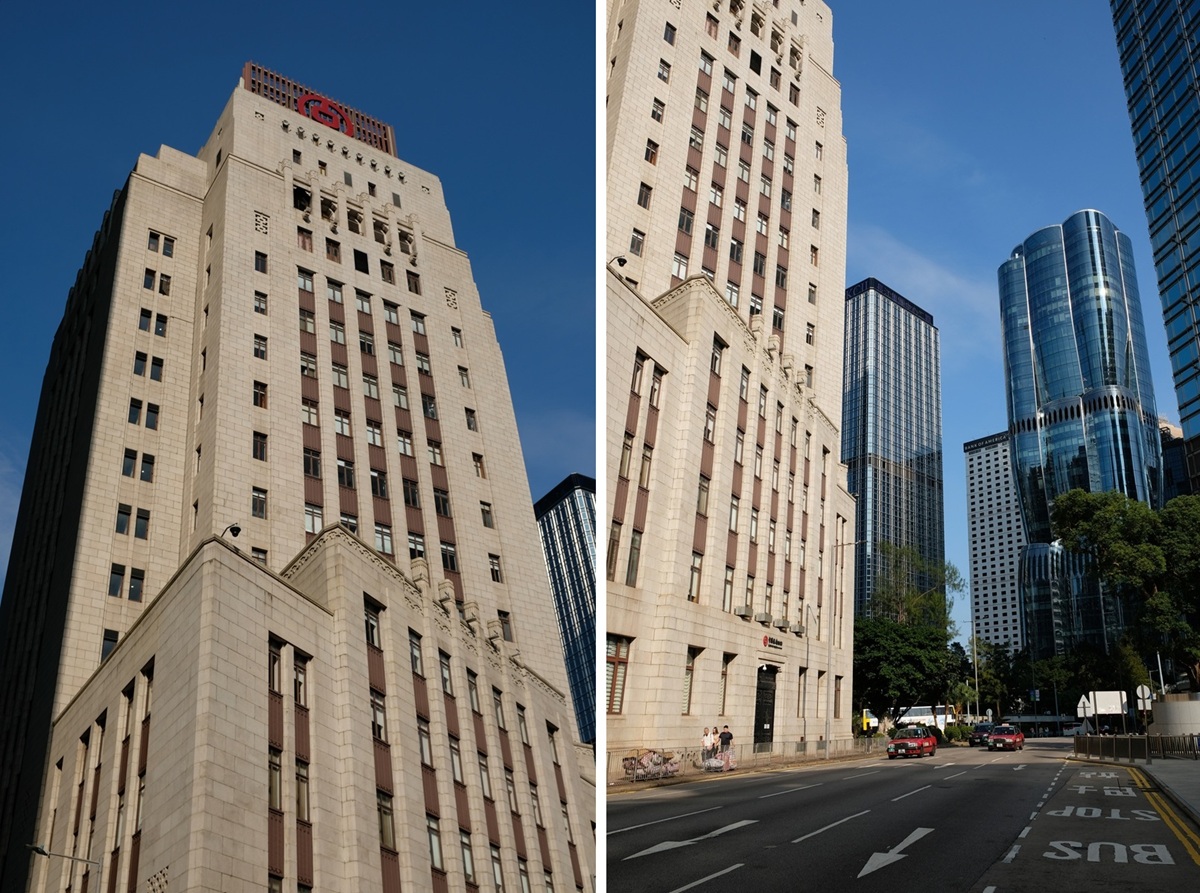
Left: Bank of China Building with its distinct Shanghai Art Deco style; Right: Later additions to the skyline of Central, including The Henderson, designed by Zaha Hadid Architects and completed in 2024
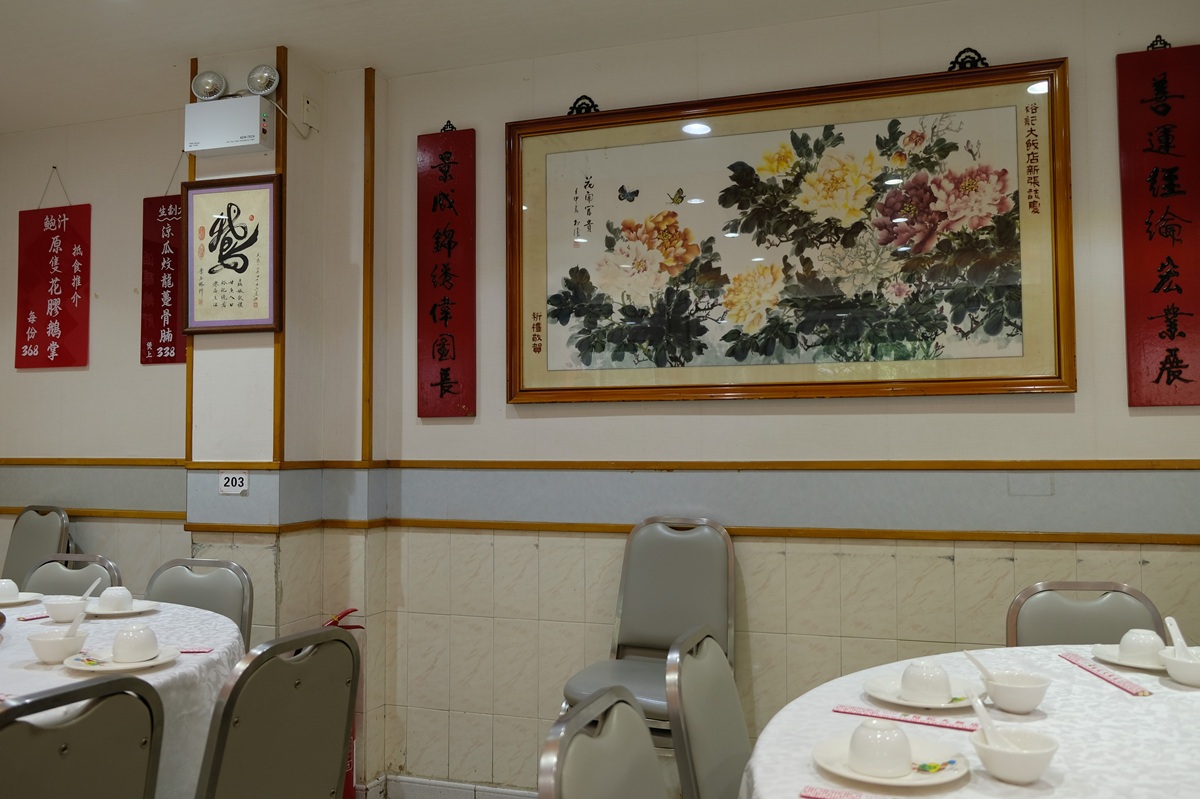
The dated interior of Yue Kee in Sham Tseng
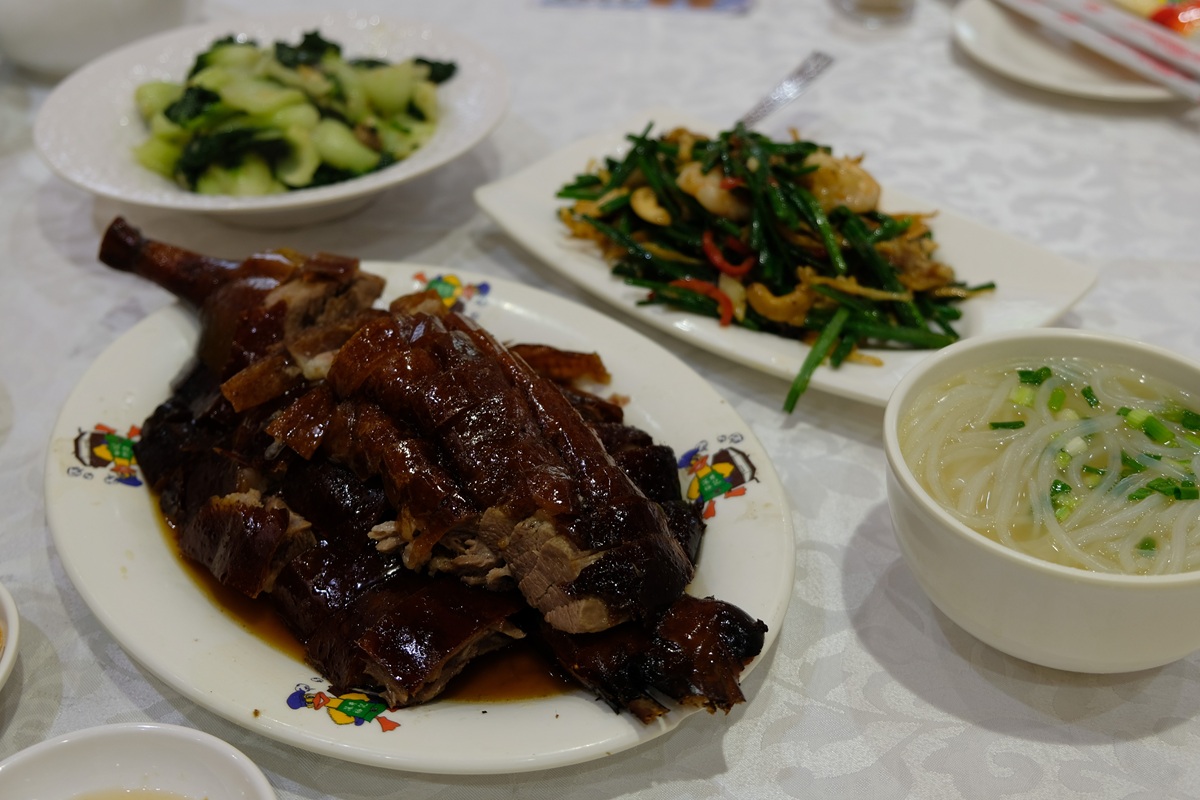
Their roast goose, however, was incredibly tender and succulent
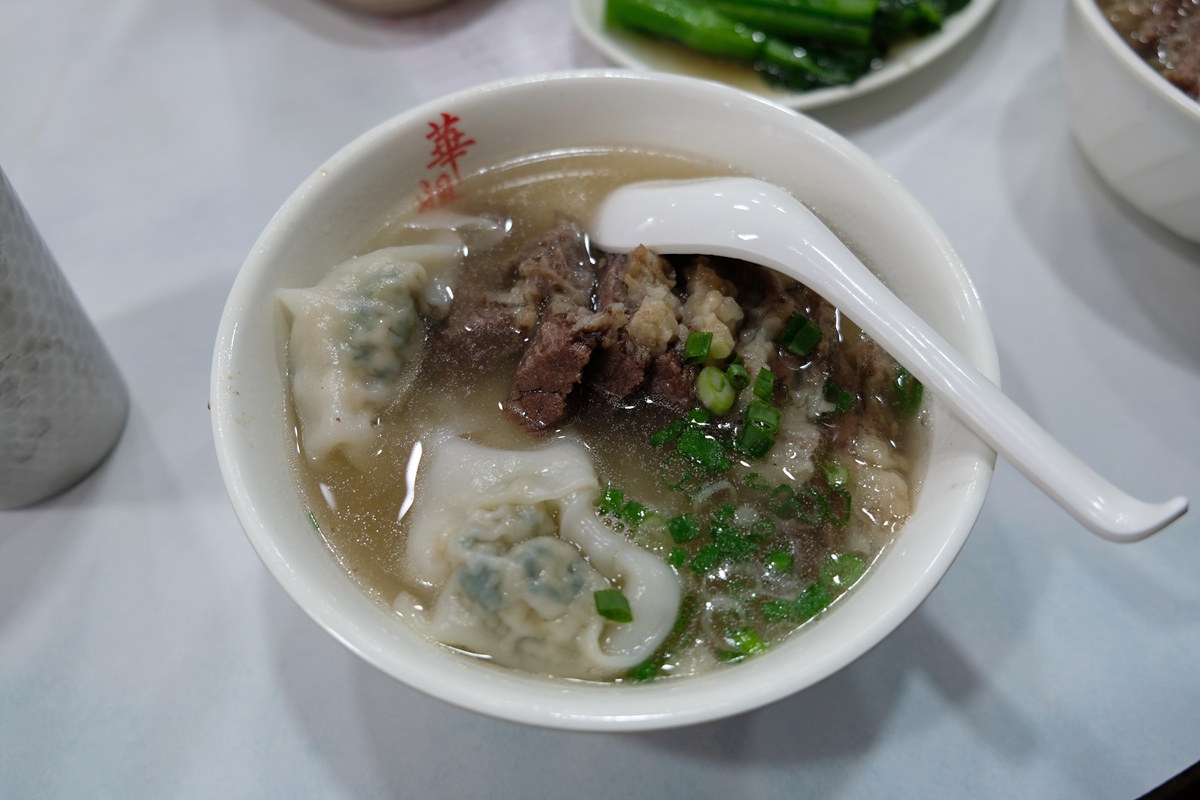
A bowl of Hong Kong-style beef brisket noodles is always comforting
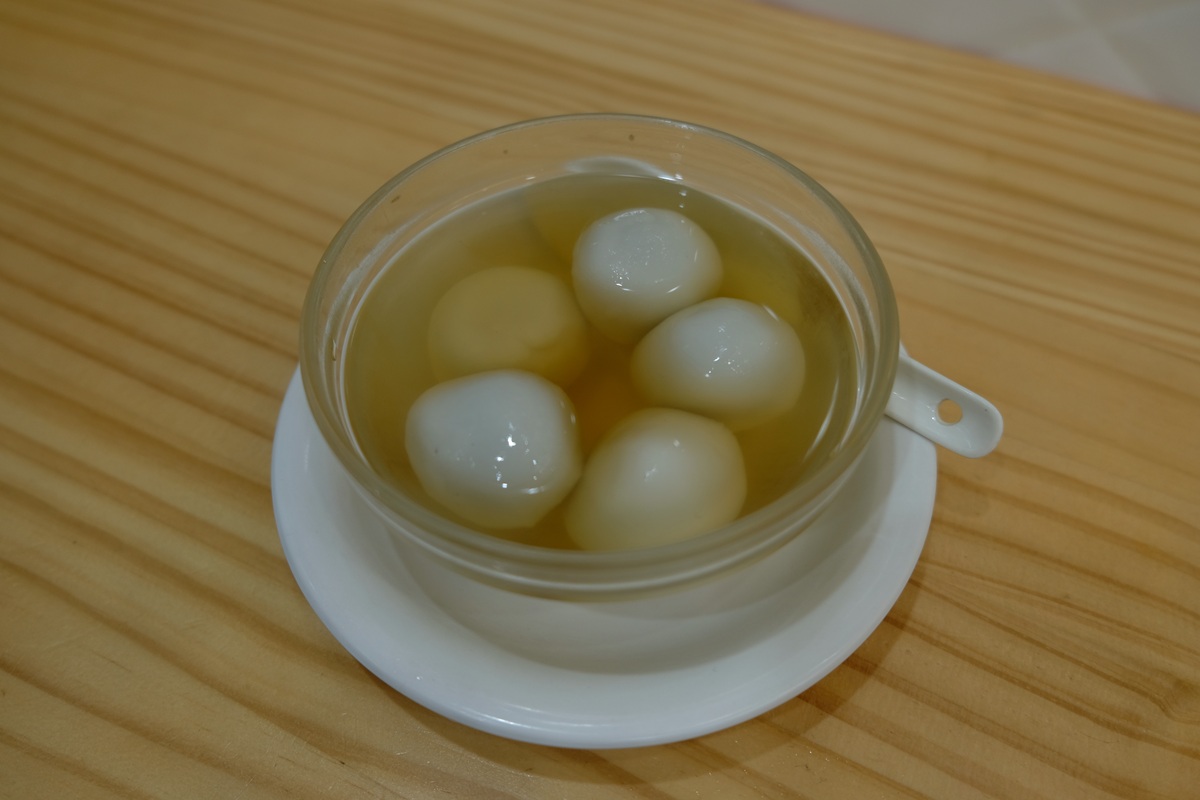
The best tongyuen I’ve ever had so far
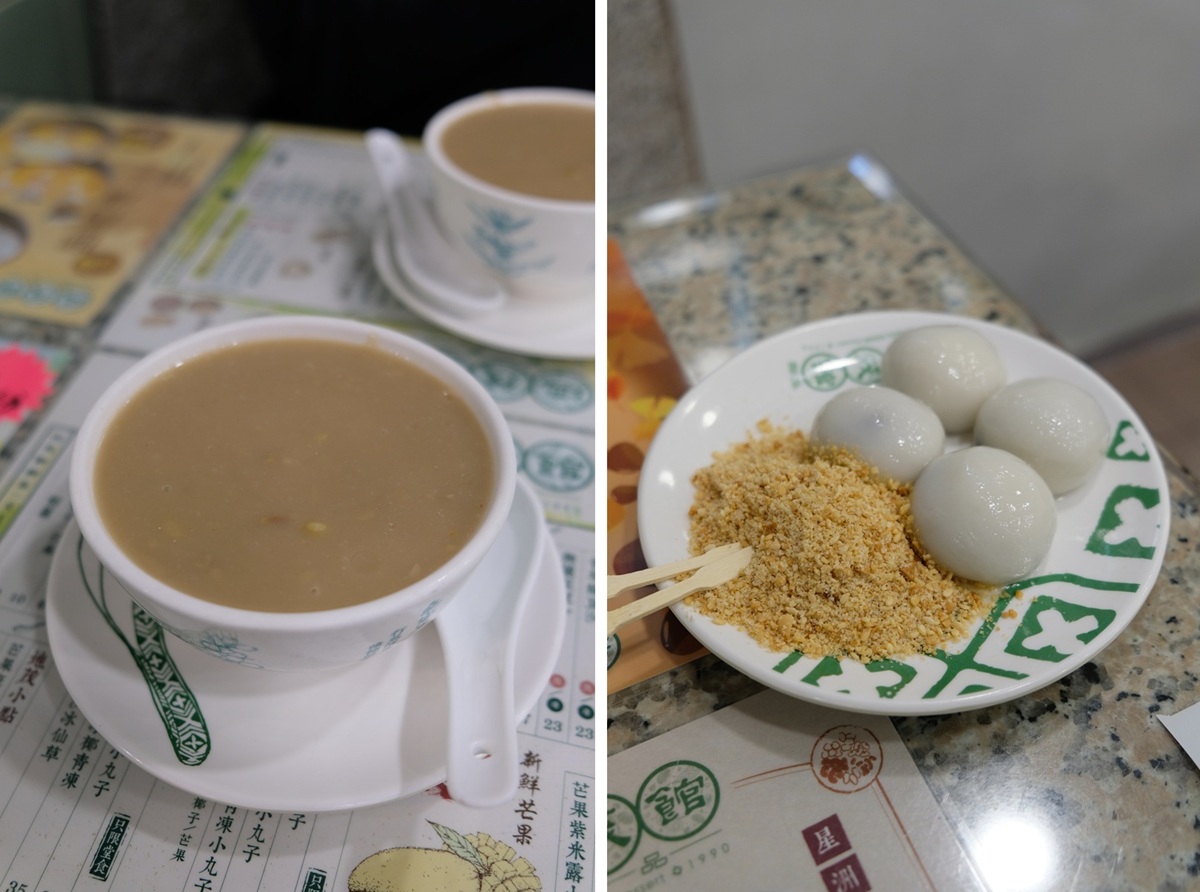
Left: chestnut sweet soup; Right: tongyuen served with crushed peanuts
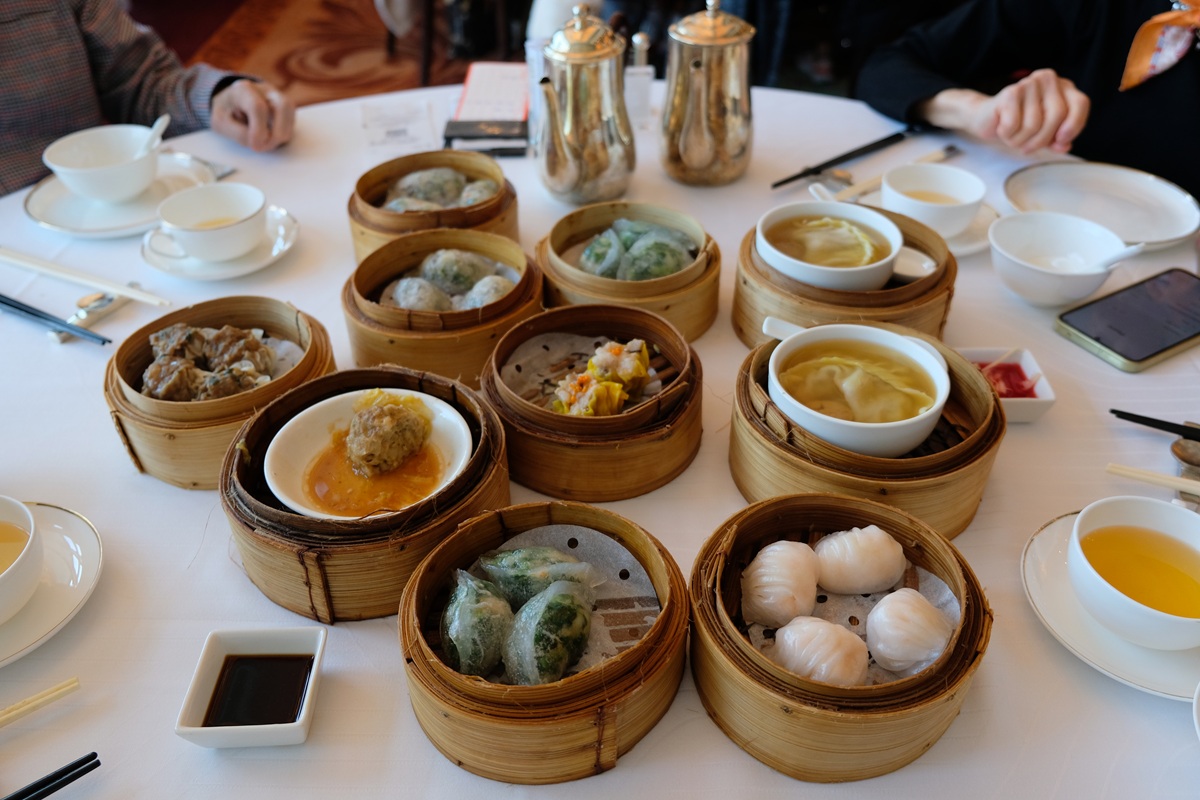
How can anyone resist the temptation of dim sum?
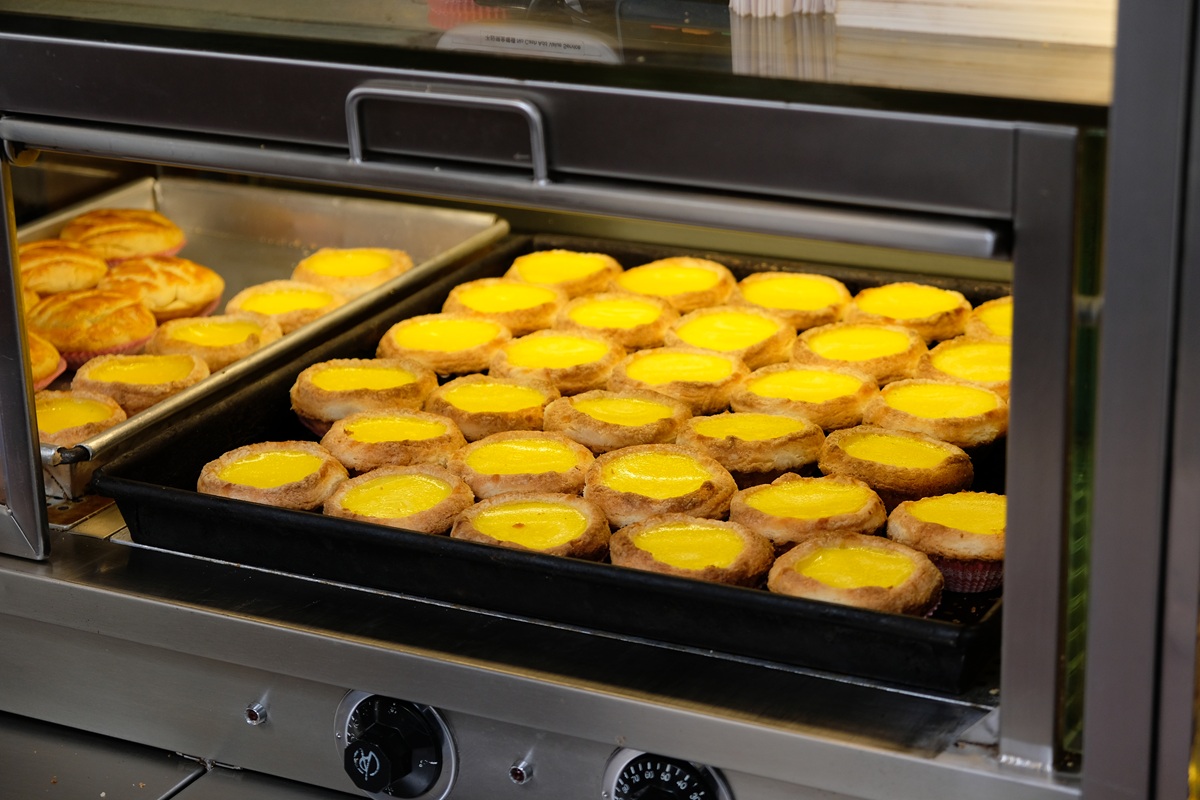
Delicious Hong Kong-style egg tarts from Sun Wah Café
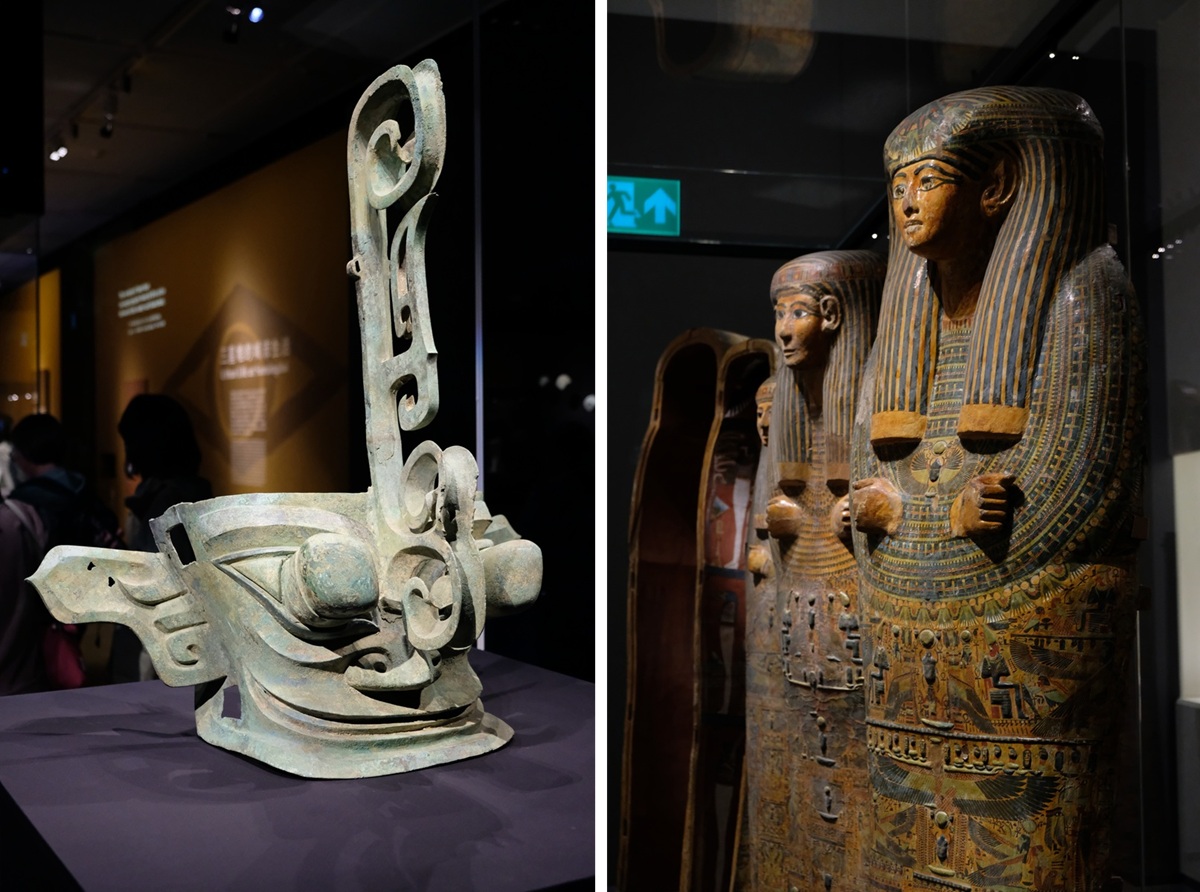
Millennia-old creations of China’s Sanxingdui culture (left) and Ancient Egypt (right), displayed at the Hong Kong Palace Museum two years apart
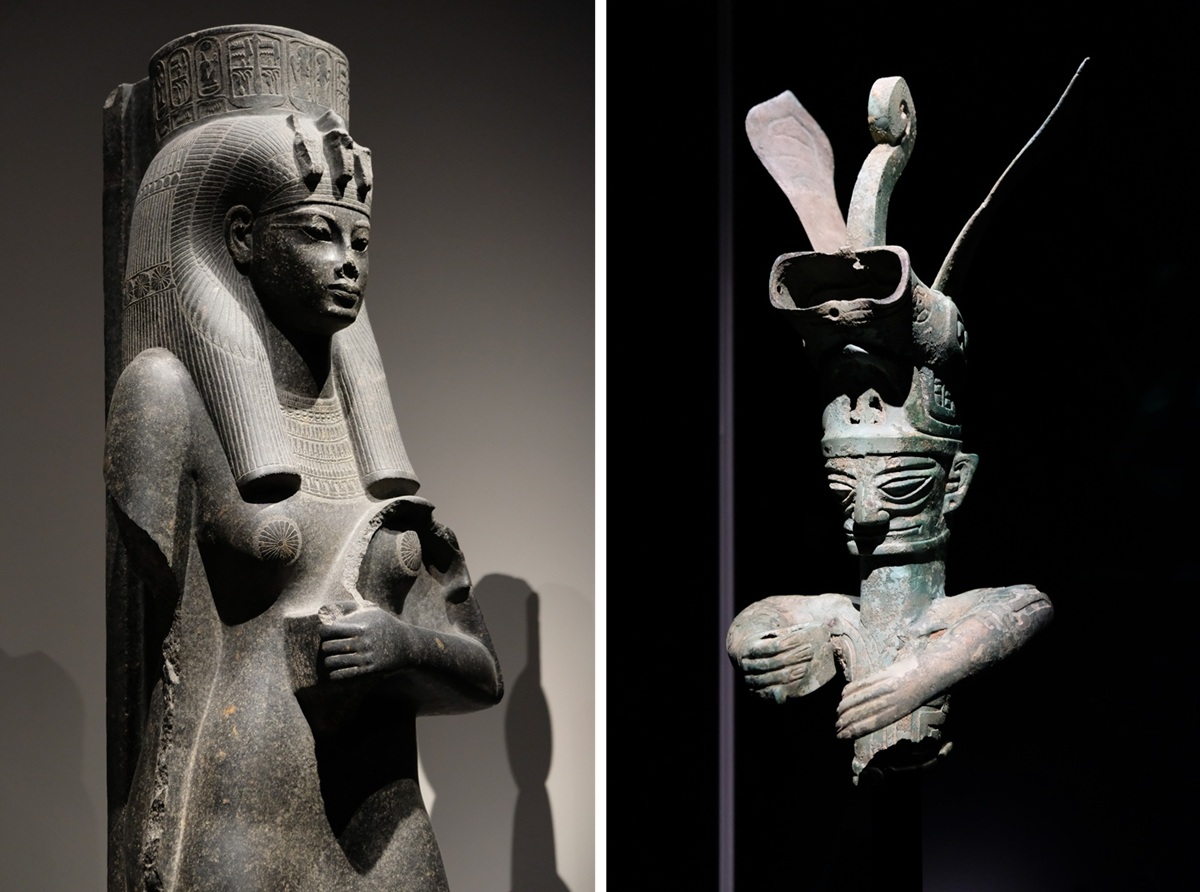
Sometimes it’s hard to wrap my head around the fact that thousands of years ago humans had already created such fine and intricate artworks
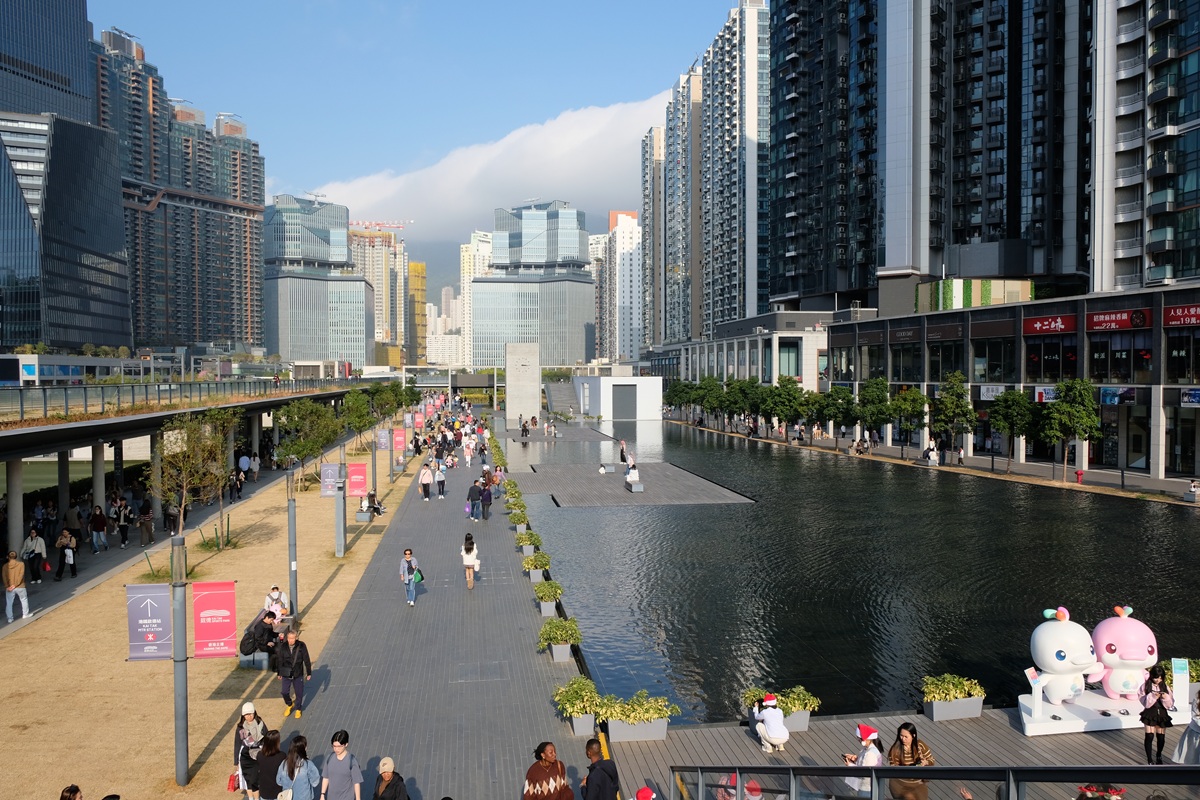
At Kai Tak Development, an ongoing project on the site of what used to be Hong Kong’s main international airport
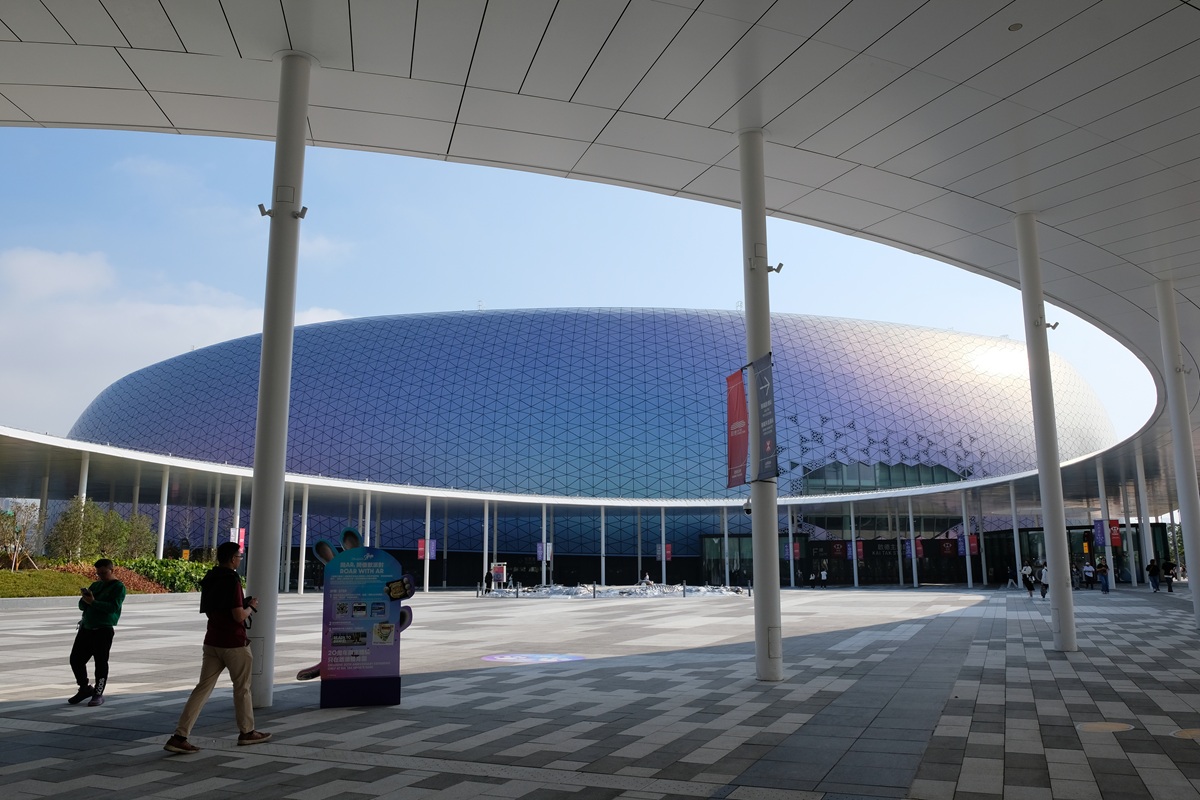
The 50,000-seater brand-new Kai Tak Stadium
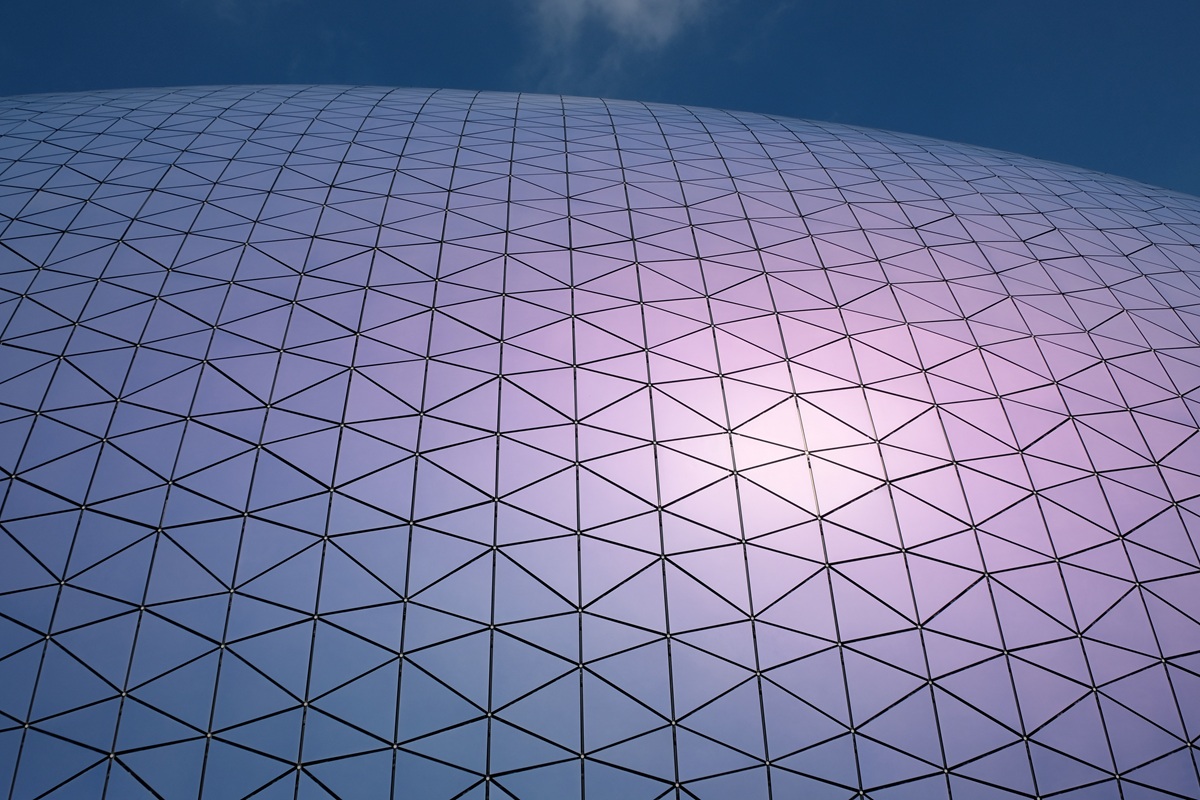
The future looks bright


Hong Kong is certainly a distinctive metropolis worth exploring again and again! I think a lot of visitors envision it as a modernized city, but in fact, it still keeps its traditions very much alive…from the old-school cuisine to its museums on ancient artifacts, HK preserves the old with the new, and I’m glad you’ve had the opportunity to visit with James many times to learn more! I’ve yet to visit HK, so your posts are incredibly insightful when I plan my journey there!
LikeLiked by 1 person
For me, Hong Kong is endlessly fascinating exactly because of its many personalities. Yes it is a big, modern city. But it is also home to some interesting ancient sites, great hiking trails, and many small islands that are fun to explore. I hope you’ll get to visit Hong Kong one day, Rebecca!
LikeLiked by 1 person