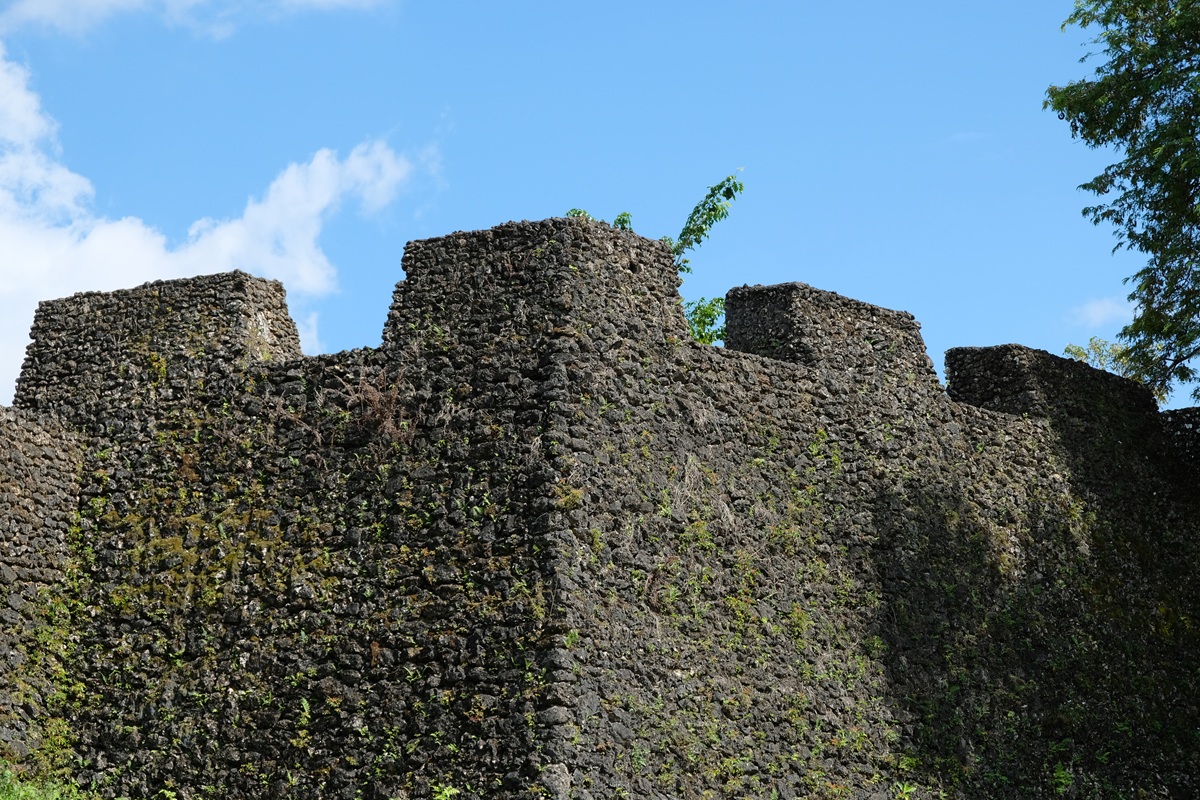
One of the bastions of Fort Sorawolio I
The size of Buton Palace Fortress truly impressed us, and the fact that it is the largest fortification in Indonesia not built by any European powers makes it even more admirable. Houses incorporating unique traditional architecture of the island filled the walled enclosure, with those on the northern edge of the citadel getting front-row, unobstructed views of the city of Baubau and the nearby islands. However, this was not the only thing the long-running Sultanate of Buton had in its defense system which managed to keep the monarchy alive for centuries until its full absorption into the Republic of Indonesia following the death of the last ruler in 1960.
Each country or polity has its own defense philosophy. While this can look very different from one place to another, the basic principles are usually the same. The one applied by this particular sultanate was focused on both tangible and intangible aspects, with the latter encompassing several layers: from the political support of kingdoms from the surrounding islands, to the allegiance pledged by the villagers directly outside the citadel, as well as the loyalty of the troops within the palace compound itself. The tangible defense infrastructure, however, was easier to gauge – and probably to build. Upon its completion, Buton Palace Fortress was already a formidable sight. But additional fortifications were subsequently constructed over the lush forested hills to the east of the citadel which are now collectively known as Fort Sorawolio.
James and I went to the first of the two centuries-old fortresses. At a glance, it appeared quite neat with some modern-day additions in front of it. As we drew closer, however, the newer structures appeared rather incongruous with the rest of the historical compound, leaving me wondering whether it would probably have been better if whoever responsible for the upkeep of this place had retained the integrity of its original form. Information about the site is scarce, apart from the occasional mention on the internet of the seventh sultan of Buton who lived in the 17th century as the person who commissioned it. We took a short flight of stairs to get inside the fort and found an uneven plot of land filled with trees and overgrown bushes in some parts. Except for a few other visitors, this place was largely deserted when we came.
We didn’t linger too long at Fort Sorawolio I and then headed straight to the second fort a few hundred meters uphill. It was supposedly easy to find… or so I thought. After a few minutes’ walk, I thought we were lost because unlike the first site which was marked by a signboard that was visible from the road, there was none at the next location. We kept squinting to look for it, and then there it was: a sad-looking rusty signboard half-lying on the ground with the name Fort Sorawolio II written in Indonesian. From the outside, this historical site looked even more deserted than its sibling down the hill. And as we walked closer, it became even more apparent that this place must only receive a trickle of the already diminutive number of visitors to the first fort.
Fort Sorawolio II had a wilder and more mysterious appearance, and that actually made us even more keen to explore it. It took a while for us to spot the entrance to the inner courtyard. But if you keep walking along its outer defensive walls, you will eventually find it. Inside, the space felt somehow wider than in the other fort. Yet, despite the lack of any other soul in sight, the grass was well-trimmed and the place didn’t feel abandoned at all. We immensely enjoyed this quiet visit, especially on a particularly sunny day with the blue skies creating such a nice contrast to the vibrant green foliage as far as the eye could see.
Further research that I did much later after we returned to Jakarta informed me that coral rag was used to build both fortifications, which makes sense given Baubau’s proximity to the sea. In addition to the reference to the seventh sultan as the mastermind behind the construction of these structures, the nineteenth ruler was also credited, though his contribution was rather unclear. Maybe he was responsible for renovating both sites, or expanding them. However, no one seems to be able to tell with a high degree of certainty. What is certain is that the two forts that are still standing today are a testament to the quality of masonry techniques used by the local builders – themselves probably descended from those who helped build the impressive Buton Palace Fortress.
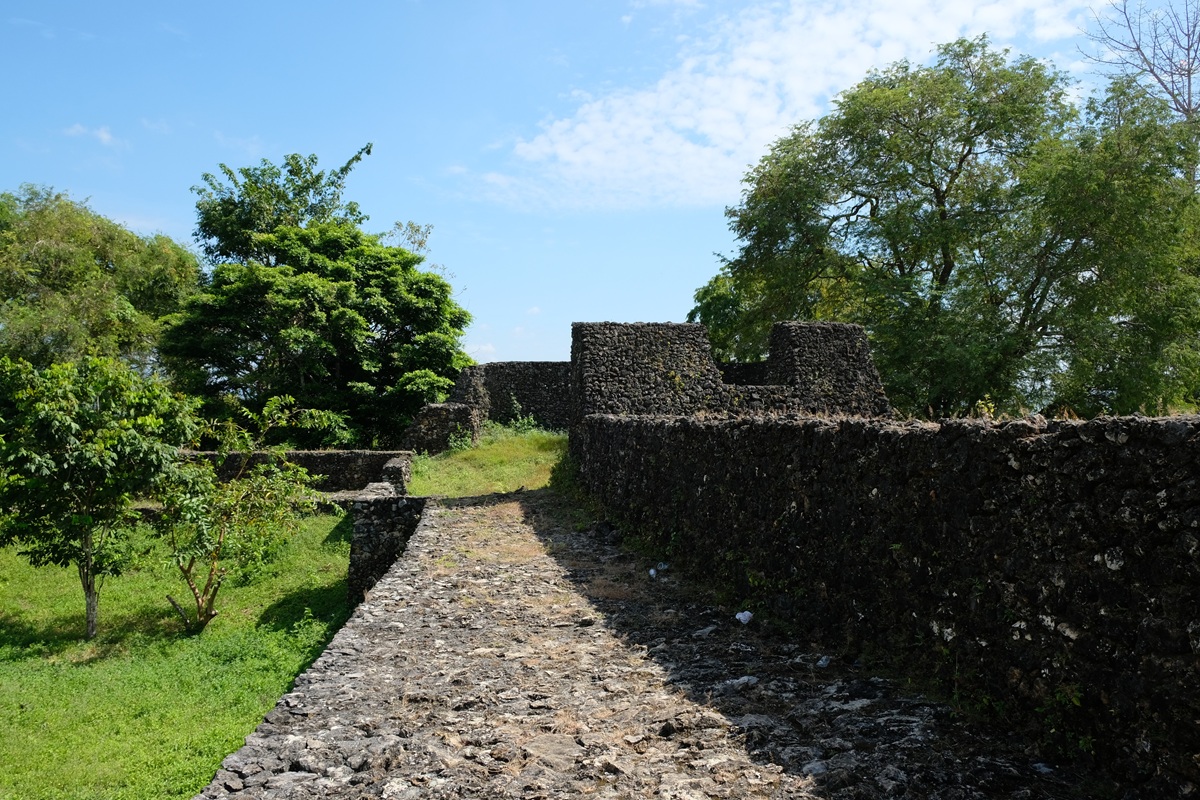
Walking on the eastern rampart of the first fort
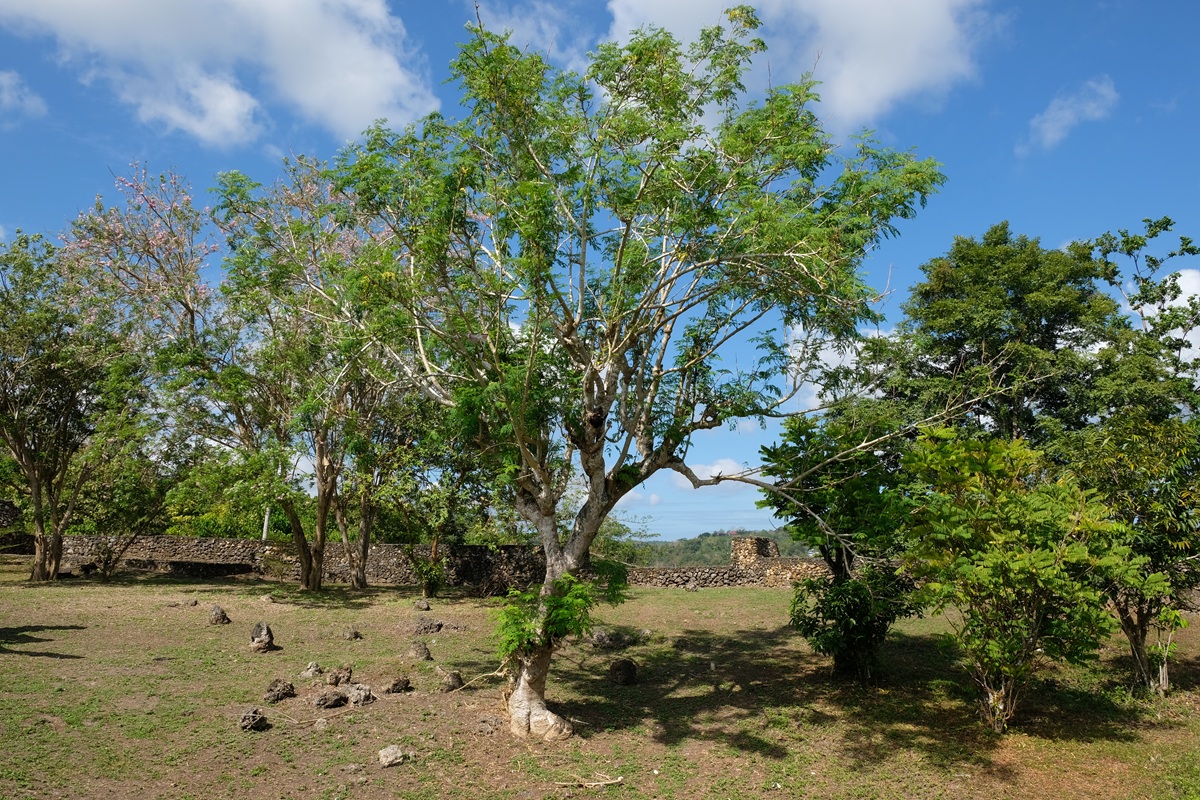
Inside, there were only trees
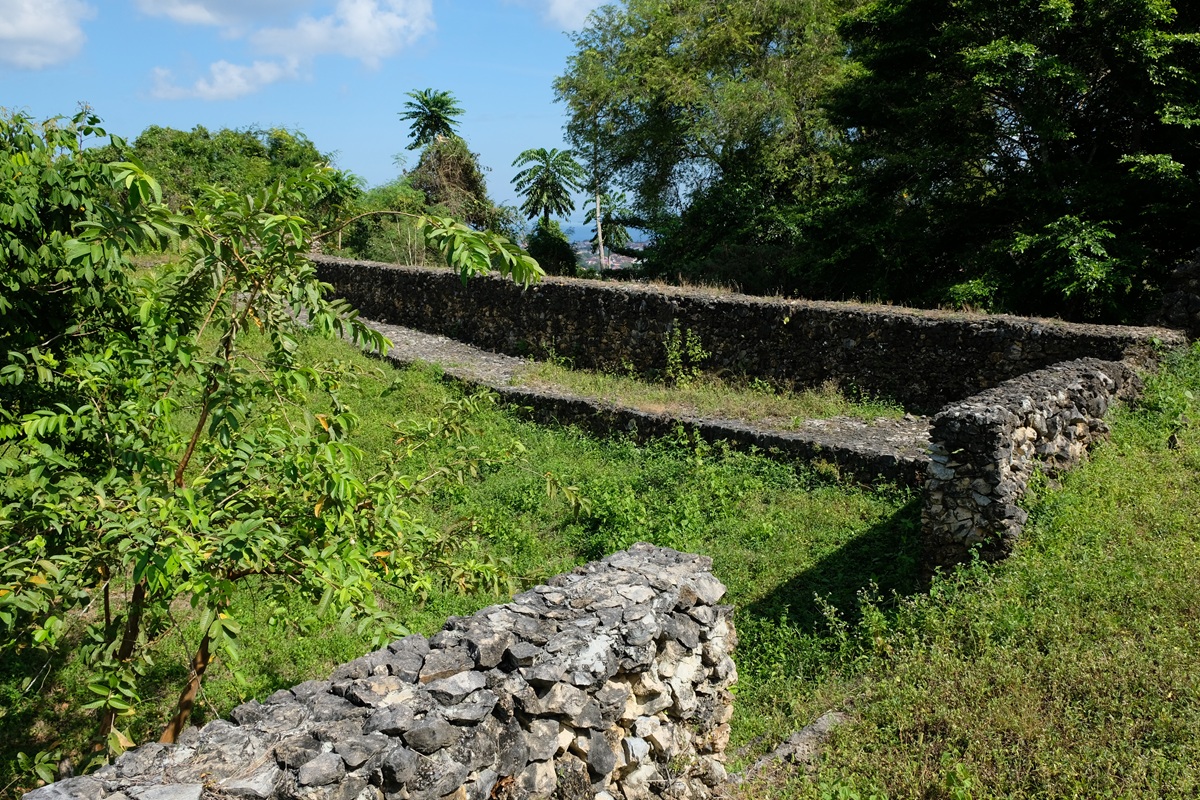
A wilder-looking corner of Fort Sorawolio I
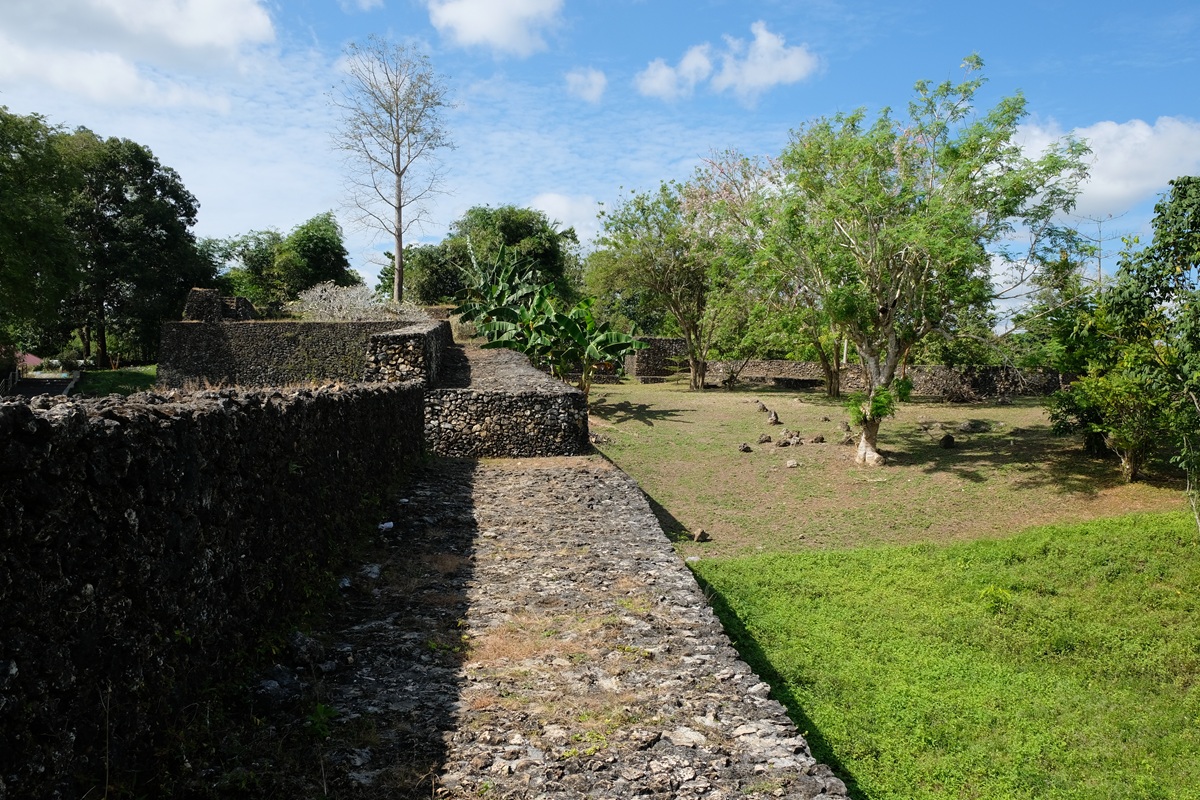
A view of the southern part of the compound
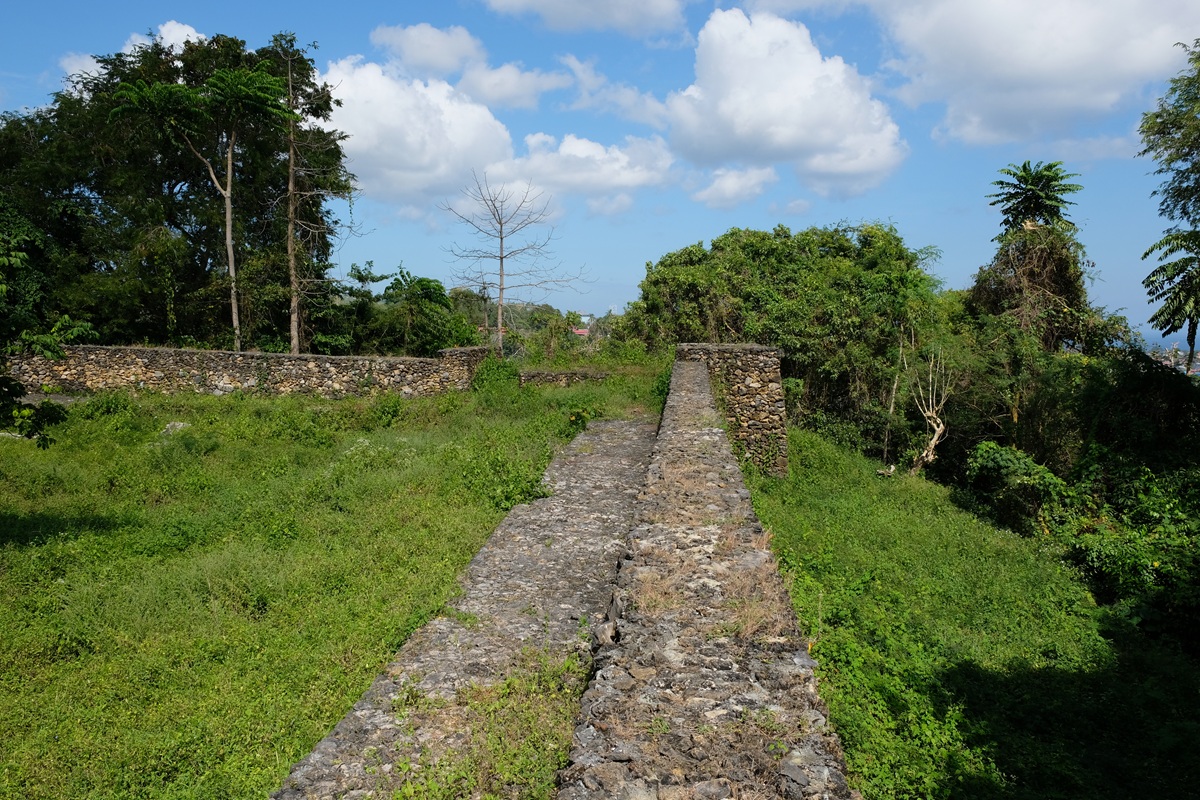
There were only a few other visitors in sight during our visit
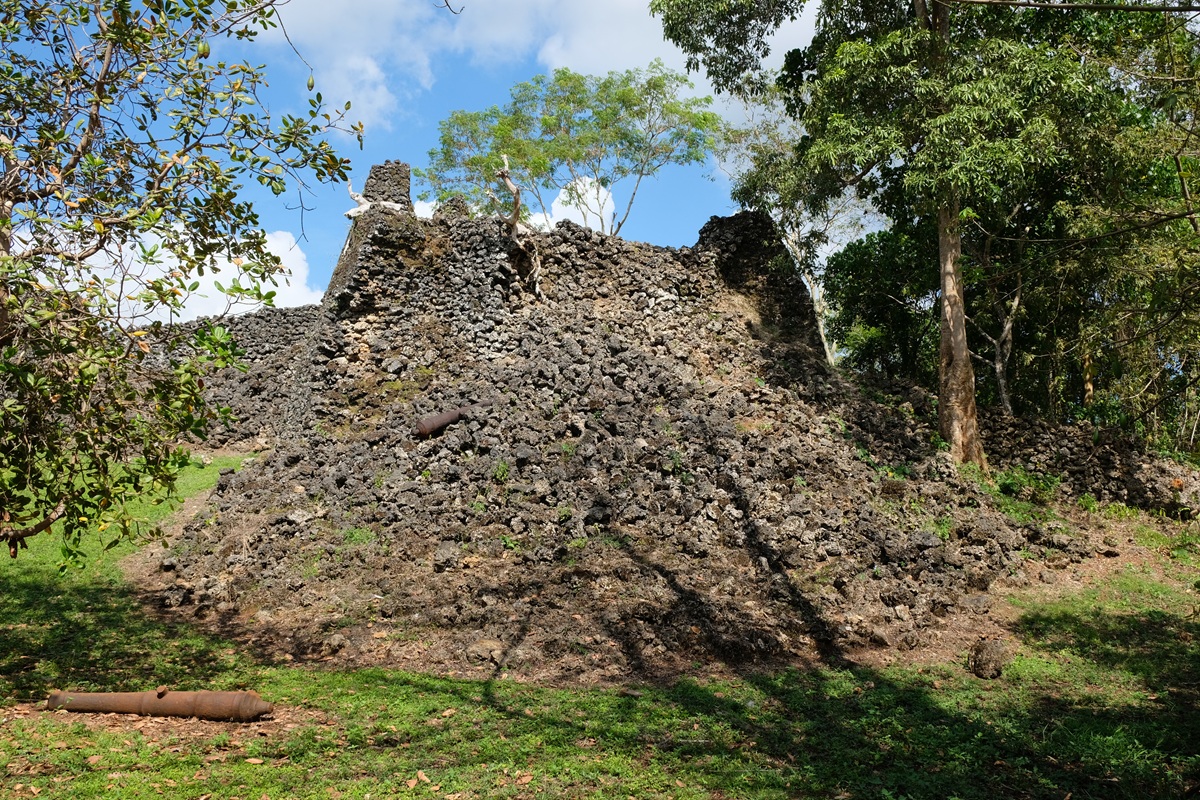
When we came, Fort Sorawolio II was even more deserted than the first
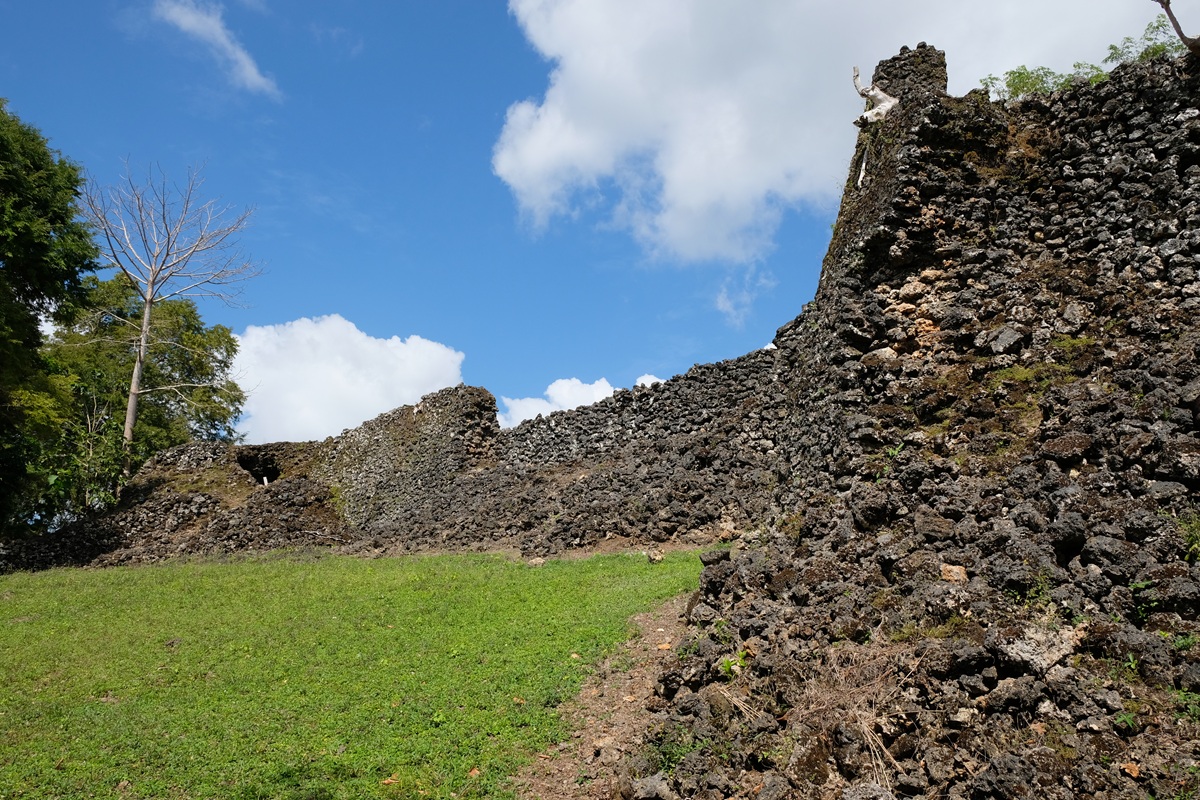
Finding the entrance to the lonelier of the two fortifications
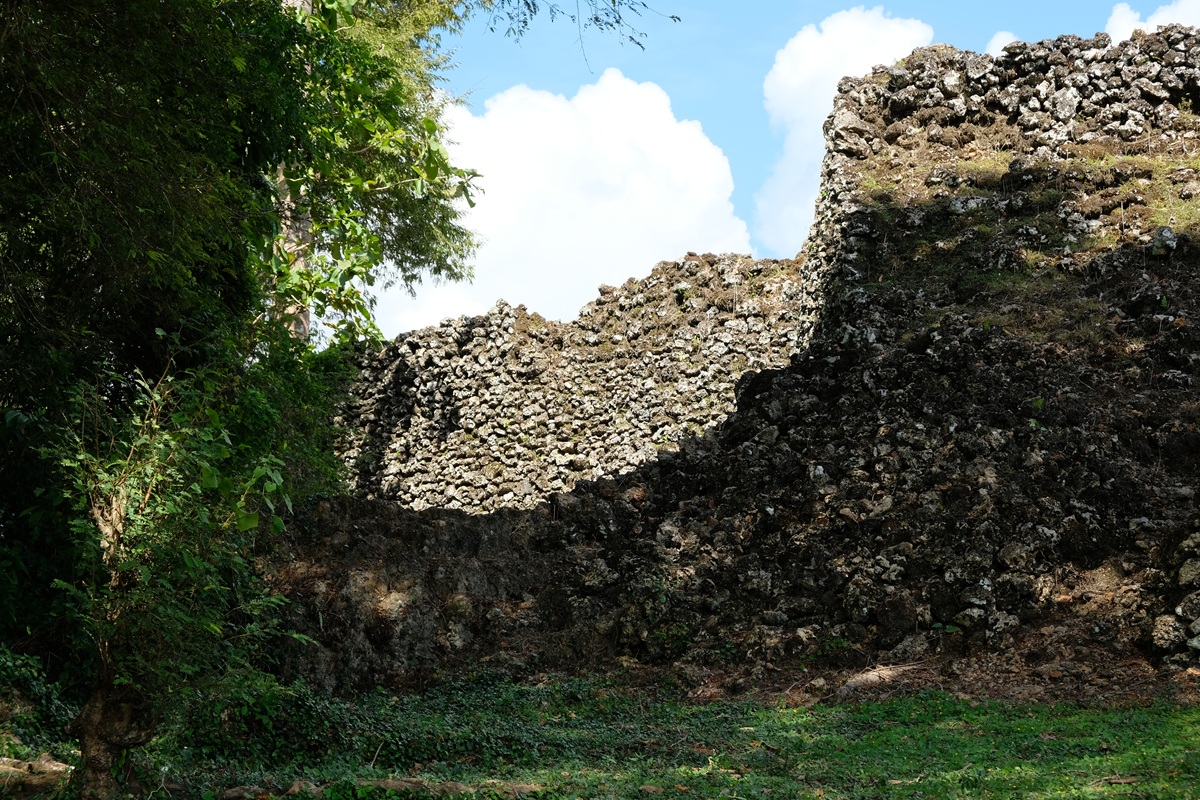
Parts of a collapsed wall
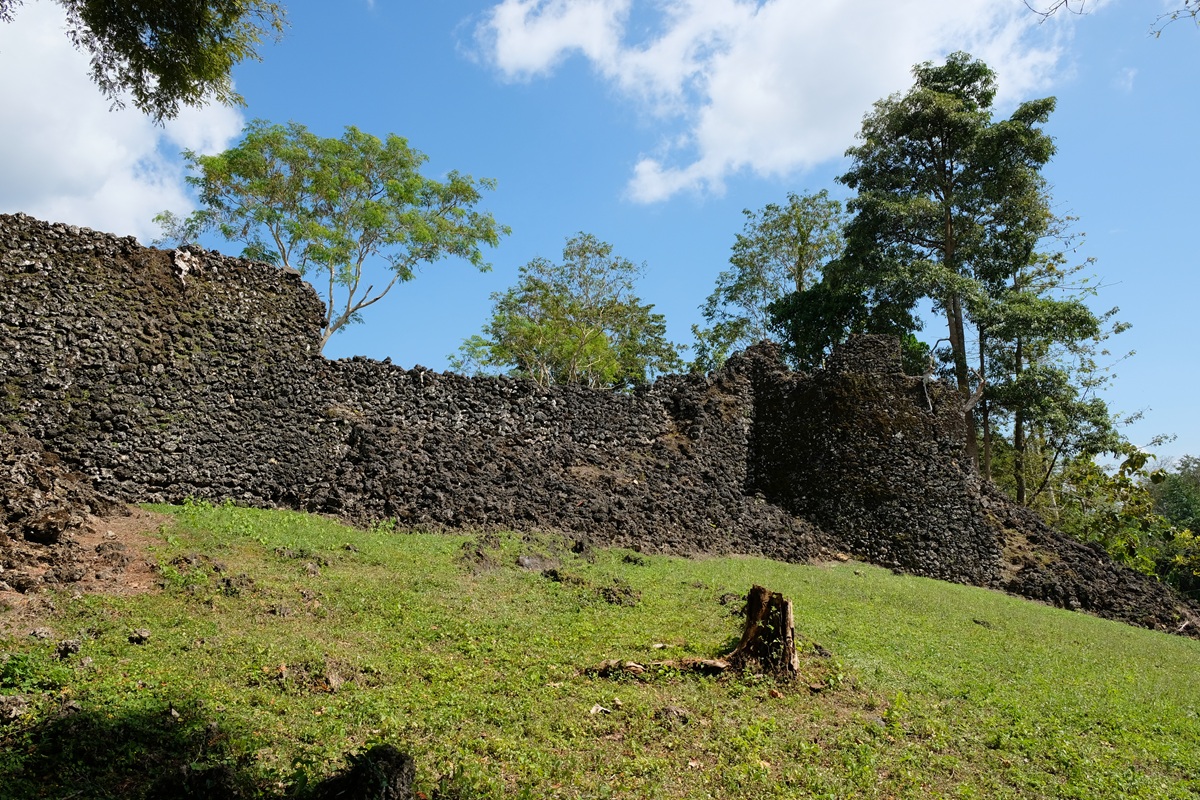
Like its sibling further downhill, Fort Sorawolio II was built to enhance the eastern fortification of Buton Palace Fortress
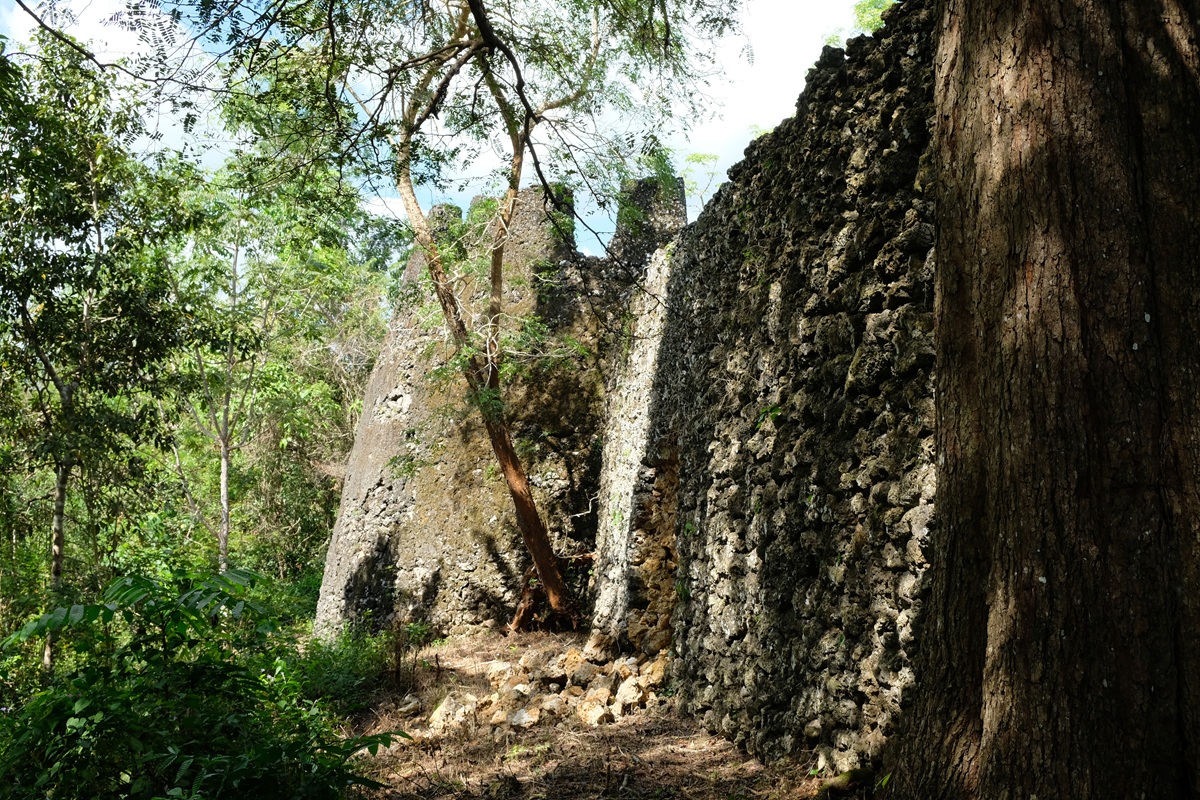
Probably my favorite corner of the second fort
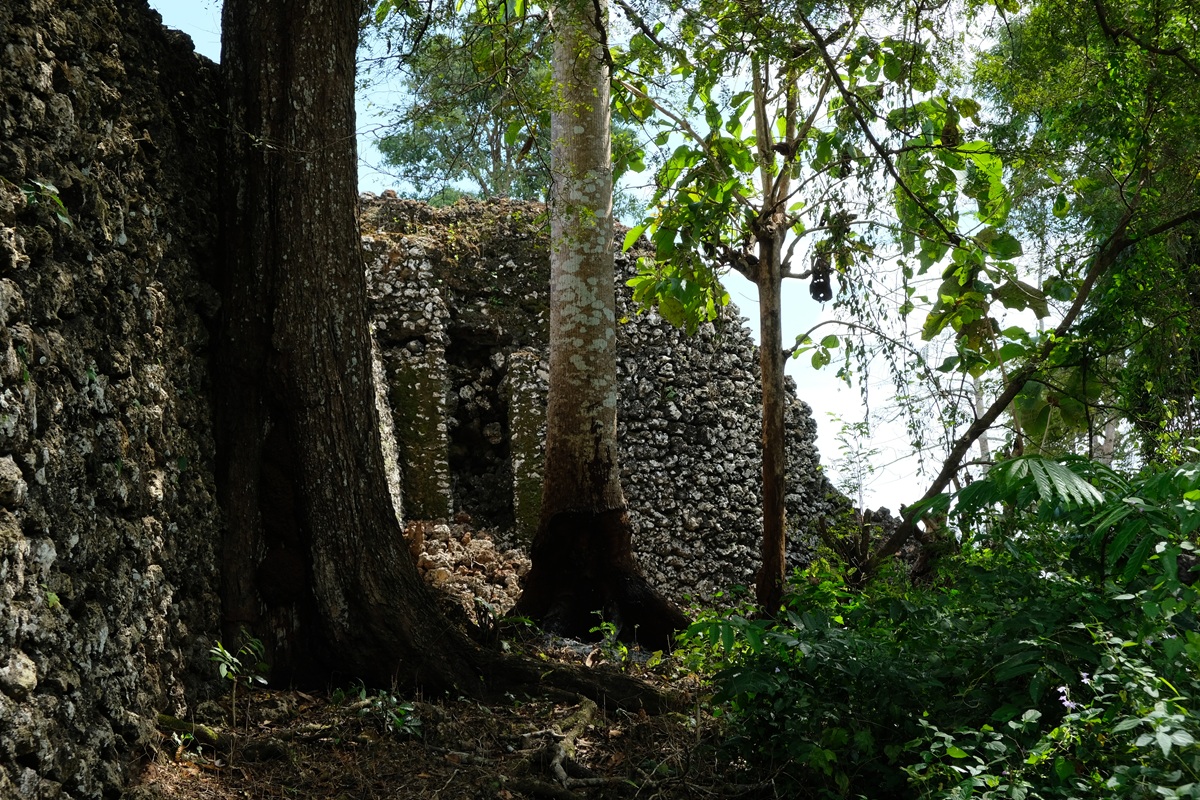
Still looking for the entrance
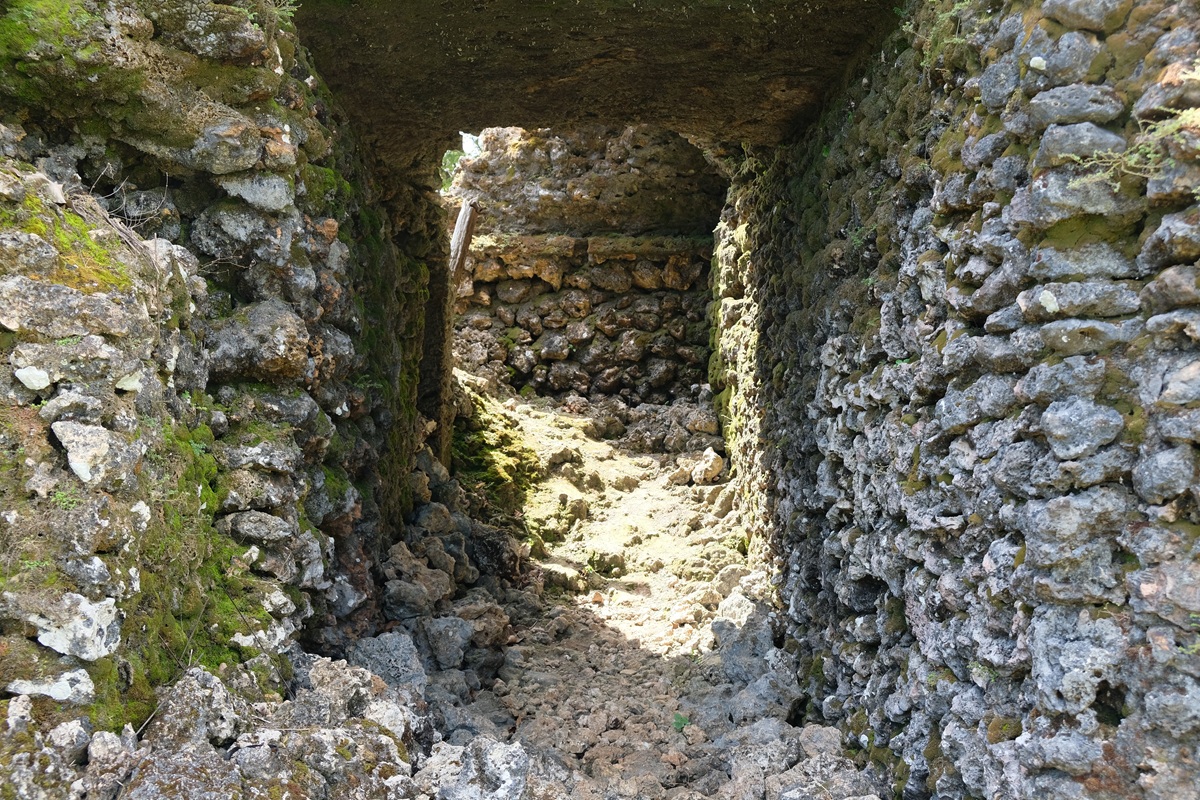
There it is!
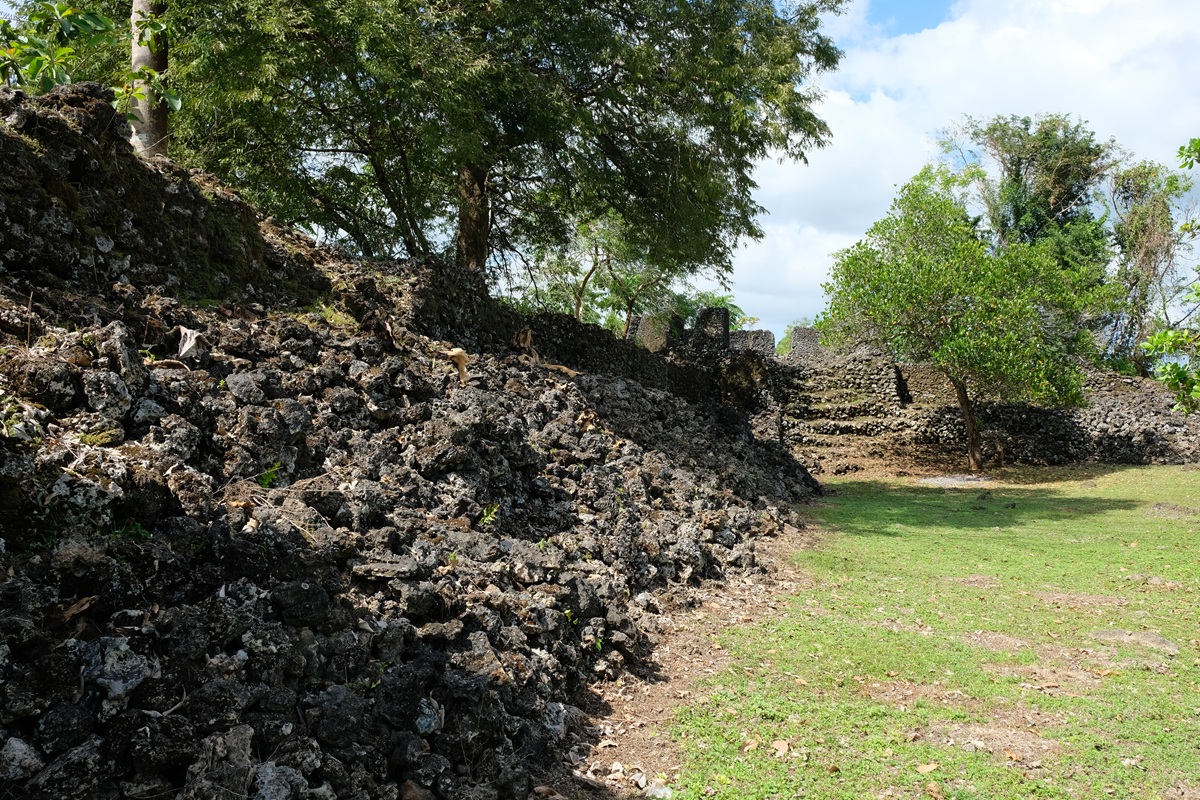
Fort Sorawolio II has somewhat a more rugged appearance
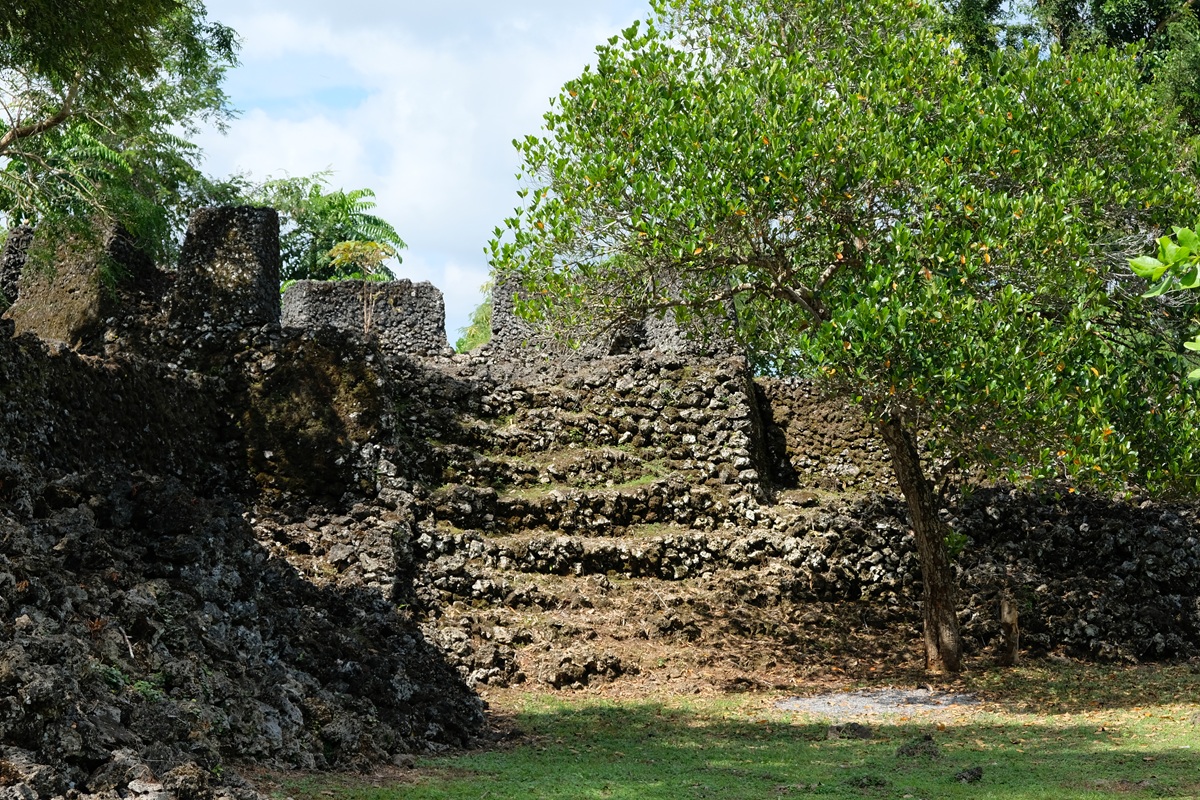
The southeastern bastion of the fortress
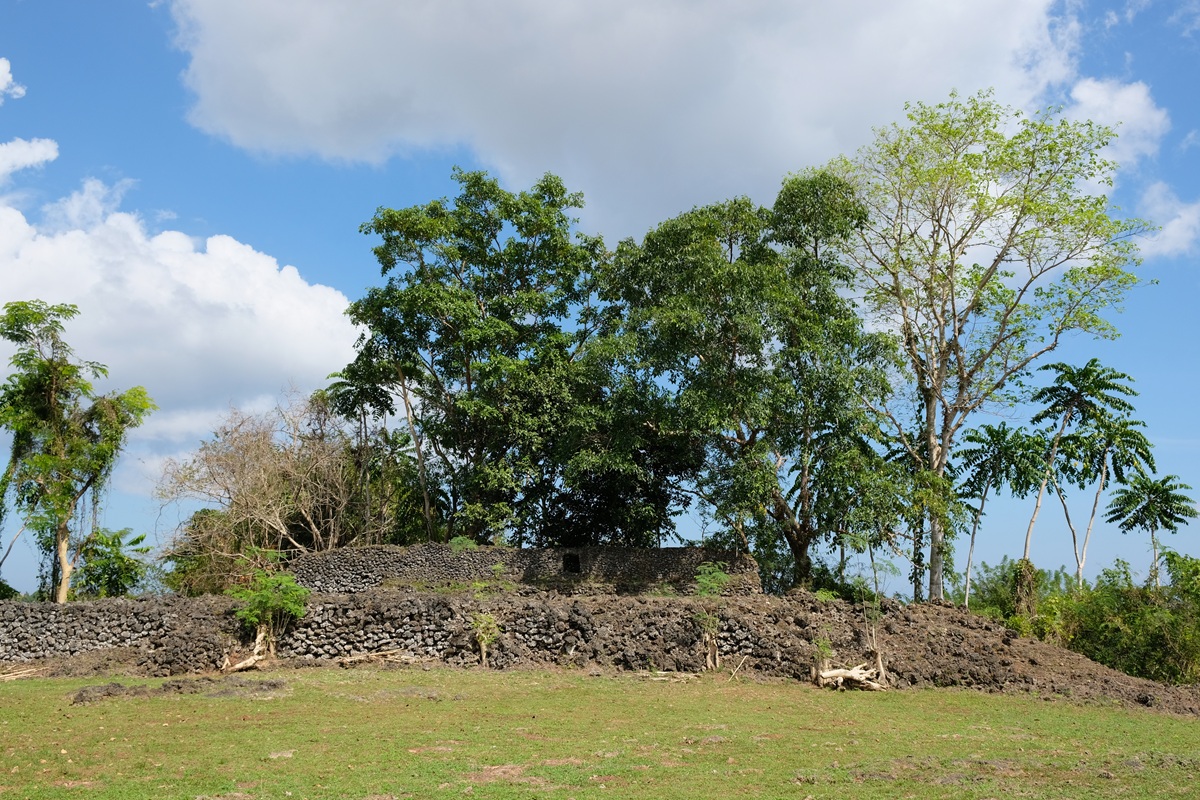
Man-made structures trying to survive amid Mother Nature’s relentless push to reclaim them
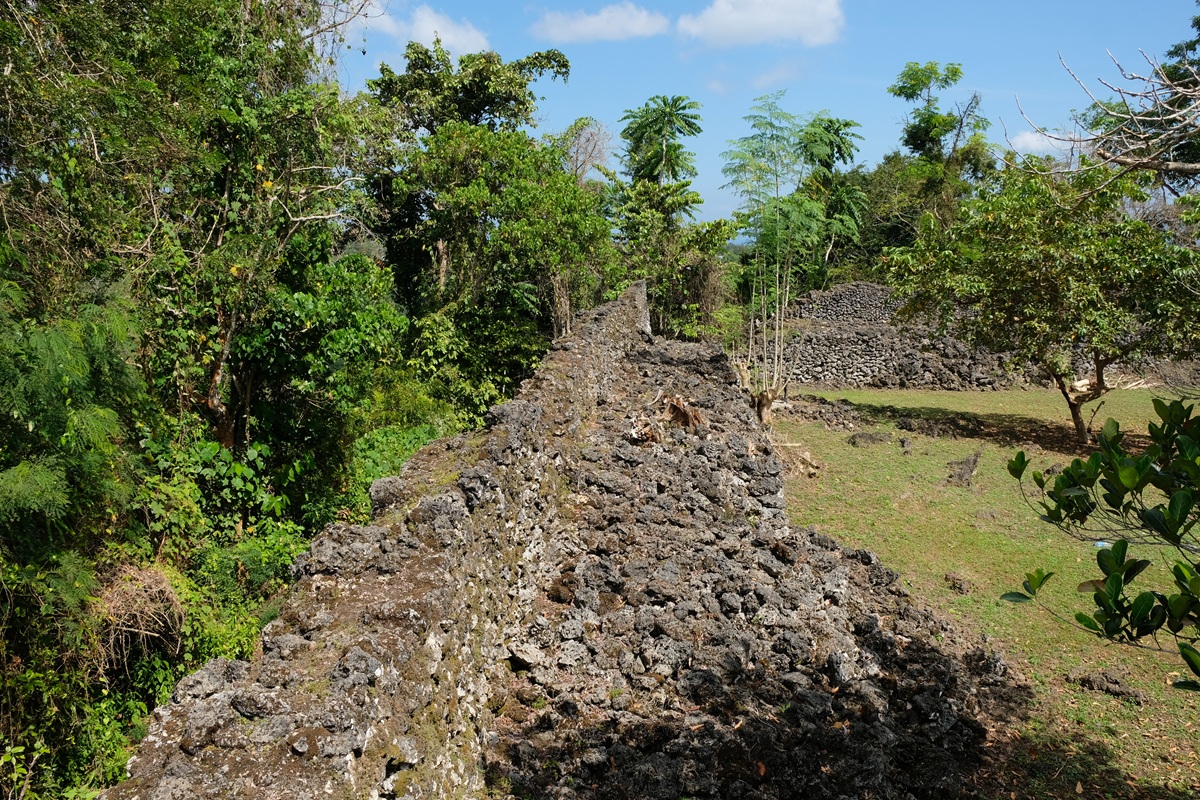
The western wall and rampart of the compound
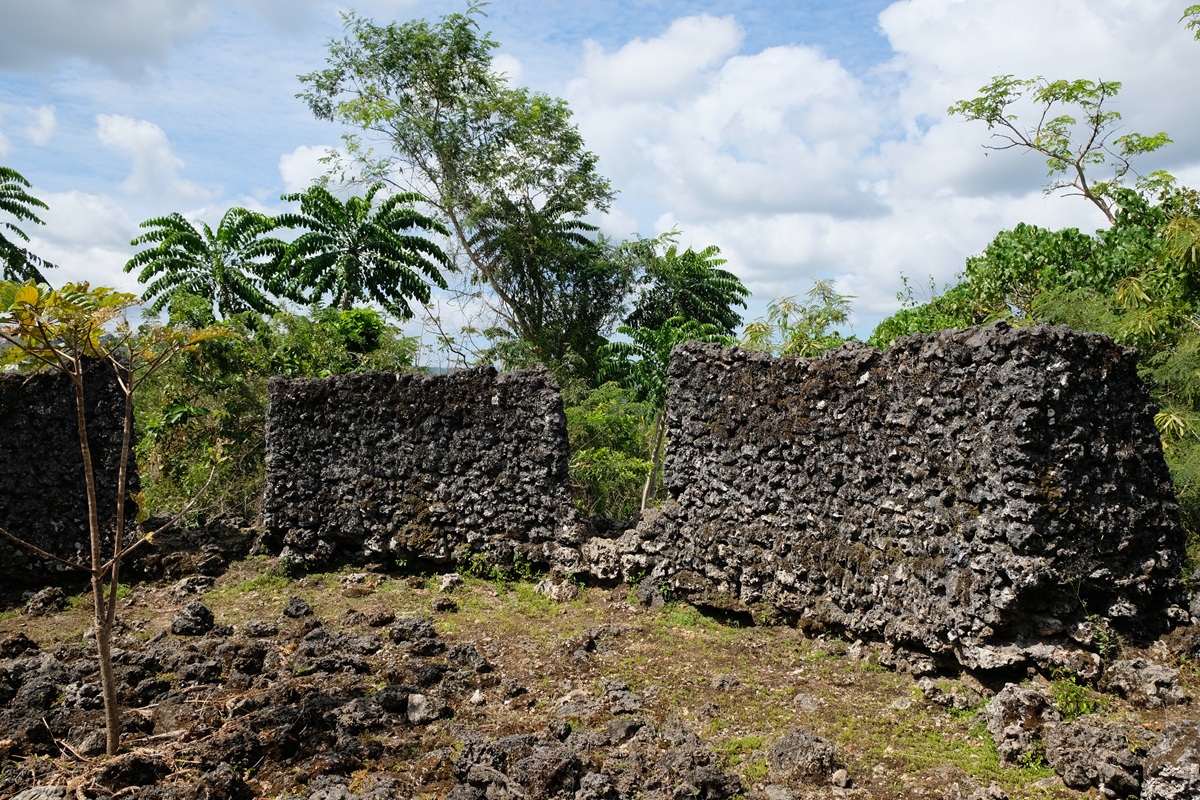
Cannons might have probably been installed here in the past
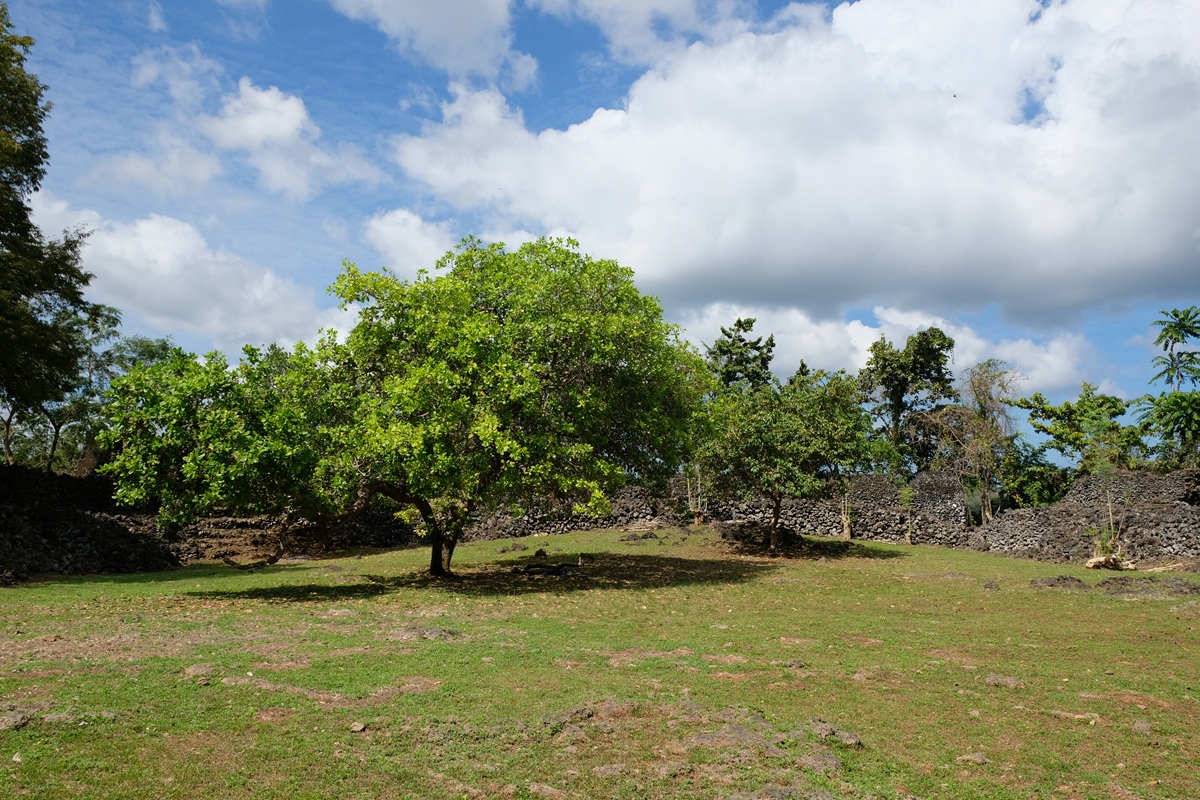
Like at the first fort, the grass here was reasonably well-trimmed


Impressive fortifications! Even more remarkable is that it wasn’t built by European power, given their massive influence throughout much of Southeast Asia. Looks like a great time spent outdoors steeped in history!
LikeLike
An intriguing exploration of Buton’s lesser-known defensive network. Fort Sorawolio II seems particularly atmospheric, with its overgrown vegetation, quiet courtyards and weathered walls. The contrast between the impressive engineering and the lack of visitors is striking. These neglected fortifications deserve better historical documentation and certainly more attention.
LikeLike