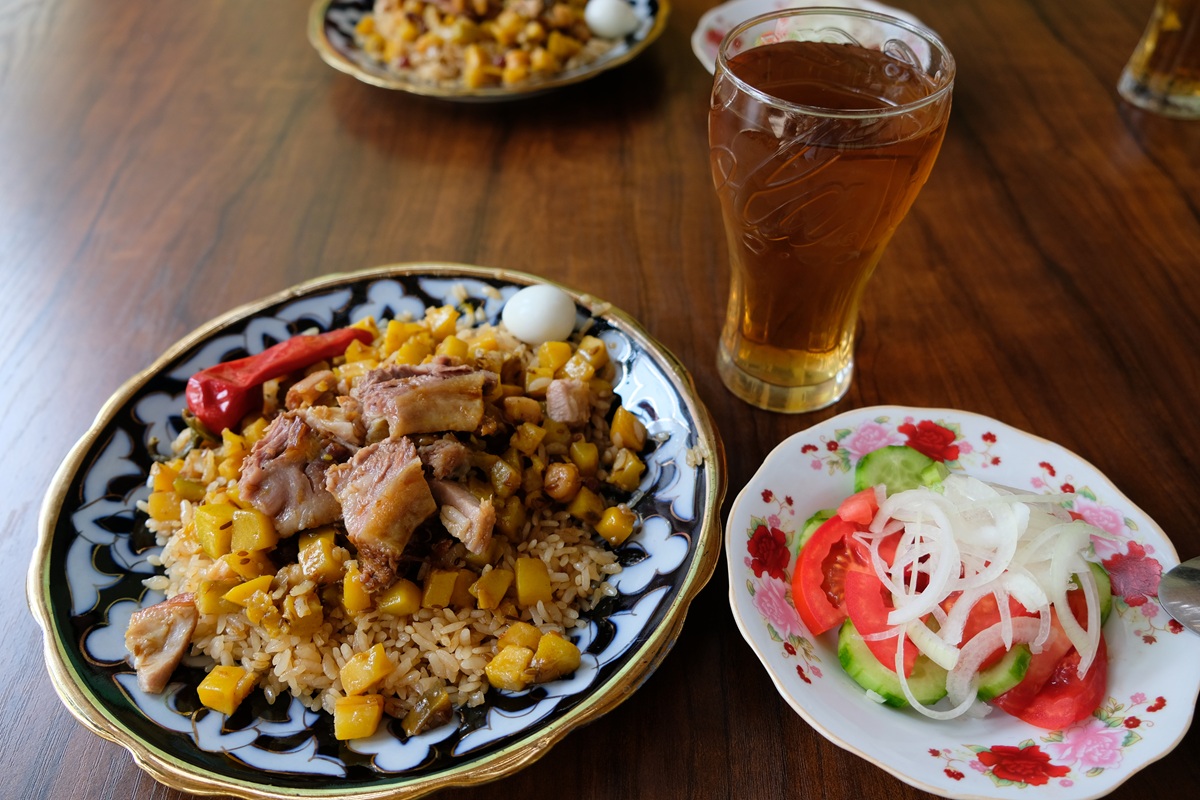
The very delicious plov we had in Samarkand, served with achichuk and a glass of homemade peach juice
Back in the days when I started developing an interest in Uzbekistan, I obviously did some research on the internet over how to get there, what places to see in the country, and what local dishes to try. While it wasn’t difficult to find results that helped me learn more about the history of the ornately decorated monuments along the ancient Silk Road cities, the same thing couldn’t be said about the Uzbekistani culinary tradition. One dish was often mentioned: plov. But not much about anything else, to the point where I got the impression that I should keep my expectations low.
Over the years, as I stumbled upon more travel articles and videos about the Central Asian nation, I began to learn that while the rice-based dish is ubiquitous in the country, it is far from being the only thing worth trying. From the curious-looking green noodles from Khiva to the very big round bread from Samarkand, there seemed to be a large variety of dishes that would keep my mouth busy when I wasn’t taking photos of those magnificent centuries-old mosques and madrasahs. And horse meat? That was definitely out of my comfort zone.
By the time James and I left for Uzbekistan for a two-week trip in 2024, we already had an idea of what dishes to try during our stay. But we were also careful to manage our expectations, for this country is not known as a big foodie destination. When we took a spoonful of our first proper meal there, however, our taste buds were pleasantly surprised by the wonderful burst of flavors that suddenly opened a whole new world for us. In this final post from my Uzbekistan series, I will share with you the wide variety of local cuisine that we sampled throughout our journey. And there is no better place to start than Samarkand, the home of the majestic Registan compound. After all, it is the site that draws people from all over the world to visit this double-landlocked country in the first place.
Samarkand
The Spanish-made high-speed train whisked us from the capital Tashkent to Samarkand in just 2 hours and 15 minutes (as opposed to 3.5 to 4.5 hours on the older, slower trains). And once we had checked in at our modest hotel which was just a short walk away from the Registan, we immediately looked for a place to have lunch since we only had a light breakfast earlier that day. As it happened, the family that managed the accommodation also ran an adjacent plov restaurant. And that was exactly where we went, out of convenience. Each of us ordered a portion of this emblematic Uzbek dish, that is apparently also common across Central Asia, which came with a small plate of sliced tomato-and-cucumber salad – also known as achichuk. To wash down the meal, we had homemade peach juice served in a Coca-Cola glass.
The plov (also known locally as osh) was a revelation. Appearance-wise, it gave the impression of yet another version of fried rice. But as I took spoonful after spoonful of the dish, the tender beef rib chunks, the moist rice with each of its grains perfectly coated in the sweet and savory seasoning, and the diced ‘potatoes’ all together made my taste buds dance. The red chili pepper and a hard-boiled quail egg on the side made the dining experience all the more enjoyable. The following day, as we set out to explore more of the city’s historical monuments, we saw the dish being prepared. We asked the cook about the ingredients, and he happily listed out what he used. Apart from the obvious, he also added yellow carrots (which we initially mistook as potatoes), raisins, and chickpeas, all cooked in three kinds of oil: sesame, walnut, and pistachio. No wonder it tasted so heavenly!
A few steps away from where we stayed was another restaurant called Shokhrukh Nur that served good-quality Uzbek dishes with a heavy focus on shashlik (kebabs). We ordered a trio of skewered lamb loin, beef rolls, and lamb tail fat (described on the menu as “lamb buttock”), along with a medley of other Uzbek delicacies including shurpa (meat and vegetable soup cooked with red carrots, potatoes, and chickpeas which was then sprinkled with dill and coriander) and lagman (inspired by the Uighur take on ancient Chinese pulled noodles). The dishes that appeared before our eyes were a testament to centuries of cultural exchange among the nomadic peoples across Central Asia before modern-day national borders were drawn. The highlight, however, was the melt-in-your-mouth lamb tail fat which we had tasted for the first time in Beirut five years prior. The waiter made sure we knew what we were ordering, with slight concern on his face.
But perhaps there is no other dish from Samarkand more storied and legendary than the fabled non, a traditional round bread baked in a clay oven known as a tandyr (or tandoor). At Siyob Bazaar, located next to the massive Bibi-Khanym Mosque, there is even a section dedicated to this beloved staple for the locals. Of course, we had to buy one – which turned out to be bigger and heavier than what I had anticipated – and it was still warm. We then explored other aisles of the market where a wide array of different spice mixes and a plethora of dried fruits filled every basket and plastic container on display. We stopped by one of the stalls to buy a small amount of powdered plov seasoning. After paying, each of us was given a dried apricot filled with walnut for free. Only a few steps after we walked away while munching on the freebies, we looked at each other and came up with the same idea: we went back to the same stall to buy half a kilogram of this snack, for not only was it really good, but also healthy. Such a clever marketing tactic!
Legend has it that there was once a khan (local ruler) from Bukhara who was smitten with the non of Samarkand after visiting the city. He then had a local Samarkandian baker taken to Bukhara to make him this specific bread every day. However, it didn’t turn out quite the same. Furious, the khan demanded an explanation. The baker said it was because of the flour, and the water. The ruler first had flour, then water, from Samarkand sent to his new baker. But still, the end result was never as tasty as the one he tried in Samarkand. The baker eventually told him that the missing ingredient was the air of Samarkand. As it was an impossible task to transport the air of Samarkand to Bukhara, the emir then relented and let the baker return to his hometown.
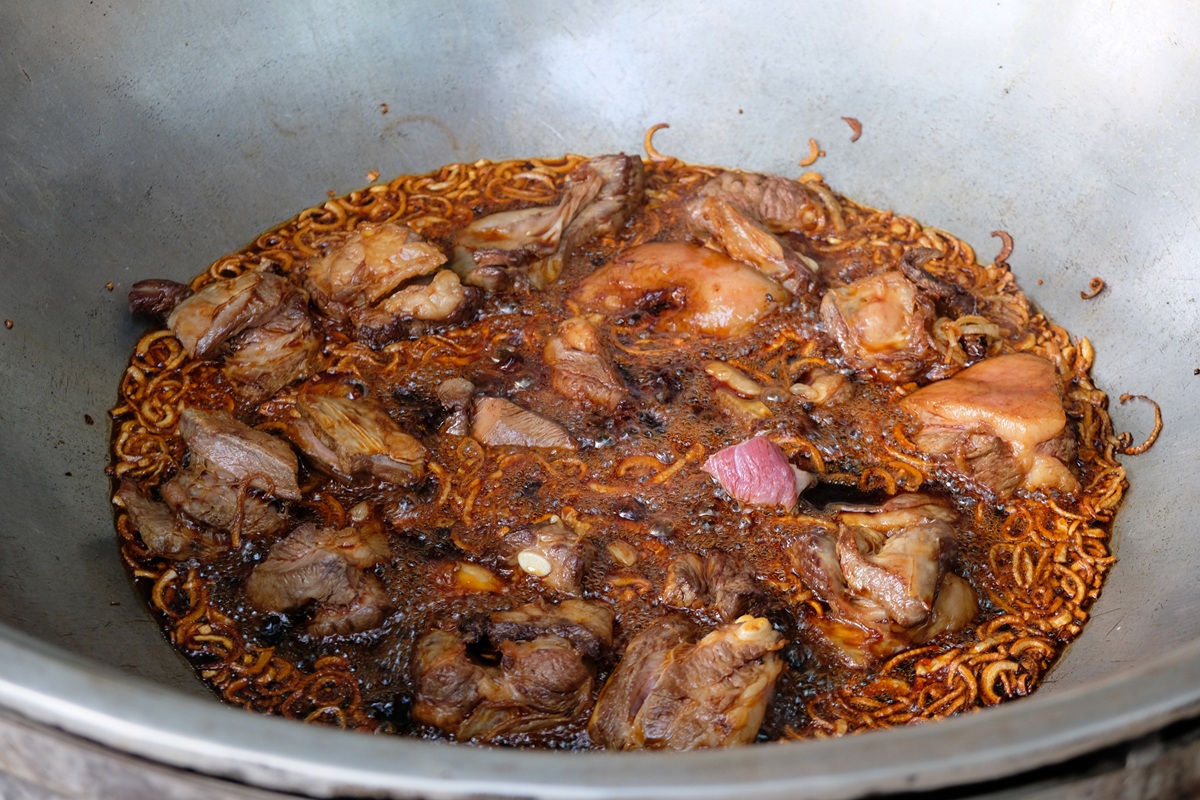
Cooking the meat for plov in three different oils
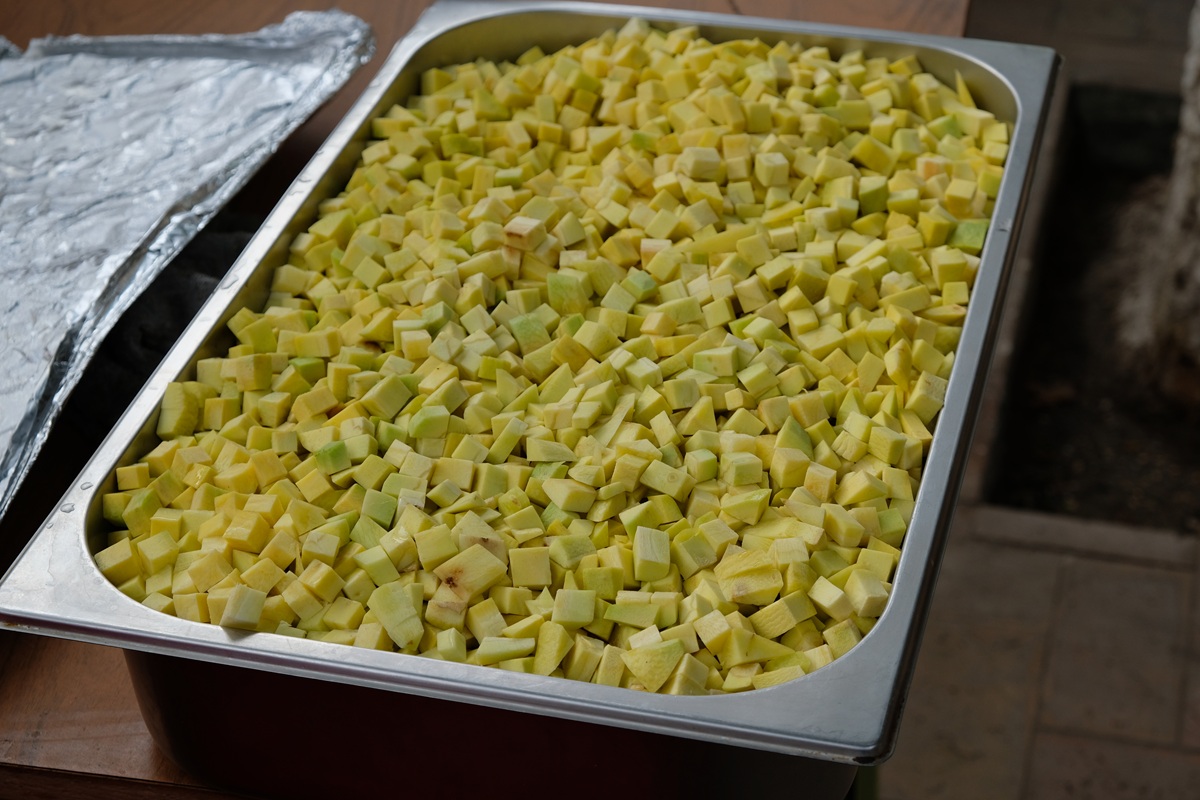
Central Asia’s yellow carrots
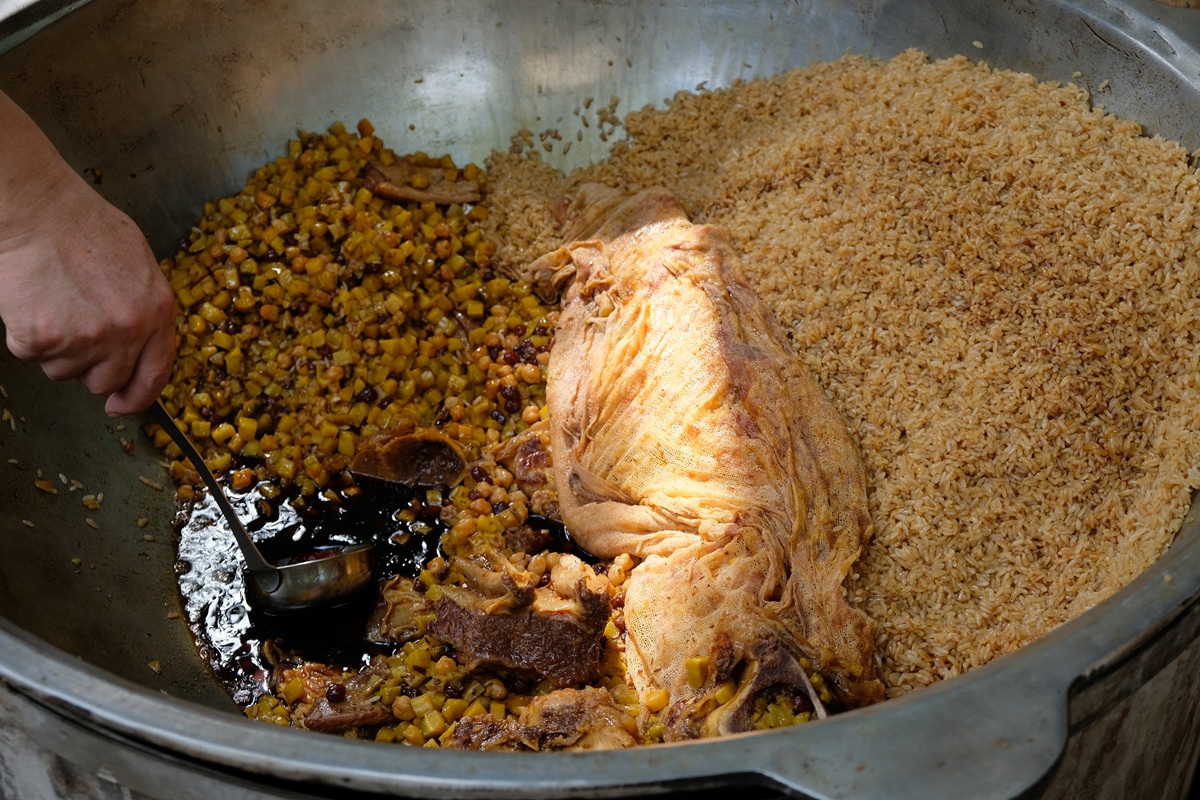
Plov, ready to serve
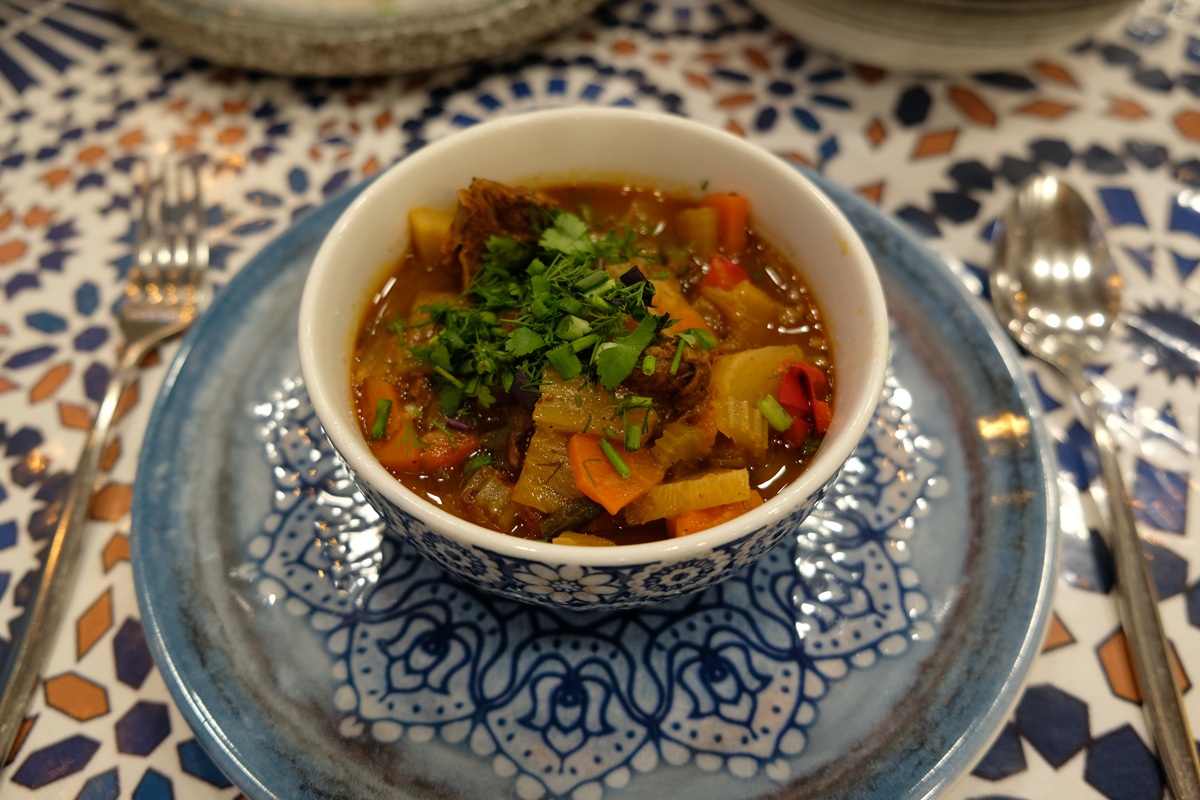
Our first lagman in Uzbekistan was at Labi Gor, a rather touristy restaurant across the street from the Registan
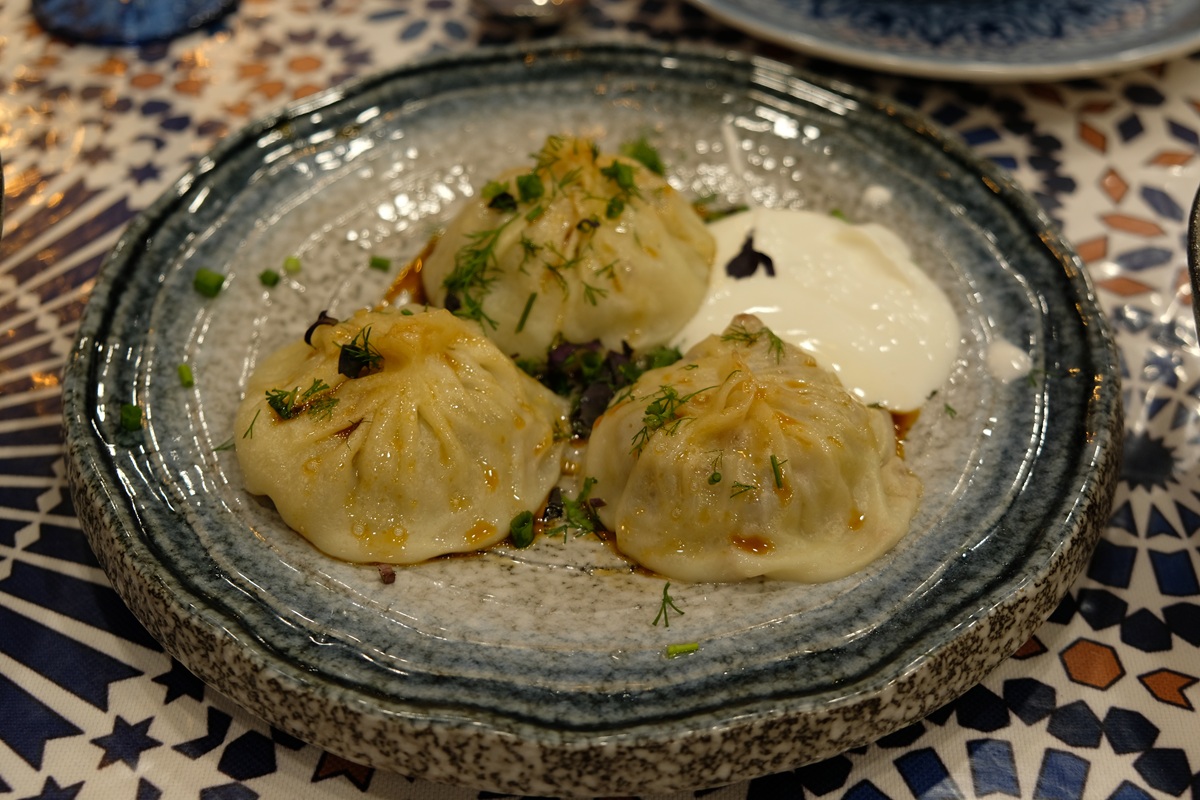
Uzbek manti (steamed dumplings) served with sour cream
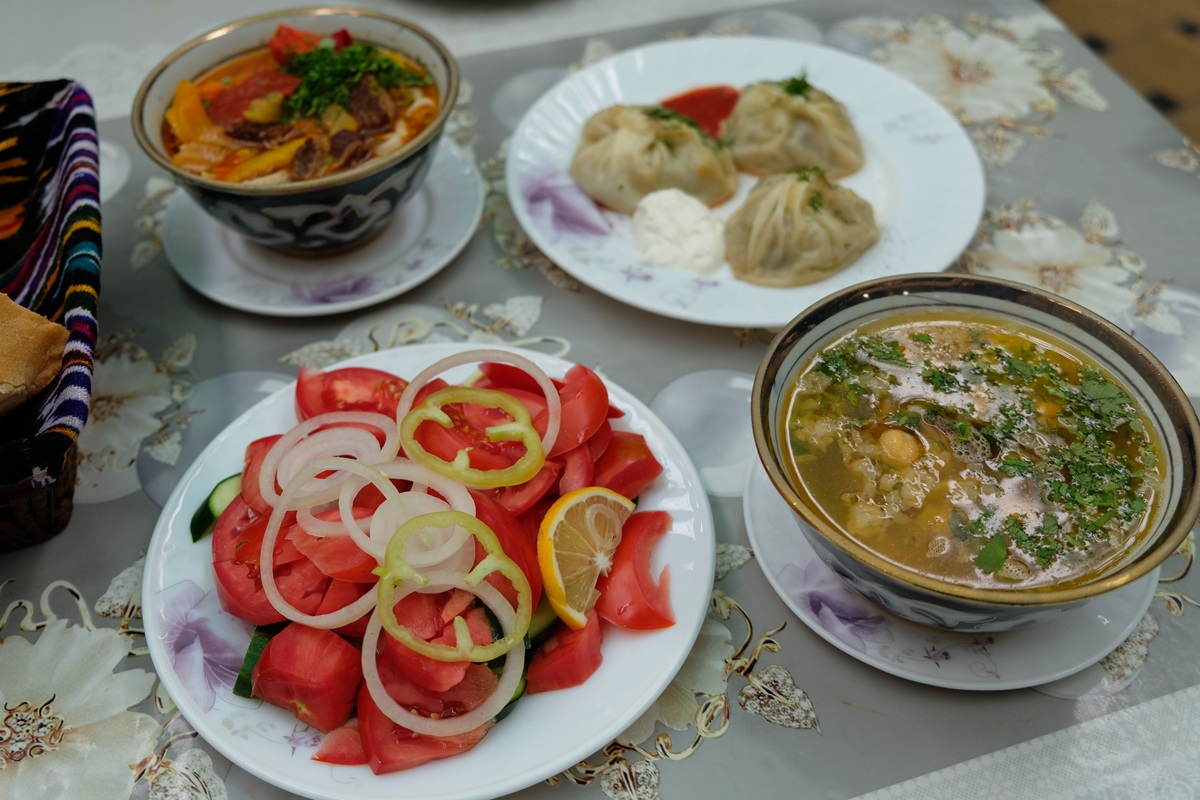
Trying shurpa, manti, lagman, and achichuk at Shokhrukh Nur
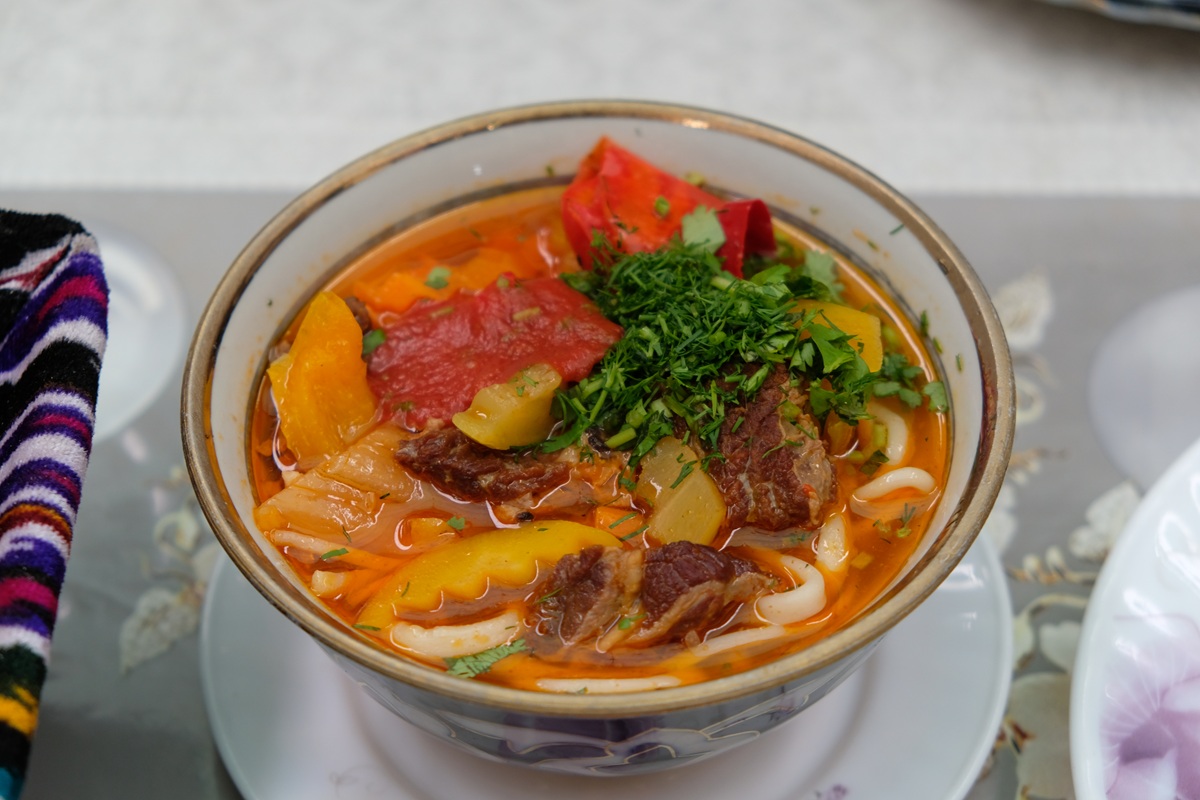
We preferred Shokhrukh Nur’s version of lagman
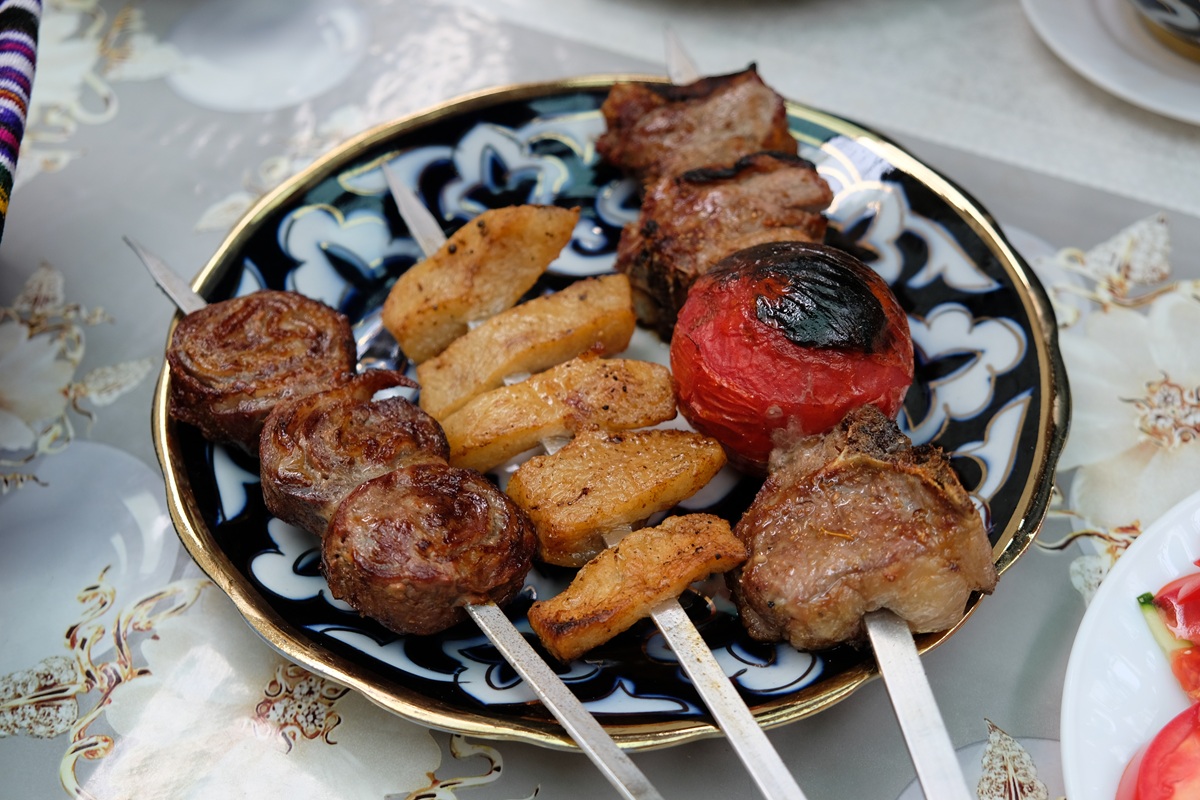
A trio of shashlik (from left to right: beef roll, lamb tail fat, lamb loin)
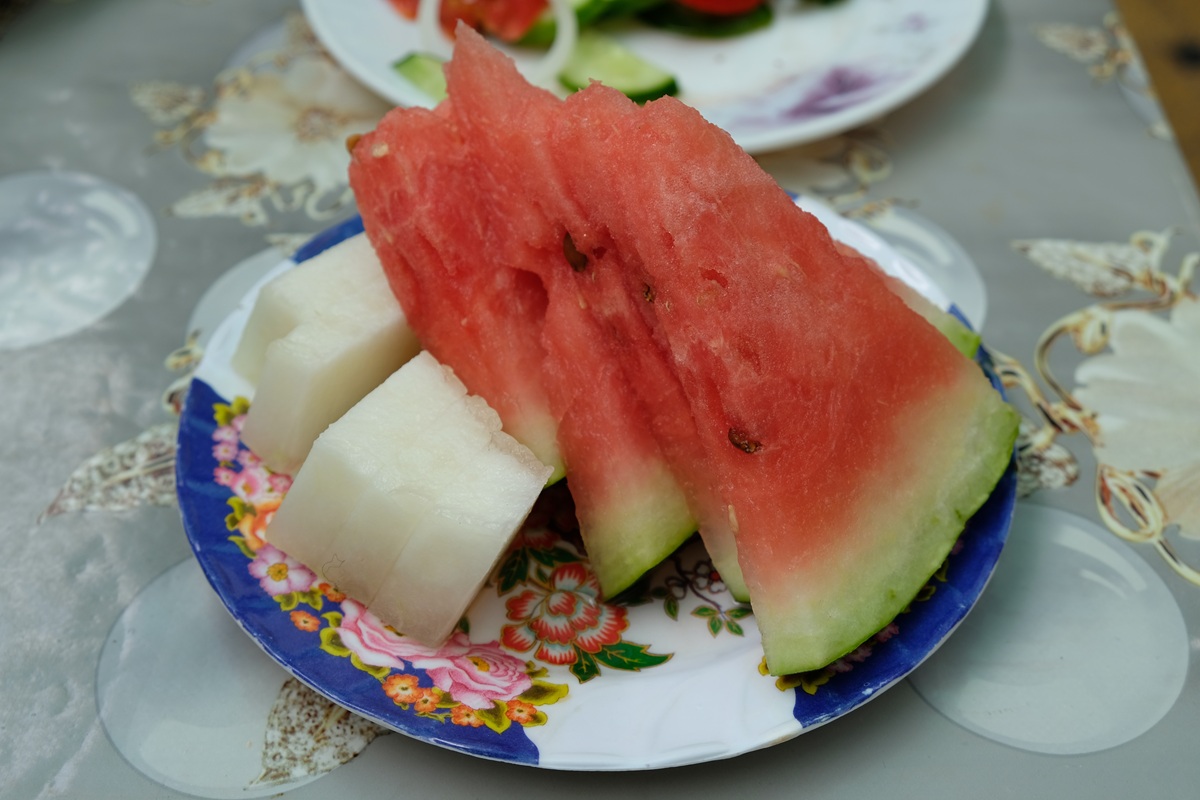
Slices of sweet watermelon and melon Uzbekistan is known for
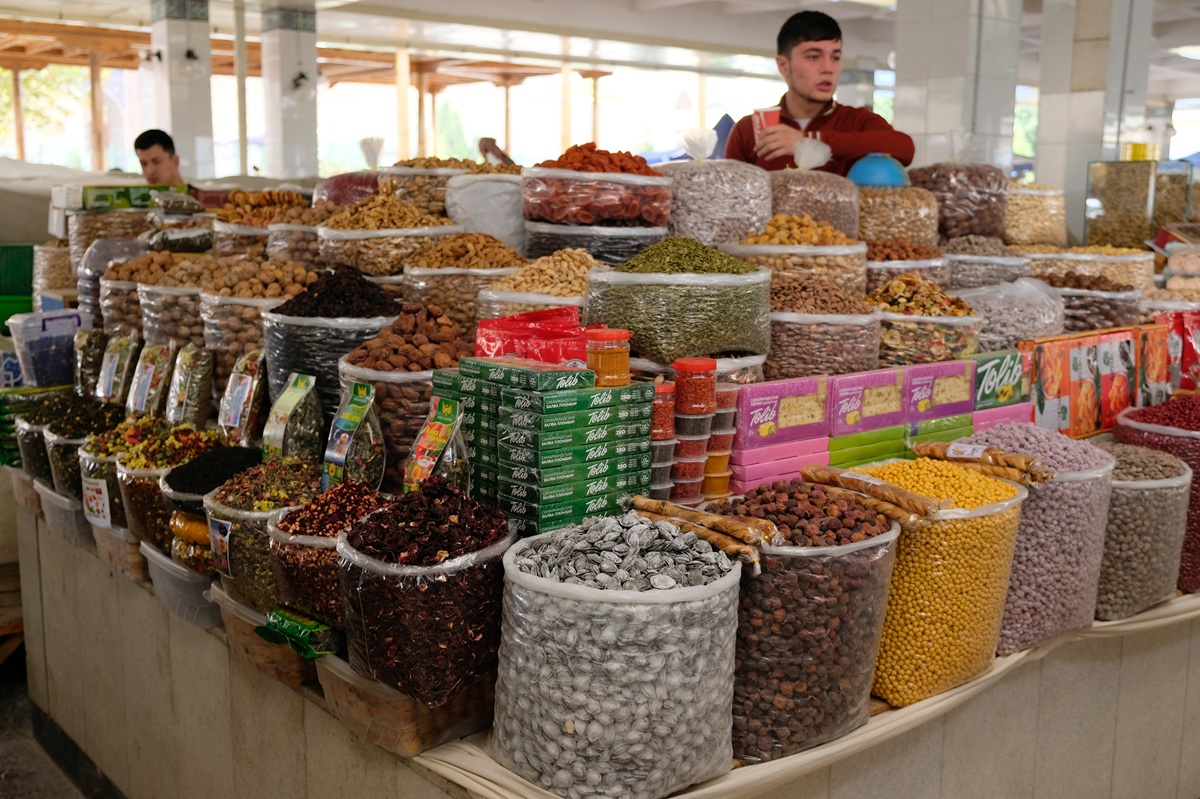
Dried fruits, nuts, and herbs at Siyob Bazaar
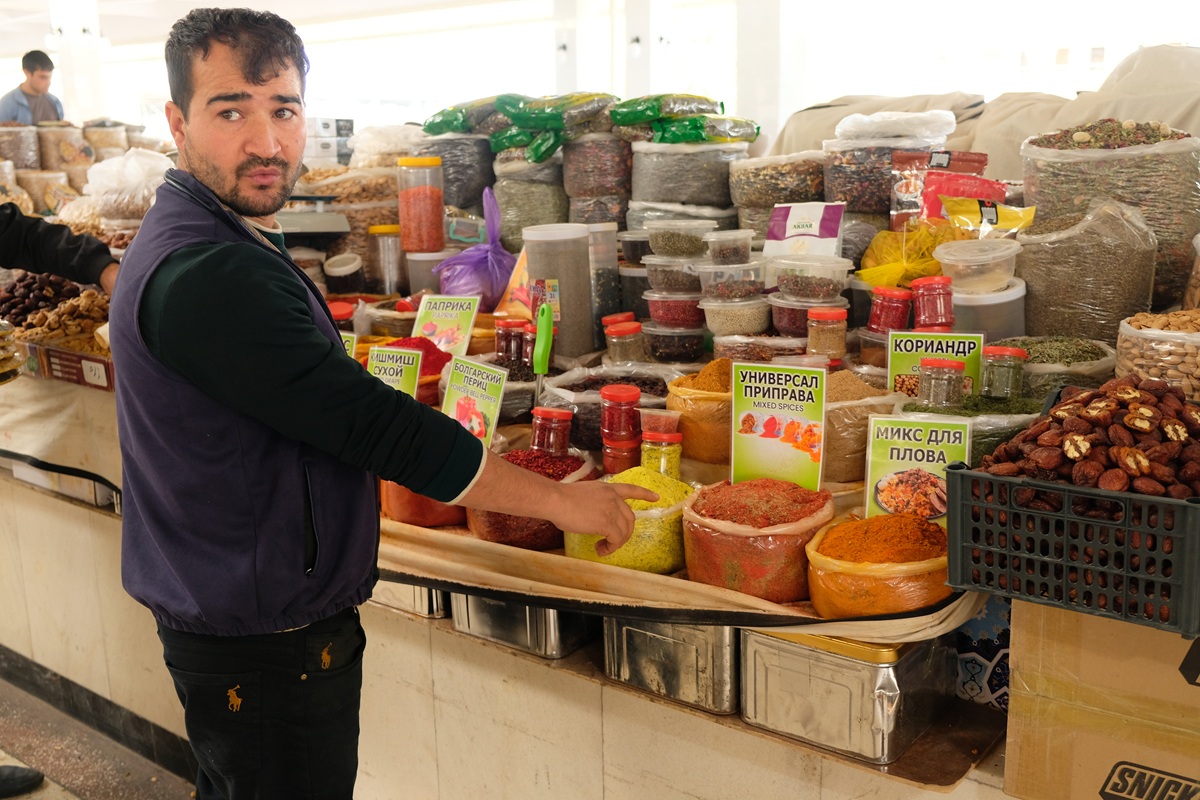
The vendor pointing at what we wanted to buy (spelled in Cyrillic which is pronounced “miks dlya plova”, or spice mix for plov)
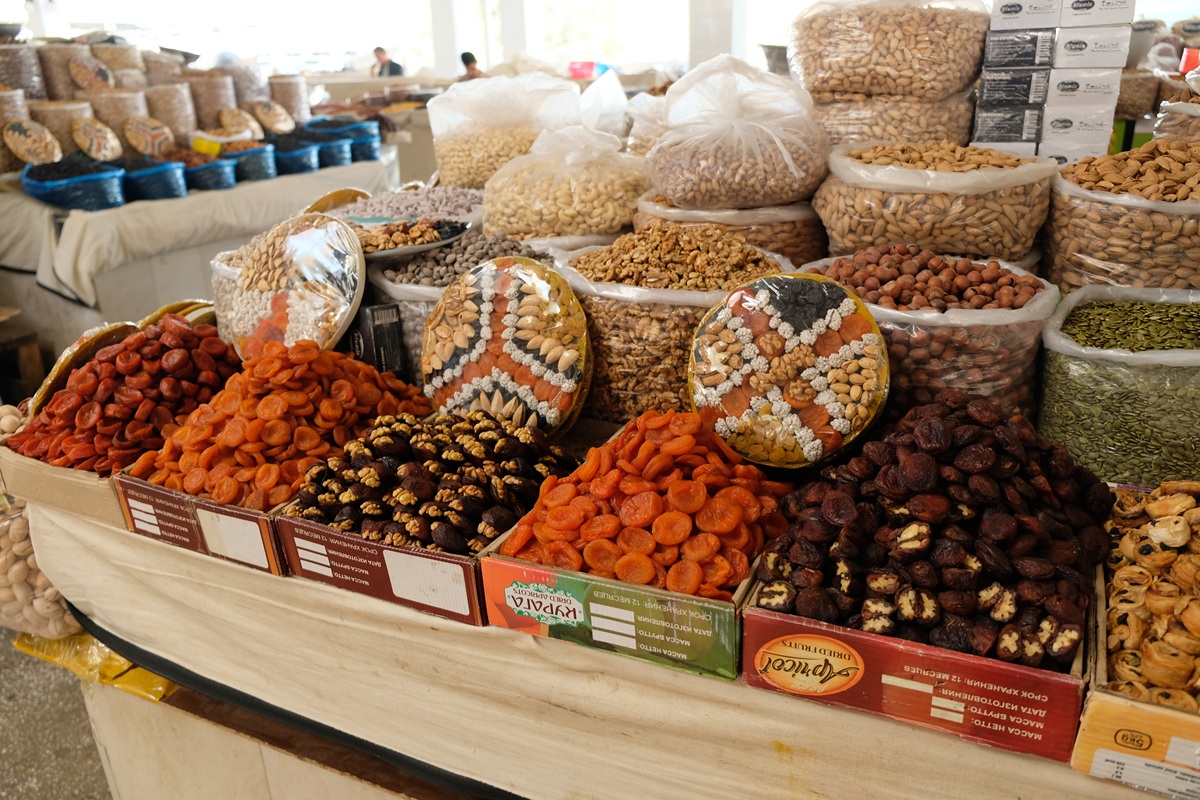
We ended up buying some dried apricots filled with walnuts as well
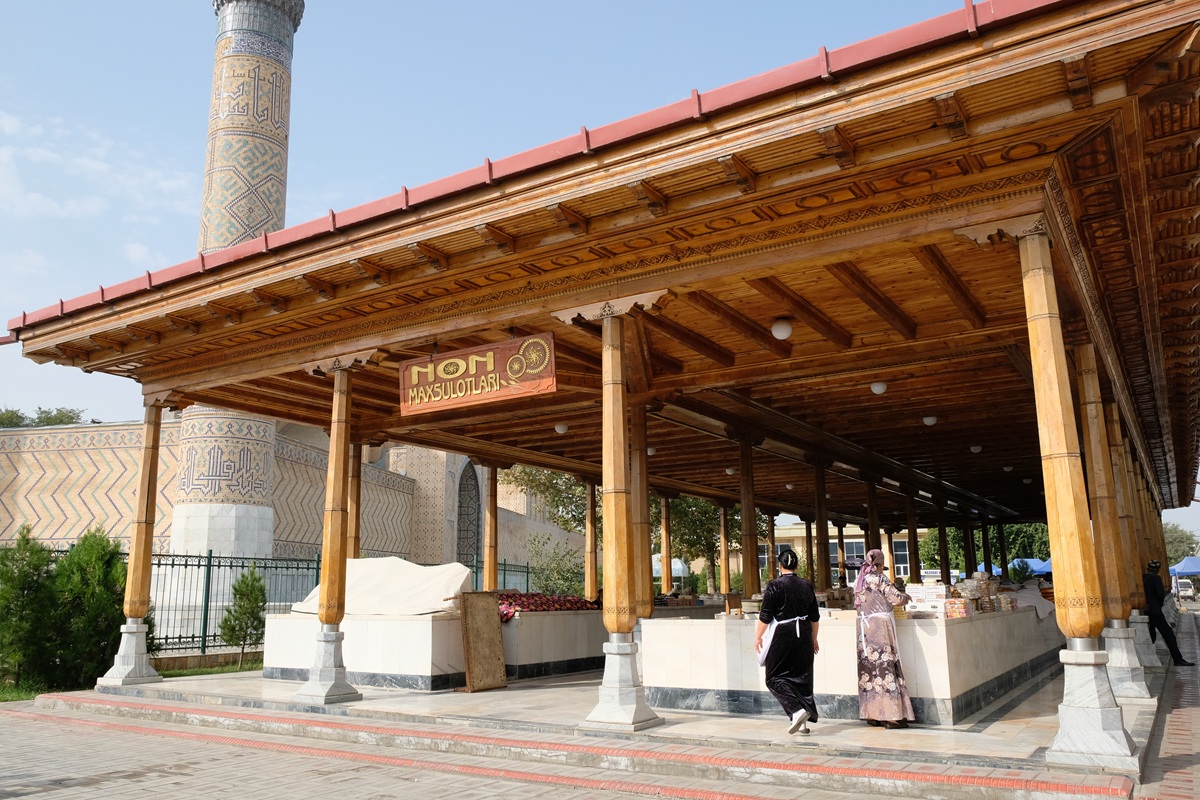
The non section of Siyob Bazaar (with parts of the Bibi-Khanym Mosque visible to the left)
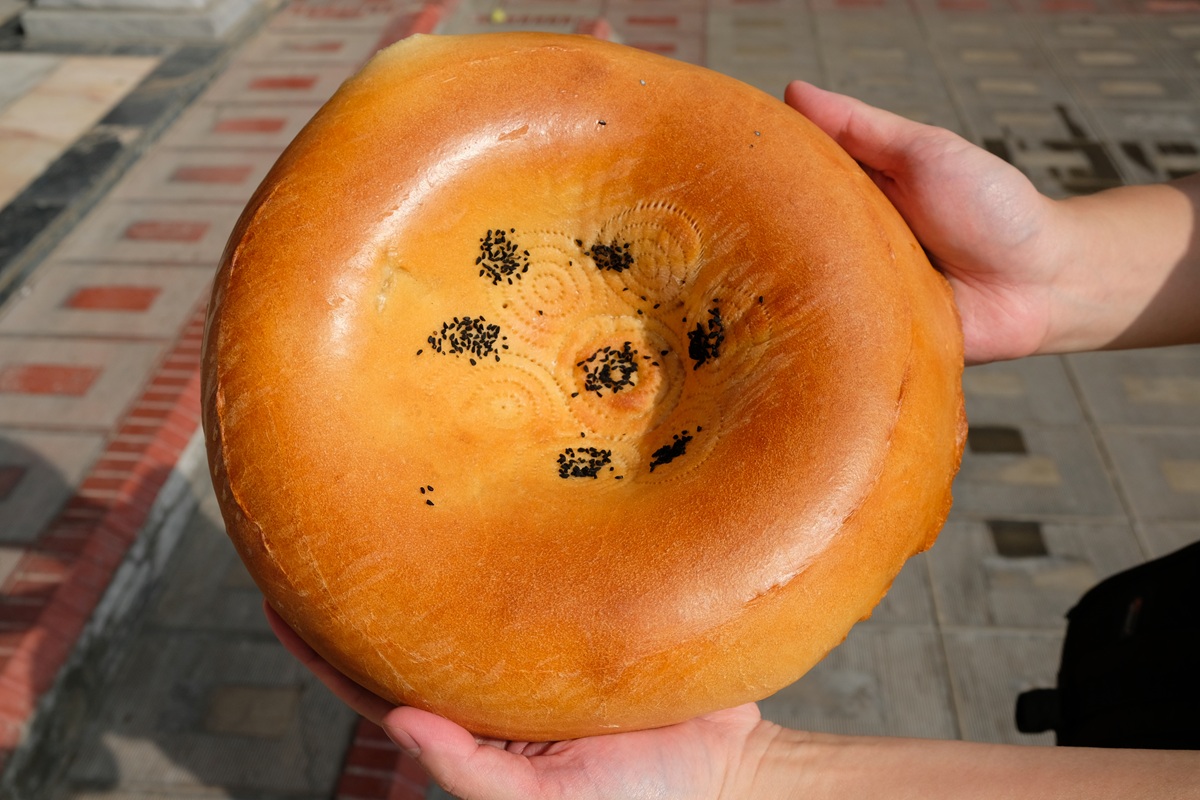
We slowly snacked on this large non together with the dried apricots throughout our journey in Uzbekistan
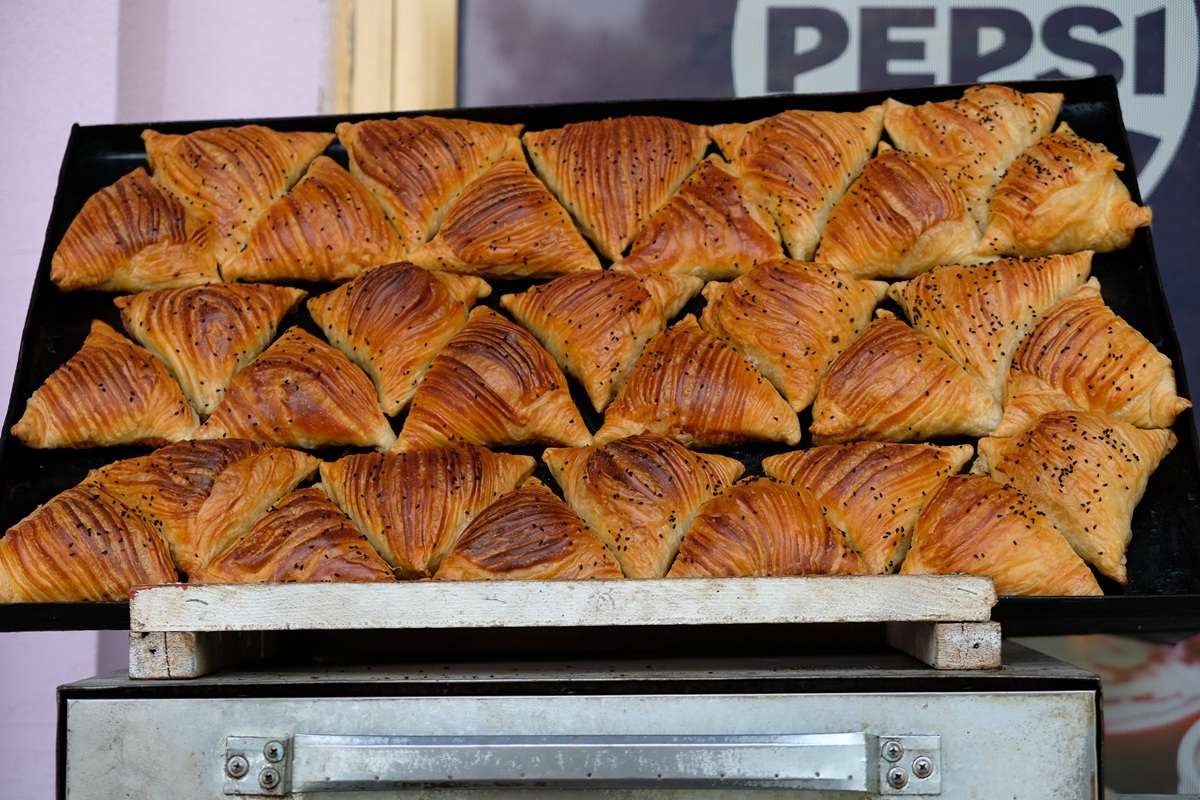
Don’t these somsas look beautiful?
Bukhara
Before we arrived in this city, we already had one restaurant in mind to try more Uzbek dishes: a place called Joy Chaikhana & Lounge. I first learned about it from a Euronews documentary I had watched prior to the trip and rewatched it with James when we were in Samarkand. In the video, the restaurant’s chef is said to have inherited the recipes from his great-grandfather who happened to be the personal cook for the last emir of Bukhara. For our first meal in the city, however, we went to a modest eatery just minutes away on foot from the quiet residential neighborhood where we stayed.
Samsushka was a road-side diner that catered to a largely local clientele. The owners were a friendly husband-and-wife team who served a variety of hearty local dishes. On our first visit, we tried their somsa (a cousin of samosa) with four different fillings to choose from: beef, chicken, pumpkin, and potato. While we had sampled Uzbek somsas before in Tashkent, the ones we had at this place were much tastier and flakier – they turned out to be the best somsas we had in the country. Satisfied with the food, we ended up returning here multiple times to try more of what they had to offer: from plov (the Bukharan version, we learned, has julienned red carrots in addition to other ingredients), chuchvara (boiled dumplings filled with meat), and their own rendition of lagman and shurpa. For some reason, their potato somsa eluded us as they always ran out of it every time we came.
When we finally went to Joy, we were seated at a traditional wooden divan with a raised table in the middle of it, situated in the skylit central courtyard of the historical building. It’s located at the heart of Bukhara’s old town, and the ambiance certainly evoked a bygone era when this city was frequented by camel caravans instead of tourists. The fun thing about traveling with James is that since he’s a true foodie at heart, he’s always game for trying different dishes, especially those we can’t find in our part of the world. Here, we ordered the house’s version of plov, dimlama (a stew of pike perch fillet with tomatoes, onions, and spices), chakka (thick yogurt), and kadu barak (Uzbek-style ravioli with pumpkin filling). Everything was decent, although to be honest none of these specialties really blew our minds.
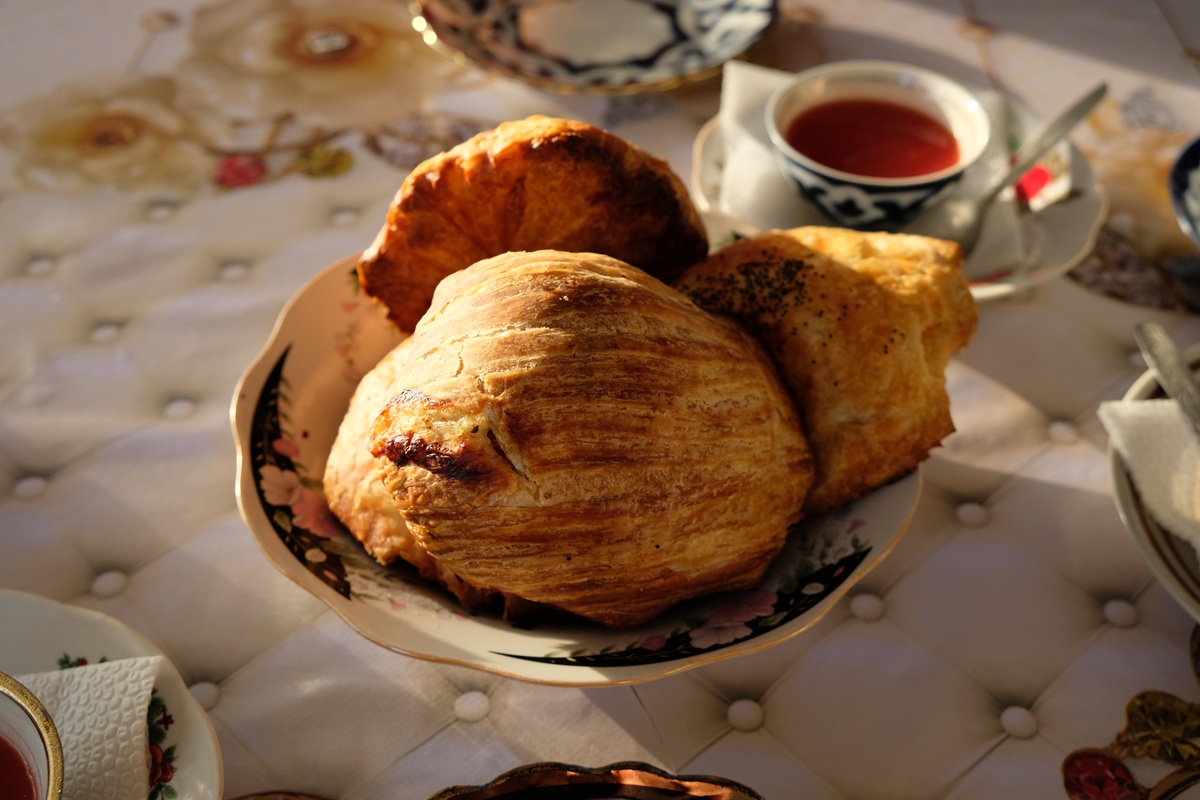
The best somsas we had in Uzbekistan were the ones at Samsushka
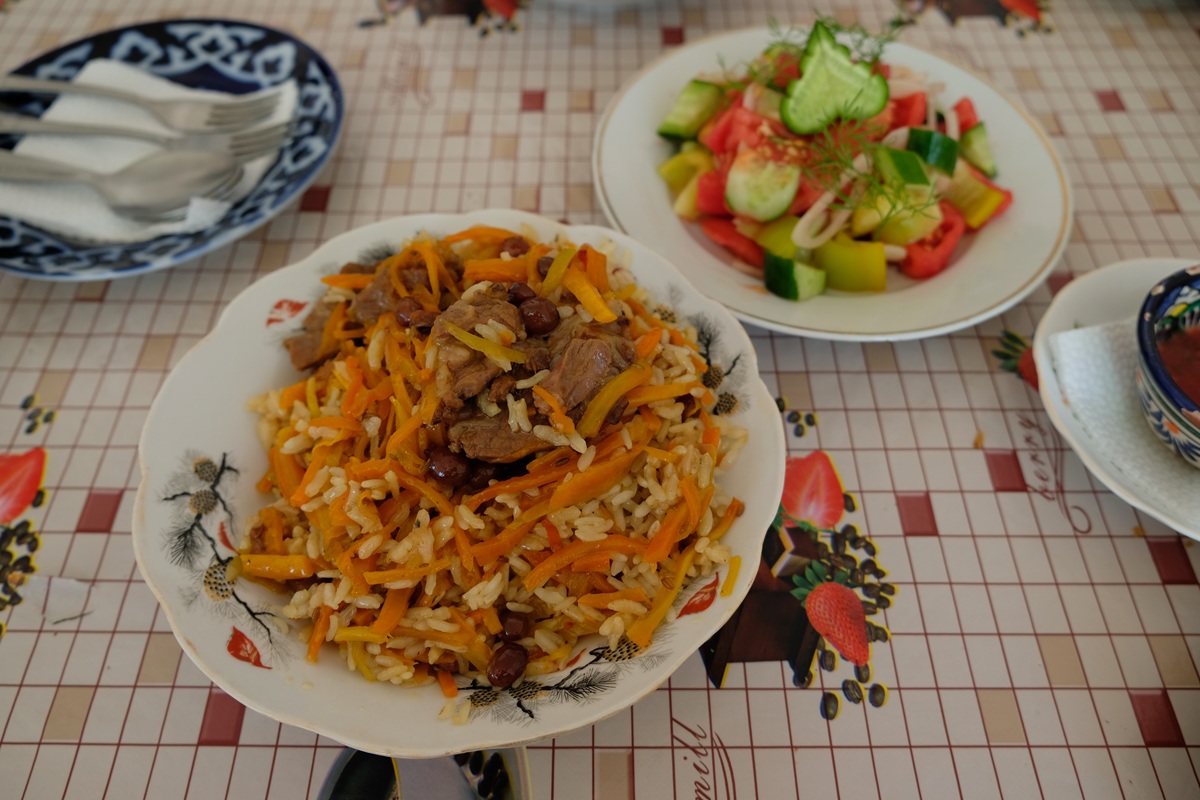
The eatery’s take on plov, with achichuk on the side
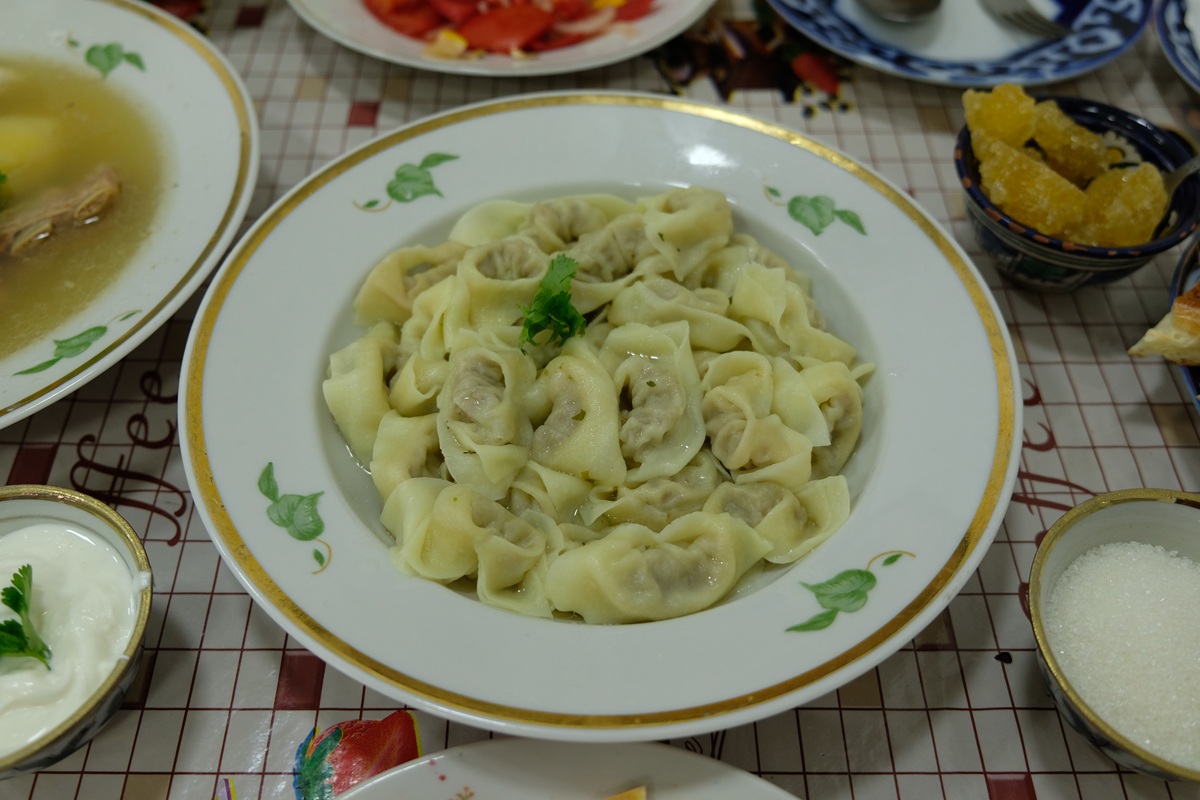
Samsushka’s dishes were often simple, yet very comforting, like these chuchvara
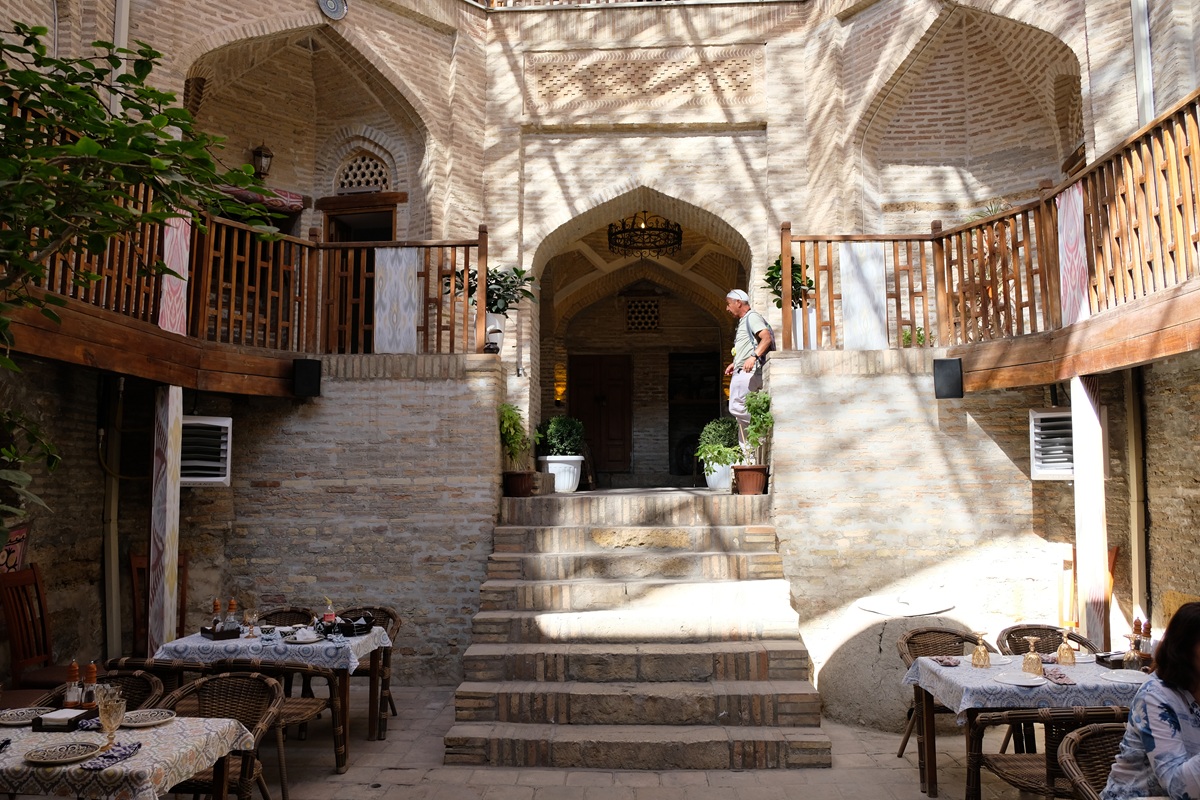
Joy Chaikhana & Lounge, a popular restaurant at the heart of Bukhara’s historic district
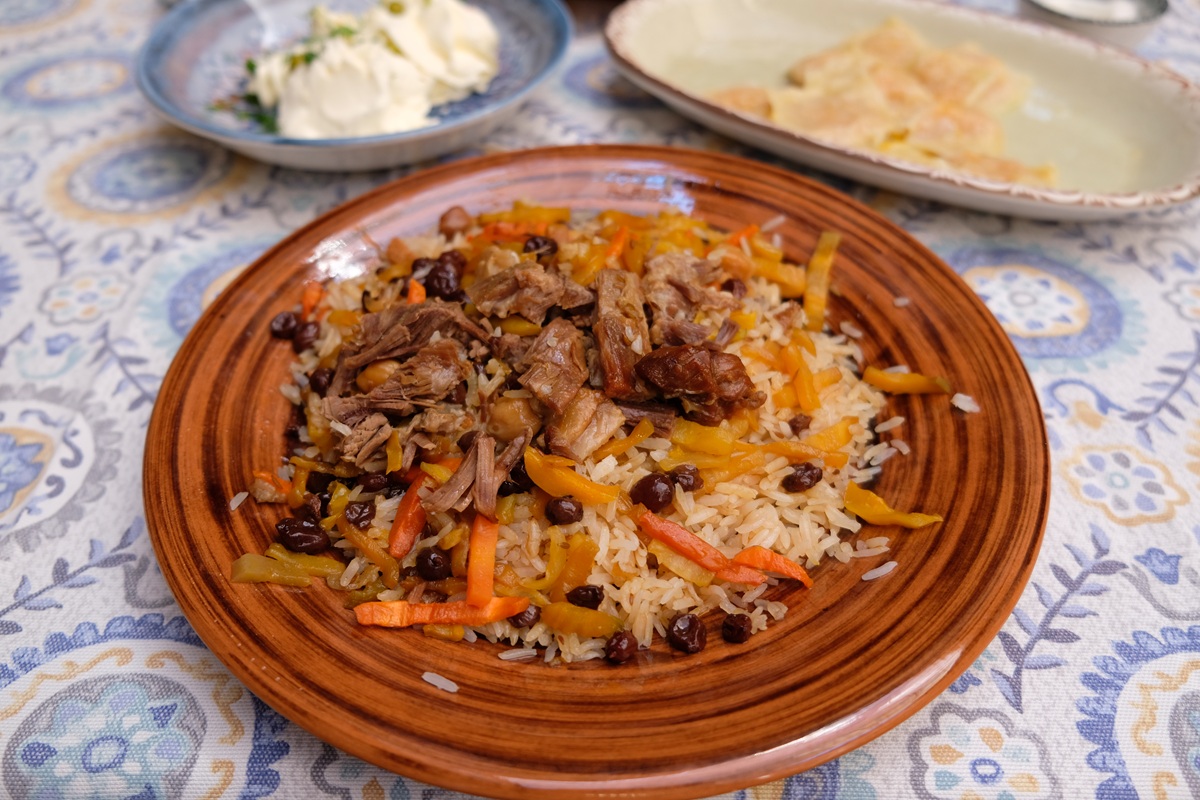
Their version of plov, while decent, was nowhere near as rich and complex as what we had in Samarkand
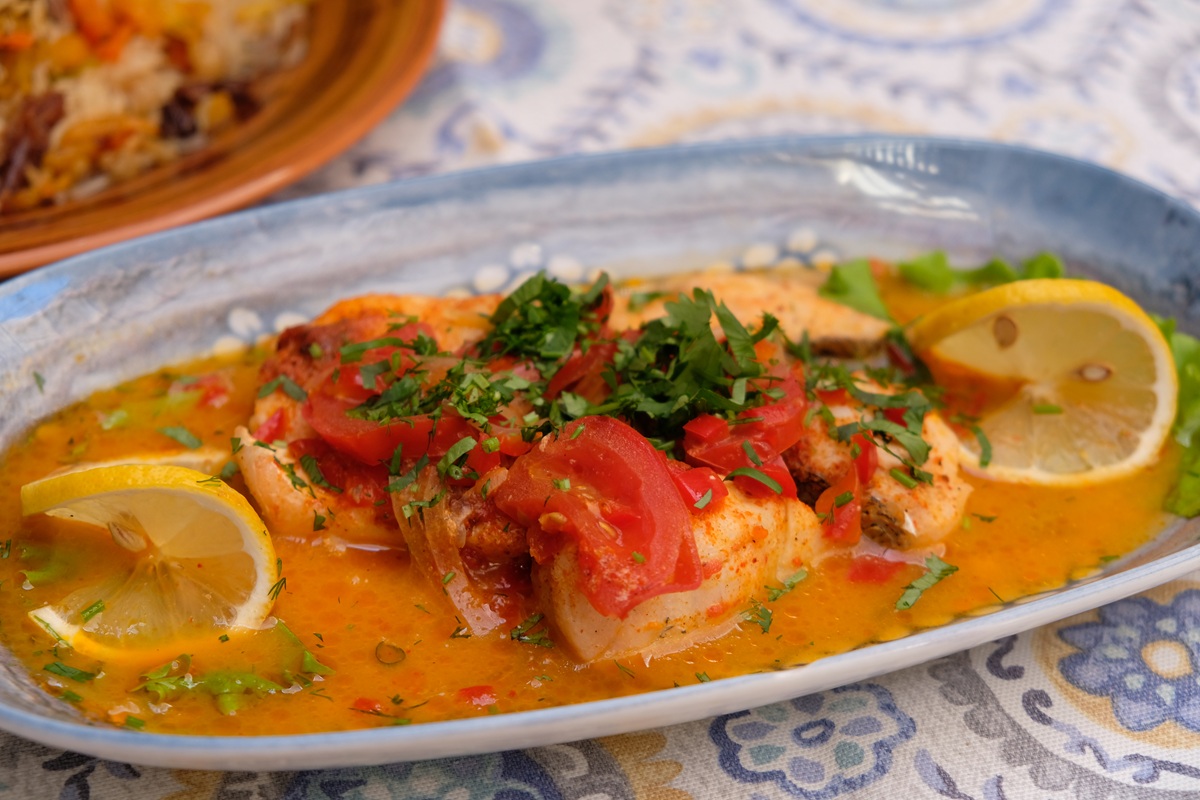
As we normally tend to gravitate toward fish dishes, obviously we were interested in trying dimlama at Joy
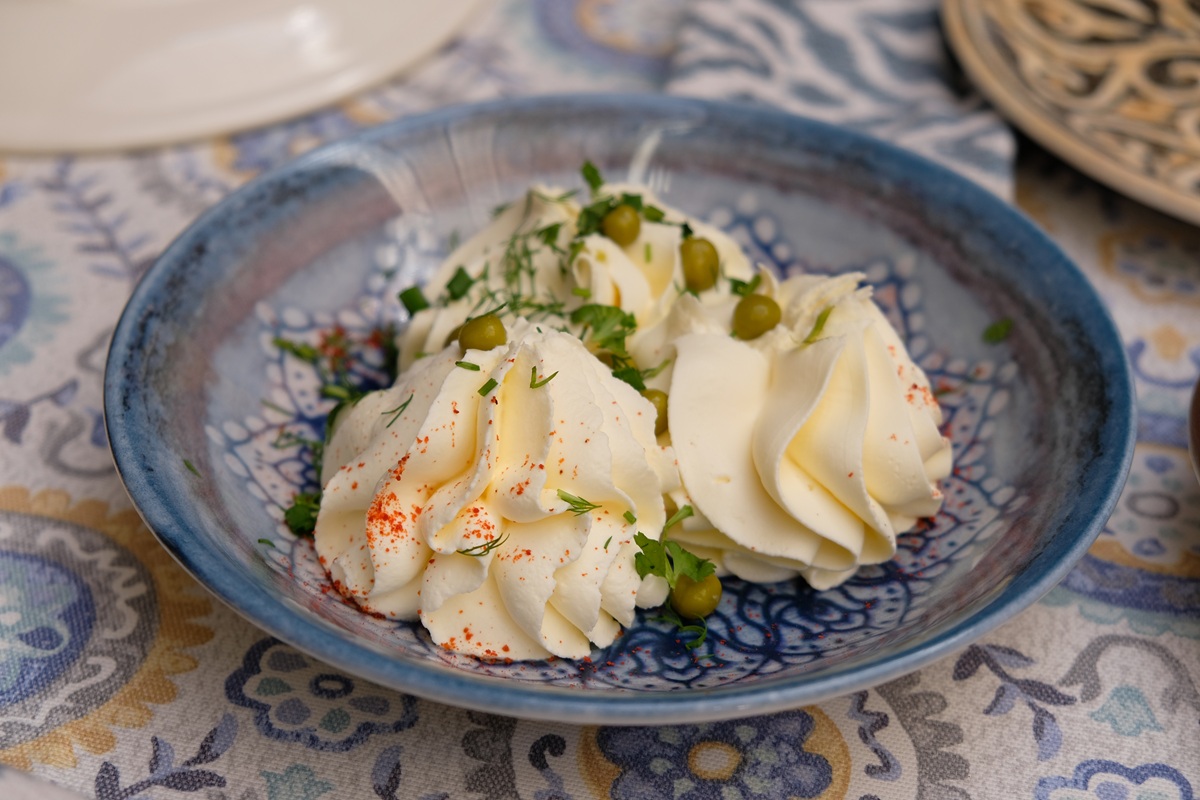
Joy’s take on chakka
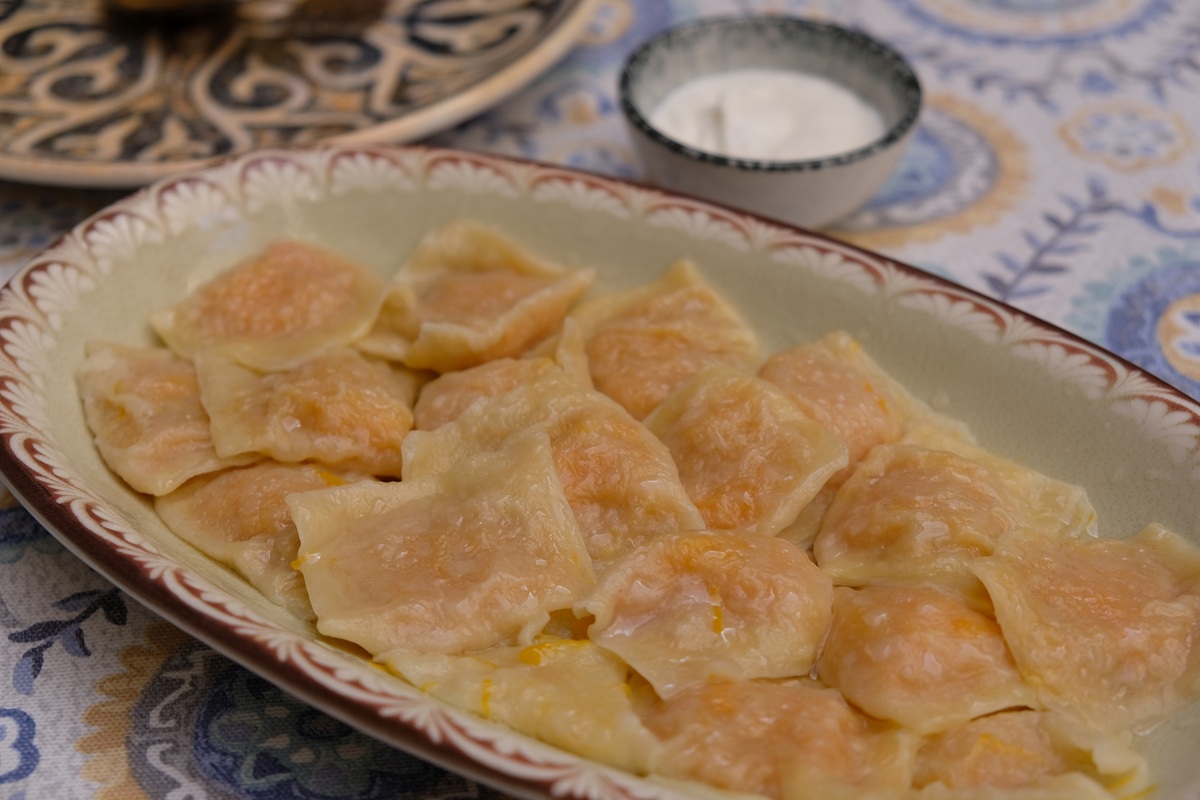
Kadu barak is one of those few vegetarian-friendly Uzbek dishes
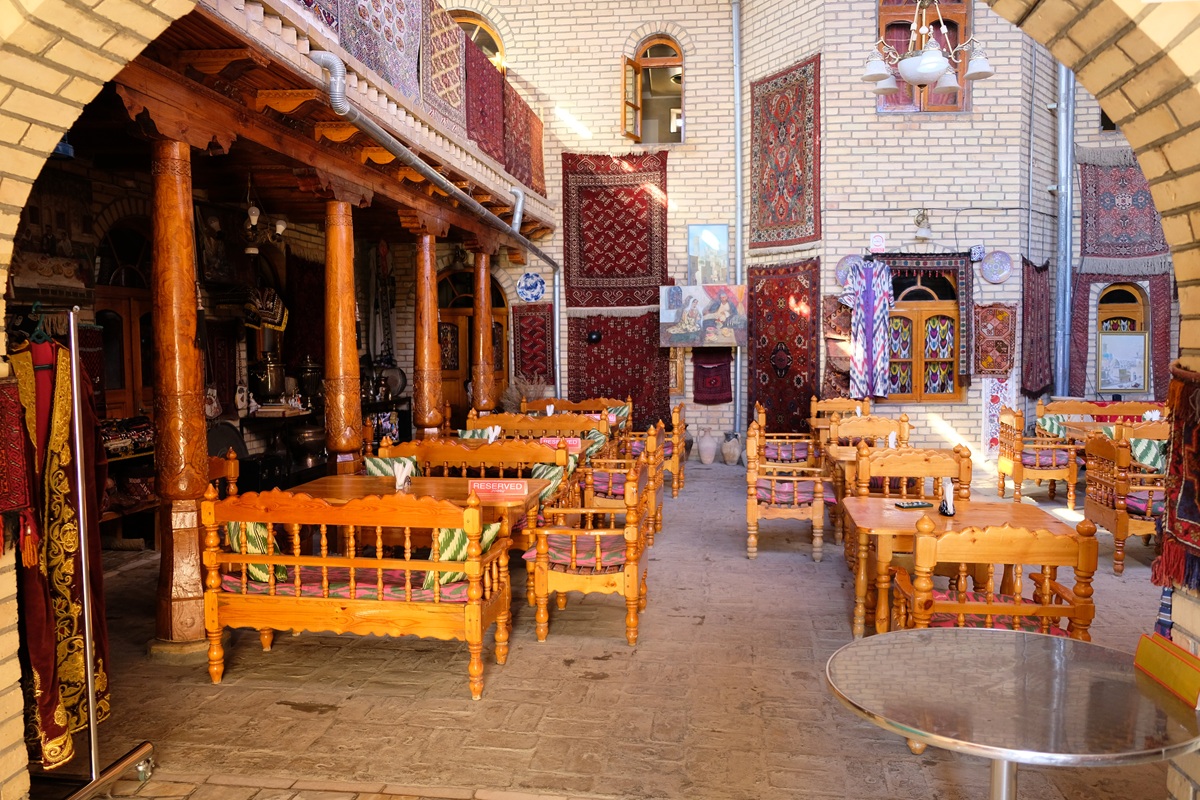
An echo of the past at Bukhara’s Silk Road Tea House
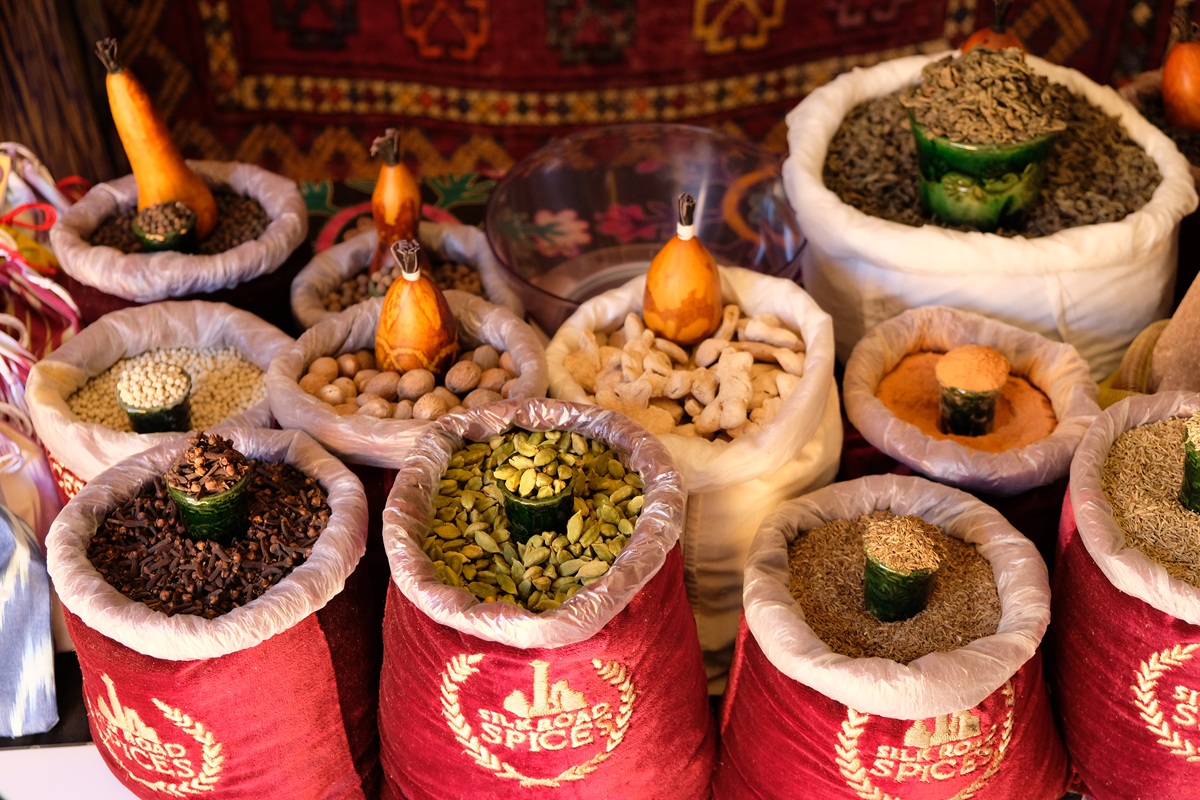
Cloves, green cardamoms, cumin, and other spices at the tea house
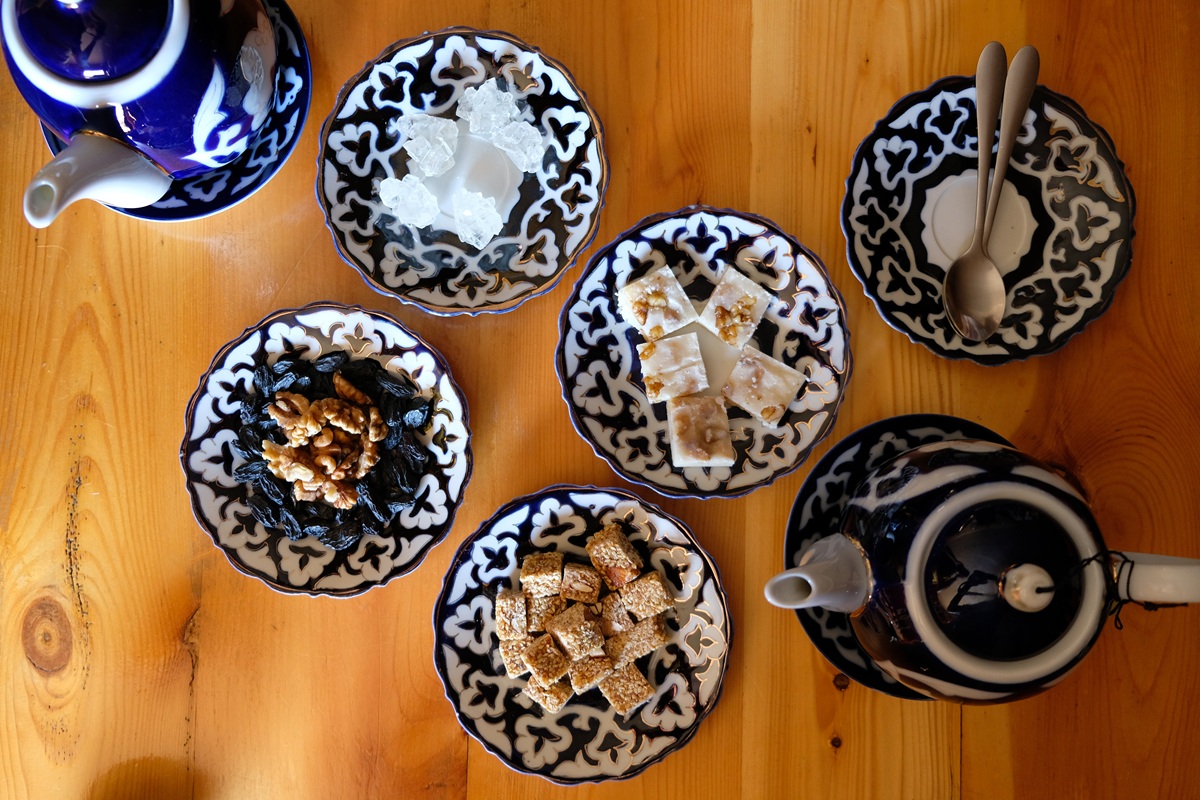
Teatime in Bukhara (we happened to be at this place when the power was out)
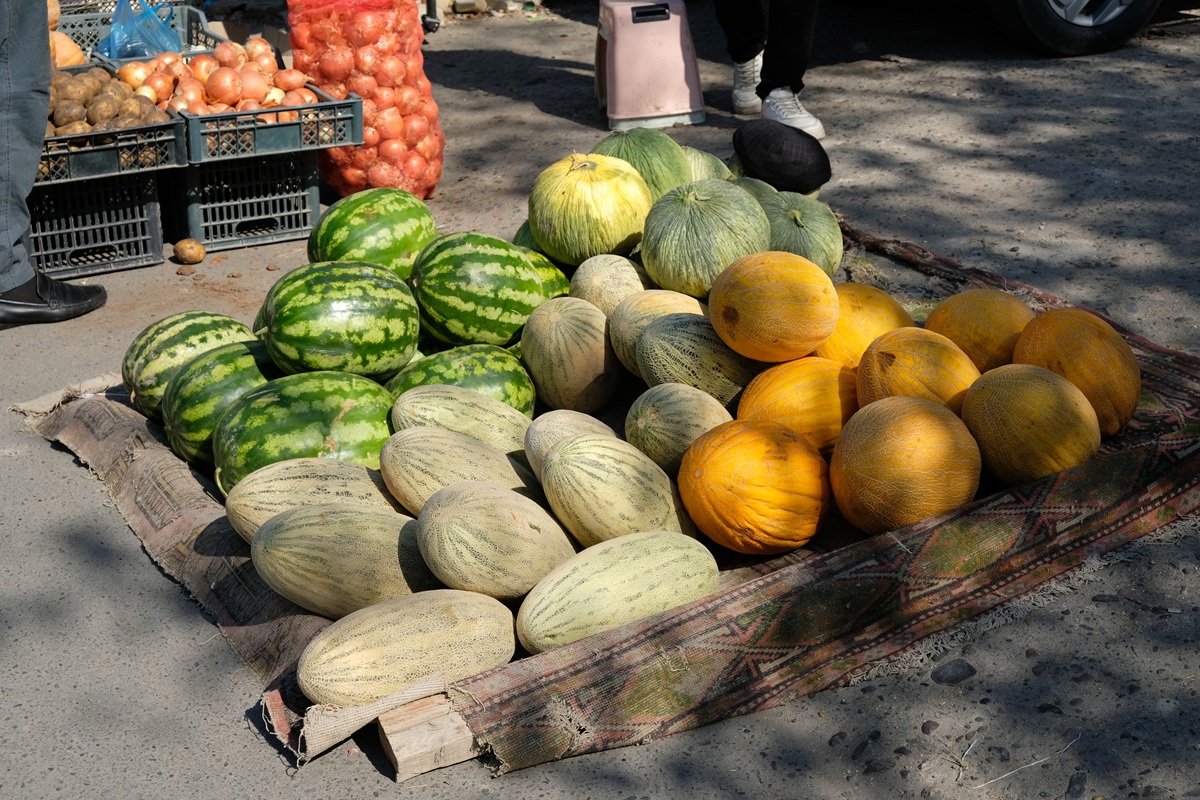
Freshly-harvested melons and watermelons at a roadside stall in Bukhara
Khiva
We noticed that the local dishes we had in Khiva were quite different from those we tried in Samarkand and Bukhara. This is probably because of geography, as the city is located further away to the west of the country, surrounded by the vast Kyzylkum Desert. Take tukhum barak, for example. Instead of the usual meat or vegetable filling found elsewhere in Uzbekistan, this large boiled dumpling is stuffed with egg. As a result, this rendered the dish a more subtle flavor, perfect for those who prefer a milder taste. On the other hand, gumma would probably appeal to a broader audience as it is a fried pastry that is usually filled with minced beef and onion. Frying makes food taste better, doesn’t it?
My favorite dish in Khiva, however, was shivit oshi. The green color of the noodles is a result of infusing fresh dill in the dough. (Unsurprisingly, it is a much-loved herb in Central Asia.) Served with well-seasoned thickened beef-and-potato stew, with a dollop of yogurt on the side, for me this is a dish I can picture myself having again and again if it was more readily available closer to where I live. Obviously, we were curious about Khiva’s version of plov which we tried at Terrassa Café & Restaurant. They added dried apricots in the dish to give it a slightly sweeter taste compared to the other types of plov we had tried, and this reminded me of the food from Central Java that I grew up eating which is known among Indonesians for its balance of sweet and savory flavors.
Chalpak was another dish we had in Khiva. Referring to the name of the flatbread as its main component, the version we had consisted of layers of meat-filled fried dough served with pickled carrots, tomato sauce, and a bell-pepper-and-cucumber condiment mixed with herbs. I also have to mention the very refreshing and delicious fresh apple juice we had at the same restaurant. Apples, after all, originate in Central Asia.
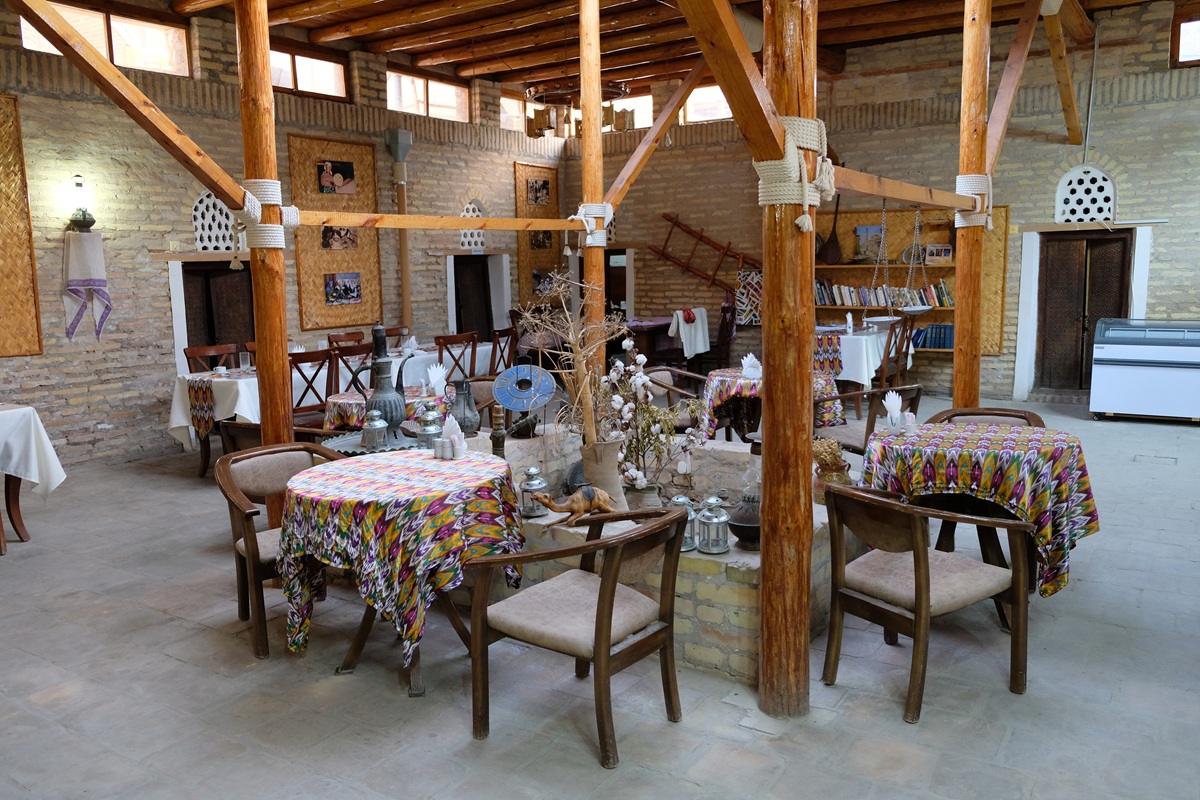
At Khorezm Art Restaurant where we had our first meal in Khiva
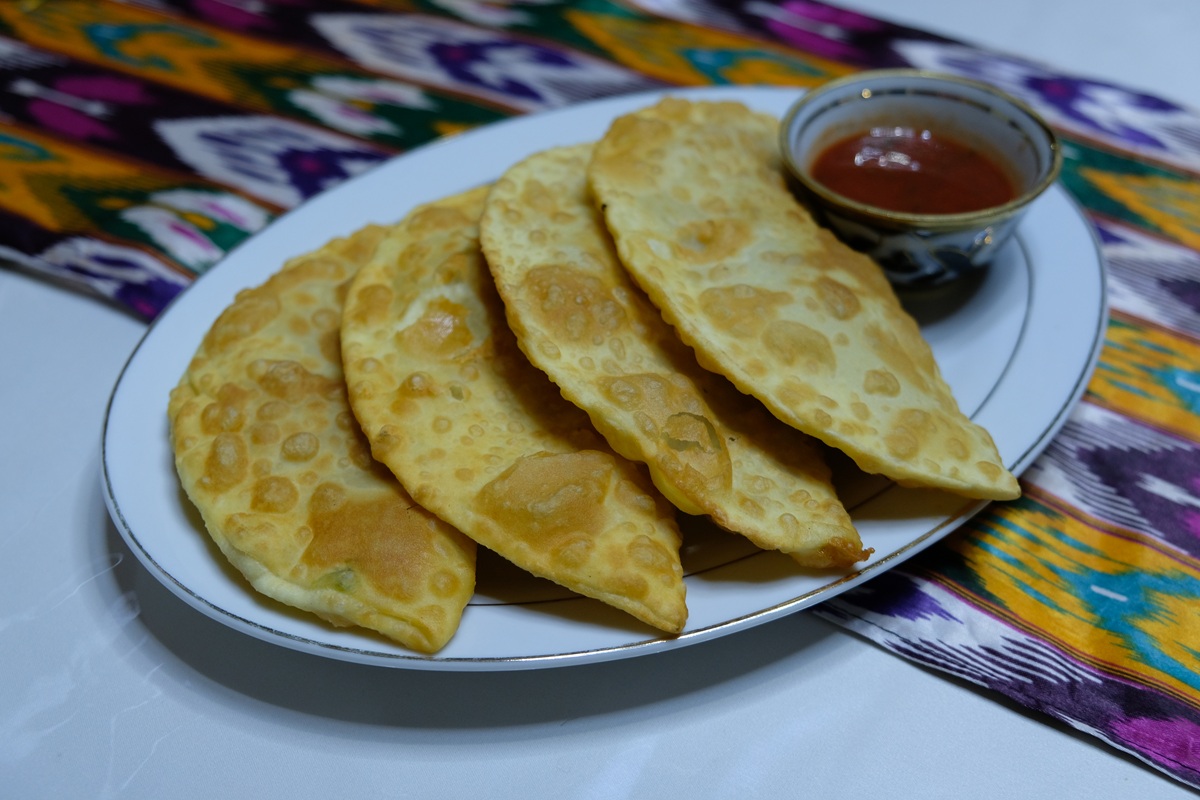
Their version of gumma
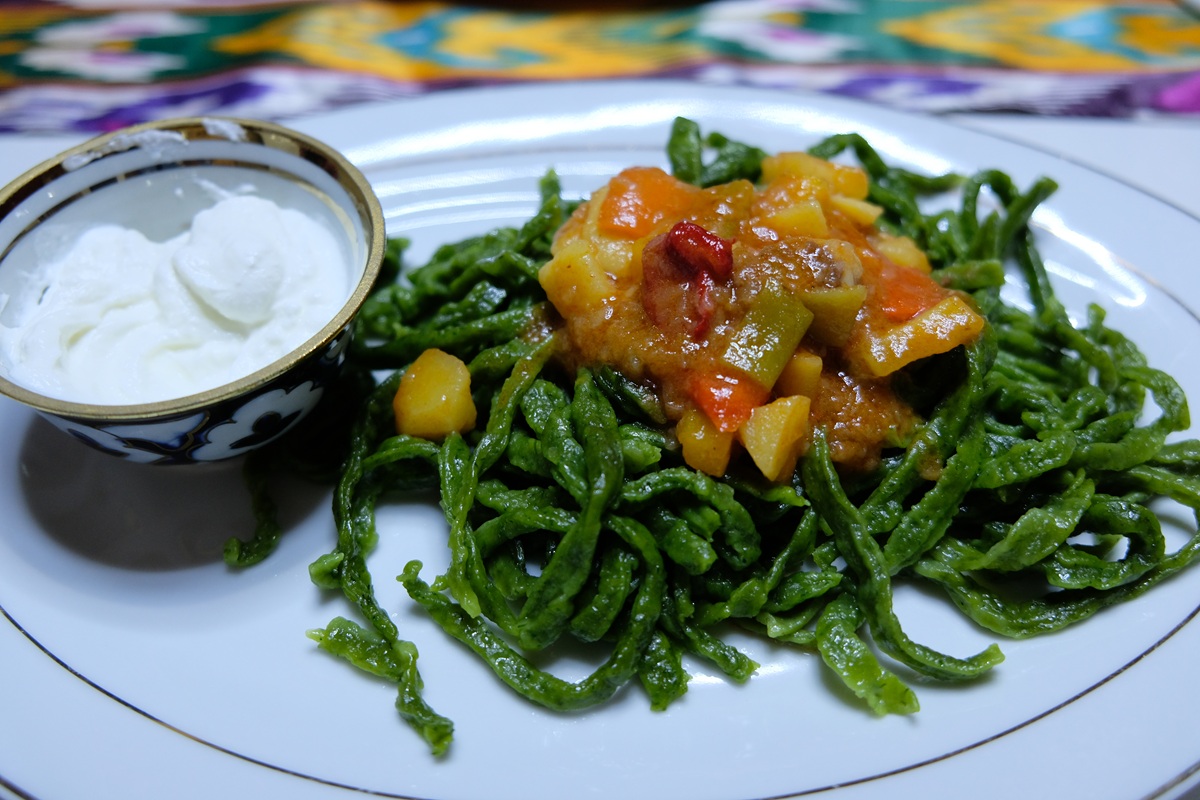
The shivit oshi was quite decent and tasty too
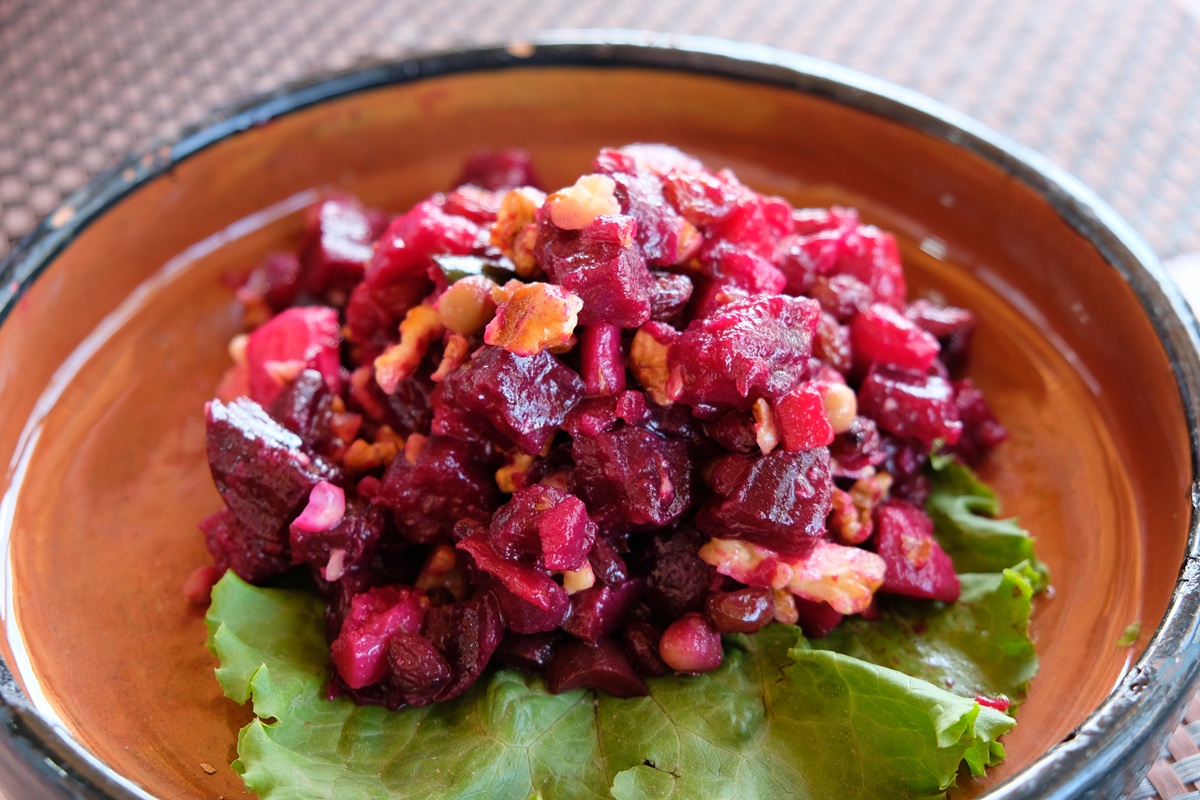
Terrassa’s flavorful beetroot salad
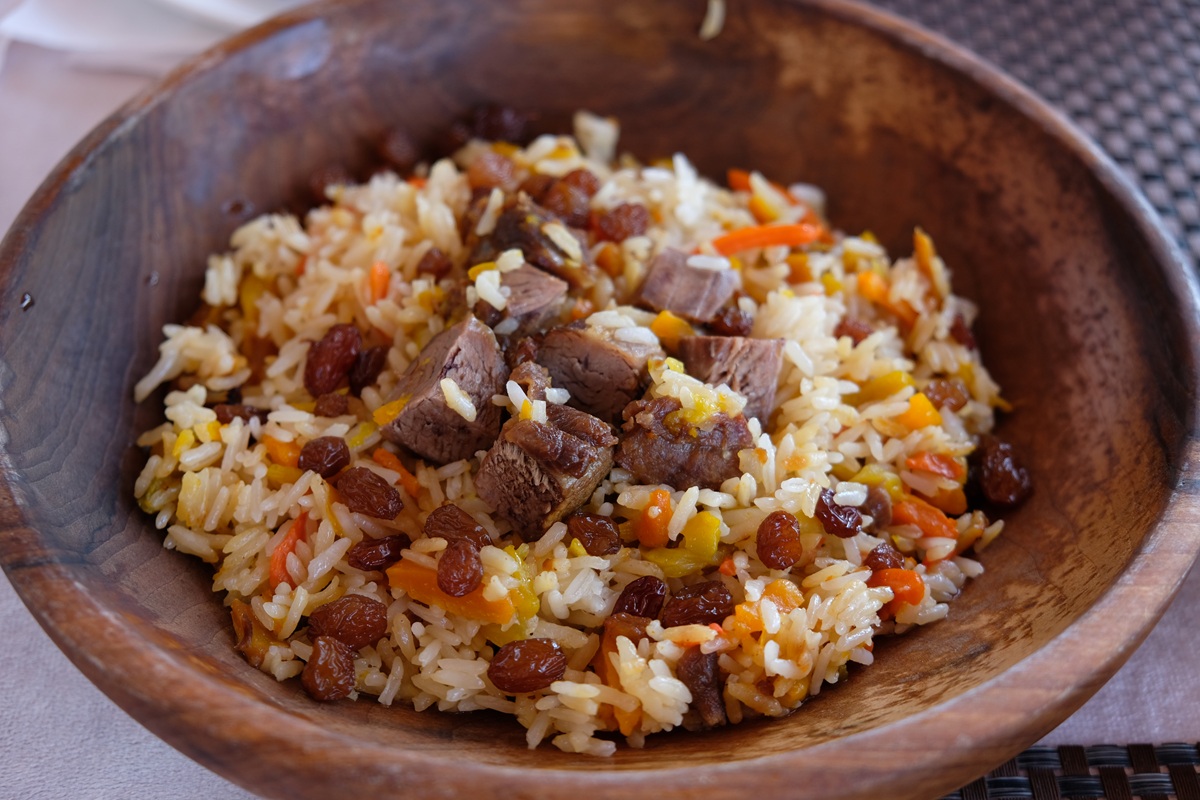
The Khiva version of plov
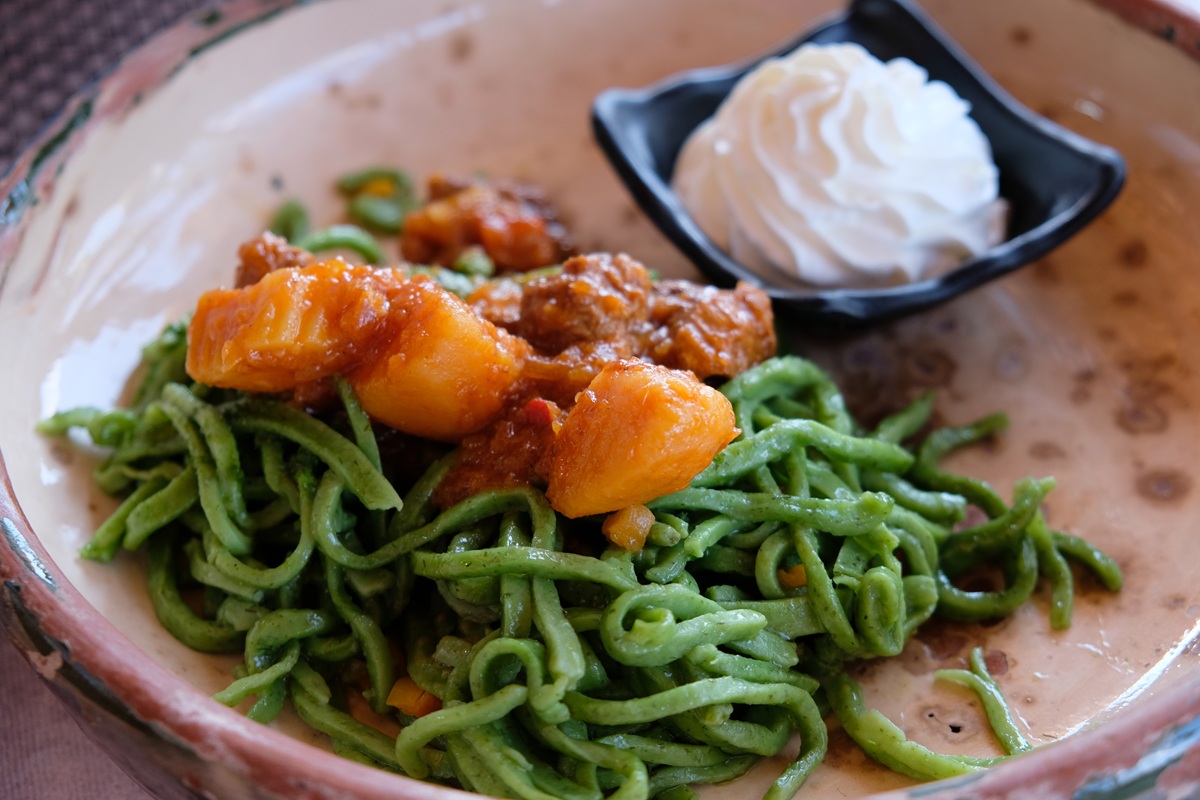
Terrassa’s delicious shivit oshi
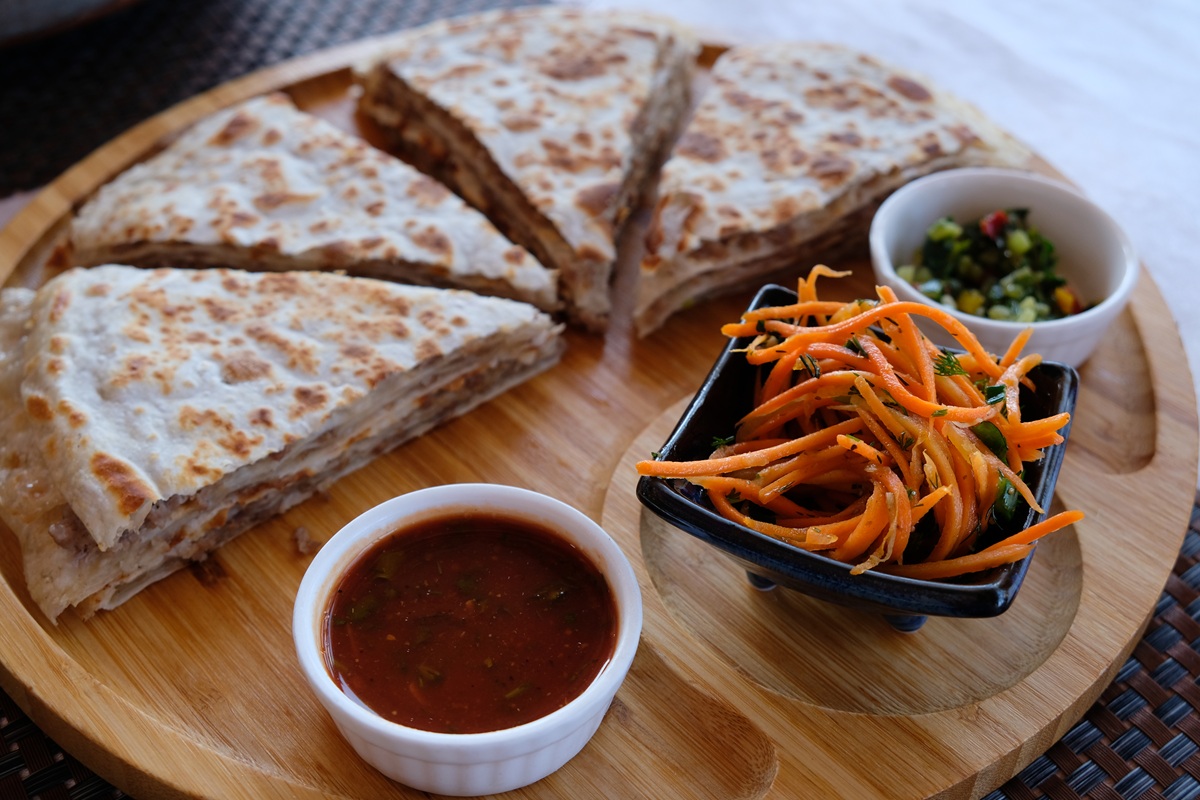
Meat-filled chalpak, also at Terrassa
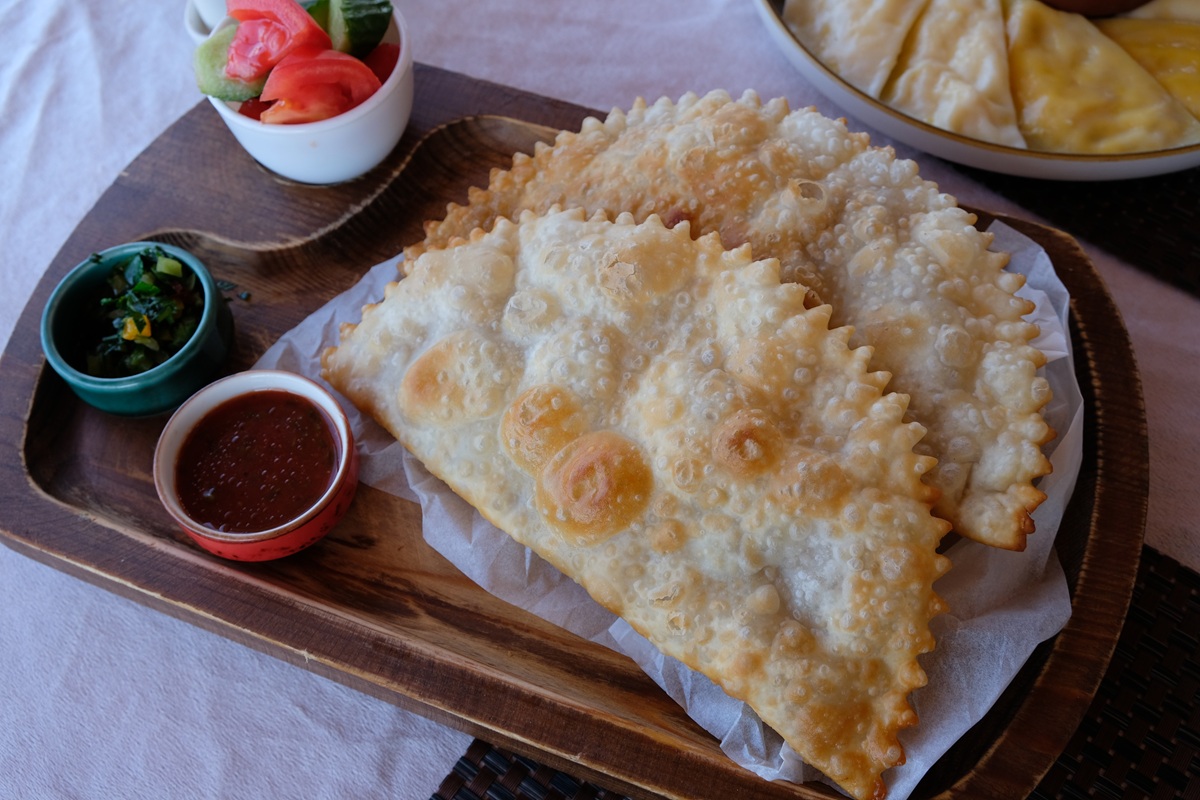
Gumma is probably an Uzbek dish that can appeal to a wider audience
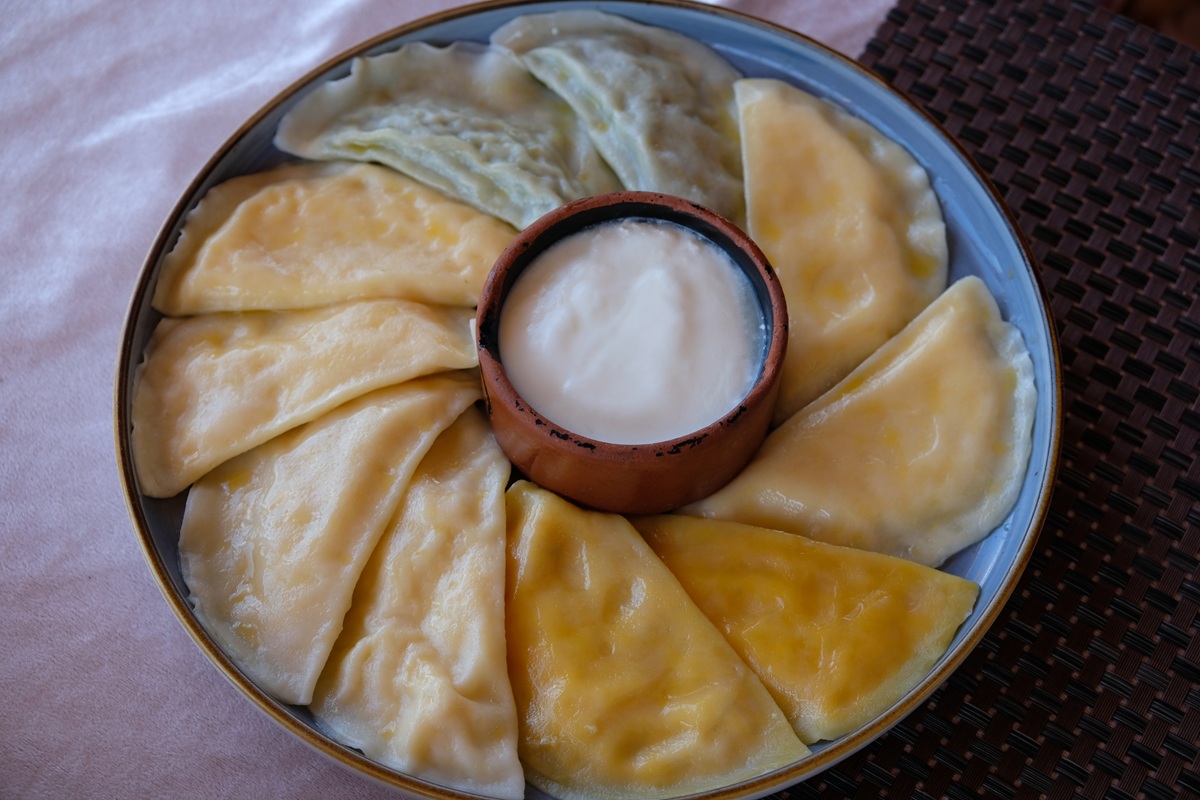
Tukhum barak with different fillings
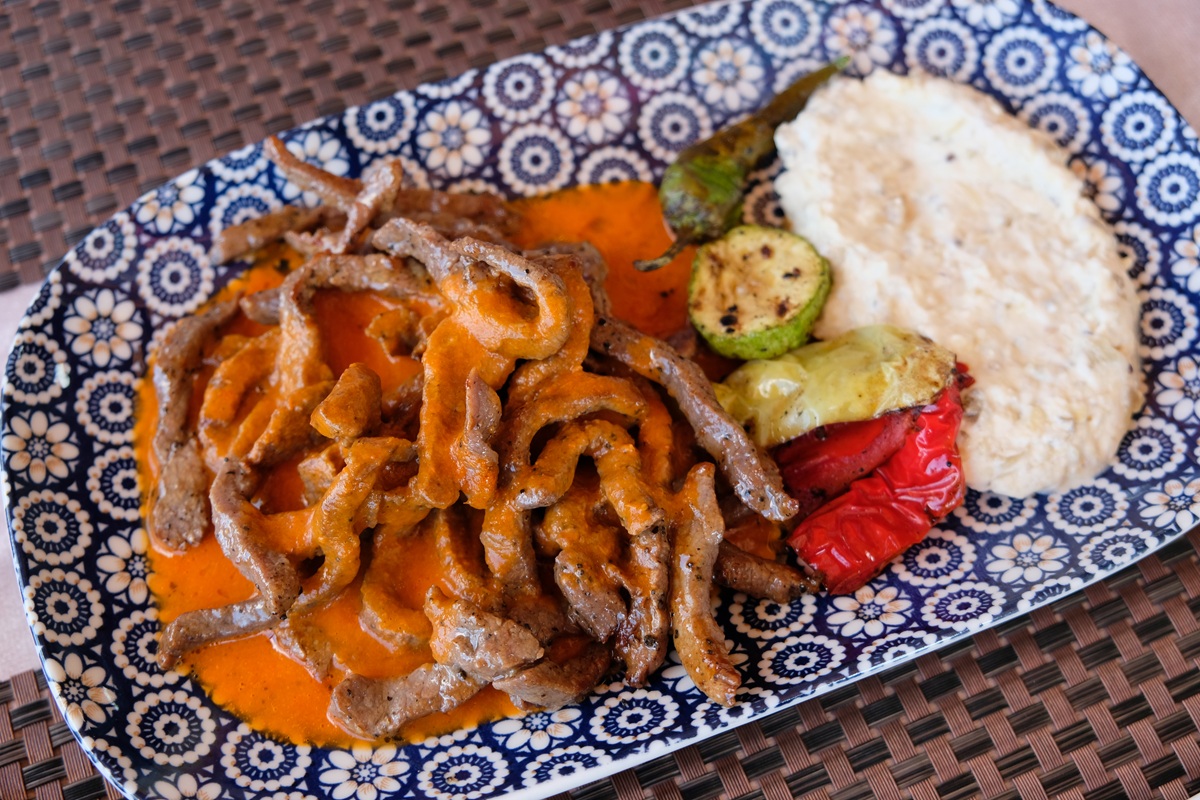
Ali Nazik, a Turkish-inspired dish of grilled and pureed eggplant with meat
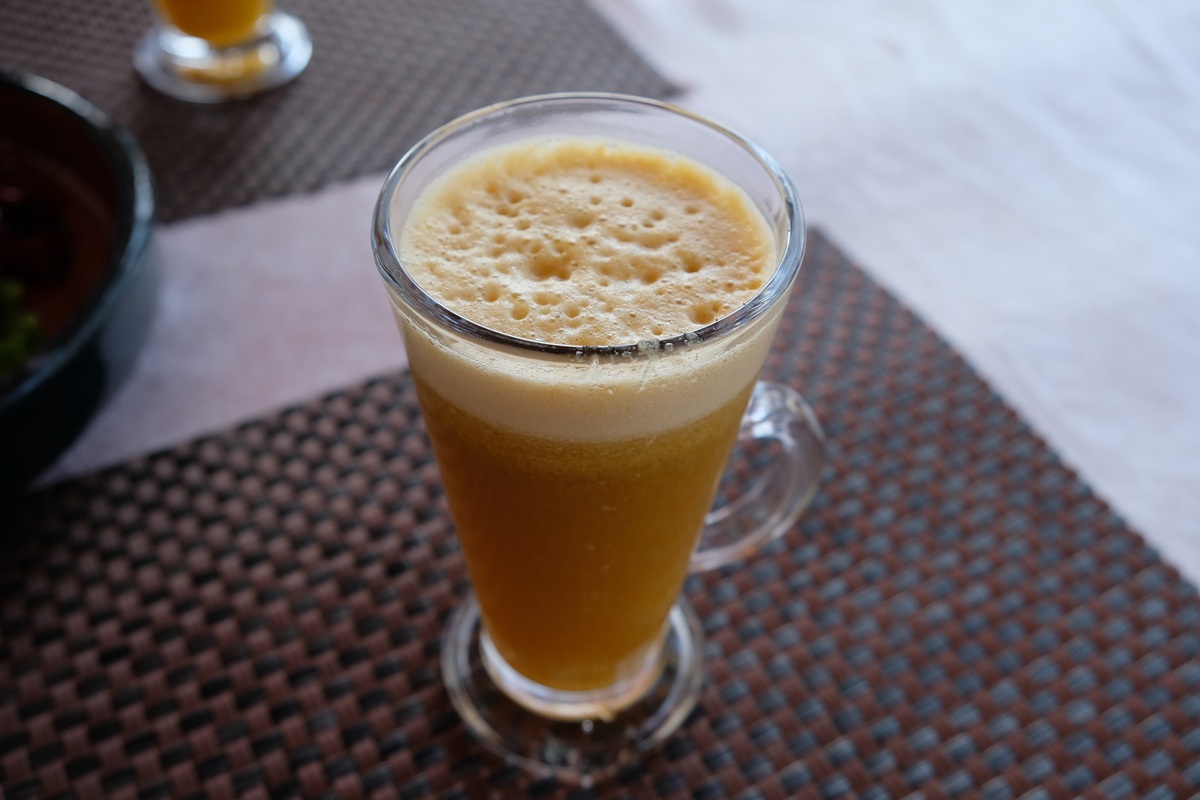
Probably the best fresh apple juice I have ever had
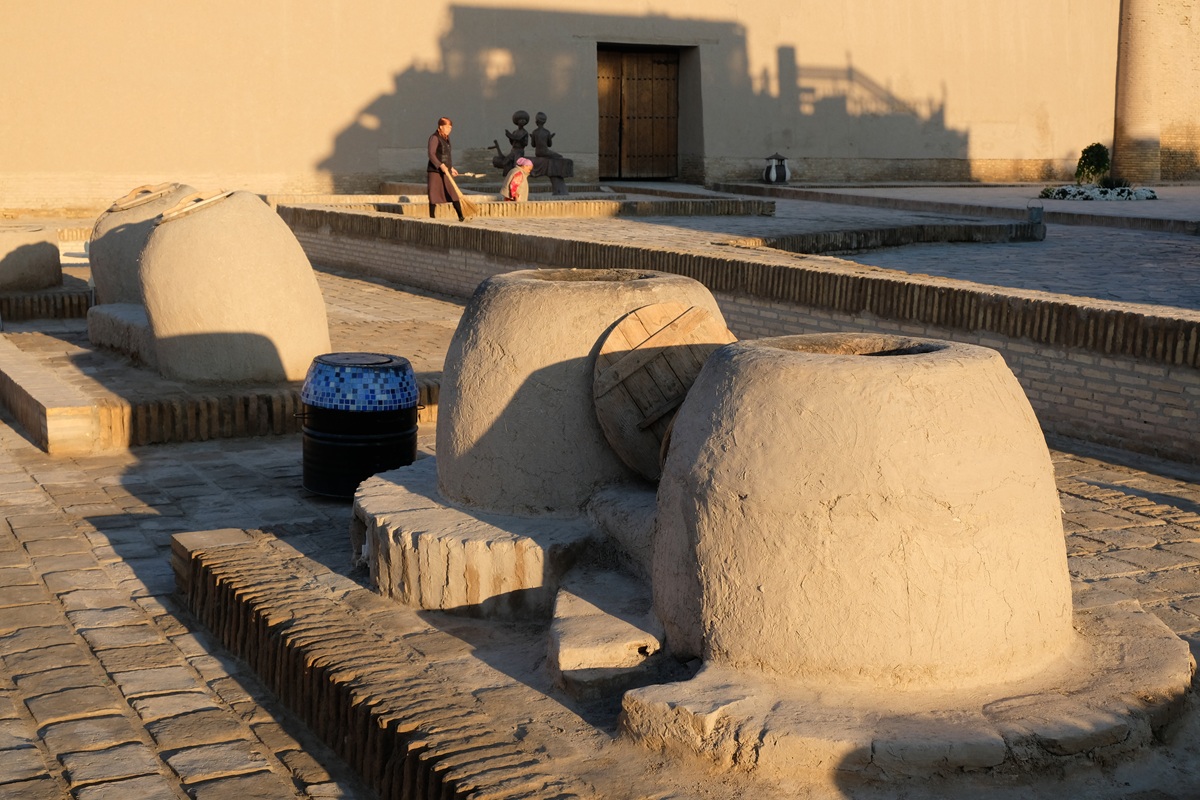
Tandyr, a traditional clay oven where somsas are made
Tashkent
The capital of Uzbekistan was meant to be a necessary stopover before flying back to Jakarta. But as it’s the largest city in the country, it shouldn’t come as a surprise that we were able to sample more of the surprisingly diverse culinary tradition of this Central Asian nation. At “Qamish” Xorazm Taomlari, we had Khiva ijjan which was a delectable steak tartare with a prominent onion taste to it. However, what we truly relished was the succulent grilled carp – procured from the Amu Darya – which came in way too many large pieces even for two people with big appetites like us.
At a branch of Komolon Osh Markazi, a family restaurant with an interior decorated in a manner which in present-day parlance can be described as “Instagrammable”, we tried moshkichiri. Some dishes are not meant to be judged solely based on their appearance, and this is exactly one of them. Made with mung bean and rice both cooked down into a thick, porridge-like consistency with onions and spices added to it, it was a very satisfying warm dish especially when eaten on a cold rainy night just like what we did.
On another day, James managed to track down a place called the Former Plov Center not only to have the Tashkent version of plov, but also for us to taste horse meat for the very first time. I wouldn’t necessarily choose it over other types of meat if it was available in supermarkets or restaurants in Jakarta, but given the cultural importance of horses to the different peoples in Central Asia, we knew we had to at least give it a try. Qazi is a traditional horse meat sausage that is thick and salty and often served with naryn, thinly cut fresh dough mixed with shredded horse meat. The sausage also made its way into the plov we had at this place, which itself has a similar flavor profile with different types of plov we tried in other cities. We also had mastava, a soupy rice dish topped with a copious amount of fresh dill and coriander which provided much-needed warmth on a gloomy day.
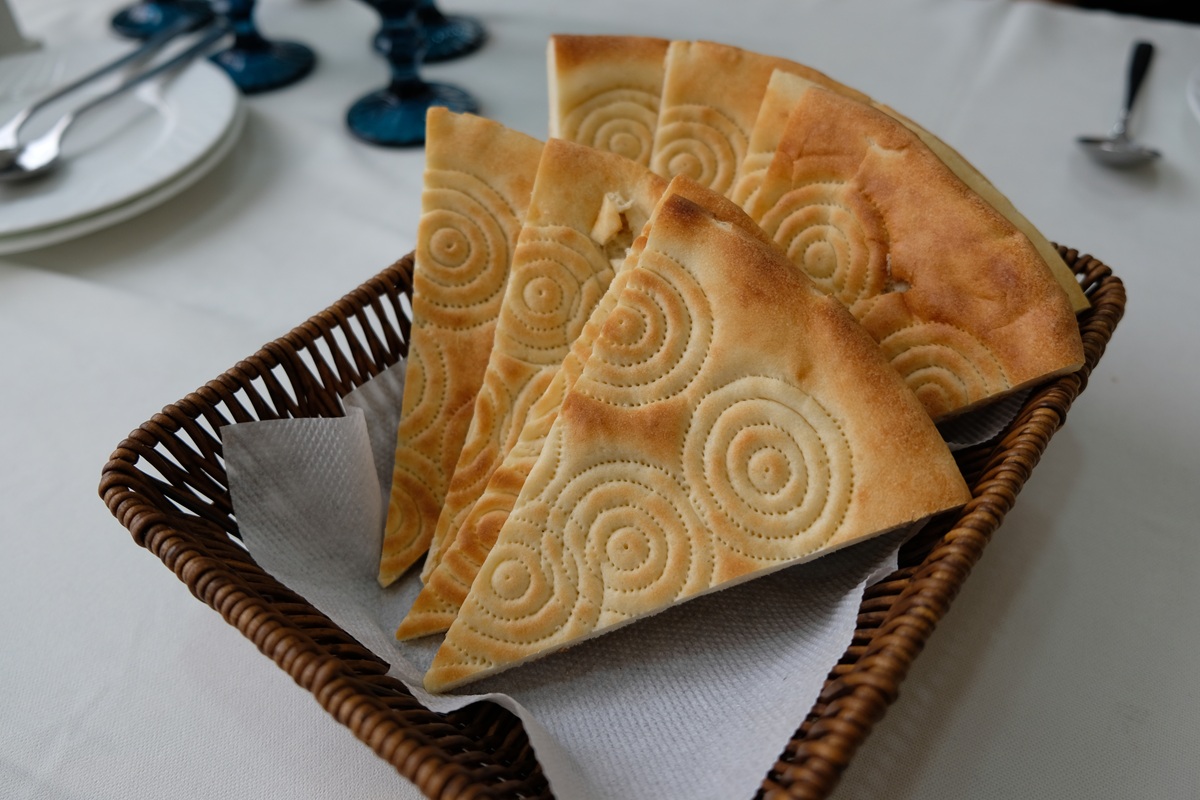
Khorezm-style flatbread at “Qamish” Xorazm Taomlari in Tashkent
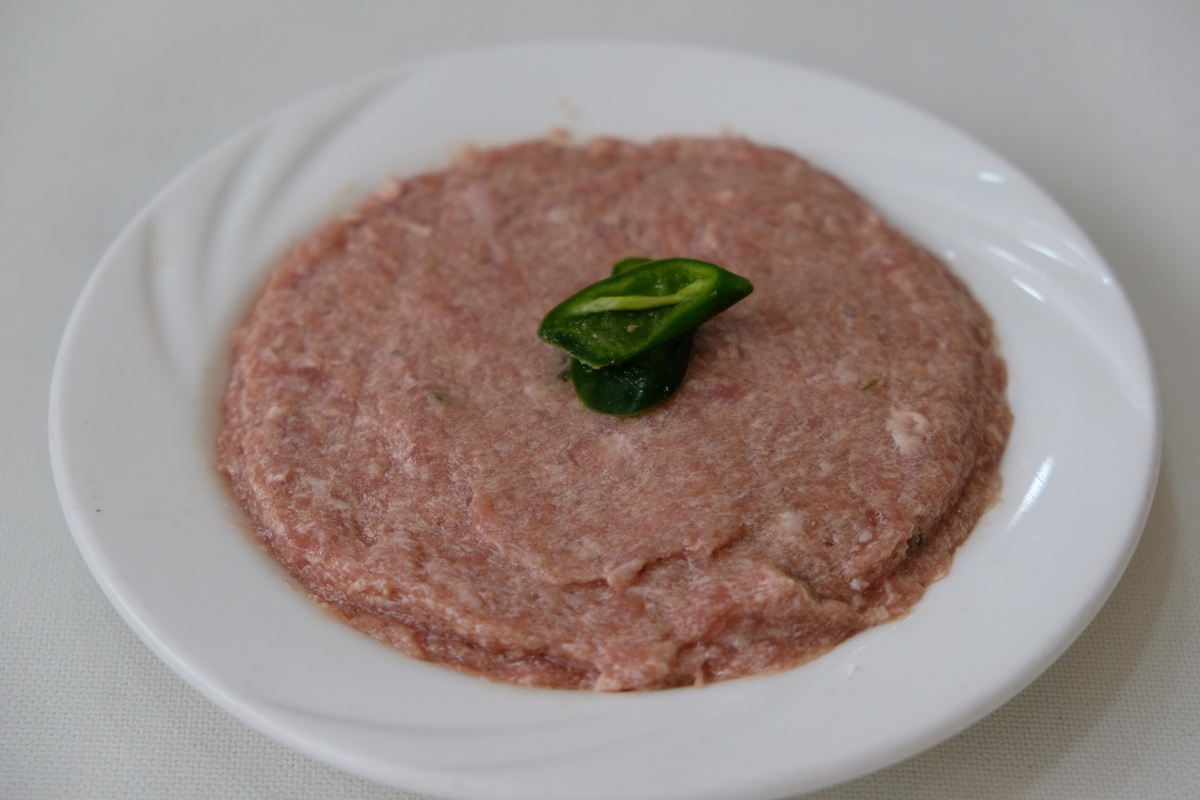
Khiva ijjan, a steak tartare with a prominent onion flavor profile
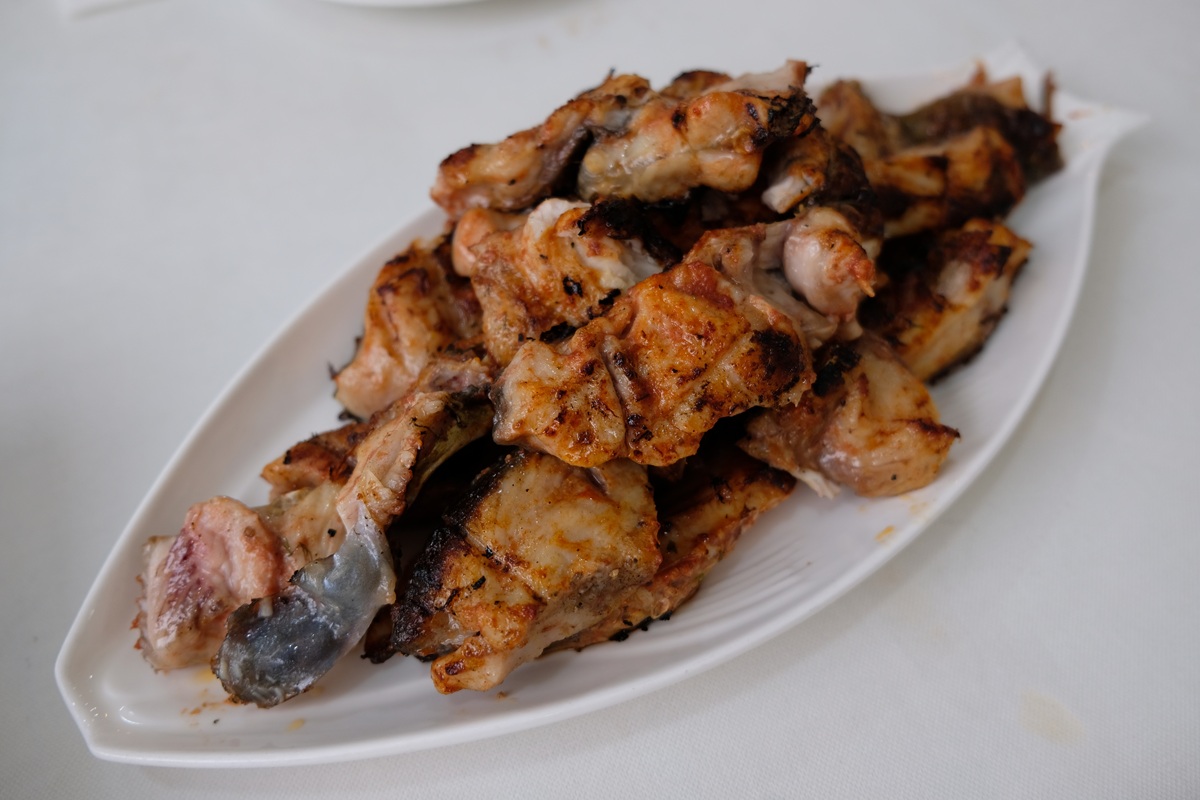
Succulent grilled Khorezm carp
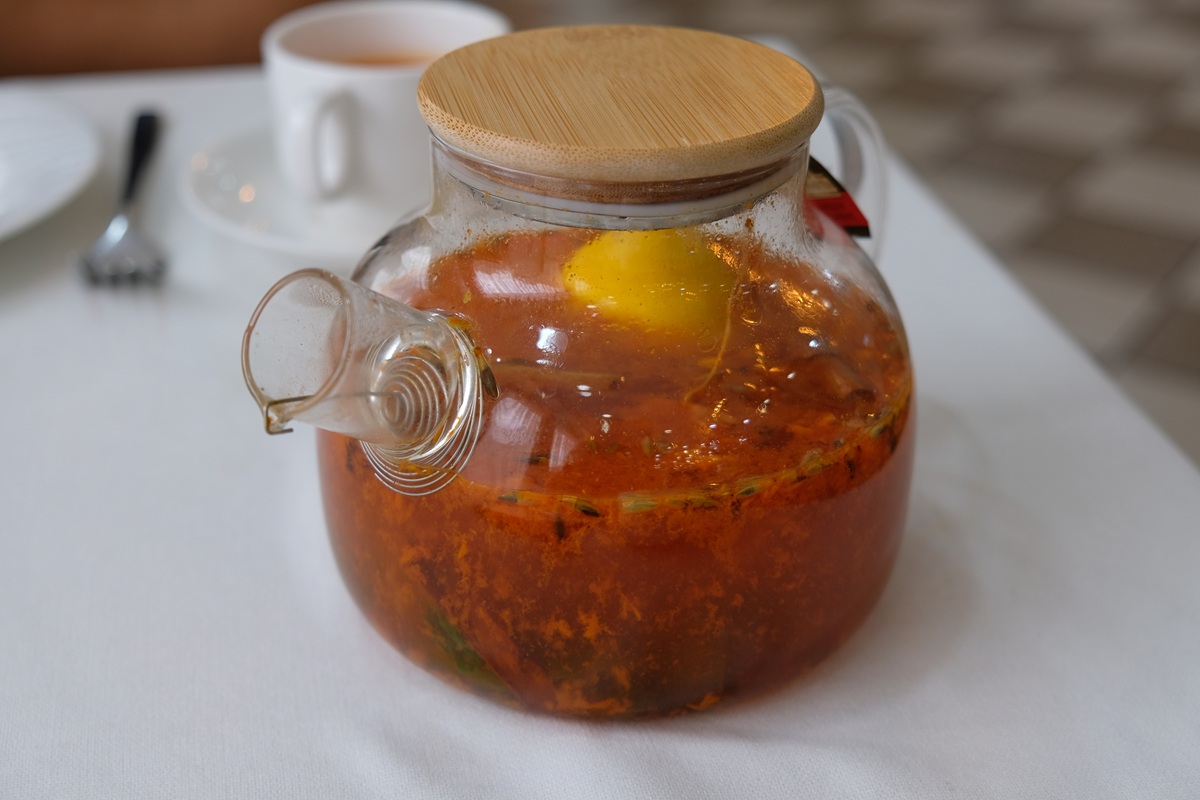
Sea buckthorn tea, not something we usually come across in Southeast Asia
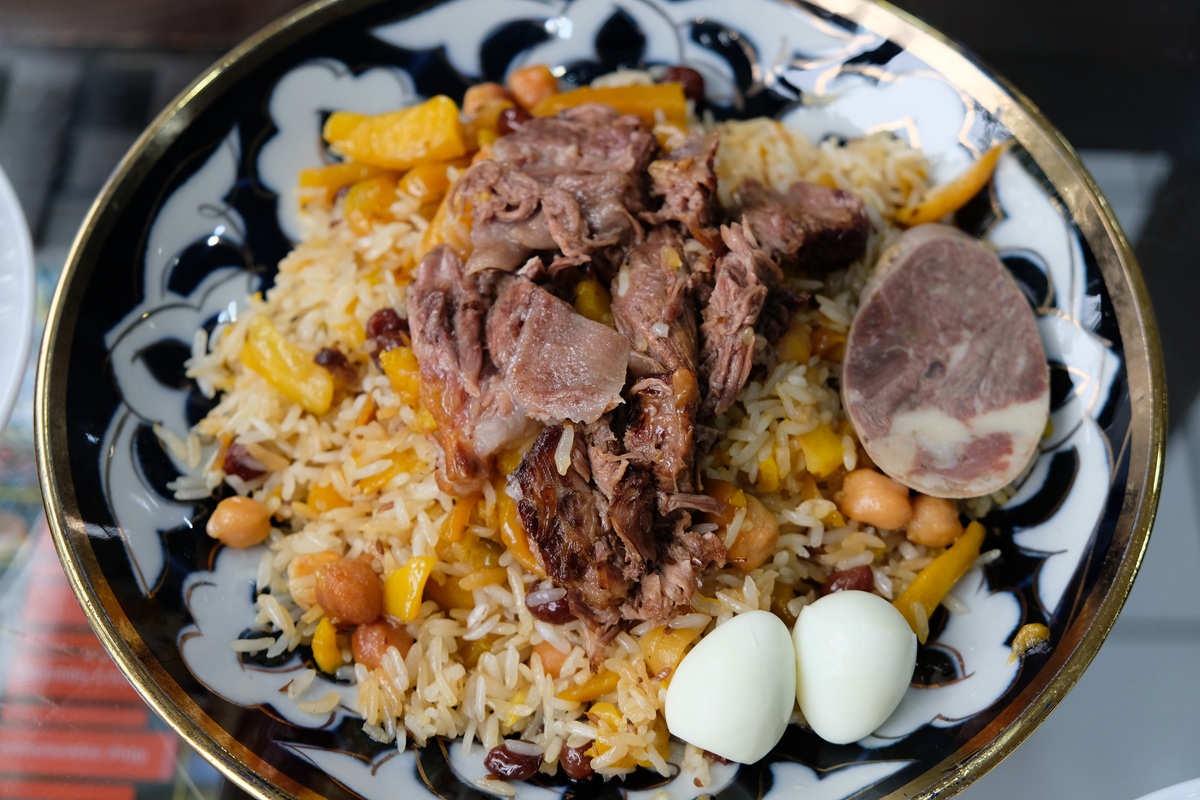
Tashkent’s version of plov
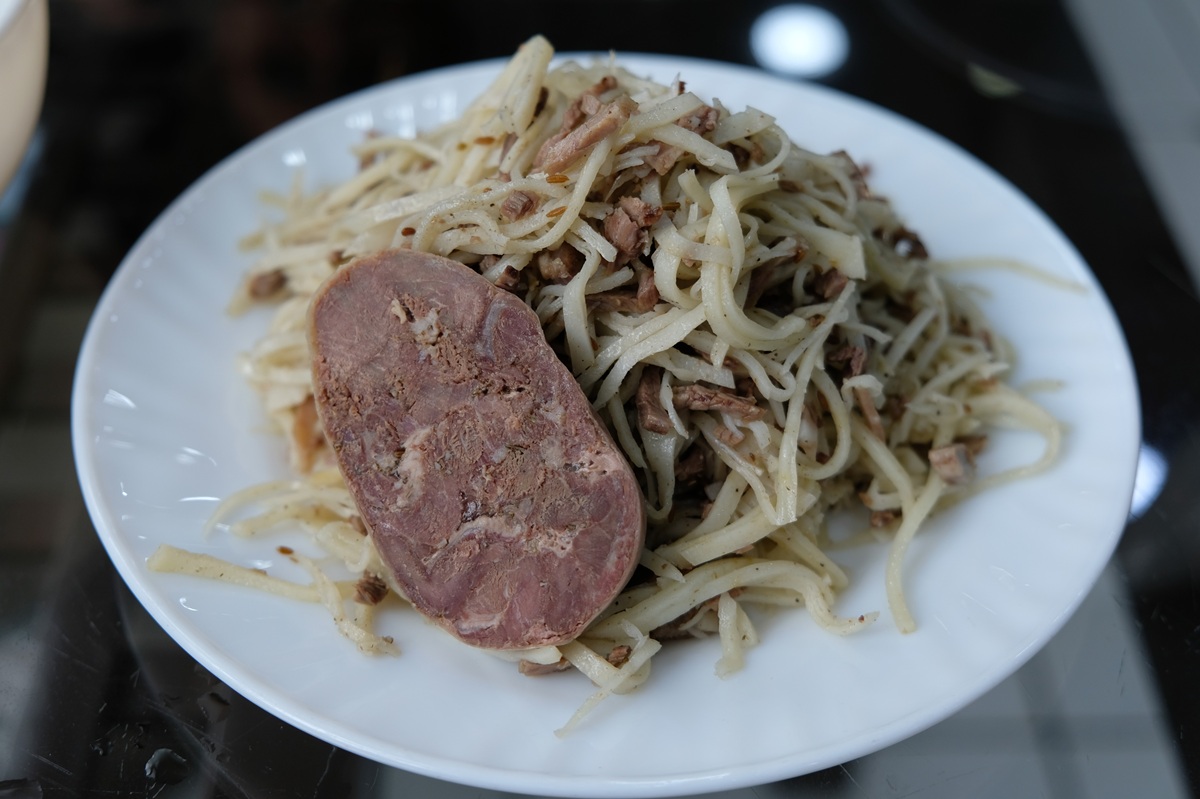
Naryn was among the most unique dishes we had in Uzbekistan (served with a slice of qazi)
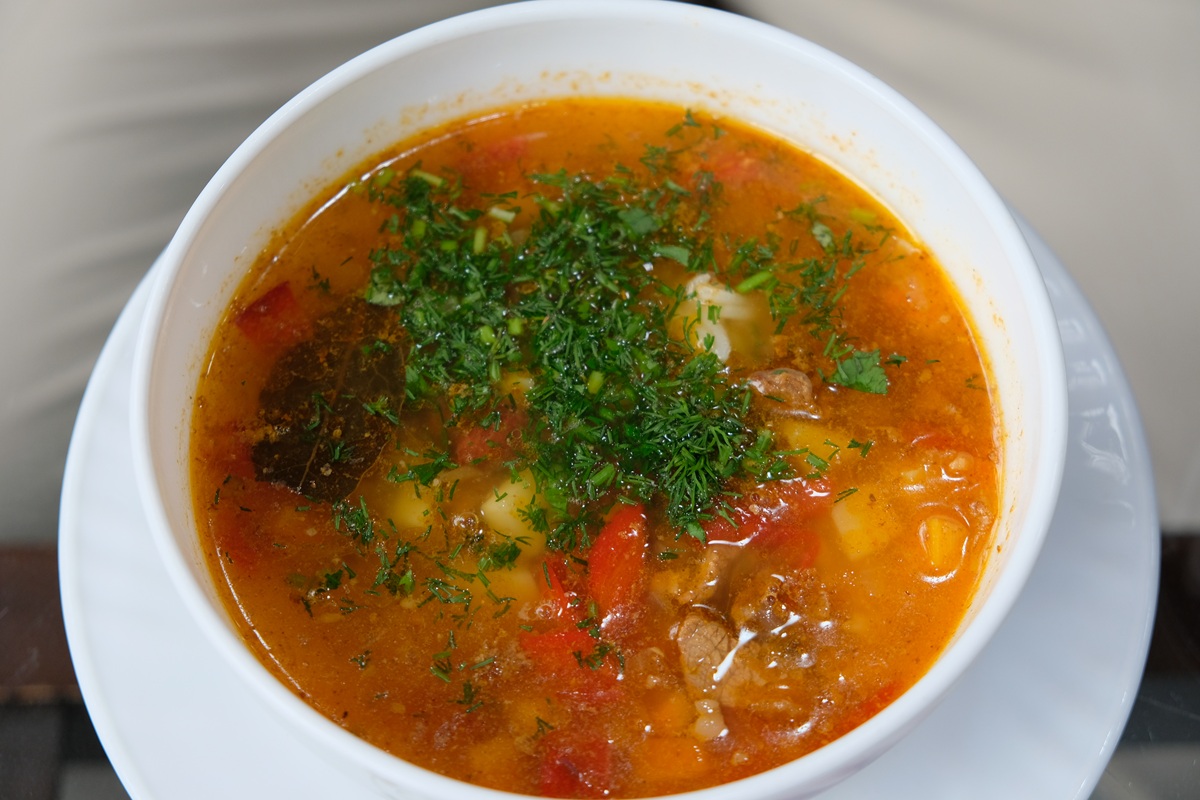
Mastava is perfect for those who enjoy soupy rice dishes
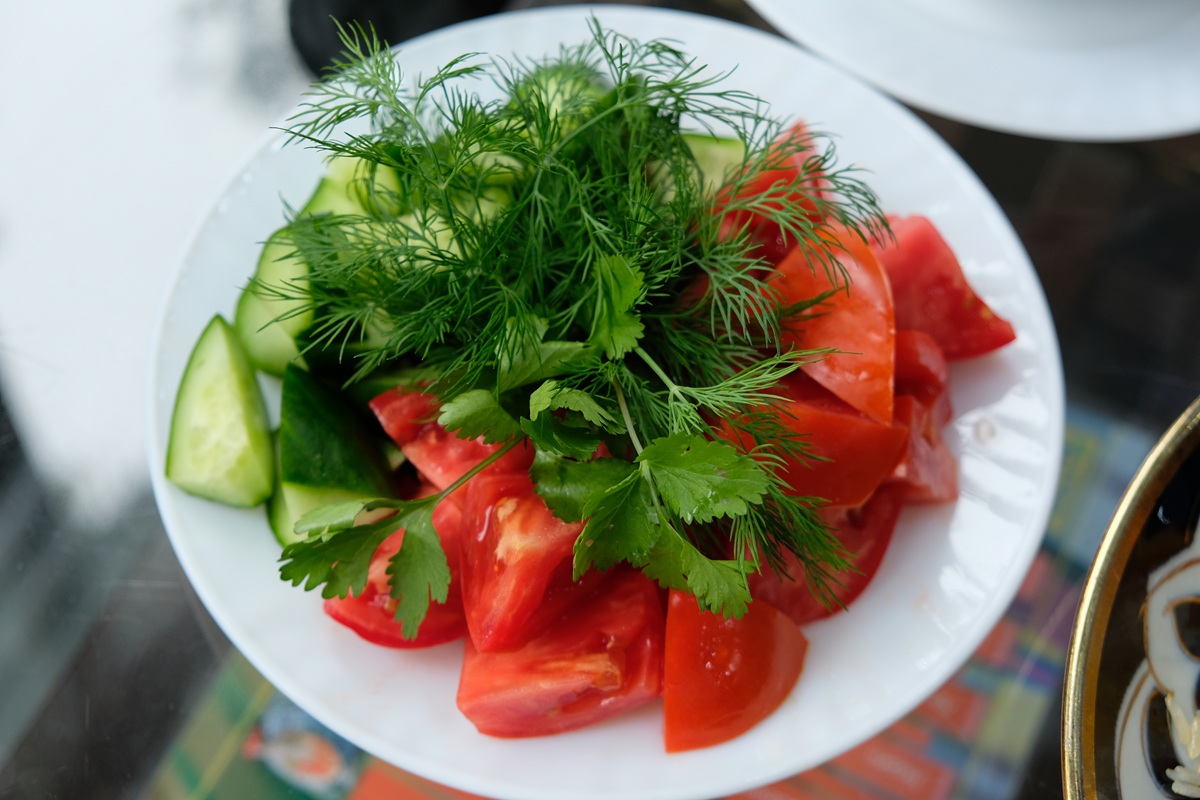
Achichuk with a generous amount of dill
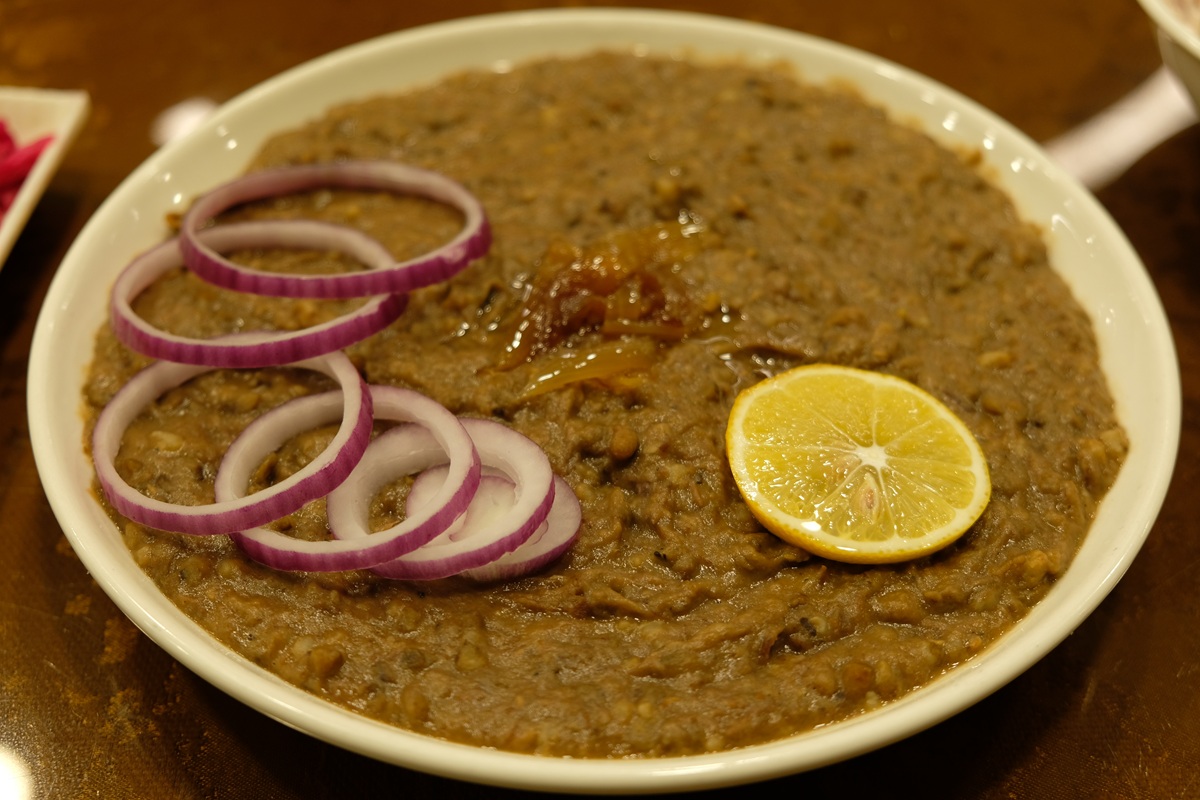
Moshkichiri is something that can’t be judged solely based on how it looks
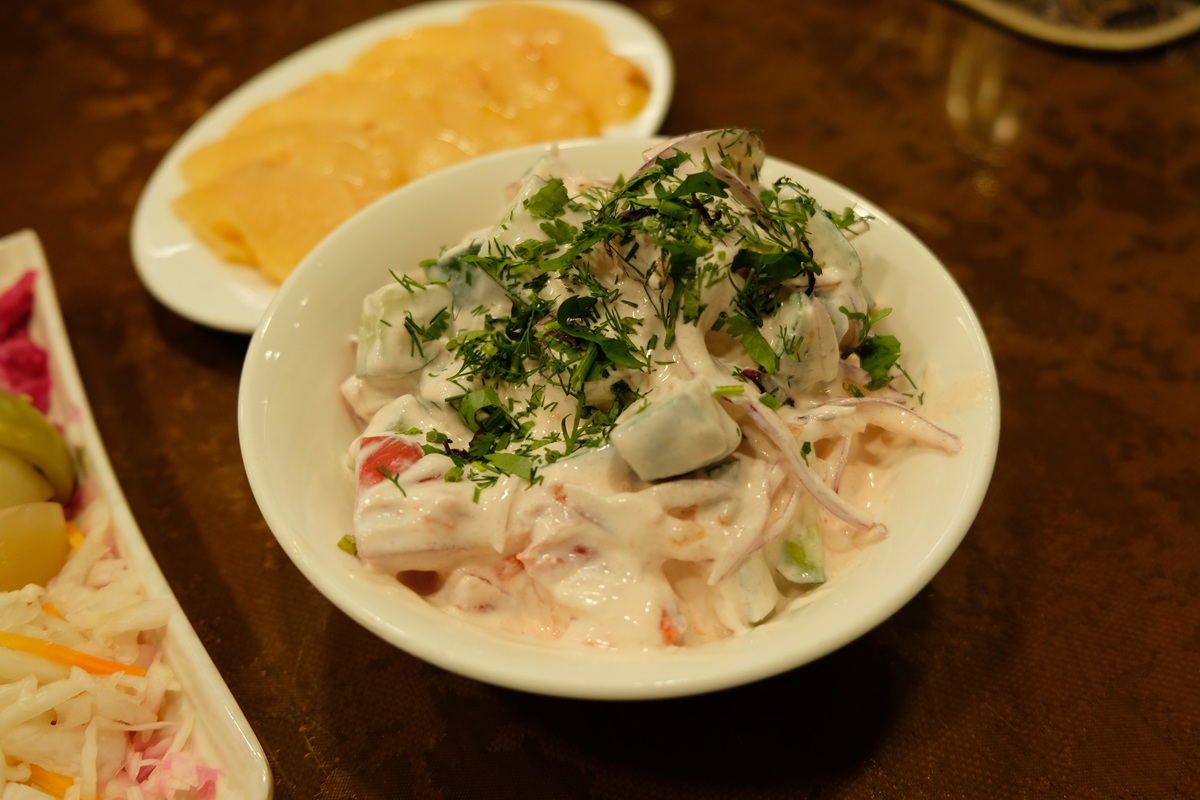
A bowl of refreshing Chiroqchi salad
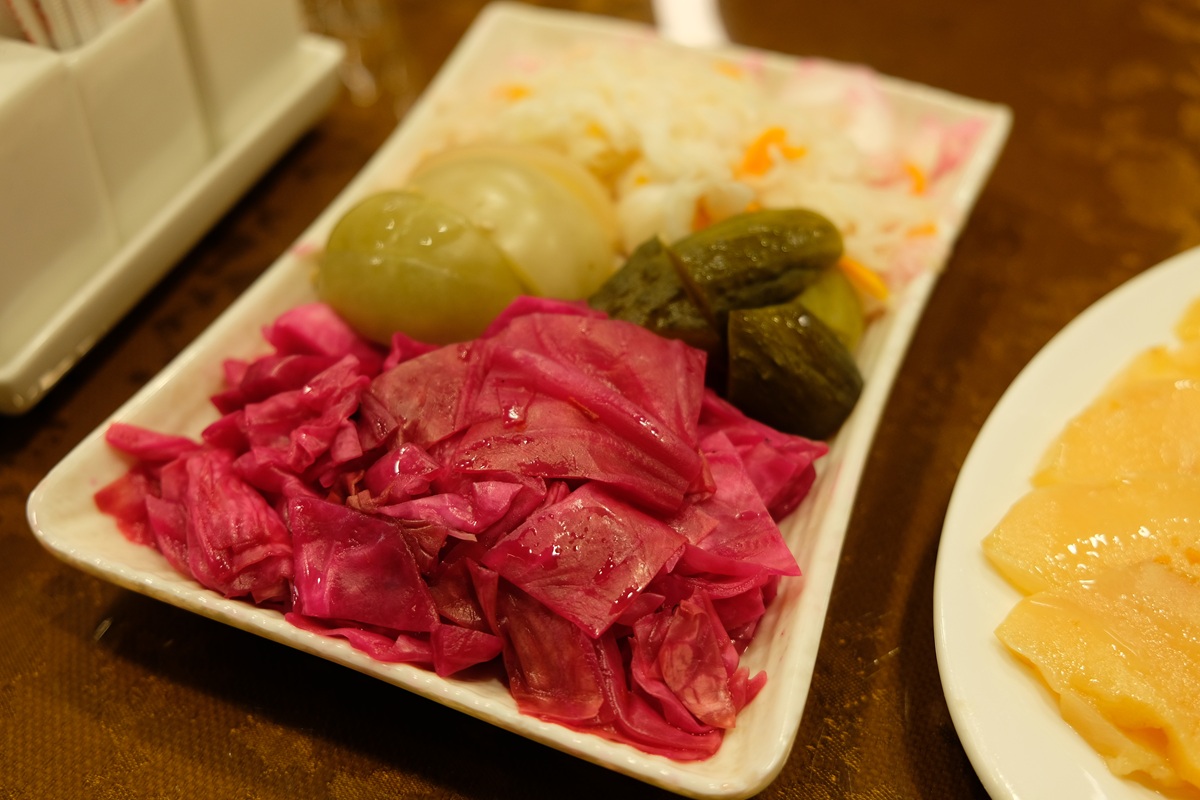
Fresh and pickled vegetables on the side at Komolon Osh Markazi
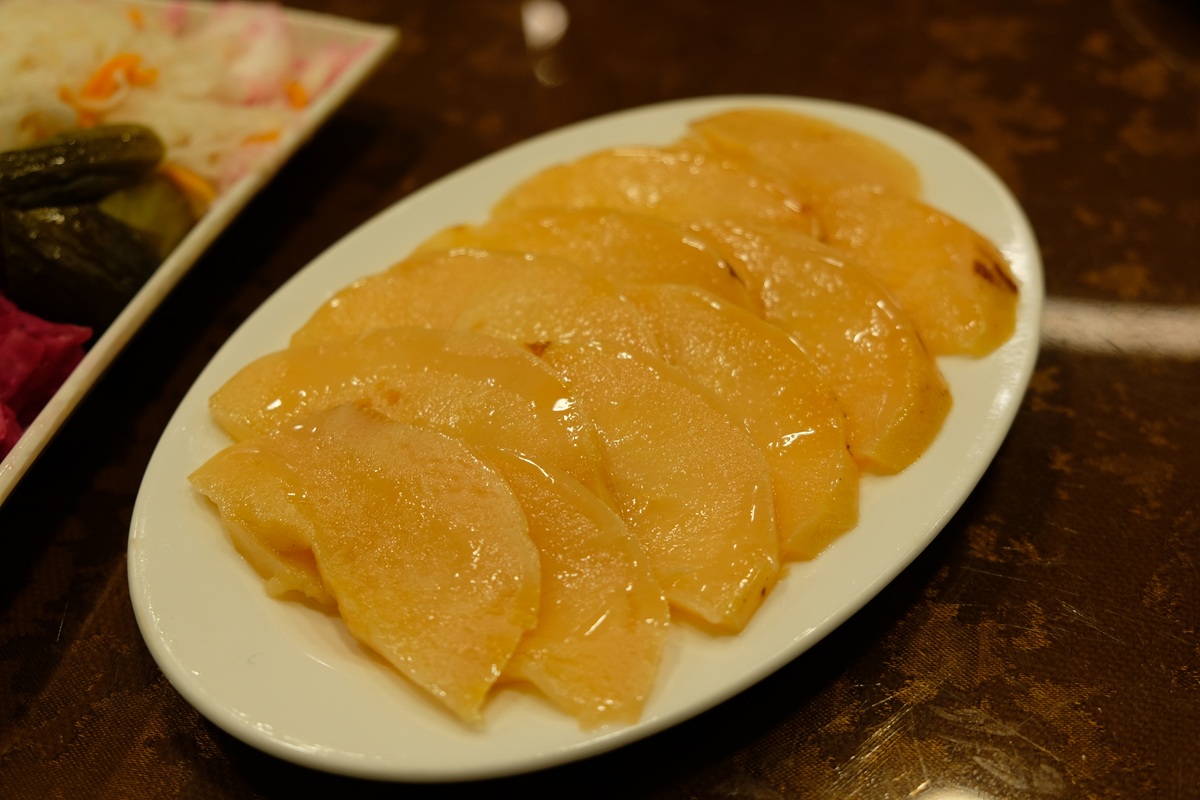
Our first time trying quince
We came to Uzbekistan with low expectations for the local food. But we certainly left the country with a better appreciation of its cuisine that reflects the region’s long and often convoluted history. By now, you might have noticed that the people of Uzbekistan are generally big meat eaters. However, it doesn’t mean that there is nothing to offer to those who avoid any kind of meat. Vegetarian- and vegan-friendly dishes do exist in this country, but you just need to look for them a little harder.
As for the most emblematic dish of Uzbekistan, we surely had our favorite. The one we had in Samarkand is hands down the most flavorsome and complex plov we had ever tasted, while the version we tried in Khiva came in a close second. But from shivit oshi to kadu barak and gumma, we found the local food scene in Uzbekistan far from being boring and monotonous. So, how about you? What Uzbekistani dish intrigues you the most?


All looks tempting, but as I suspected Uzbek food is meat heavy. From your experience, it appears beef is king which would make eating a challenge for me.
LikeLike