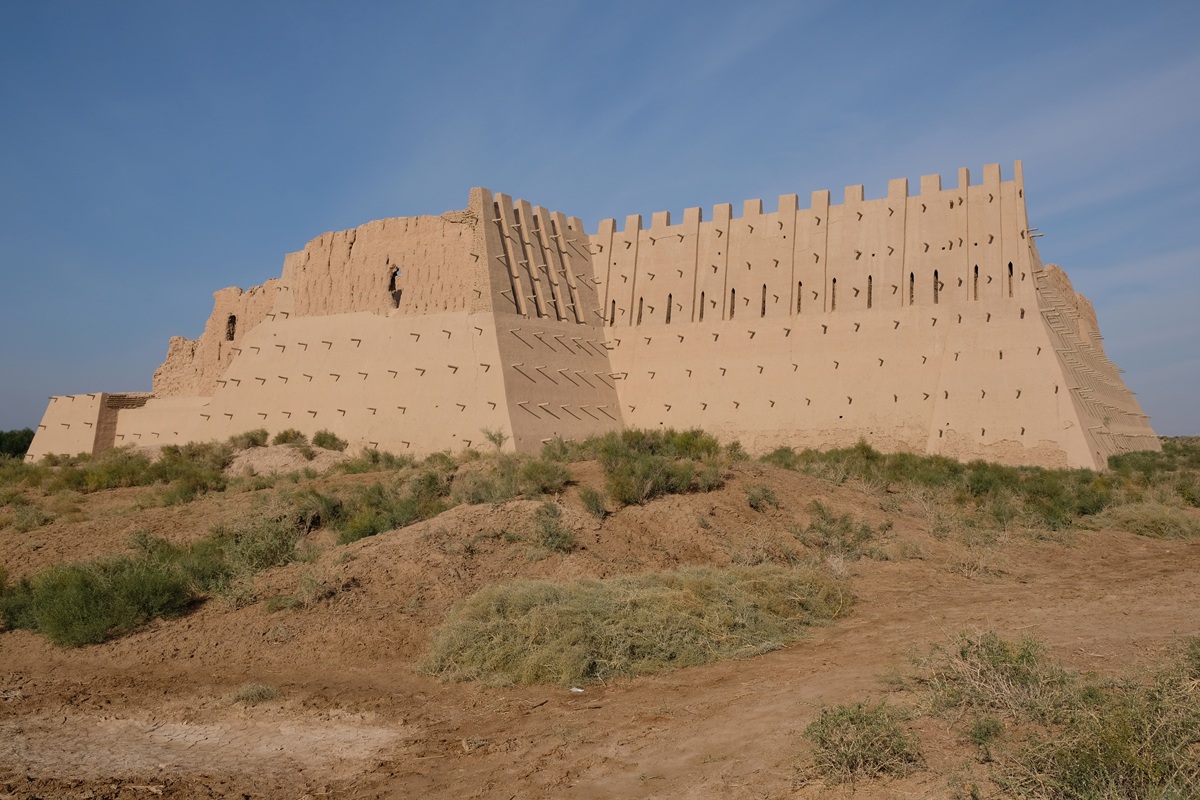
Kyzyl-Kala, the first ancient fortress of Khorezm that we saw
On a chilly October morning, he introduced himself to us. “My name is Dilshod,” he said, and he would be our driver for the whole day. We departed from Itchan Kala, the well-preserved walled city of Khiva, when most other tourists hadn’t woken up yet and the streets of the old town were still quiet. But we had to start early because apart from taking us to Bukhara, which would be our final destination for the day, Dilshold would first make a detour to the ruins of some of the region’s ancient city-fortresses – the latter was James’ idea.
At first glance, this part of Uzbekistan might appear as a desolate place sitting at the western edge of the Kyzylkum Desert – the world’s 15th largest desert. But this vast oasis – known as Chorasmia, Khwarazm, and Khorezm throughout its history – formed by the Amu Darya river delta had been inhabited since antiquity due to its fertile soil. The Iranian Khorezmian civilization, whose language was closely related to the one spoken by the Sogdians, had settled on this land since the Bronze Age. When the mighty Achaemenid Empire controlled this region, people from Khorezm even took part in the second Persian invasion of Greece led by Xerxes in the fifth century BCE. Around one and a half centuries later, however, Khorezm had already become independent from its former Persian overlords.
Khorezm managed to stay free even when the tide had turned in favor of the Greeks following the conquest of Central Asia by Alexander the Great in the fourth century BCE. Successive Hellenistic powers, including the Seleucid Empire and the Greco-Bactrian Kingdom, largely kept Khorezm out of their control, a period which saw the growth of fortresses in this region. From the 11th to the 13th centuries CE, this western part of Central Asia was ruled by the Khorezmian Empire, a Sunni Muslim power that was culturally Persian but of Turkic origin which also controlled much of modern-day Iran. However, in the aftermath of the Mongol invasion, this Turkic people further cemented their position as the dominant ethnic group in Khorezm.
After around two hours since we left Itchan Kala, we arrived at our first fortress for the day: Kyzyl-Kala. With flat lands as far as the eye could see, this partially-reconstructed ancient monument which was initially built between the first and fourth centuries CE was undeniably striking. As we drew closer to it, it became clearer that what previously appeared to be small needles puncturing the façades of the structure were in fact wooden beams that support the millennia-old edifice. On the southeast side, a flight of stairs provide access to the upper gallery. However, as we went up there, it required a little imagination to picture how this place must have looked like during its heyday since not much from that time is left today.
Kyzyl-Kala was a nice introduction to what this part of Uzbekistan has to offer, but I was particularly excited to see the next fortress, thanks to a model of it that I saw at the Toshhovli Palace a few days earlier which really piqued my interest. Toprak-Kala was a short drive away from Kyzyl-Kala, but as we arrived at the second site it immediately dawned on me that the sheer size of this ancient citadel was an indication that it probably served a much more important function than the fortress at the first location. Some even suggest that this larger compound might have been built in the second century CE, which means what we saw was most likely even older than Kyzyl-Kala.
It was mind-boggling to think that when the defensive walls of this citadel were still standing, a palace, hundreds of rooms, several halls serving different purposes, residential quarters, and temples were contained within the perimeter. The architectural model in Khiva even gave away the site’s Zoroastrian past with the existence of a fire temple. However, centuries of abandonment eventually took its toll as most of the citadel was almost completely buried in desert sands when it was rediscovered in the 20th century. But as we were standing at the highest point of the compound, I couldn’t help but feel grateful that at least parts of this ancient monument still last to this day, no matter how worn out. This state of preservation allows us to get a better understanding of the ancient peoples who once ruled this land and managed to build something so extraordinarily massive, even for today’s standards.
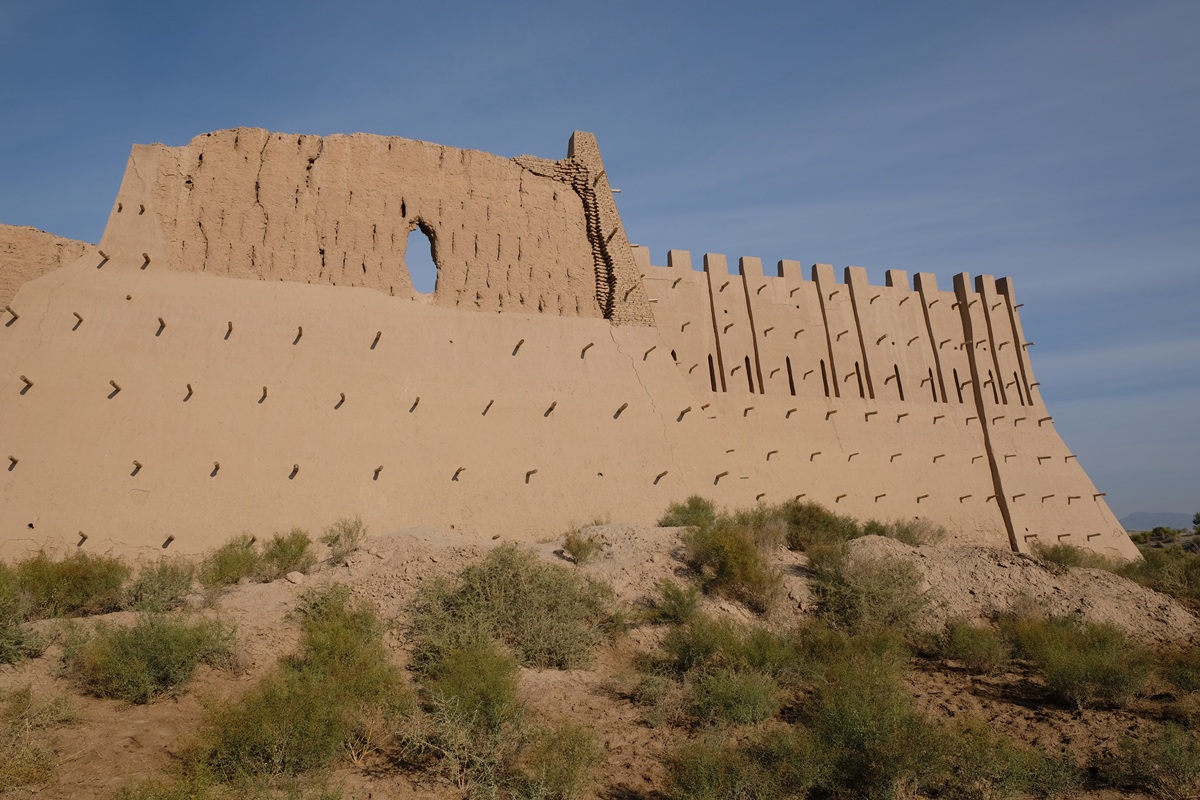
A closer look at Kyzyl-Kala
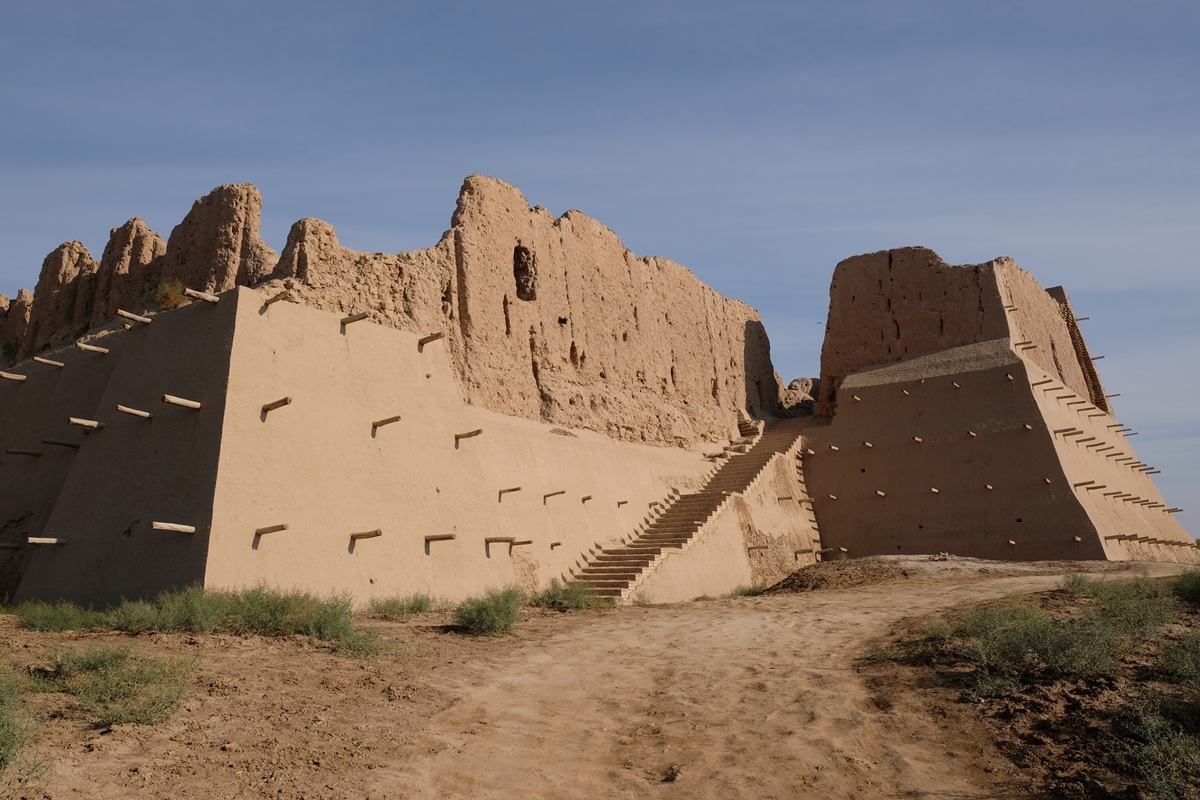
The stairs that take visitors to the interior of the fortress
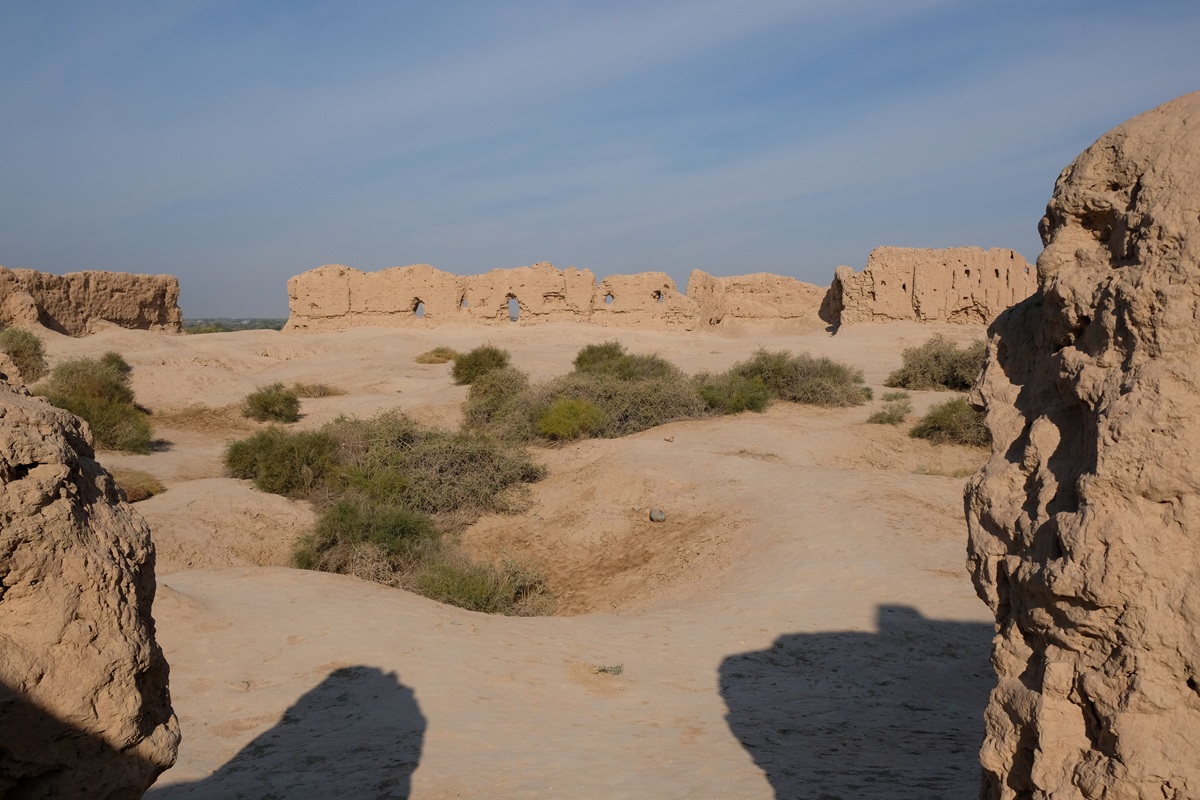
Standing inside Kyzyl-Kala
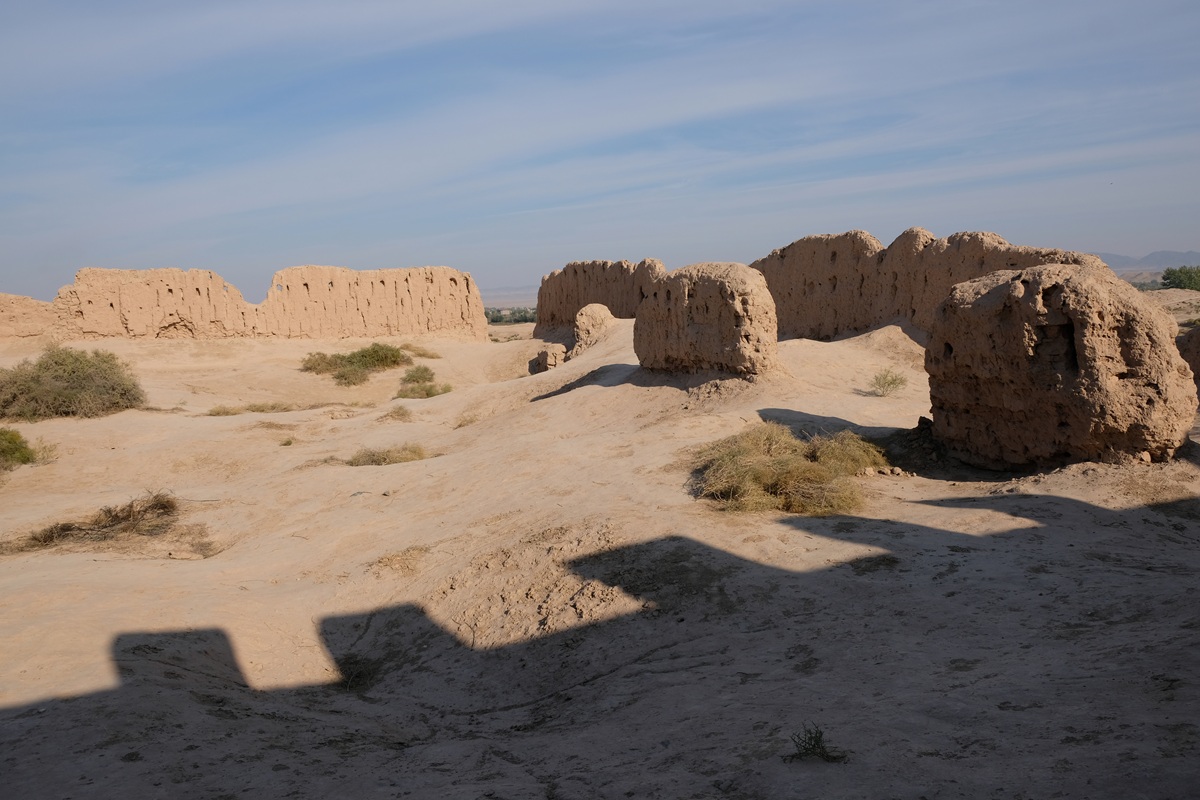
A survivor from the fourth century CE
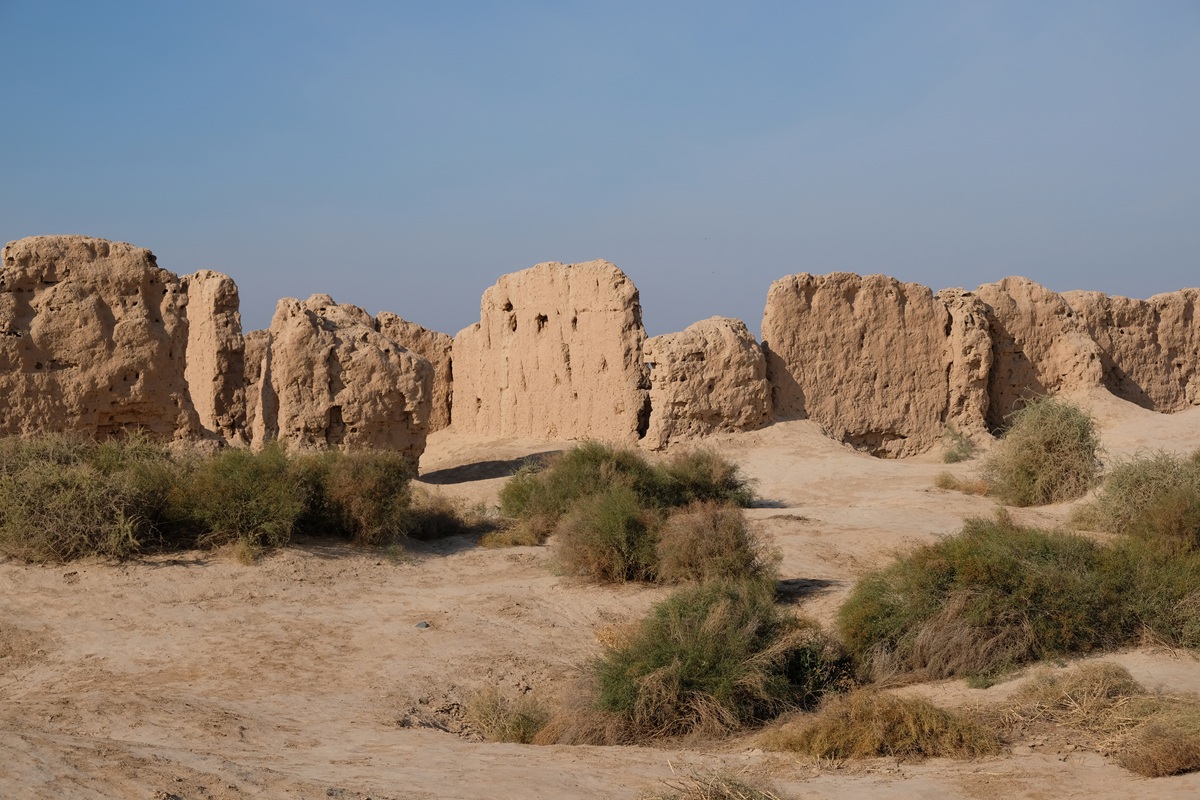
Despite exposure to the harsh elements for centuries, some structures are fortunately still standing
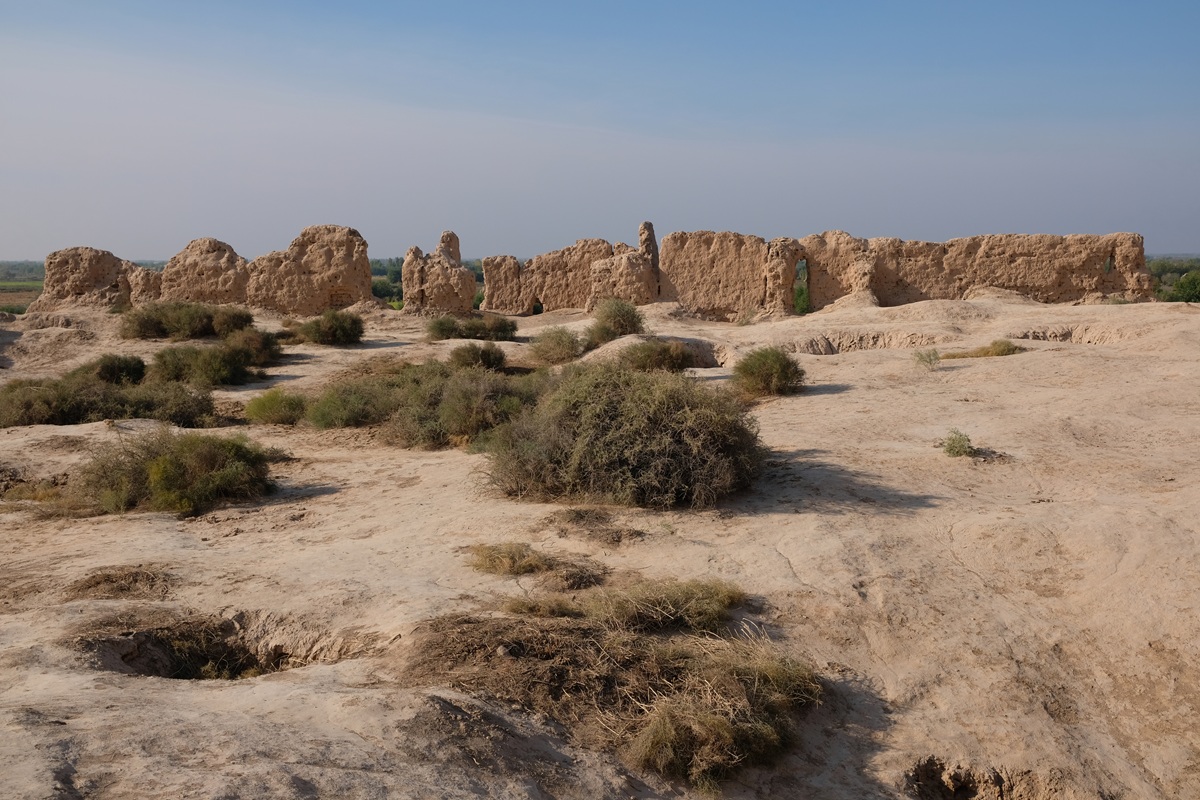
Those holes were dug out in the past by people who believed that treasures were hidden underneath
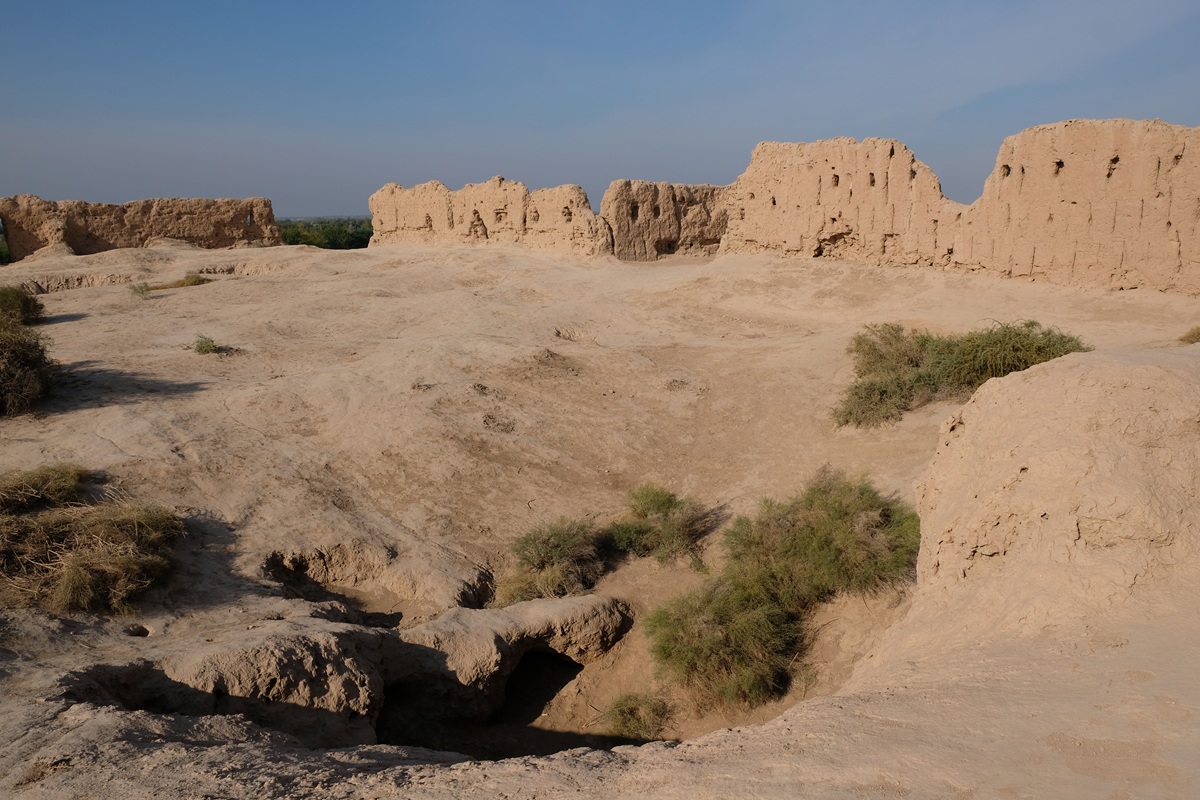
Fun fact: they didn’t find anything
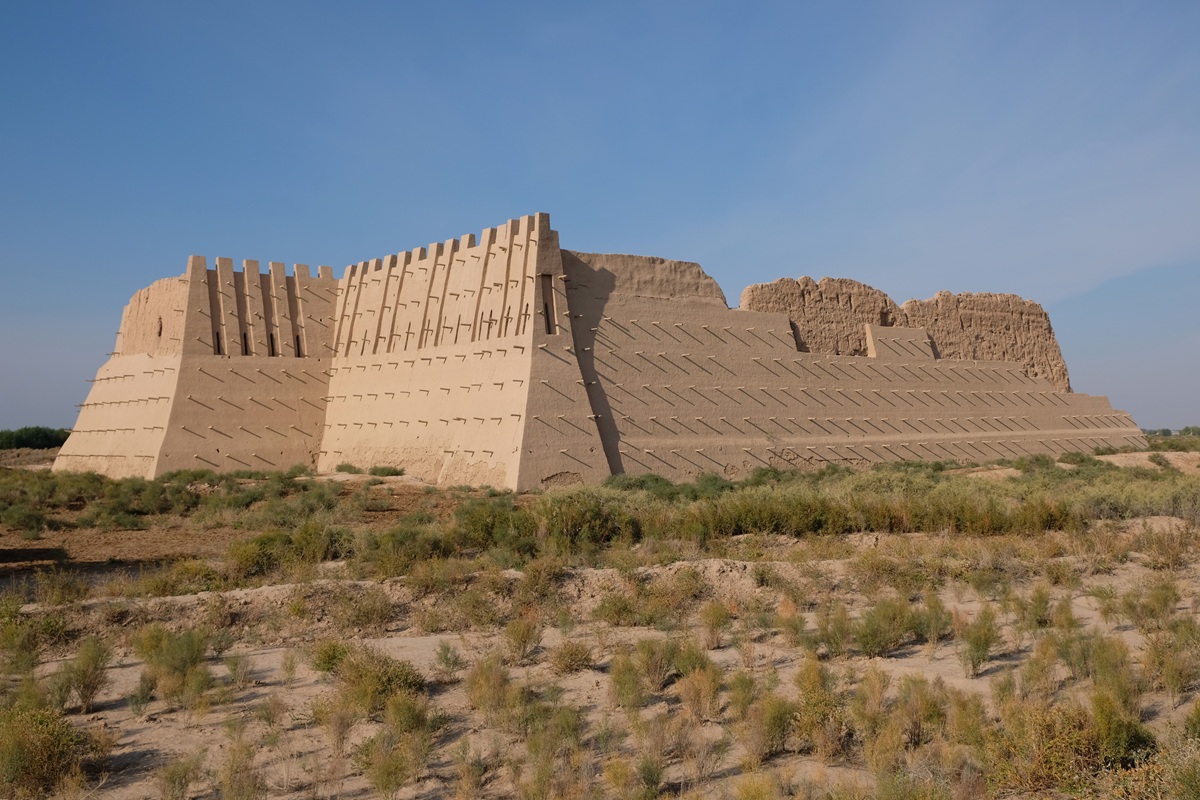
One last look at Kyzyl-Kala before moving on to the next ancient fortress
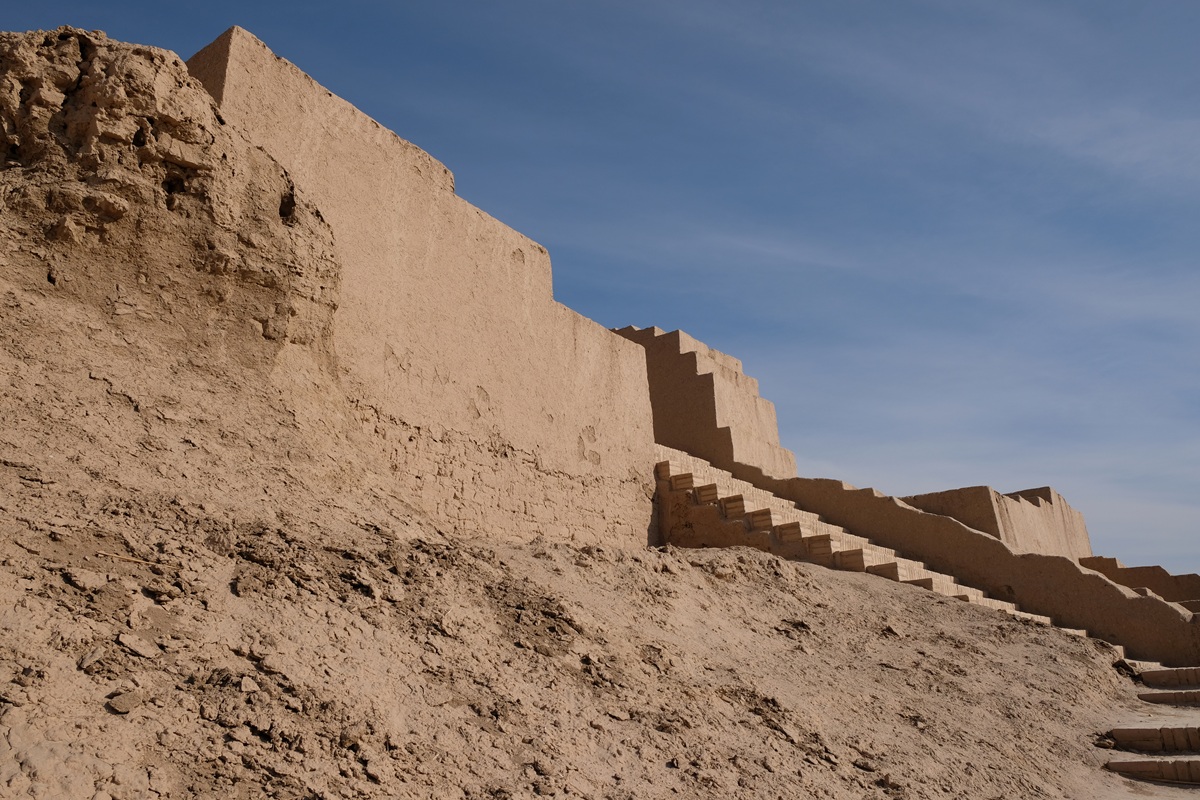
Entering the impressive Toprak-Kala
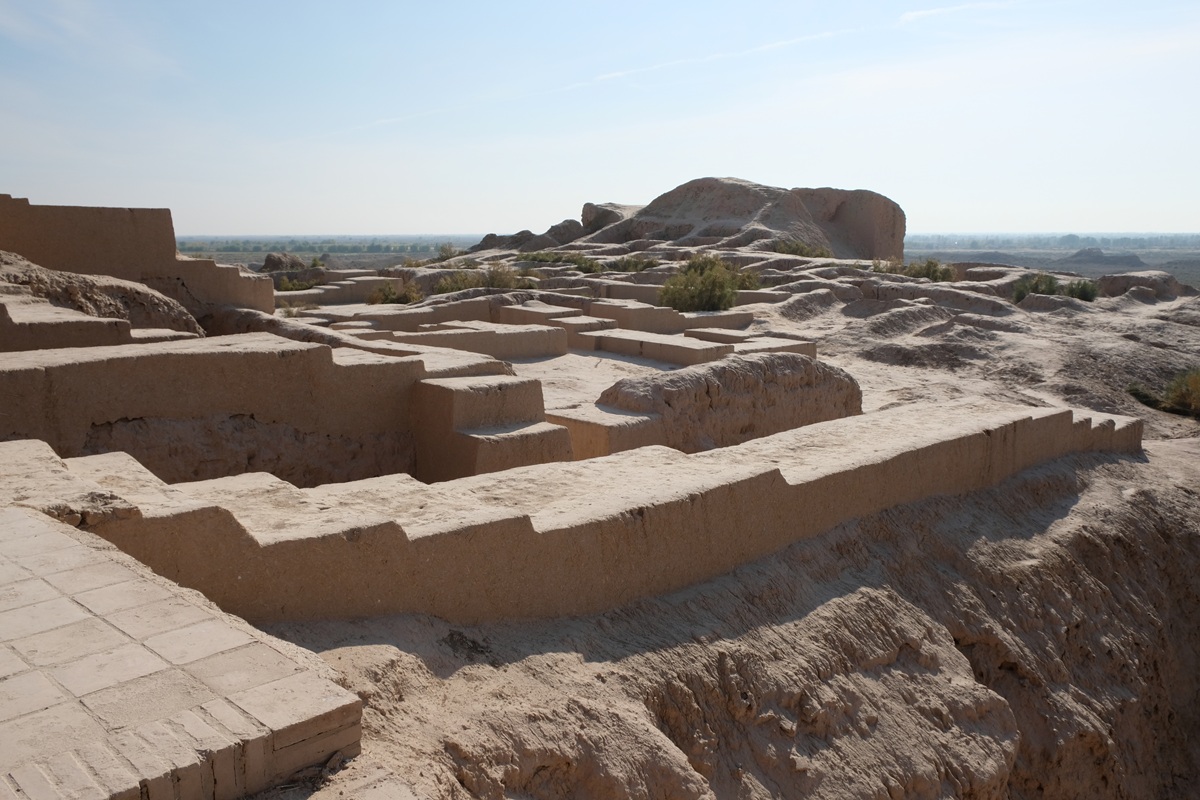
Almost two thousand years ago this part of the fortress served as the palace
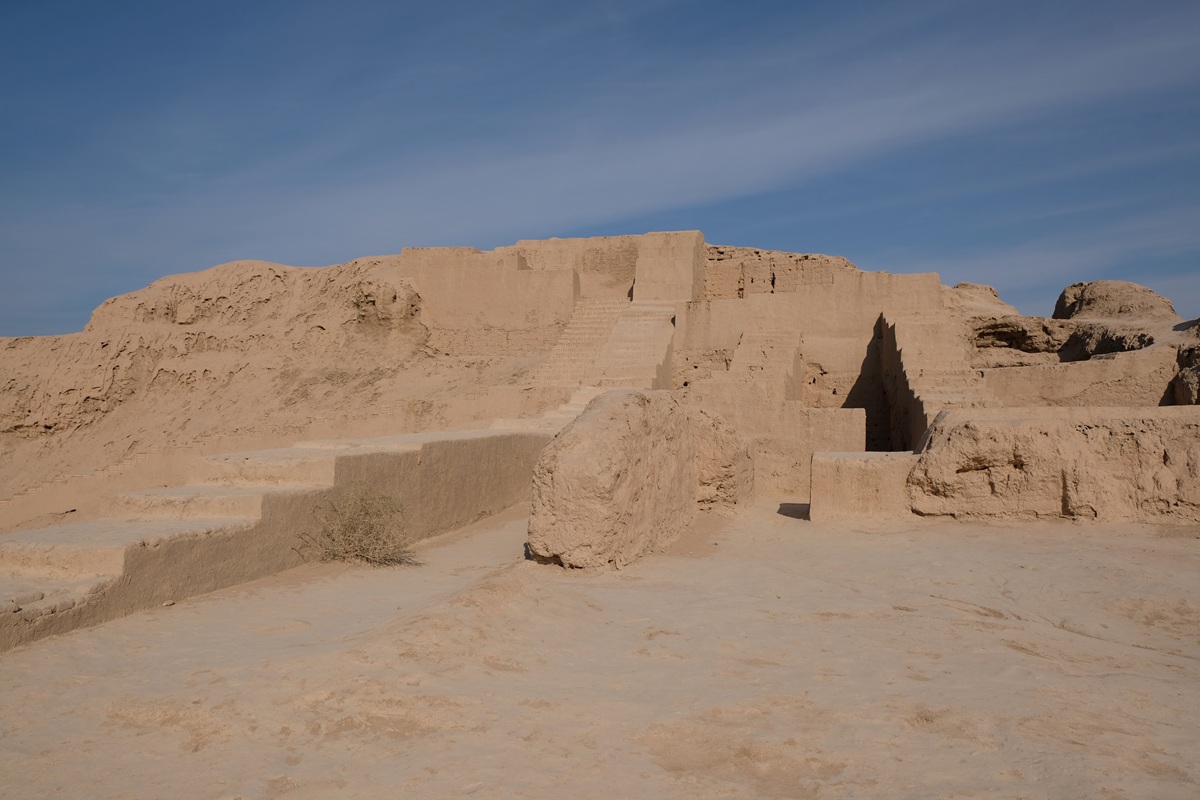
This was once the compound’s northwest tower
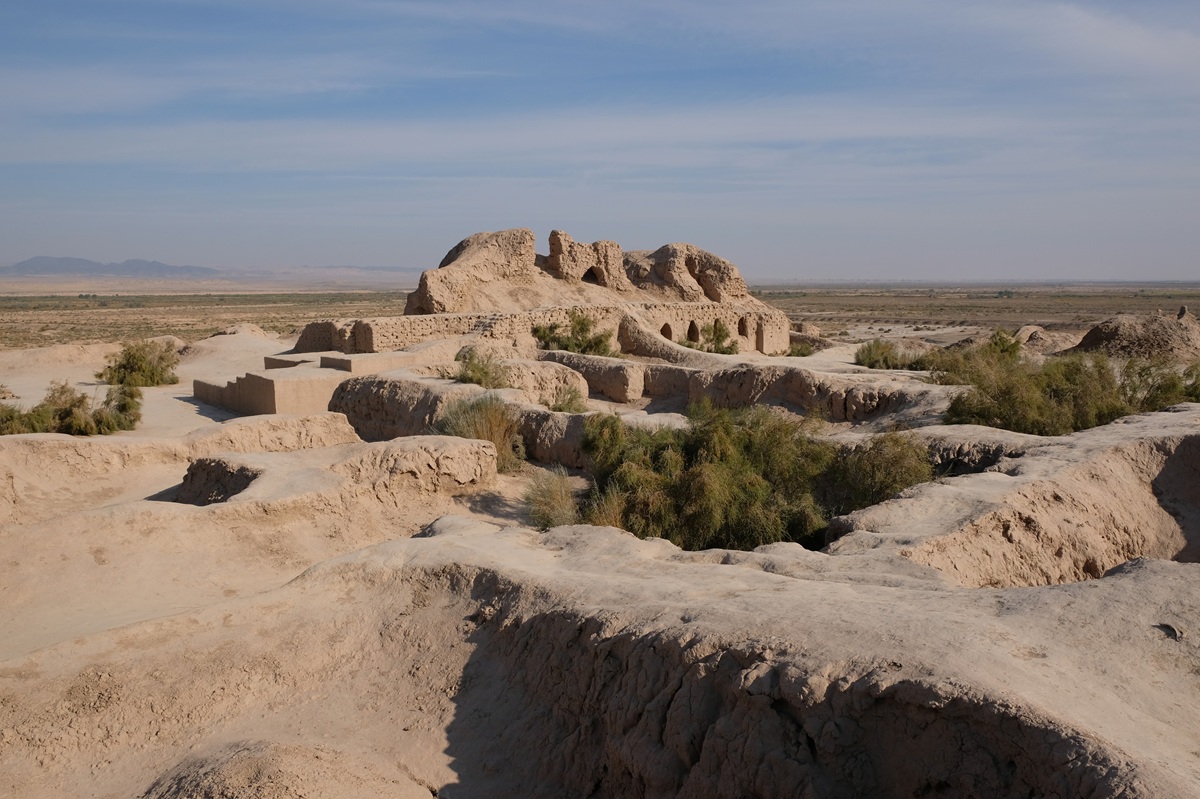
Looking out to what used to be the northeast tower of Toprak-Kala
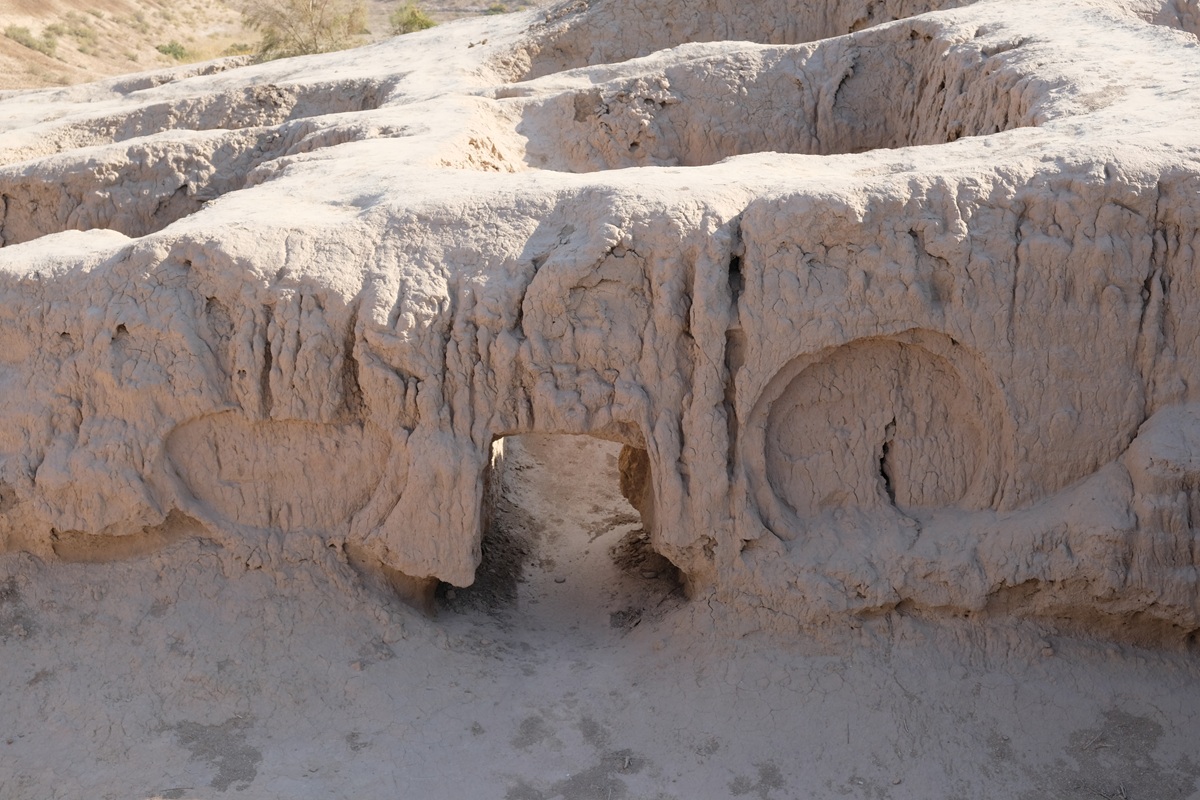
Notice those round niches at one of the halls around the palace?
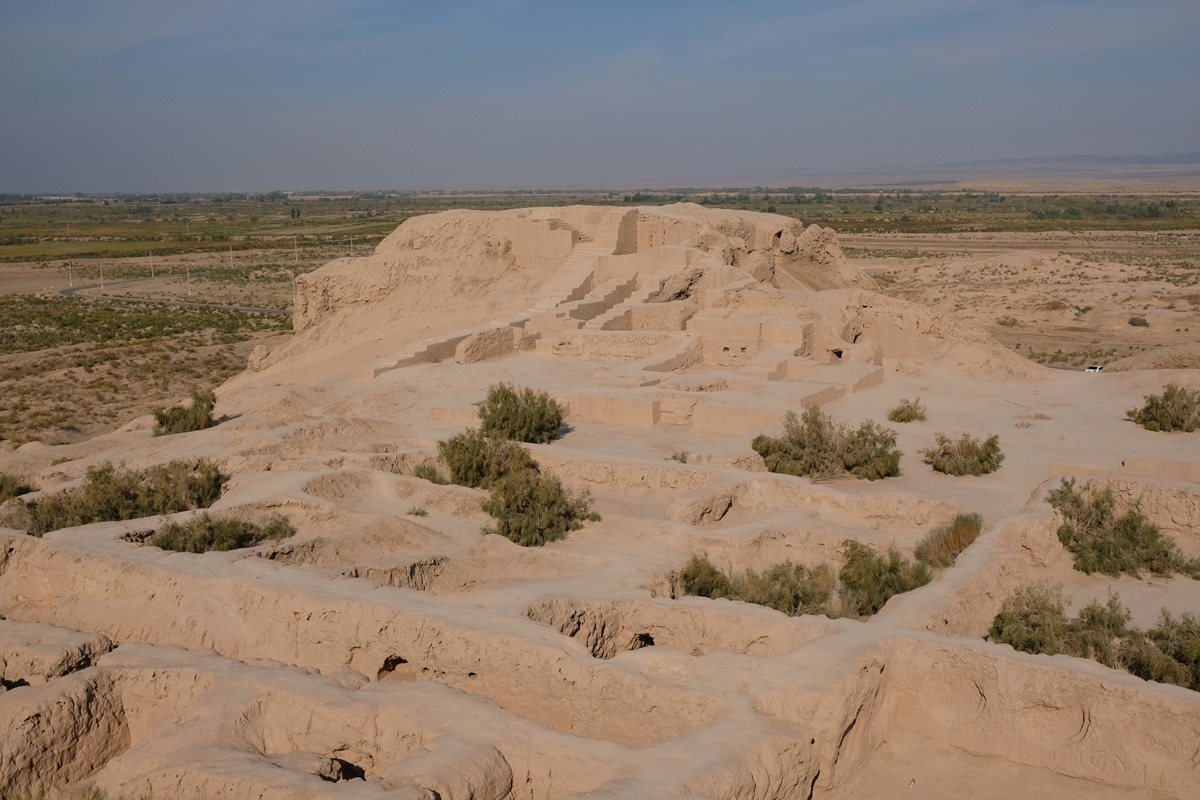
Viewing the former palace from the highest point of the compound – which probably hosted the fire altar
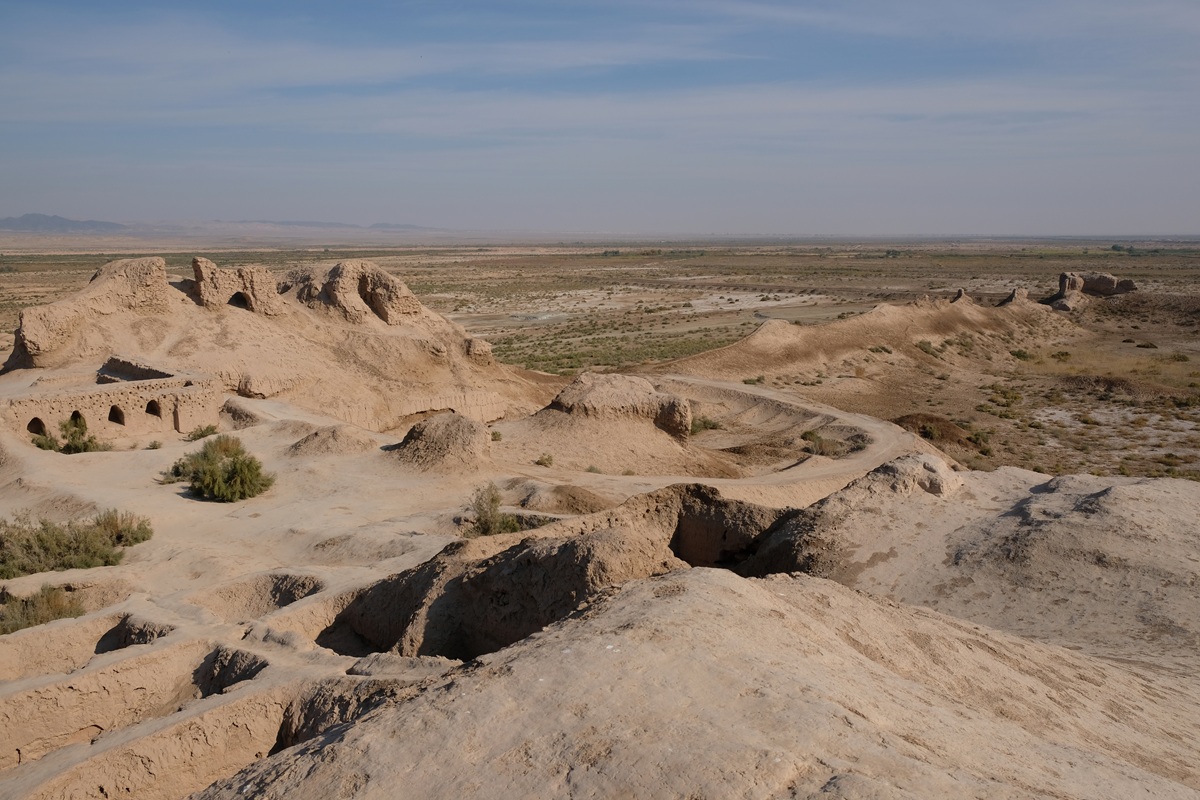
From the same angle we got a nice vantage point of the northeast tower and the ruins of the city wall
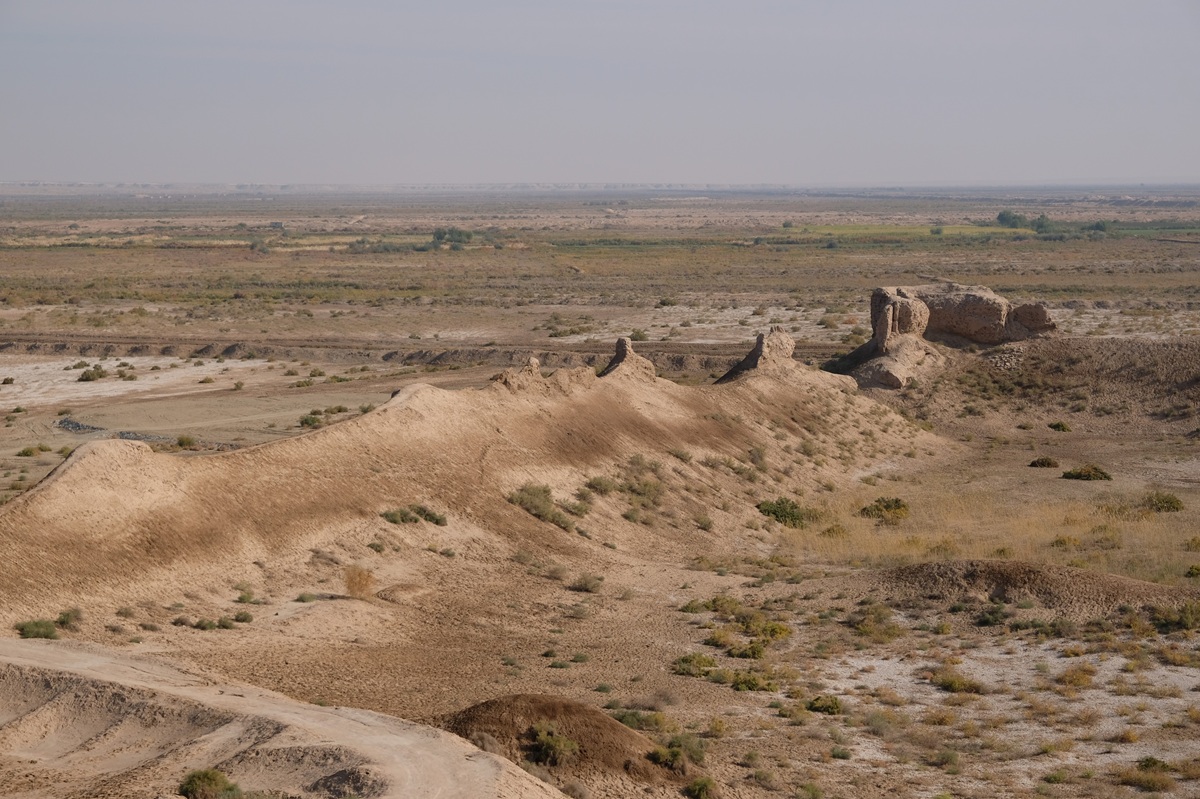
This is what remains today of the former defensive walls of the citadel
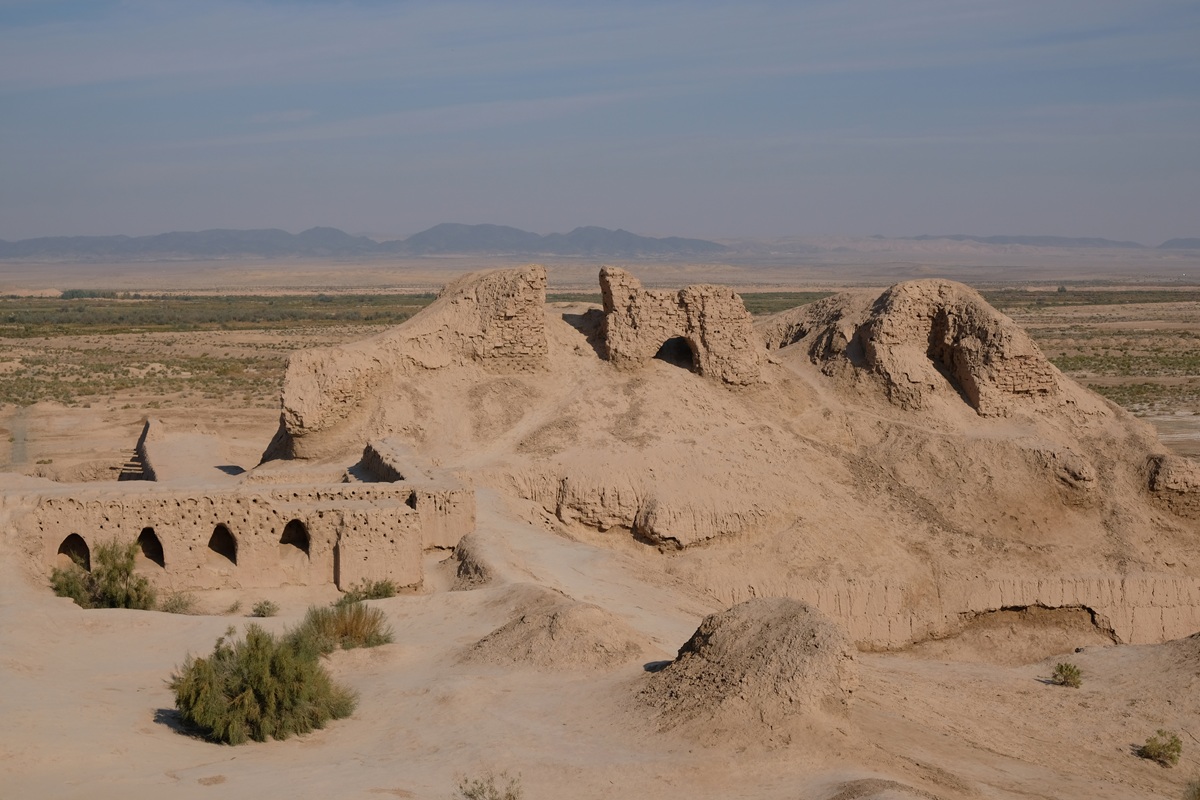
Of course, we went closer to the former northeast tower
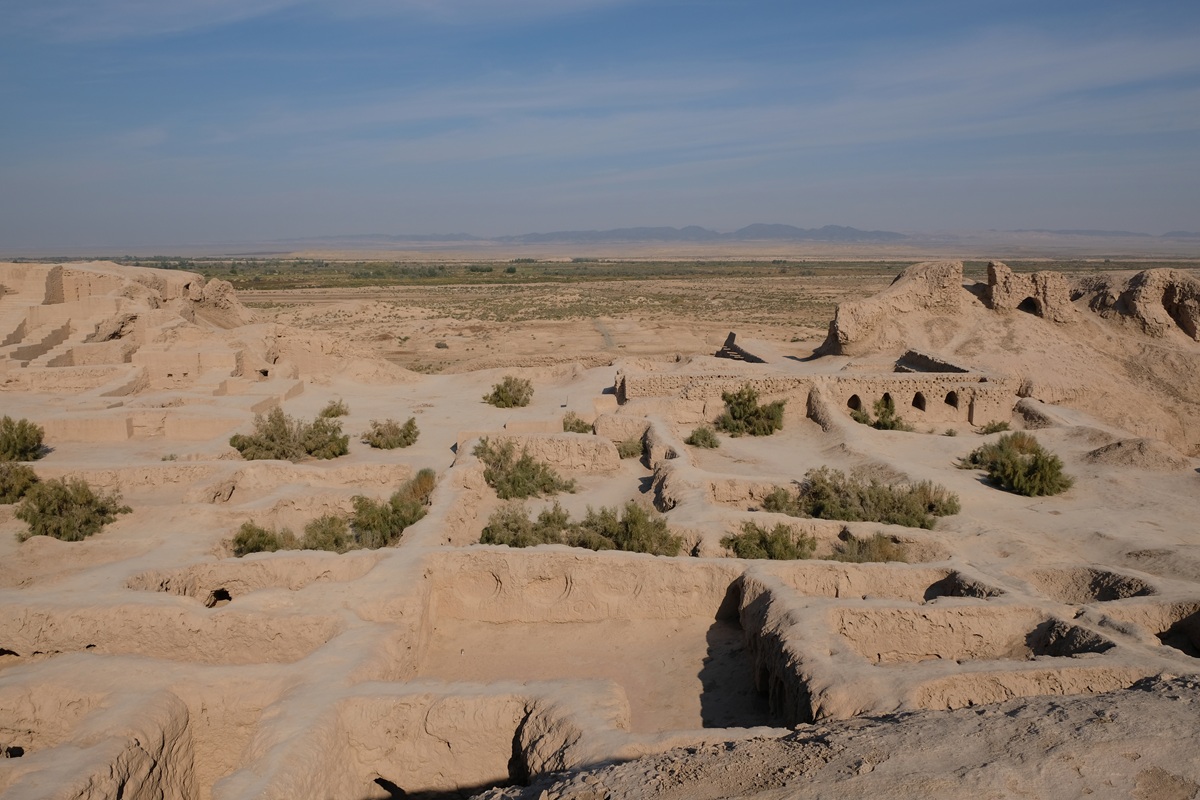
A view from the highest point of Toprak-Kala
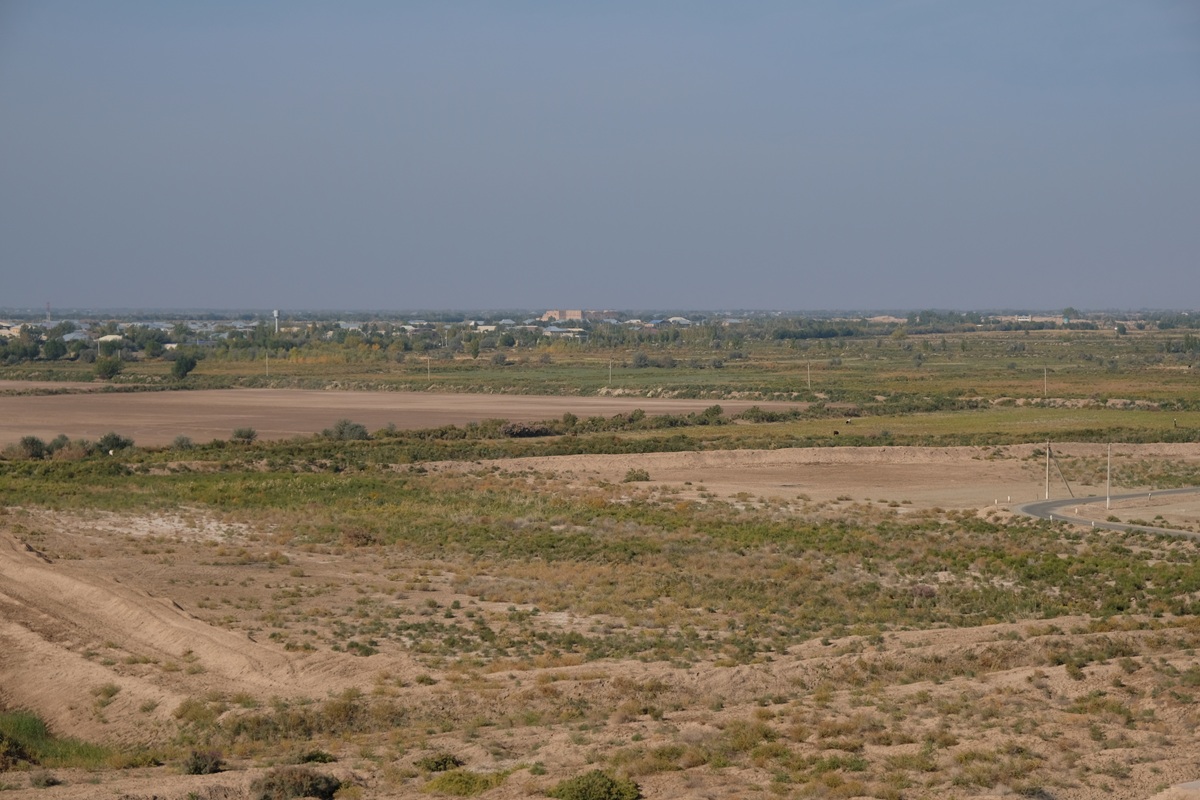
If you squint enough, you can actually see Kyzyl-Kala from Toprak-Kala
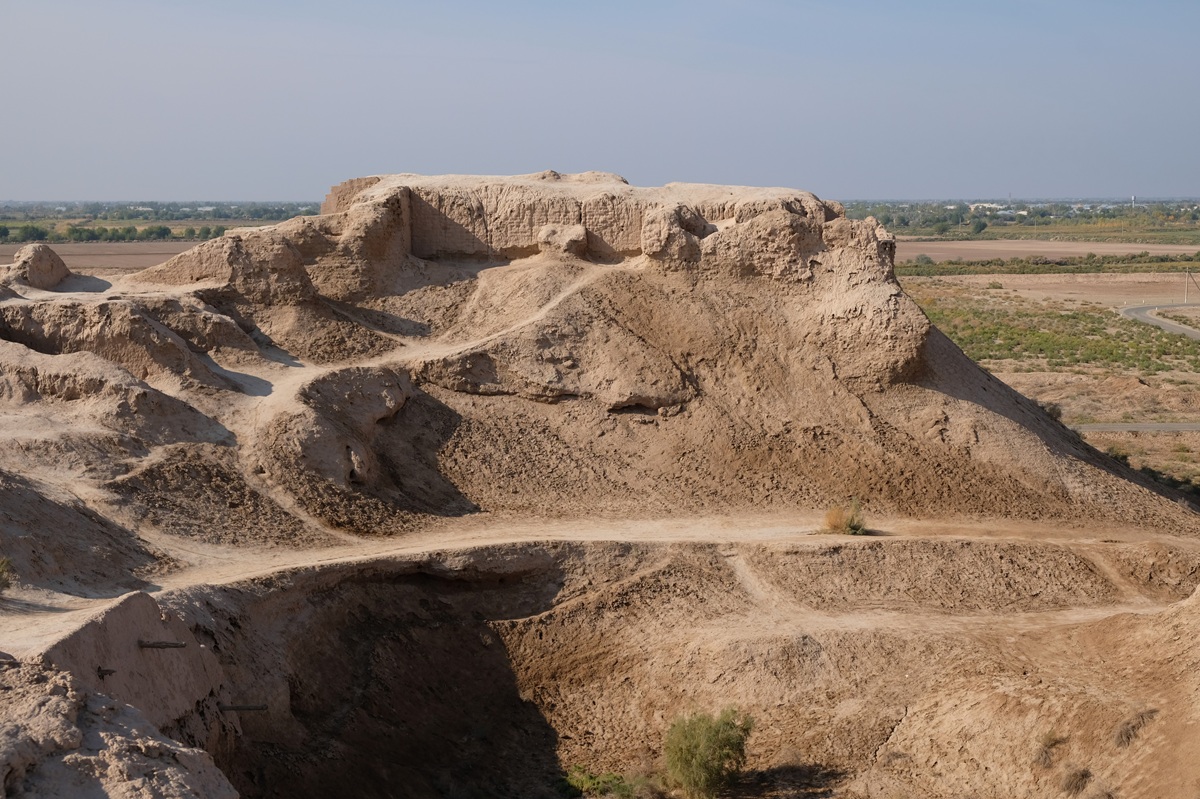
Imagine if ancient sites like this could be restored to their original appearance
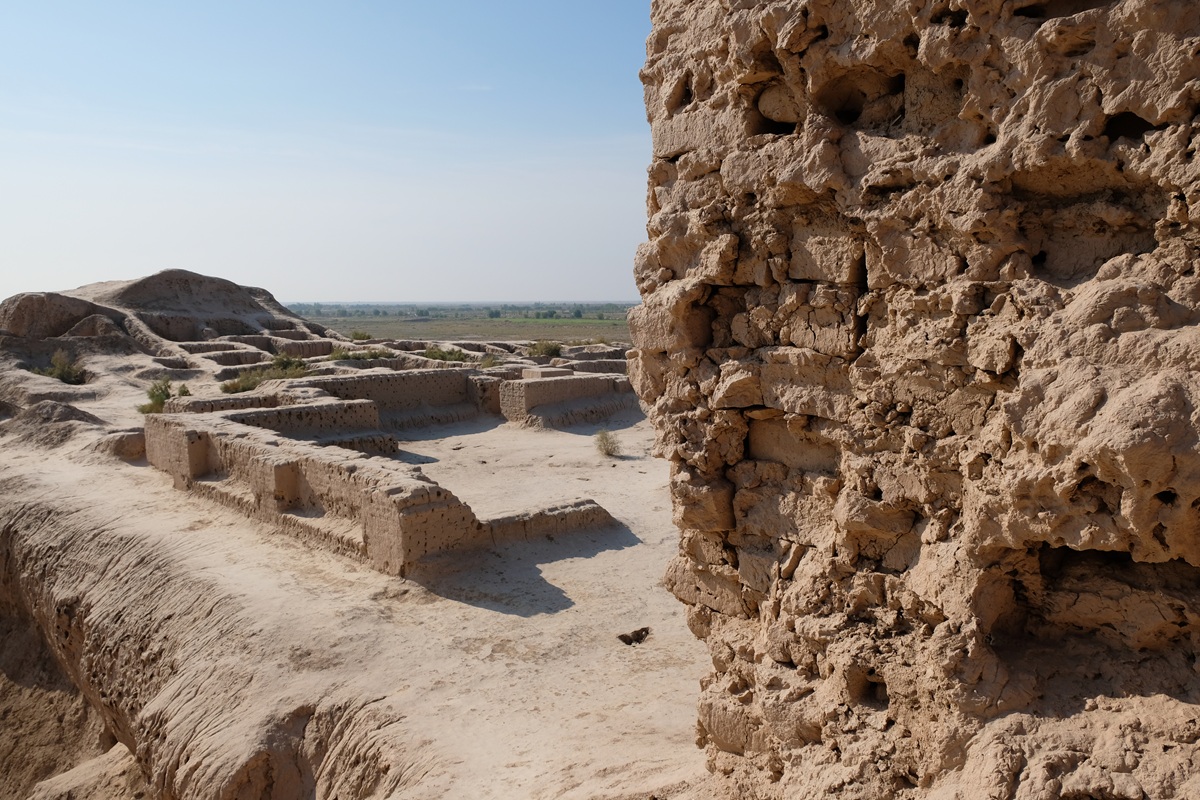
Toprak-Kala was easily my favorite ancient fortress in Khorezm
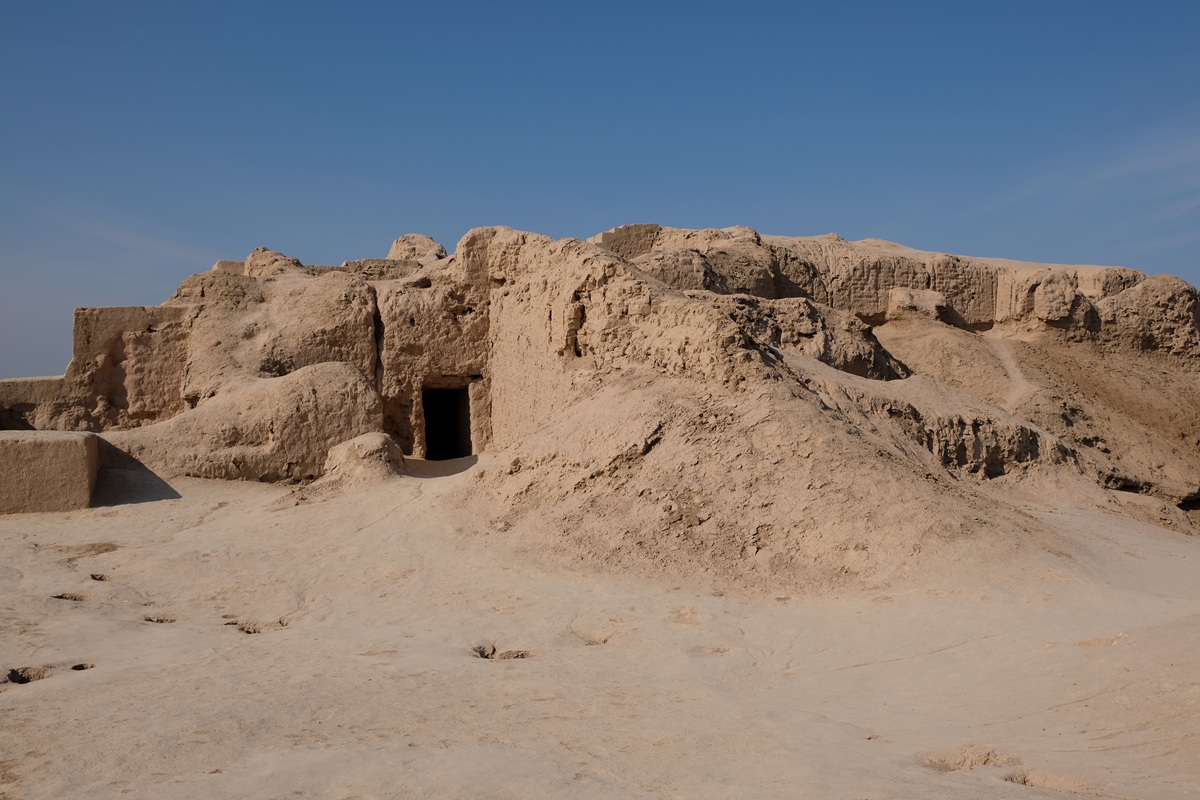
Checking out one more corner of Toprak-Kala before continuing to Ayaz-Kala
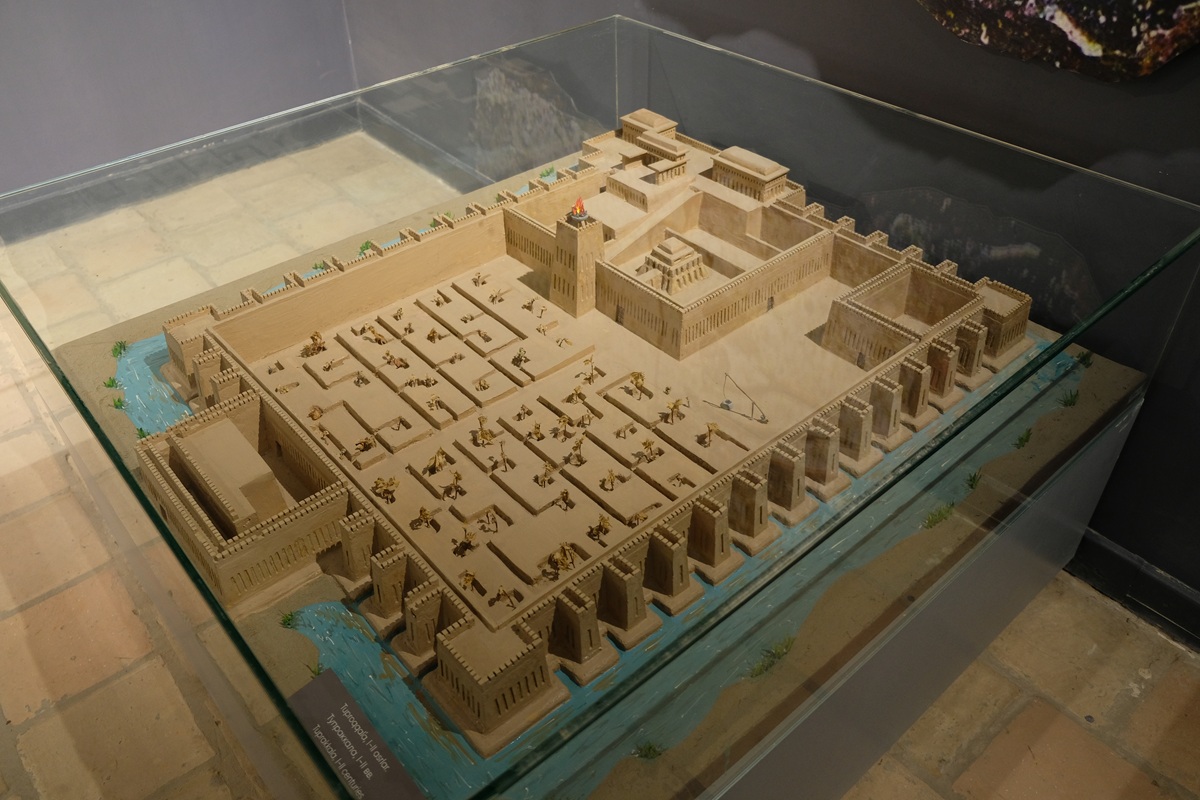
A model of Toprak-Kala at the Toshhovli Palace in Khiva
To visit our next fortress, we had to go to the edge of the desert less than an hour away from Toprak-Kala. Dilshod must have taken countless tourists to these sites as he seemed to know the roads in this region like the back of his hand. Before long, we were already surrounded by the harsh landscape of the Kyzylkum Desert. And as I was looking out of the car’s window, a butte with an ancient structure on top of it came into view, with the backdrop of a higher hill where an even larger man-made compound overlooked the former. Together, they made the entire scene look very dramatic.
Ayaz-Kala comprises three fortresses that were built roughly between the fourth century BCE – when Khorezm gained independence from the Achaemenid Empire – to the eighth century CE. The decision to build these defensive structures right at the edge of the desert was primarily to prevent raids from the nomadic tribes in the region. And judging from the scale of the monuments, the threat might have been very serious. As soon as Dilshod pulled over at the site’s parking area, we had to continue on foot to reach Ayaz-Kala I, the site situated on the higher hill. The hike should’ve been easy, but the soft sand made it a lot harder than it might appear at first. Certainly, conquering it centuries ago when this fortress still served its main purpose must not have been a straightforward affair.
Going up to the fortress proved to be a short but good exercise, and once we were there, we were treated with the views of the vast desert everywhere we looked. We walked alongside ancient walls and chambers of this fortification that was built over 2,000 years ago, and I couldn’t help but feel amazed by how such ancient man-made structures still stand to this day – at least parts of them. As we drew closer to the southwestern edge of the hilltop compound, we saw Ayaz-Kala II again – that fortress on a butte that we saw earlier – but this time from a bird’s eye perspective. The smaller structure that Ayaz-Kala I overlooks was in fact commissioned much later between the sixth to the eighth centuries CE. The third fortress, however, was in a supposedly worse state of preservation, which partially explains why we were unaware of it and therefore skipped it.
I don’t remember that walking down from Ayaz-Kala I to reach the carpark was much easier than going up, so I was impressed by a young boy who ran gleefully on the terrain as if it was solid ground. We spotted Dilshod and his car amid other vehicles, and soon afterward we bid adieu to Khorezm (or Xorazm in modern Uzbekistani spelling) and headed straight to Bukhara… or so we thought. Less than an hour later, our driver suddenly made a brief stop at yet another ancient fortress which he thought we might be interested in checking out. Guldursun-Kala was built in the 12th century CE, roughly a century before the conquer of the Khorezmian Empire by the invading Mongol forces, led by none other than Genghis Khan himself. Needless to say, it was a nice impromptu stop before going back to the long and mostly straight highway connecting Khiva and Bukhara.
Although we managed to make simple conversations with our driver, for the most part he didn’t really speak English. But that was not the problem. Quite the opposite from the calm-mannered driver who took us from Bukhara to Khiva five days earlier, at times Dilshod made me rather nervous. On the long stretches of the highway, he often checked his phone and watched videos while driving at a high speed. As a result, I stayed fully awake throughout the entire journey to provide a second pair of eyes to our oft-distracted driver.
Fortunately, we arrived in the already-dark Bukhara in one piece. Although we only had several hours in the city – just enough to rest before waking up very early the next morning to catch the train to Tashkent – we were reminded of why we loved Bukhara. The owner of the hotel where we stayed seemed visibly concerned and disappointed that we wouldn’t have enough time to have breakfast at his place, a reminder of the Bukharan hospitality that we adored. However, sometimes when we travel we have to make things work, especially when it comes to flight or train schedules. I certainly hoped we could have spent one more day in this city, but it was time for us to explore the last destination in our two-week trip across Uzbekistan: Tashkent, the nation’s modern capital and primary international gateway.
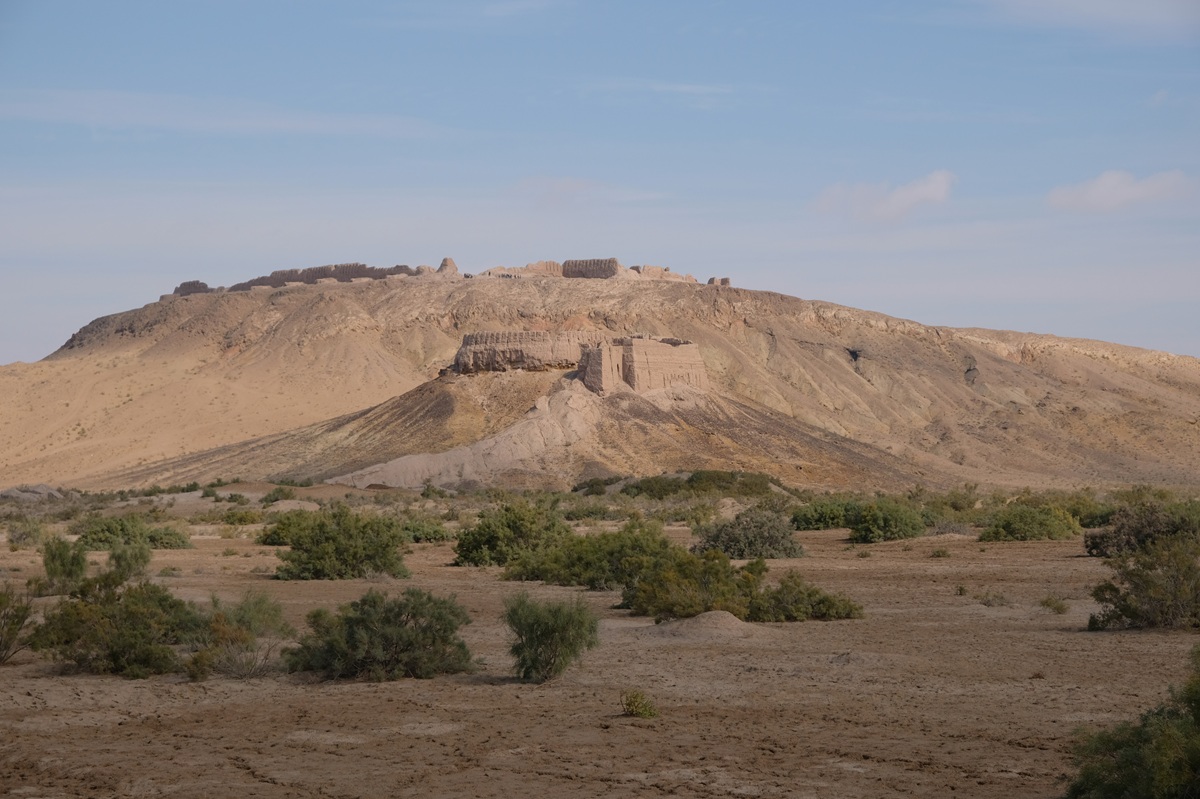
Approaching Ayaz-Kala
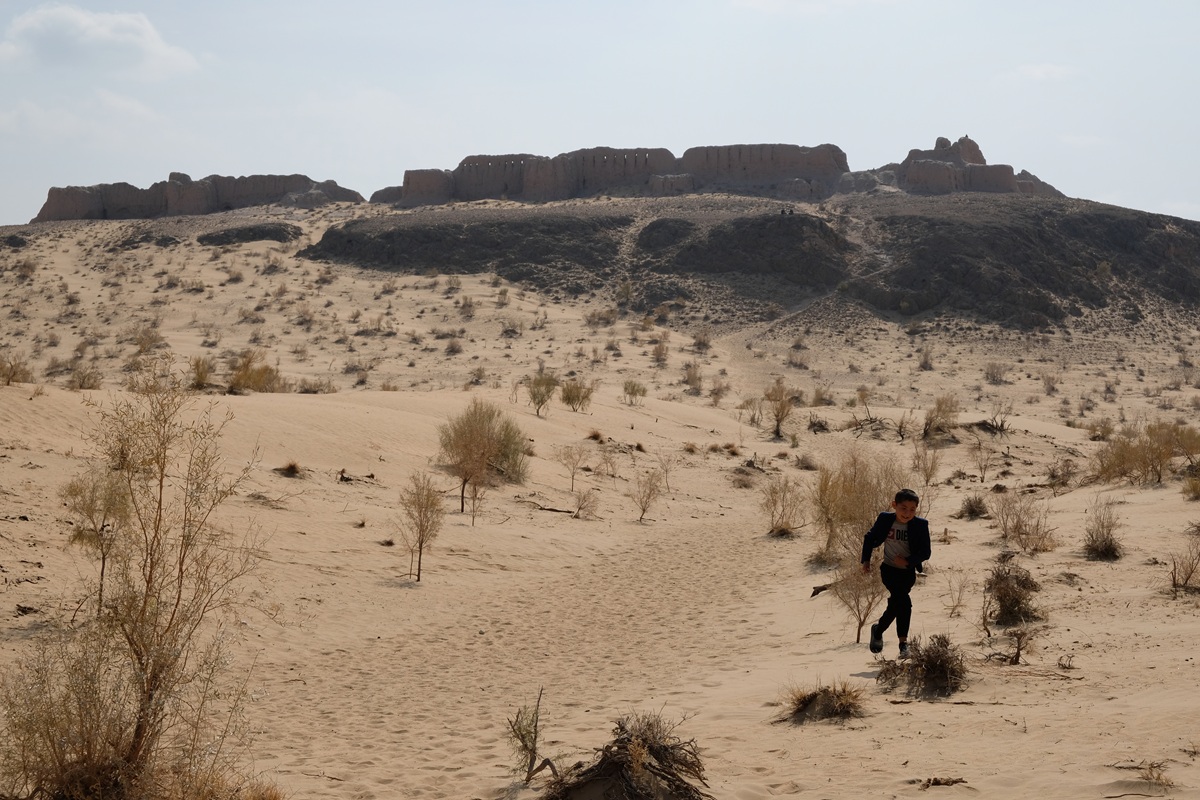
From the carpark, we had to do a little hike to reach Ayaz-Kala I
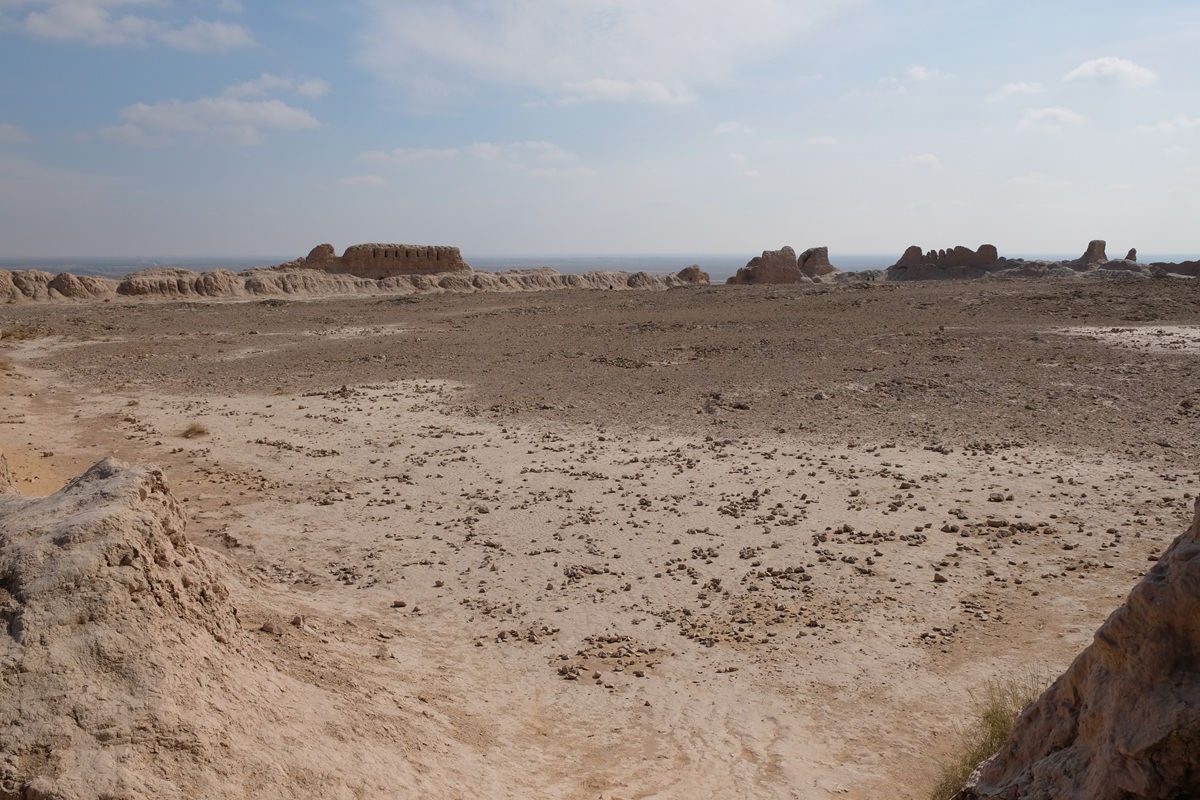
You will get a better idea of the scale of Ayaz-Kala I once you are inside
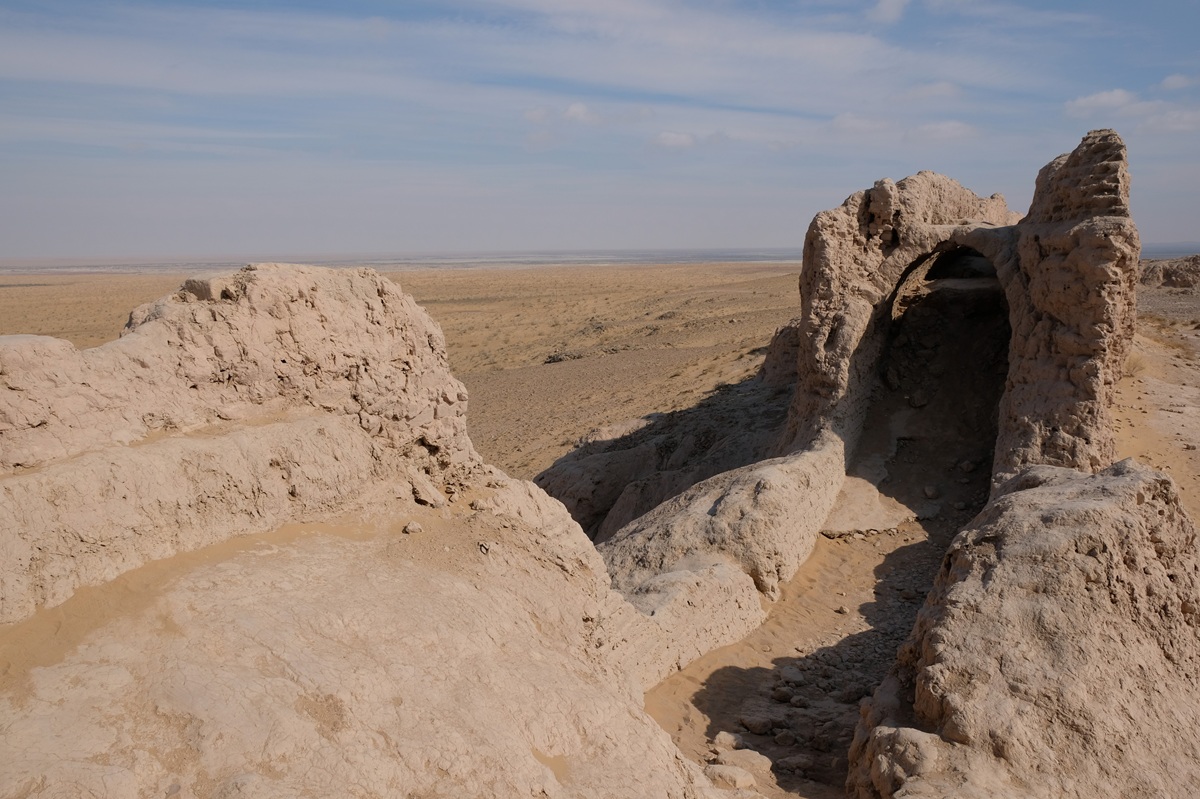
Structures from more than 2,000 years ago
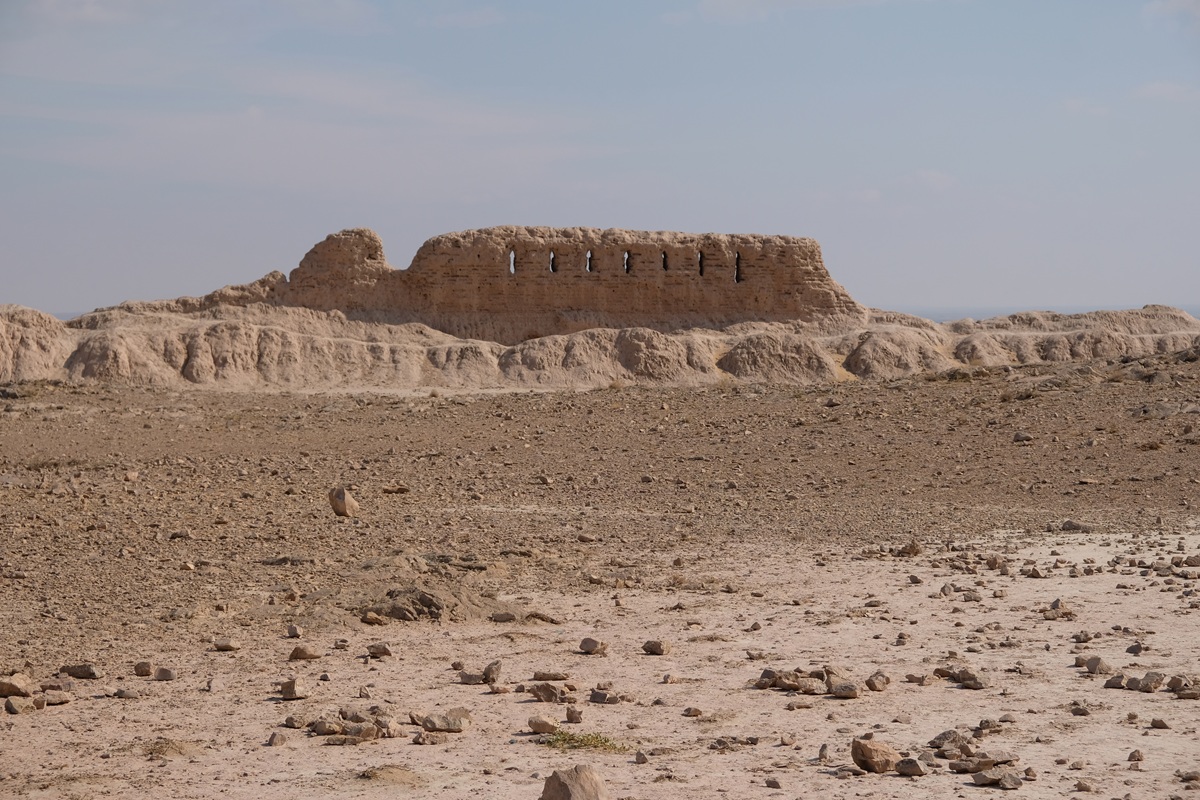
Ayaz-Kala I was so vast it felt like a desert on its own
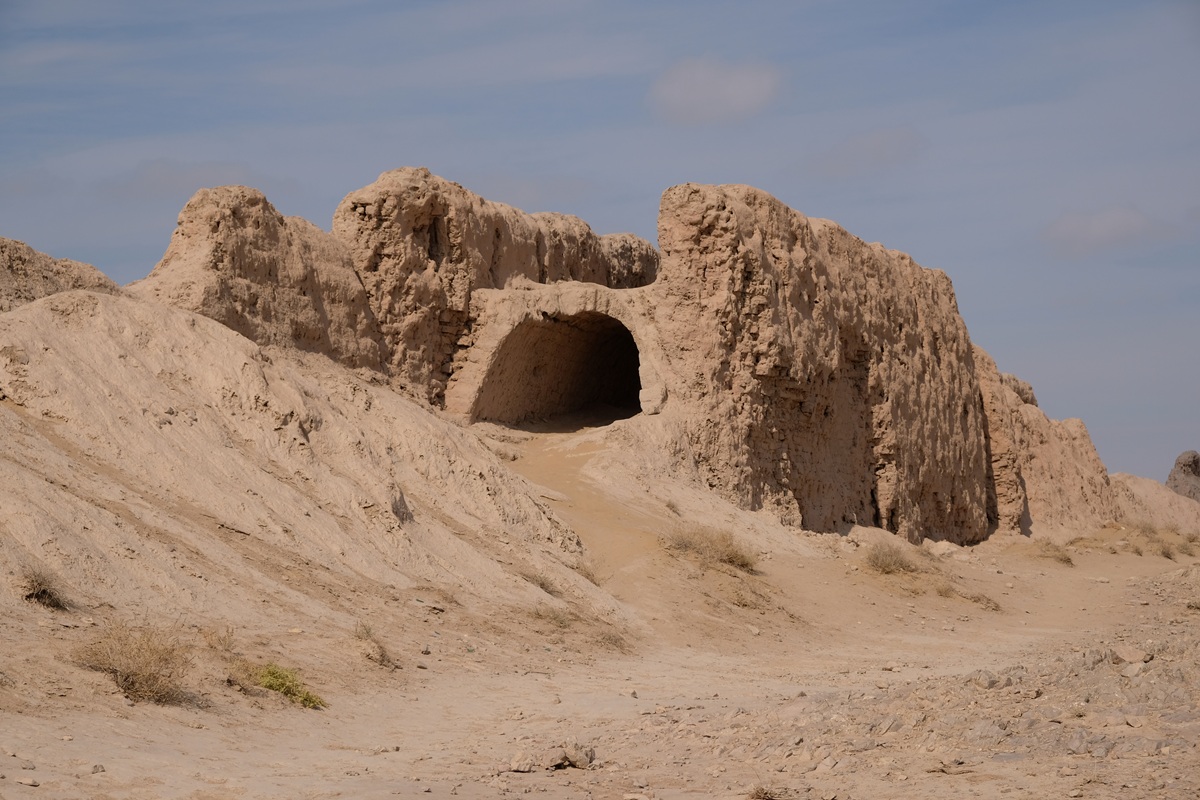
Still standing at the edge of the Kyzylkum Desert
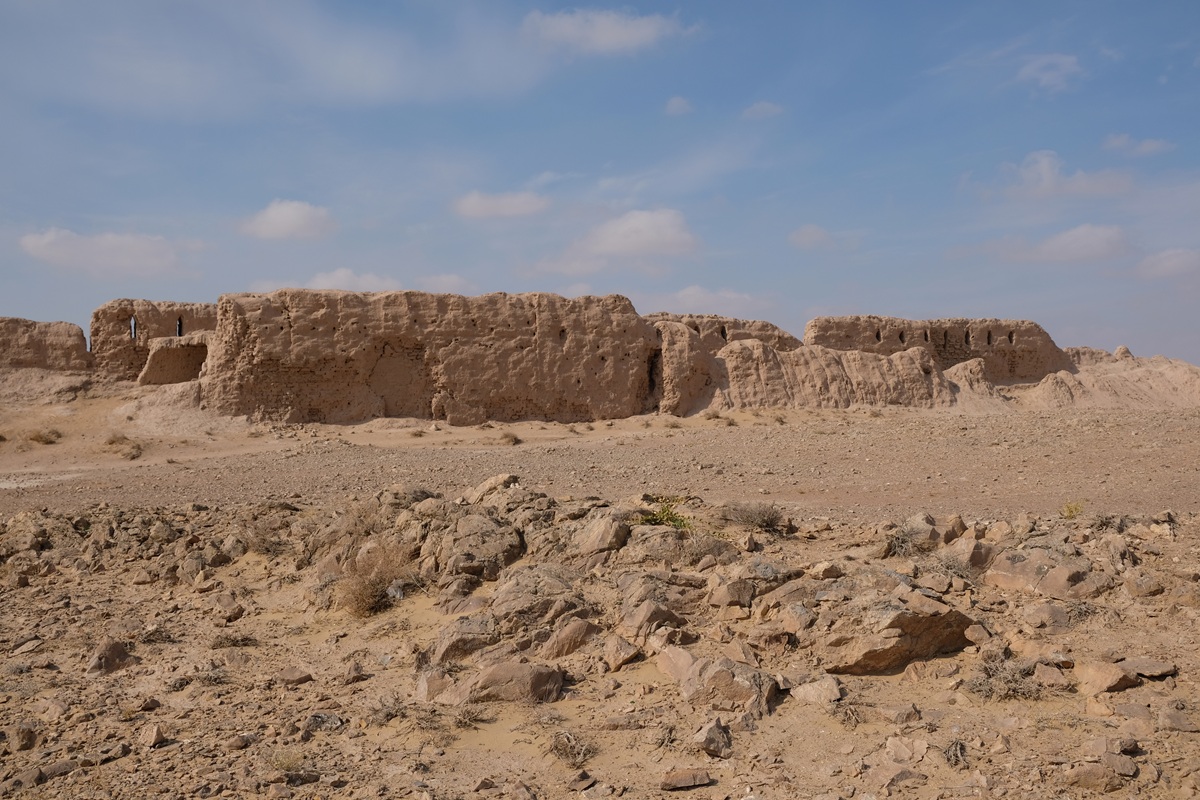
Another angle from within Ayaz-Kala I
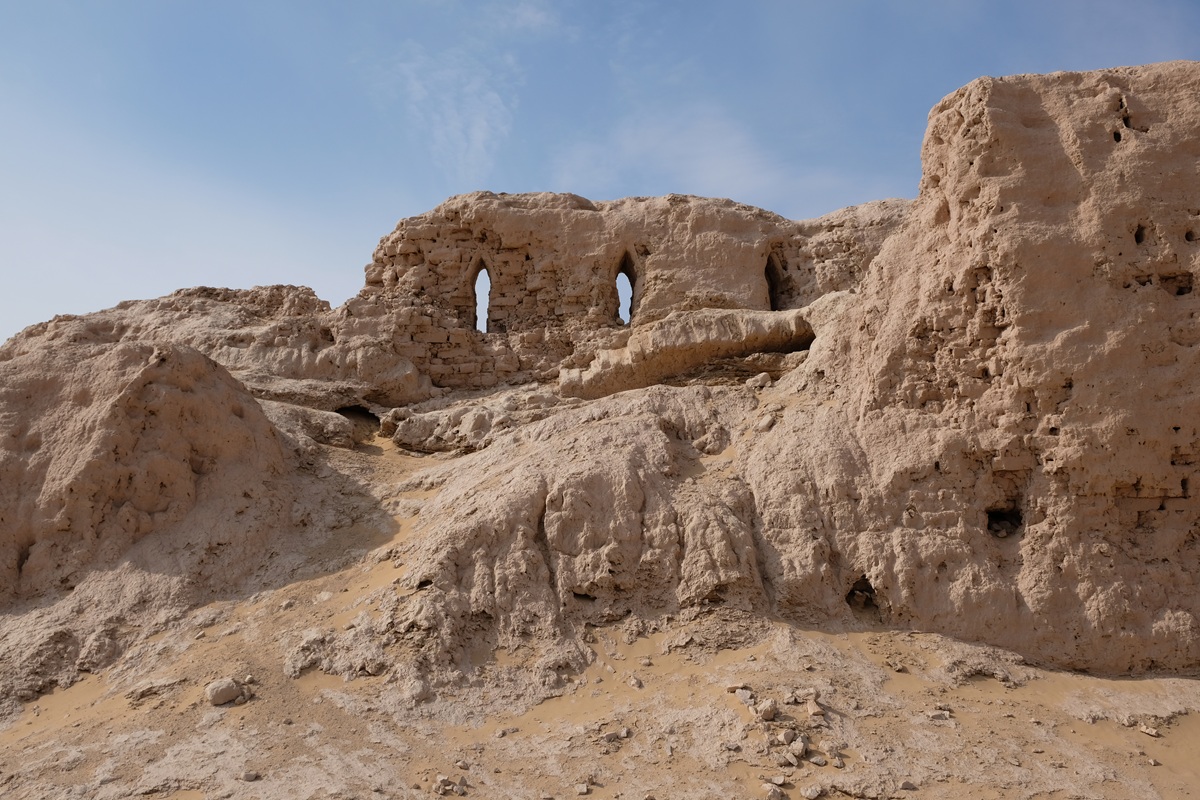
Those windows have seen so many things throughout their existence
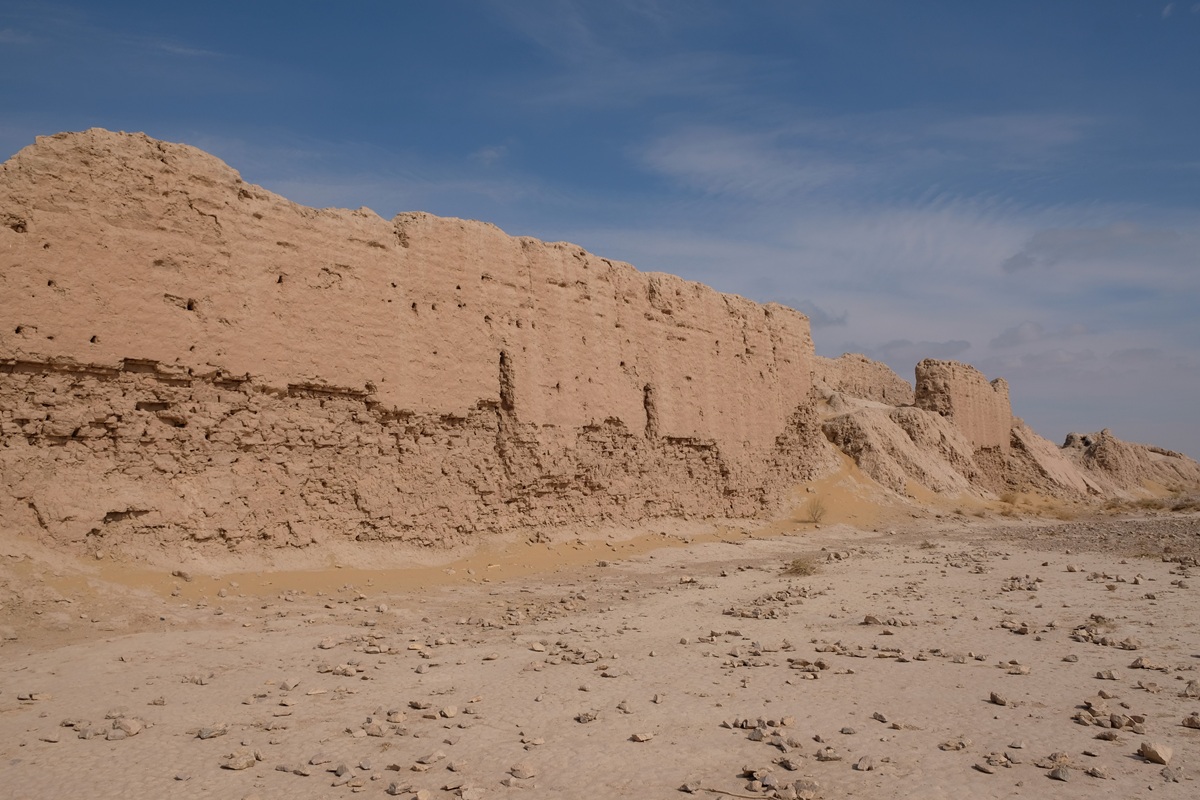
Walking next to something so old can feel surreal
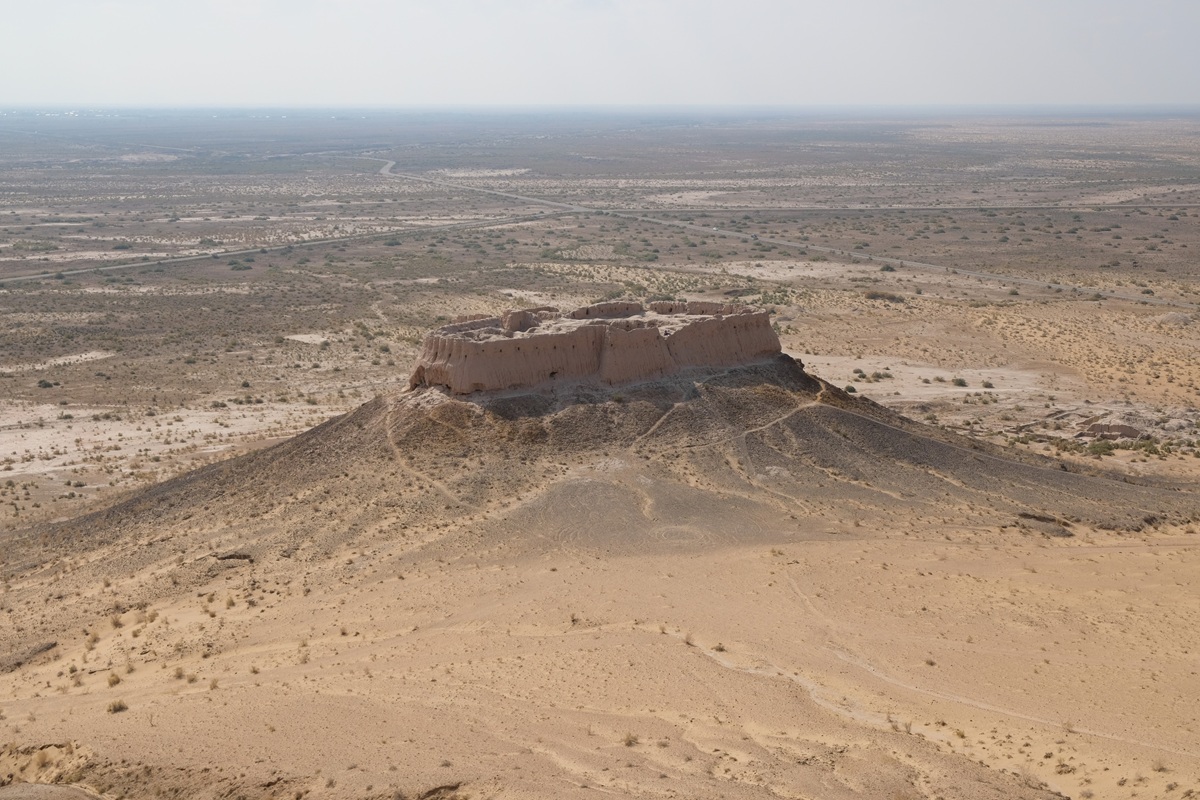
Ayaz-Kala II as viewed from Ayaz-Kala I
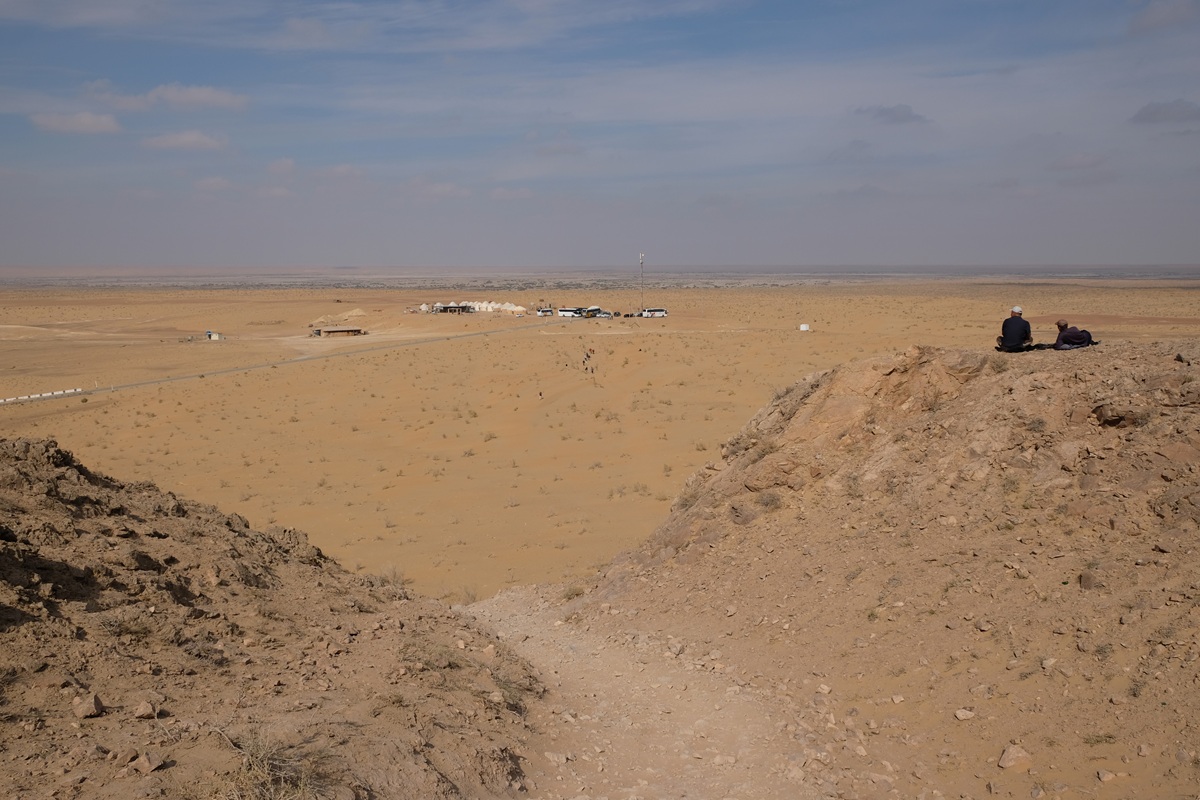
Preparing to go back to the carpark
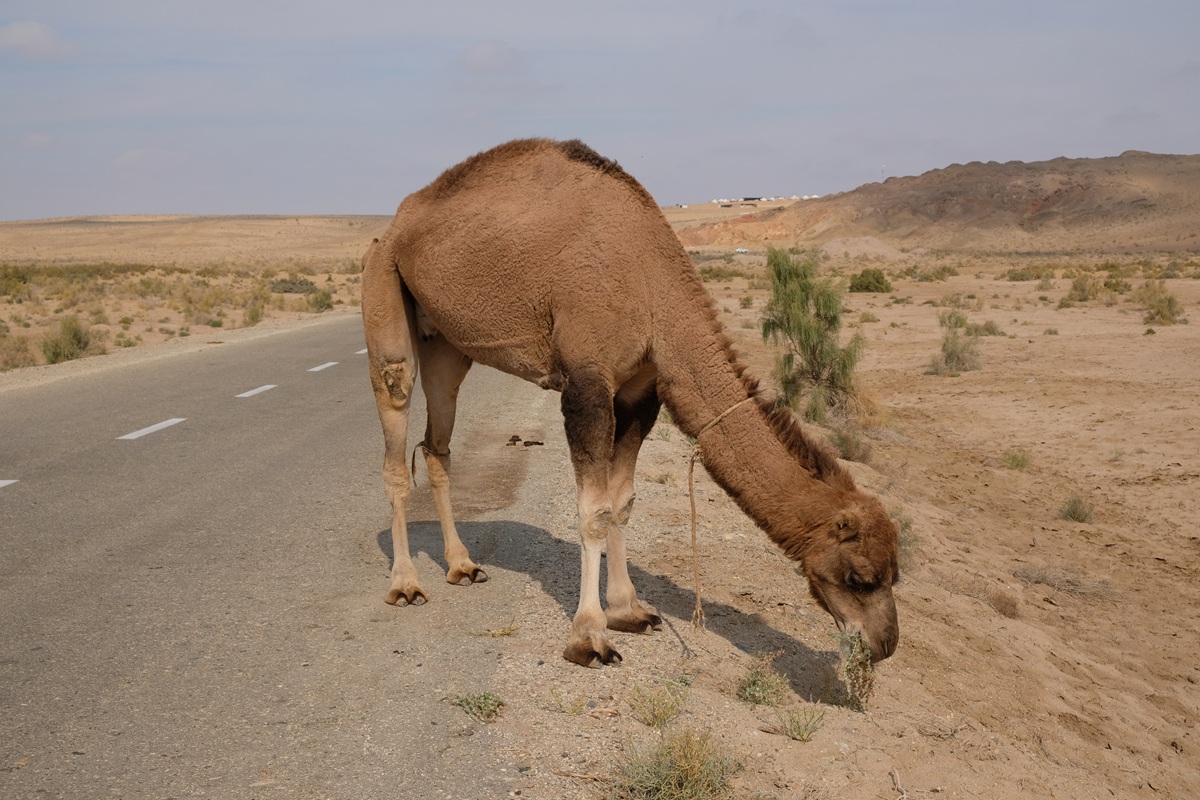
It is mindboggling to think that in the past people traveled on dromedaries like this to cross vast deserts
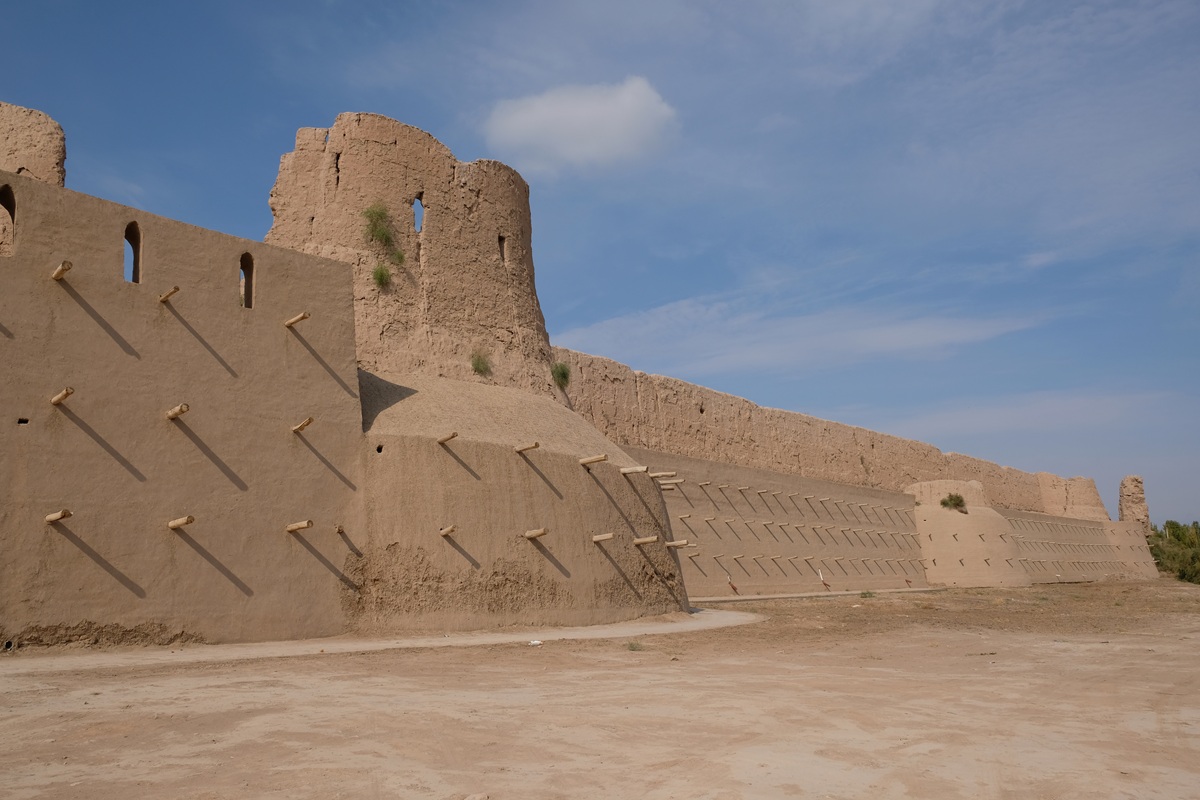
At Guldursun-Kala, the last ancient citadel for the day
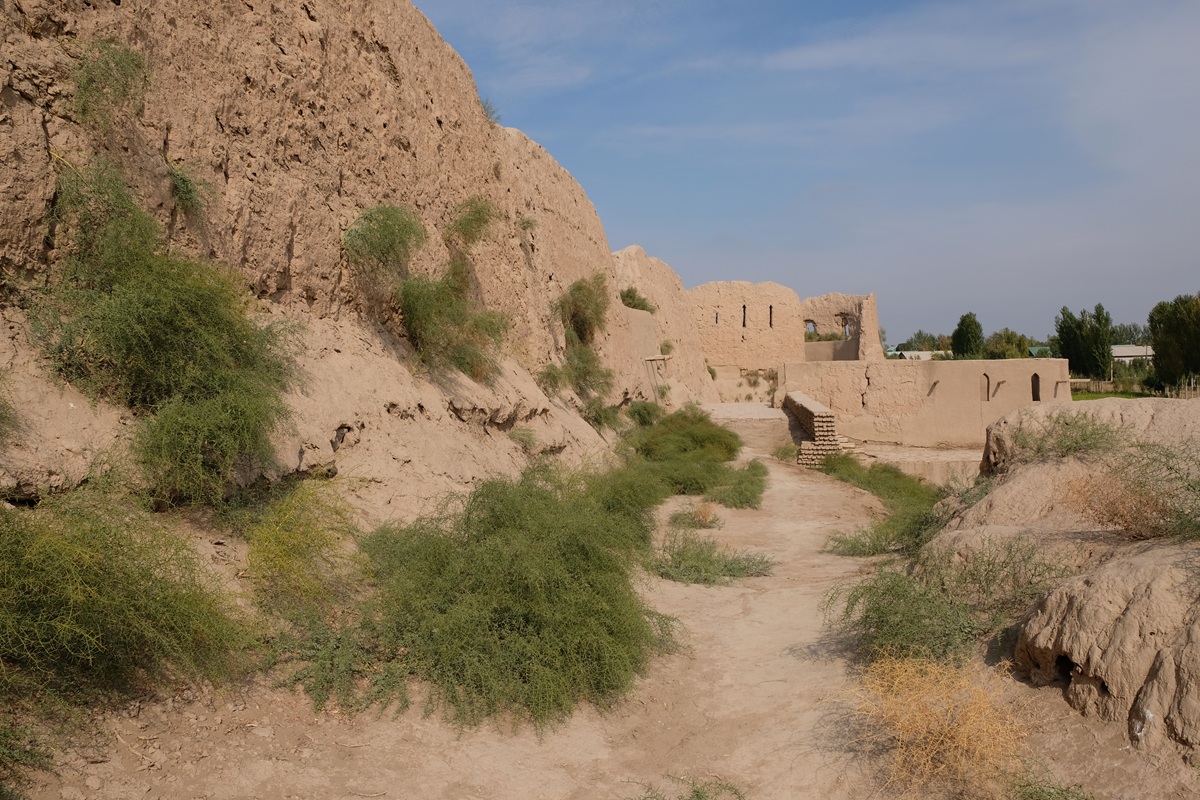
This was also the ‘youngest’ of the four fortresses we visited
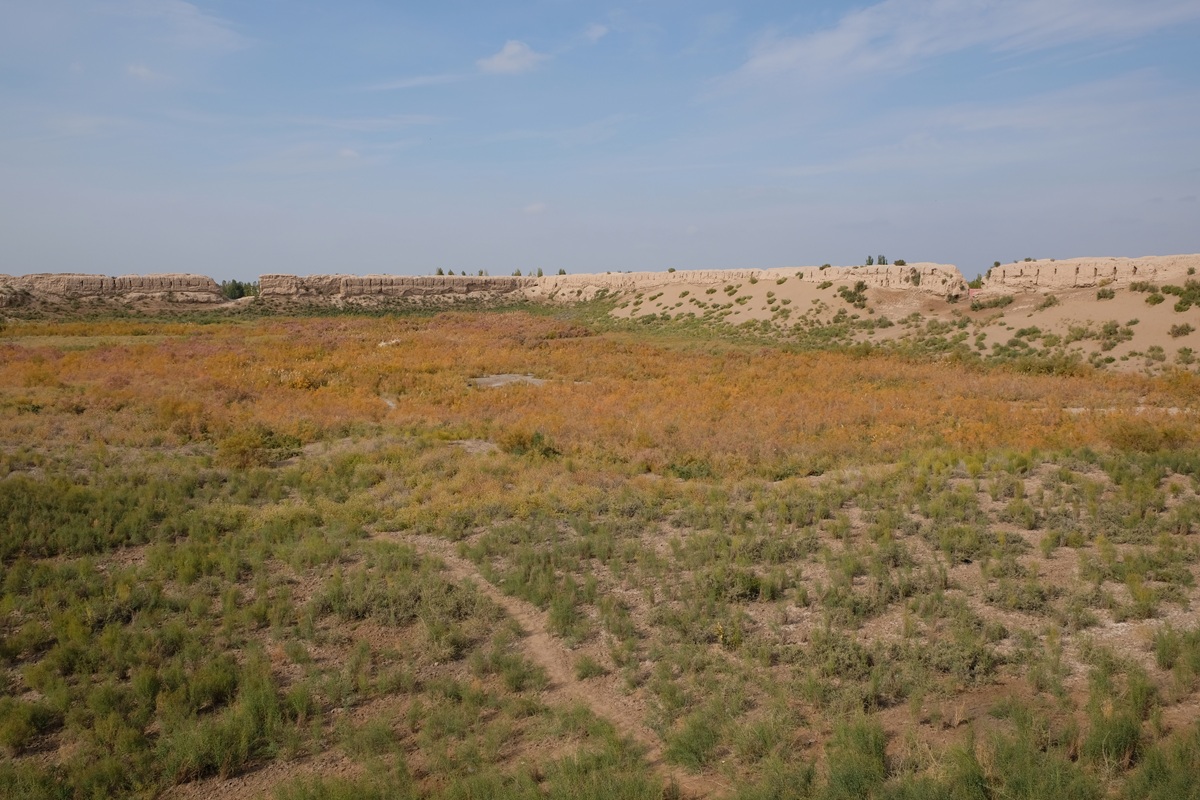
Inside Guldursun-Kala
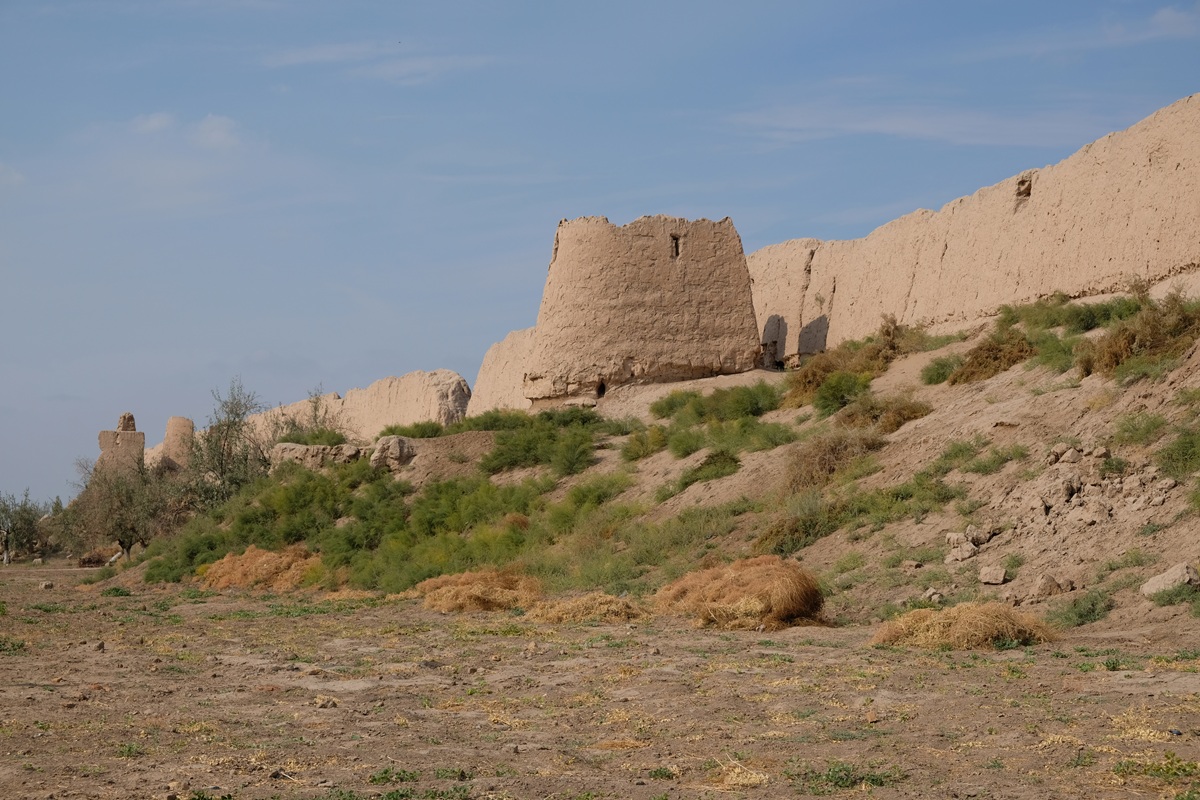
Some of the watchtowers of the fortress that survive to this day
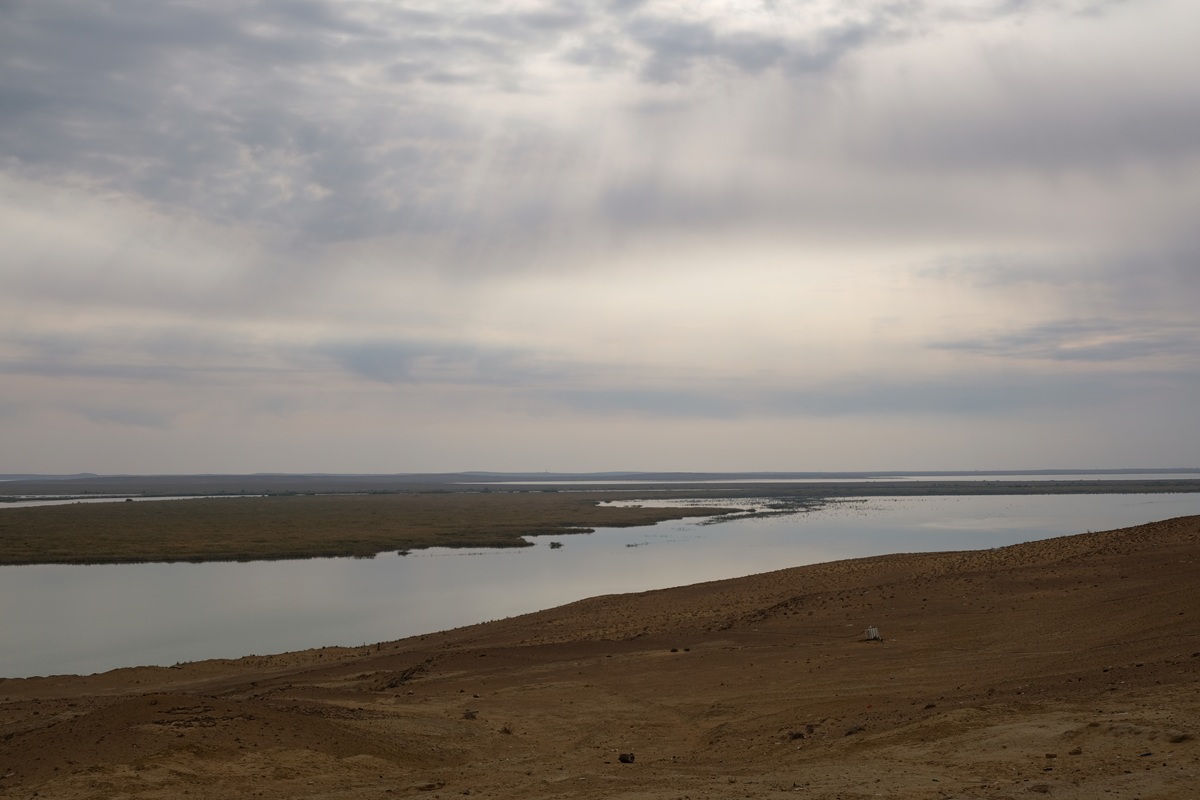
Looking out to the legendary Amu Darya, with Turkmenistan sitting on the horizon


What a coincidence! I spent the evening yesterday planning out a visit to these old fortresses. Happy to see your photos and read your description of these (partly) prehistoric fortifications.
LikeLiked by 2 people
That’s a sign for you to book the flights to Uzbekistan! I think you would immensely enjoy these fortresses.
LikeLiked by 2 people
wow, this is amazing
LikeLiked by 2 people
Indeed, especially given how old these ruins are!
LikeLiked by 2 people
Amazing how tenacious man can be in constructing a place to live xx
LikeLiked by 2 people
Exactly. A palace erected on top of a volcanic plug, a monastery built on the surface of a cliff, and now these fortresses at the edge of a dessert, I am often reminded of our resilience as well as creativity to overcome obstacles.
LikeLiked by 2 people
So cool you got to see these fortresses. I sadly didn’t have the time, but if I ever get back I’d try and include them!
LikeLiked by 2 people
It’s just impossible to see everything in one go. I hope one day you’ll get the chance to return to Uzbekistan and see more of the country, Anna.
LikeLiked by 2 people
This was such a surprise and joy to find this post in my inbox this morning, Bama. I read it while having my first cup of coffee, and enjoyed every word and photograph. This is exactly where I will find myself this coming Friday, which means the information and photos couldn’t have been more timely. I especially appreciate the photo of the model of Toprak-Kala you took at the Toshhovli Palace. It’s wonderful to have that reference before my visit. Thanks again for all your advice along the way, and for finish writing this post before my trip. 🥰
Ps. I love your previous post too. My habit of reading things on my phone early in the morning before my quinta chores, means that I often neglect to leave comments when I flip my computer open again.
LikeLiked by 2 people
Jolandi, how exciting that in just a few days’ time you will find yourself standing on these ancient fortresses! There are actually more, but we only had enough time to visit these three sites (and one as an expected bonus). I hope you’ll get to explore more than what James and I did.
Don’t worry about my previous post, Jolandi. With all the chores at the quinta and a big trip ahead, you have so many things to do already.
Have a safe trip and enjoy Uzbekistan!
LikeLiked by 1 person
Thanks, Bama. I will head first to Nukus to the museum, and then on the way back to Khiva visit Chilpiq Kala, Kyzyl Kala, Topraq Kala, and Ayaz Kala. I decided to cram in a full first day to help keep me awake. Hope my strategy works. 😅 And that I have a cautious driver of course. 🤞
LikeLiked by 2 people
I just googled Chilpiq Kala, and wow! It looks stunningly beautiful! I, too, tend to push myself to immediately explore a new place, not only to familiarize myself with the surrounding areas, but also to help me to have a good night’s sleep. I hope your plans in Uzbekistan go smoothly!
LikeLiked by 2 people
Thanks, Bama.
LikeLiked by 2 people
Thanks for pictures and texts full of info 🙏 🙏
We read a lot about Buchara as the holy town of Sufis.
The Fab Four of Cley
🙂 🙂 🙂 🙂
LikeLiked by 2 people
The pleasure is mine, Klausbernd. Bukhara was such a special place indeed — so atmospheric and rich in history.
LikeLiked by 2 people
I would have loved a trip outside of the city to see these ancient structures out in the middle of a desert. The first one rising up from the earth was particularly impressive. I’ve had several experiences with distracted drivers on my travels, and it terrifies me! Sometimes I talk to them incessantly just to keep them awake or not looking at a phone!
LikeLiked by 2 people
It’s always nice to visit places like these as they’re definitely not something we see often. I remember my late mom once said that if I see a driver start losing focus on the road, I should start talking to him/her, exactly what you sometimes do, Lex. But I’m often too tired to talk. Instead, I would make noise every now and then.
LikeLiked by 2 people
This area looks amazing. The fortresses remind me of the Desert Castle of Jordan. Well worth the detour. (Suzanne)
LikeLiked by 2 people
Your comparison with the desert castle you saw in Jordan is interesting. Unfortunately, James and I didn’t have enough time to check it out when we went to the country in 2019. Nonetheless, we found Jordan amazing.
LikeLiked by 1 person
Jordan is a indeed a fascinating place and here is our post on the Desert Castles of Jordan so you can compare.
LikeLiked by 2 people
I’m particularly drawn to the centuries-old frescoes at Qusayr Amra. Very impressive!
LikeLiked by 1 person
Nice to see these fortresses. We planned on visiting one or two and a couple of other places, but decided instead to add Fergana to our list.
I’ve had that same driver, it is frightening isn’t it? Especially to think a driver coming from the other way is possibly watching his own videos!
LikeLiked by 2 people
If we had more time in the country, we would have probably visited the Fergana Valley as well. I remember reading about it on your blog posts, and it looks quite interesting.
I think many people don’t take road safety as seriously as they should. And this needs to change.
LikeLiked by 2 people
Never heard of Khorezm, but it appears to have a long and rich history in Uzbekistan! The fortifications are impressive, having survived for centuries against harsh weather. I feel you about crazy tour drivers, and I too get nervous when they check their phones while driving fast…At the same time, I wish I had the courage to tell them I’m not feeling safe and to, well, pay attention to the road. My partner is more confident in calling them out on it, so maybe I should learn from her! Nevertheless, another great adventure exploring Uzbekistan– taking notes as we speak!
LikeLiked by 2 people
Khorezm is a really fascinating corner of Uzbekistan with several intriguing ancient fortresses to explore. If I had the energy, I would’ve probably said something to the driver. But most of the time I tend to be on the non-confrontational side, although sometimes this works out against me.
LikeLiked by 2 people
Such beautiful and striking photos, Bama. It is humbling to think about how nature resets and ultimate retakes the landscape from these majestic fortresses that once stood mightily in the desert. It must’ve been so cool to tour Kyzyl-Kala and the other fortresses, to see what remained, what’s been restored and to imagine what life must been like in its walls 2,000 years ago.
Nice to see Dilshod again. You and James travel very smartly and make the most of your time and the local community. The boy running over the terrain made me smile too. Joy and curiosity is universal across cultures.
LikeLiked by 2 people
This desert in Uzbekistan and the lush forests of Cambodia show us how nature, slowly but surely, can and will reclaim what humans built. That’s why those monuments from the past that are still standing today, like some of the ancient fortresses of Khorezm, are such fascinating places to visit. Thanks, Ab!
LikeLiked by 2 people
This journey through Khorezm beautifully combines ancient history with the stark landscapes of Uzbekistan. Kyzyl-Kala and especially Toprak-Kala sound fascinating, offering a glimpse into civilizations that flourished here centuries ago. I love the contrast between the desert setting and the monumental remains, making these forgotten fortresses particularly memorable discoveries. During my trip to Uzbekistan, I was unsure whether to spend a day visiting these desert fortresses; in the end, I chose to spend an extra day in Khiva, which I found absolutely enchanting.
LikeLiked by 2 people
It was really nice to check out some of the ancient fortresses of Khorezm. The notion that these structures were built right at the edge of a vast desert is really mind-boggling. Visiting places like these often makes me think of the complicated logistics of building them, which makes the sites even more impressive.
LikeLiked by 2 people
Love the tour of old forts. I only saw Khiva and missed all of this. Many thanks for sharing! They remind me of the desert castles I saw in Jordan – remote, scattered and all the more rewarding b/c they weren’t easy to reach.
LikeLiked by 2 people
You’re the second person who said that these fortresses in Khorezm remind them of the desert castles in Jordan, which unfortunately I didn’t have enough time to visit. It’s okay if you only managed to see Khiva and missed these sites when you were in this part of Uzbekistan. After all, we can’t see everything, can we?
LikeLiked by 1 person
True, and also an excuse to revisit. That part of the world calls me like no other. 🙂
LikeLiked by 2 people
Central Asian drivers can be both so careless and utterly amazing. One such driver in the Pamir would be sending texts on his old Nokia-like phone, overtake within an inch off the Panj river escarpment and small a cigarette, often all at the same time. My opinion is that average or subpar drivers exit the gene pool very quickly!
LikeLiked by 2 people
I would definitely stay awake if I were on that car that took you across the Pamir! But honestly, while watching for our driver on our way back to Bukhara, I also tried to calm myself by thinking of the fact that he was so chill about it. Maybe because the highway rarely sees road accidents, but that’s only my guess. Ha! Your theory about the gene pool is definitely something to think about.
LikeLiked by 1 person
Sounds like a long, but eventful day exploring a few ancient ruins. Even though much was lost due to abandonment or the elements, it’s pretty amazing what still exists. It’s hard to wrap your head around the fact that some of these structures are more than 2,000 years old!
LikeLiked by 2 people
True, it was a long day. But it was also filled with so much adventure and contemplation. It’s not everyday that I see something so ancient. And the scale of these monuments are just awe-inspiring!
LikeLiked by 2 people
This must be well off the tourist map. Theres no one there! Amazing…
LikeLiked by 2 people
If I remember it correctly, we were the only visitors at Kyzyl-Kala and Guldursun-Kala. There was another visitor apart from us at Toprak-Kala. But Ayaz-Kala was a lot more popular — we saw about two dozens of people there.
LikeLiked by 2 people
Wow it looks like you had it all to yourself. Even what’s remaining is impressive, so I can only imagine what it would have been all those hundreds of years ago. The driving doesn’t sound like fun, why are so many taxi drivers like that!?
LikeLiked by 2 people
Visiting those ancient fortresses was a really cool experience, especially since we had some of the sites mostly to ourselves. The drive back to Bukhara was certainly not relaxing, but luckily we arrived safely to our destination.
LikeLiked by 1 person
I have no idea what you do for a living. But you have the soul of a teacher. If you and James would make travel documentaries, I would gladly watch them. You always bring a nice historical perspective to the sites you visit.
I’m glad you both survived the drive (I get so nervous when drivers are distracted or careless. I keep stomping my foot on an imaginary brake pedal).
LikeLiked by 2 people
I’m in the business team in my company — not exactly the kind of job that I like. However, about 11 years ago I realized that I do enjoy explaining to people complicated things in a way that is easy to understand. I might have a soul of a teacher, but I’m not sure I have the patience, especially when dealing with difficult people. Sometimes I wonder about making travel documentaries. But I know it’s a lot of work. I really appreciate your kind words, Matt!
My foot does exactly the same whenever I’m riding a car with a driver who likes to speed!
LikeLiked by 2 people
This journey of yours gets my heart pumping to check out Uzbekistan – you’ve got this spirit to always find these places that feels both remote and immensely important, Bama. A beautifully insightful (and educational) post. The photos just enhance your words, a bit of desert spacing (a feeling of history and space), and especially the way you capture the drama of these fortresses against the Kyzylkum so well. Toprak-Kala in particular makes me marvel at the ambition and resilience of the people who built there so long ago. Adventure of such travel, is what brings ‘awe’ into life, and you do this well – especially with the slightly nerve-racking final drive to Bukhara! Cheers to continuing adventures, Bama!
LikeLiked by 2 people
I’m drawn to places that many of us have forgotten but were actually important during their heyday. It’s always a humbling experience seeing ancient ruins of what used to be great cities and monuments. The present-day setting around them — whether it’s a vast desert or a thick forest — often makes these sites even more photogenic. Toprak-Kala was really breathtaking. Thanks for sharing your thoughts as always, Randall. May life bring you more fulfilling adventures too!
LikeLiked by 1 person
Incredible! I just got back from Uzbekistan but didn’t have time to get out of Khiva and visit the fortresses. Need to plan a return trip! I loved my time in Uzbekistan, now definitely hooked on Central Asia!
LikeLiked by 2 people
Rebecca! What was your favorite place/city in Uzbekistan? I can’t believe it’s been two years since I went there. And like you, after that trip I was also so intrigued by other Central Asian countries.
LikeLiked by 1 person
Oooh that’s a tough one! I really liked Bukhara because I found it so walkable.
LikeLiked by 1 person
Bukhara is my favorite too. You’re right, it was very walkable. I also liked the overall ambiance of the old town.
LikeLike
Our outing to these incredibly ancient ruins spiced up what might have otherwise been a long and boring travel day. I was most impressed by the sheer scale of Toprak-Kala and couldn’t believe how few other visitors there were at the site, which must have been jaw-droppingly grand in its heyday. And the dramatic hilltop location of Ayaz Kala I was especially memorable too. I appreciated how our driver tacked on Guldursun-Kala as a bonus before speeding through the desert to Bukhara. It would have been so nice to have an extra day in Bukhara, but alas, that was not to be!
LikeLiked by 1 person
Thanks for doing research on those ancient fortresses, James! Visiting four of them truly was the highlight of that particularly long day. Seeing a model of Toprak-Kala in Khiva really helped me to appreciate this site even more, and I was certainly impressed by the scale of it. It’s one of those places that make me wish we could travel back in time to see how the world’s most magnificent monuments looked during their heyday.
LikeLiked by 1 person
I don’t know what is more impressive: taking in the many years of history of these places, their magnificent position or the landscape rolling before your eyes, standing at the top of the fortresses… probably all of the above! What a stunning place!
LikeLike