
The former office of Tait & Co. in Anping, Tainan
When a country is named after a place, you know the latter must have played a significant role in the nation’s history, and is expectedly well worth a visit. On a sandy peninsula once called Tayouan in the southwestern corner of Taiwan (in what is now part of the city of Tainan), historical structures of great importance still stand in varying degrees of restoration. In the 17th century, following Koxinga’s successful military campaign against the Dutch East India Company (the VOC), the Ming loyalist changed the name of this place from Tayouan to Anping. And that’s how this place has been called since then.
Due to its location further away from the downtown area of Tainan, we had to take public transport from an easy-to-miss bus stop in the city center. The ride was smooth, and less than an hour later we already arrived at our destination. Once we got off the bus, the heat and humidity immediately reminded us that we were much closer to the sea now. Gone was the pleasant cool breeze we felt earlier that morning when we were walking down the streets of Tainan.
From the center of the historical area of Anping, we looked around to get our bearings. To our right was a handsome whitewashed building that, at first glance, seemed to have been used as a mansion. And to our left were rows of houses hiding the ruins of Fort Zeelandia behind. Knowing that the former Dutch fort would take more time to explore, we decided to head to the right first.
In the 19th century, when Taiwan was under the control of the Qing dynasty, the Treaty of Tientsin (Tianjin) was signed by China, Russia, France, the United Kingdom, and the United States. As one of the consequences of this, the imperial government of China had to open more ports under its control – including Tainan – for foreign trade. Soon enough, merchants from the West opened their offices and branches in Anping, including the Scottish Keswick family whose Hong Kong-based Jardine Matheson would eventually grow into one of the most influential conglomerates in East Asia up to this day.
Another company that launched a local chapter of their business was Tait and Co., a British trading company which in 1867 built their office in Anping. Designed as a two-story colonial-style building, it was in fact the same edifice that we saw as soon as we got off the bus. The well-maintained heritage structure looked even nicer upon closer inspection, with interesting displays occupying both floors. Focusing on the early history of modern Taiwan, the museum provided visitors with engaging and practical information that was quite easy to follow, even by those who are usually disinterested in this kind of subject. During the Japanese colonial period in Taiwan, Tait and Co.’s former office was used by a salt company thanks to its proximity to the island’s salt fields. And when the East Asian imperial power relinquished its control of the island, the Taiwanese government turned it into the office of Tainan’s local salt company.
A smaller structure directly to the east showcased the art of Chinese calligraphy where paper, brushes, and ink were provided for visitors who wanted to try writing Chinese characters artistically. However, it was the ruins to the north of the museum that proved to be the main attraction of this area. Formerly a warehouse of the company, it is now known as the Anping Tree House, and it wasn’t hard to see why. Roots of strangler figs enveloped parts of the mostly collapsed compound, giving this place a highly photogenic atmosphere, at least to me. (I know a few people who would be spooked out by places like this.) We followed the raised boardwalk that meandered through the ruins, took some photos along the way, and before we knew it we were already at the exit. This turned out to be a short but fun experience.
As we were walking to what was once Fort Zeelandia, we spotted another merchant house that used to be the property of Mannich and Co., a German-owned company that ran several businesses, from exporting commodities (including camphor and sugar) to shipping services. Unlike the former office of Tait and Co., however, this building was very quiet with its doors and windows shut when we passed.

Inside a small building dedicated to Chinese calligraphy

The well-maintained former office is now a museum

On the upper floor of the building

Artifacts at the museum with the backdrop of an old Dutch map of Taiwan (also called Formosa in the past)

The Anping Tree House, a photogenic part of the compound

This used to be the warehouse of Tait & Co.

There is a network of elevated boardwalks that allows visitors to experience this place from different vantage points

I like to imagine these as the beards of the Ents (the tree race in The Lord of the Rings)

When night falls, I believe many people will find this corner rather spooky

The former property of Mannich & Co., a German-owned company

Jet fighters flying over our heads were quite a common sight during out visit to Taiwan
A short walk later, parts of Fort Zeelandia came into view. The landmark was easily recognizable by its red bricks. What visitors see today is mostly a reconstruction of the Dutch-built fortifications, except for one particular wall in the south section of the compound which is the only original structure still standing up to this day. It was very fascinating to see it up close, knowing that the very bricks I was looking at were imported from Batavia, a city now called Jakarta which happens to be my home today.
The Dutch East India Company (the VOC) only occupied the fort for more than three decades before vacating it following their defeat in 1662 by Koxinga, who established his own dynasty in Taiwan. A little over two decades later, however, the fort changed hands again. This time to the Qing dynasty who would control both sides of the Taiwan Strait until 1912 when the Chinese monarchy was abolished. In the final decades of their two-and-a-half century rule, the weakened Qing government had to relinquish territories they once held, including Taiwan which became a Japanese colony in 1895.
The Japanese as the new occupants of Fort Zeelandia decided to demolish the Dutch-built structures within the compound and erected a new building at the center of it as the customs house. But they too eventually had to leave the fort following the surrender of Japan in World War II, leaving it finally to the Taiwanese. However, it wasn’t until 1975 when the government of Tainan initiated a reconstruction of the old fort to attract more tourists to visit the city and christened it the Anping Old Fort. The small museum that occupies the Japanese-built office now offers visitors an intimate look into the fort’s past.
We knew we couldn’t leave this historical place before going up the observation tower right next to the museum. We climbed its stairs and a few minutes later we were presented with a 360° view of Tainan – multi-story buildings on one side and dense mangrove forests on the other. It may not look like much today, but this point really was where the modern nation of Taiwan began. And that’s really cool.

The Anping Old Fort, one of the most important historical sites in Taiwan
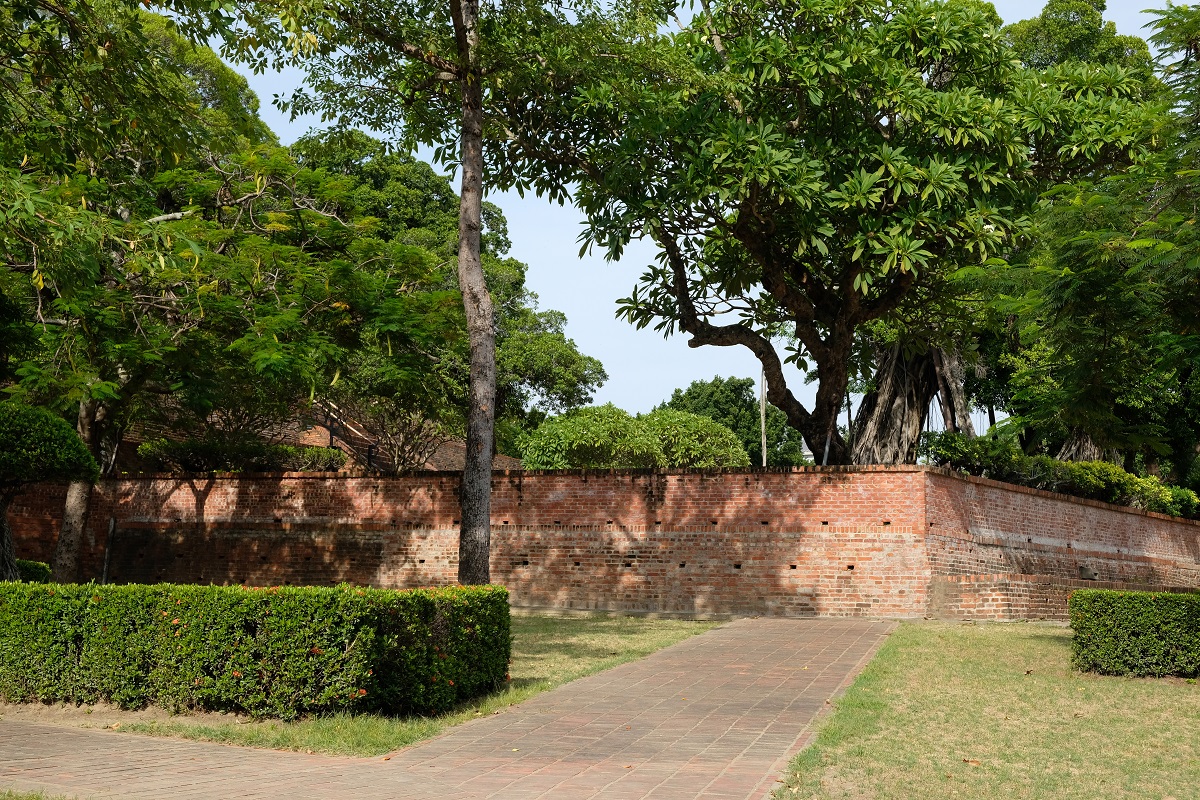
Reconstructed walls of the fort
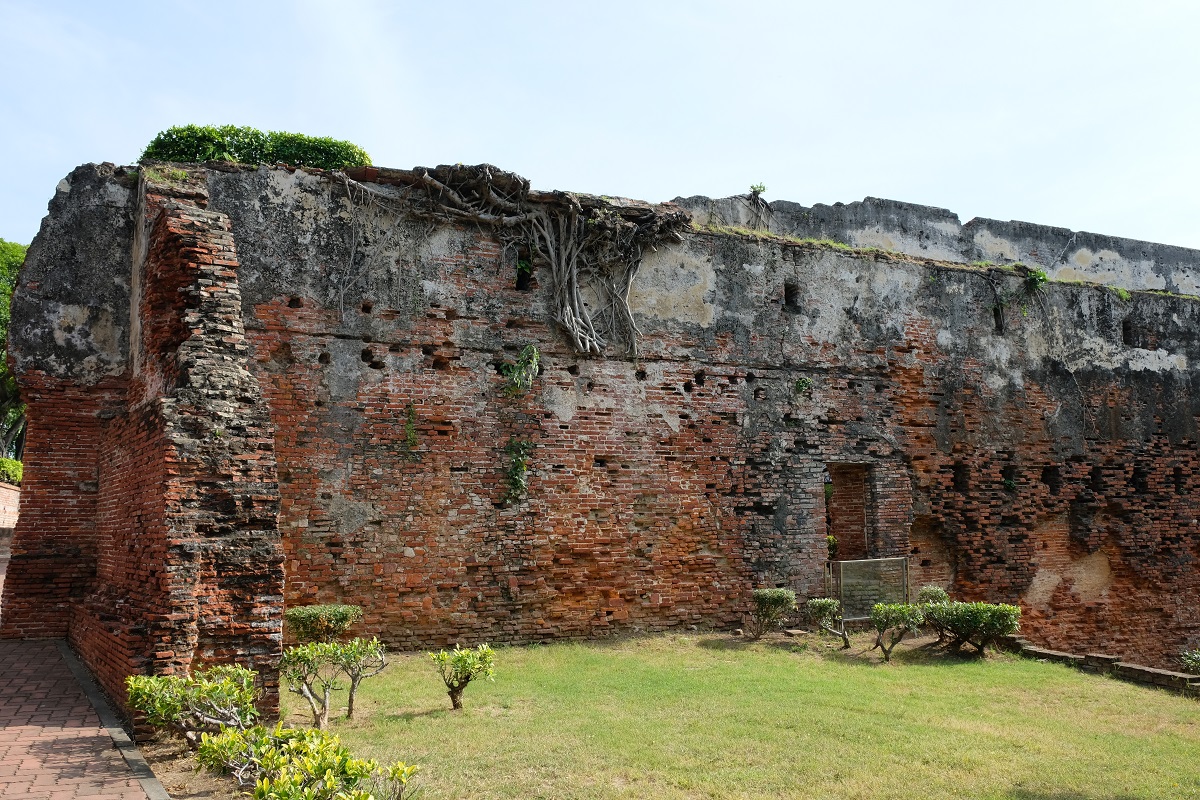
The only original structure still standing in the compound (its red bricks were imported from Java)

The statue of Koxinga inside the fort
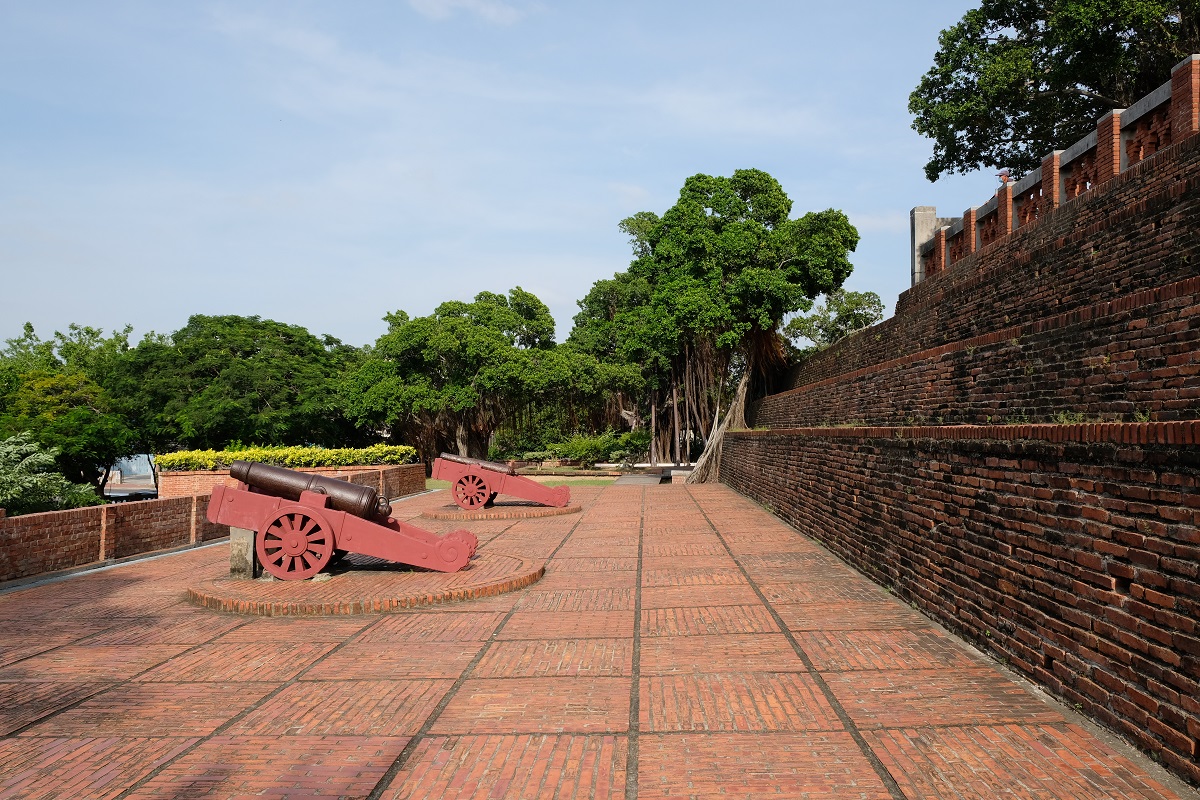
Old cannons at a quieter section of the compound
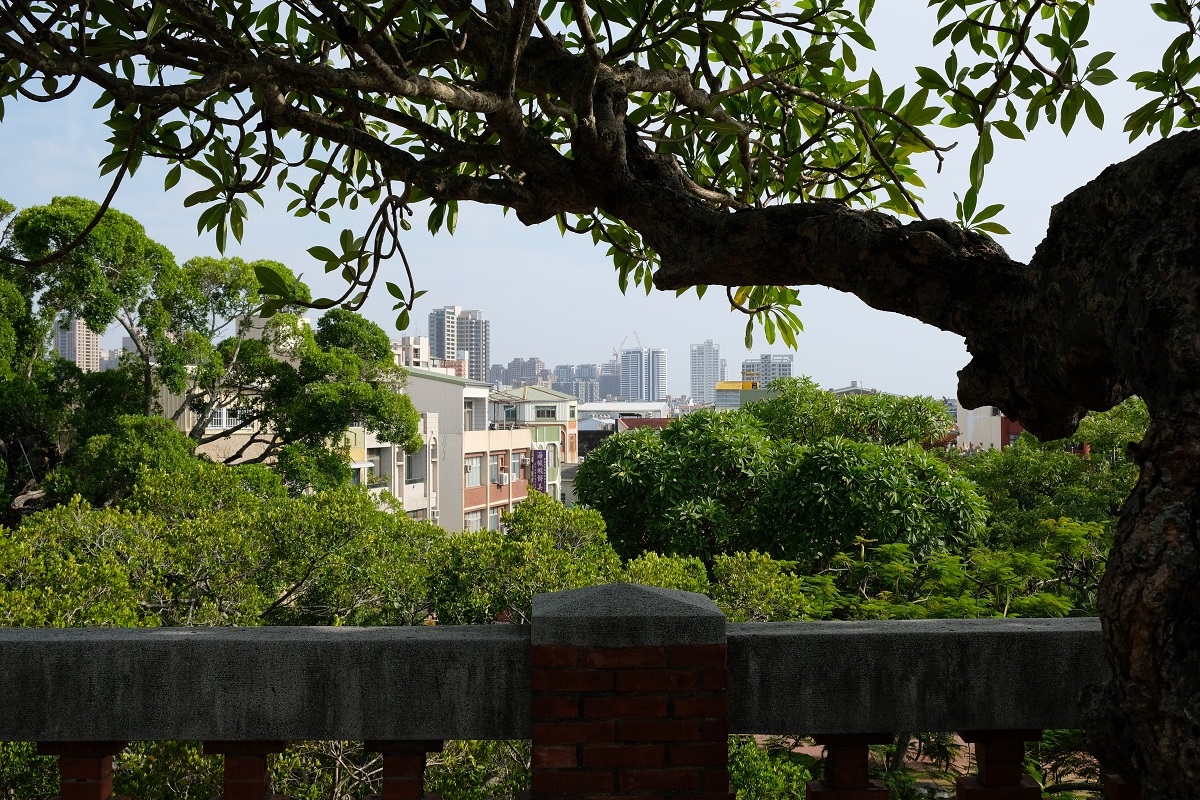
Looking out to the new part of the city
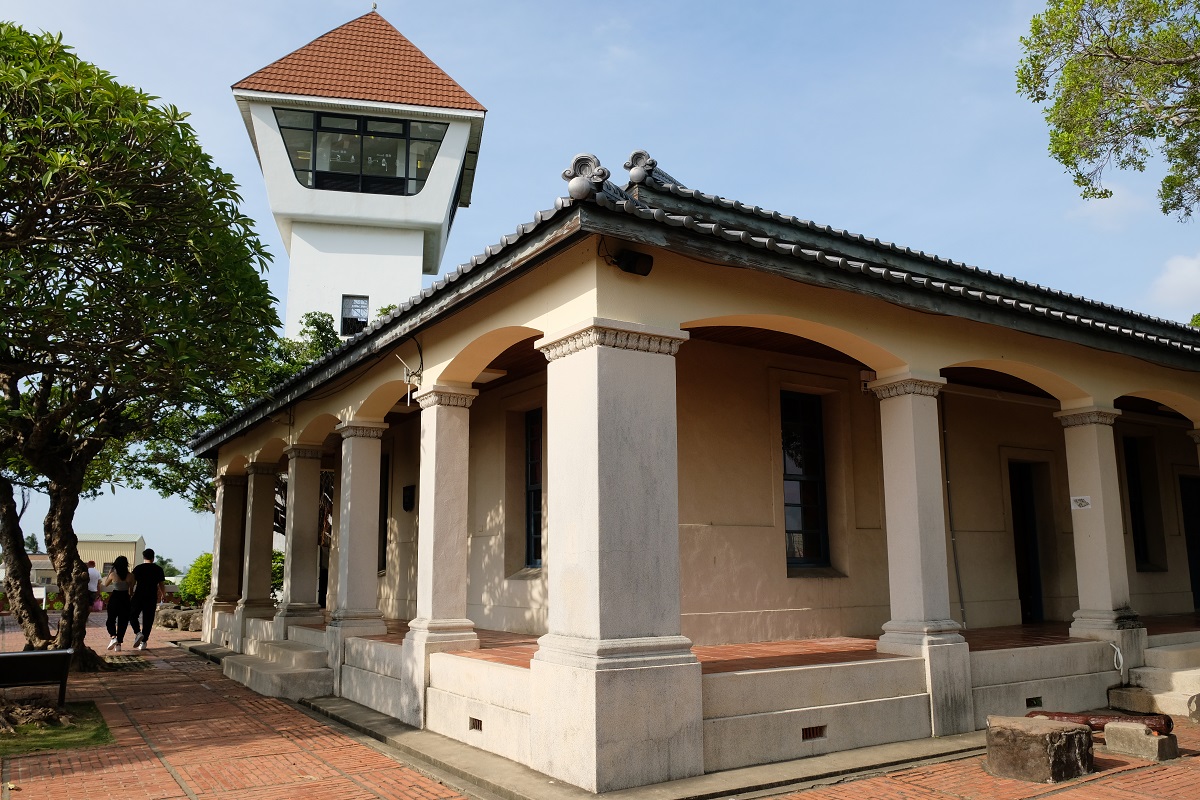
A former customs house built by the Japanese during their colonial administration on the island

Up we went
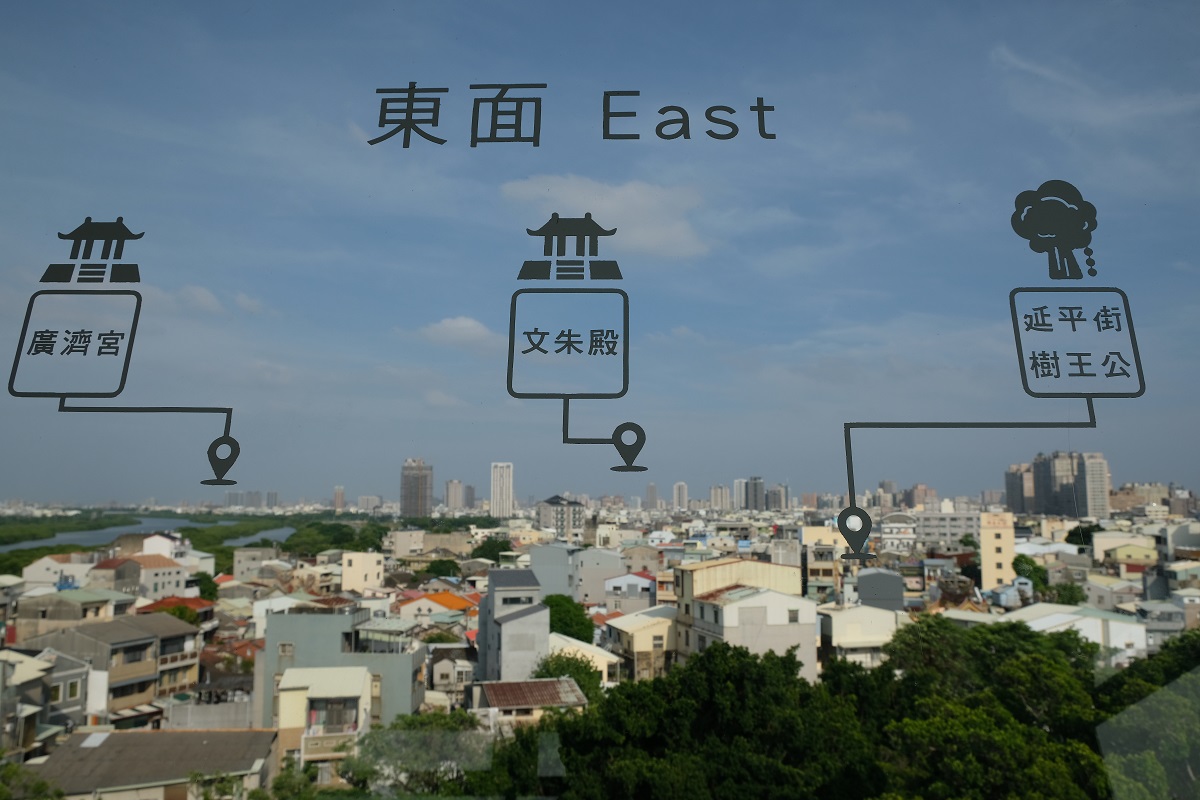
A view of modern Tainan

A more low-key view to the north

How Fort Zeelandia used to look
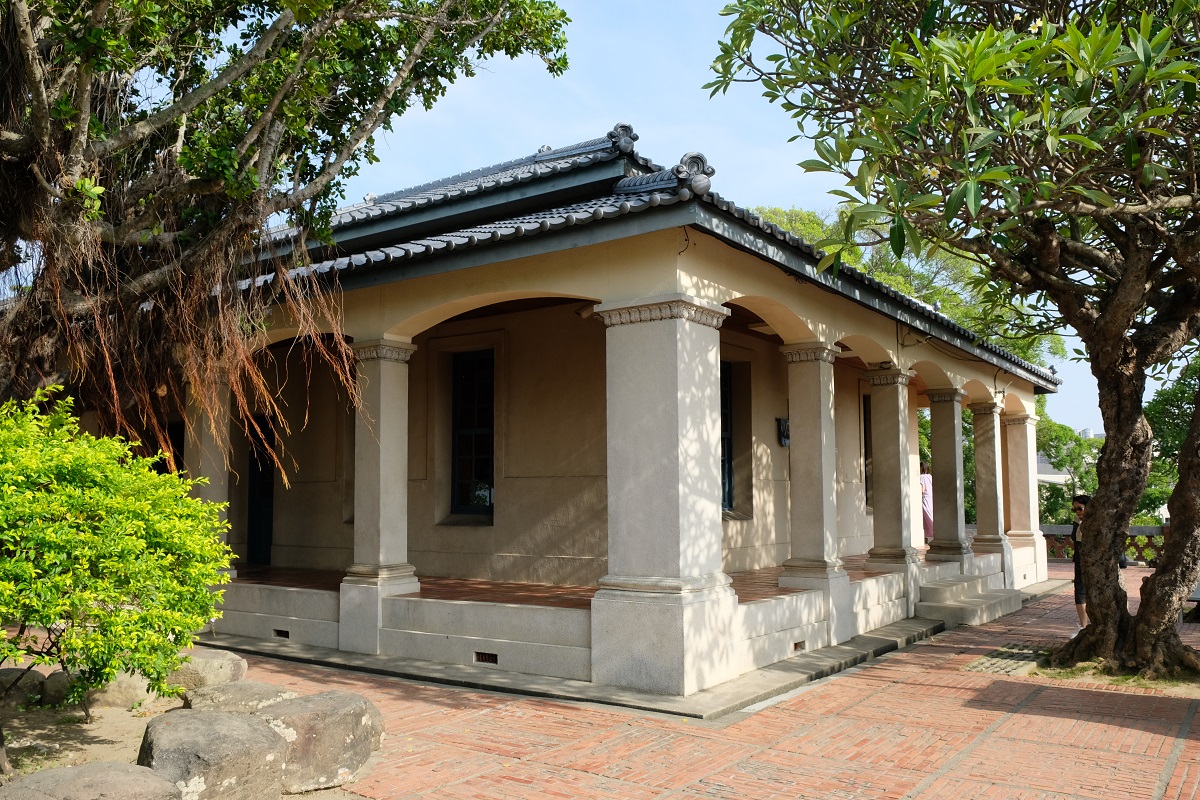
This building is now a museum
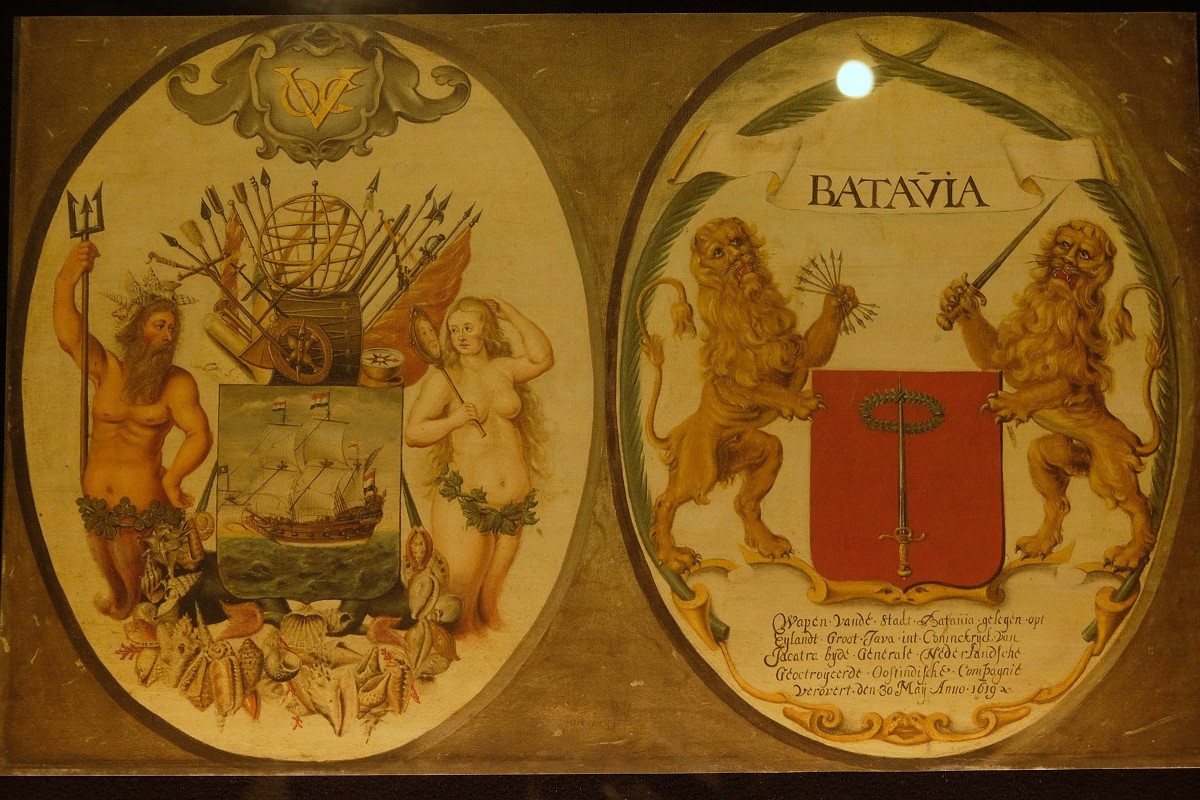
Vestiges of the VOC time

History presented in a more interesting way

One last glance of the fort

Finding our way to the bus stop to return to the city center


Not a lot of foreigners are aware that Taiwan has been colonized by European powers, especially the Dutch and Portuguese. That’s why it’s so fascinating to discover remnants of colonialism while visiting the country, especially in Anping. I recall visiting this same fort while in the Tainan region years ago with my family, and having visited Portugal and the Netherlands prior, it was like stepping back in Europe (albeit more tropical)! I agree with you it was stifling hot, especially when we went in the summer. Thanks for sharing your adventure in Taiwan with us, Bama; always lovely to read about someone like you visiting my family’s homeland! 😊
LikeLiked by 1 person
That trip to Taiwan taught me not only about the history of the nation, but also about the fact that its southern cities can get really hot! What made me interested in visiting the former Dutch fort in Anping was also because of its past connection with the city I currently live in. Thank you, Rebecca. The pleasure is mine. If I get the chance to return to Taiwan, I would go in a heartbeat!
LikeLiked by 1 person
Very interesting and fascinating stories. Thanks for taking the time to write so thorough pieces. Lovely photos. (Suzanne)
LikeLiked by 1 person
Much appreciated, Suzanne. It’s actually fun to write about some historical aspects of Taiwan that are rarely talked about outside the country.
LikeLike
A great historic house. It’s a fine way to learn about the country’s history.
LikeLiked by 1 person
Absolutely! Visiting places like the former Tait & Co. office often makes me wish there were more initiatives like this in my city. It’s a great way to preserve the building while at the same time educating the people.
LikeLiked by 1 person
The best way to learn more about our history is to visit historic places like this. The Anping Tree House looks so cool and I can totally see why you’re reminded of the Ents from LOTR. Love the views from the observation tower. It’s neat to think that this was where Taiwan got its beginnings.
LikeLiked by 1 person
And I almost skipped this place when I was planning this trip. I’m glad James insisted on seeing Tainan’s historical sites, which I ended up enjoying so much. I’m glad you got the reference to the Ents, Linda. If only those trees could talk and walk. 😀
LikeLiked by 1 person
They got the name right with the tree house. 😊 Interesting to visit the place where Taiwan began. I actually didn’t know much about its extensive colonization history. Good that they’re conserving some of this part of their past. Maggie
LikeLiked by 1 person
I wasn’t aware of the European colonization of Taiwan either until relatively recently. And despite what they did in the past, it’s actually neat to see the VOC’s vestiges in different places across Asia, from Taiwan (Formosa) to Java and all the way to Sri Lanka (Ceylon).
LikeLiked by 1 person
I was hoping your next post would be on Uzbekistan as I’ve already started seriously considering a visit there, but it was still nice to revisit Tainan. I enjoyed your great coverage of its history—something I don’t always delve into. And doesn’t Anping’s tree house make you aware of just how resilient nature is?
LikeLiked by 1 person
I really want to start writing about Uzbekistan, but I just haven’t got the time to do it. However, I aim to publish my next post from that trip in January. I have, at least, begun choosing the photos.
In general, I always find scenes where nature is slowly reclaiming her place from man-made structures fascinating. But of course there needs to be a balance because some of things our species has built over the centuries and millennia are definitely worth preserving.
LikeLiked by 1 person
What a fascinating glimpse into a history I didn’t know Taiwan had to tell, Bama. It is always a delight to experience places through your eyes, as your research is so incredible. I found it particularly interesting that the red bricks were made in Java, and that the Dutch had a foothold in Taiwan for a time. I assume it must have been an interesting and/or strange experience for you to see this link with your own country’s past.
LikeLiked by 1 person
The pleasure is mine, Jolandi. After learning more about the history of Tainan, I kind of regret for not spending more time in this city. It really was interesting to see those red bricks up close, as they were made from probably the same soil of the places I’ve been in Java, and were exported from a port city I have been living in for almost two decades now.
LikeLike
Such a fascinating place! I love learning about places I’ve never heard of through you!
LikeLiked by 1 person
For me that’s the beauty of blogging. But the ‘side effect’ is the list of places I want to see only keeps growing. 😅
LikeLiked by 1 person
Love this write up and thank you for doing all this research. You could do this full time (just need to find a way to monetize this).
LikeLiked by 1 person
I am doing this ad hoc project at my office where I have to write articles for the company’s magazine (my usual job is actually on the business side). And guess what? I’ve been enjoying it. Although I still prefer writing on my blog thanks to the freedom it gives me. Thanks Matt!
LikeLiked by 1 person
I enjoyed this immersive walkthrough Anpijg and learning more about the colonial history and what it’s left behind all these years later, including beautifully preserved buildings.
That tree corner looks very cool with the strangler fig branches and the Lord of the Rings callout. But yes, I can see how it would be freaky in the evening. 😆
The views of modern Taiwan from the tower were also nice, bridging the old with the new. Looks like very worthwhile – if not humid – outing!
LikeLiked by 1 person
Thank you, Ab. The Anping Tree House would have been a perfect place for a Halloween party, don’t you think? 😆
I really recommend spending a few days in Tainan as opposed to visiting it on a day trip like I did. The city has so many interesting places to see and a lot of delicious dishes to try! Maybe going there in winter is a good idea as it’s supposedly less hot than in early October.
LikeLiked by 1 person
Another educational and informative post!
LikeLiked by 1 person
Glad you enjoyed this!
LikeLike
The world just reeks of history; this is another story I knew nothing about. As for the treehouse, it makes me grateful I only have to battle moss. 😉
LikeLiked by 1 person
Ha! I guess moss isn’t so bad compared to strangler figs that can eventually crush one’s house. When my mother was still around, I remember telling her that it was probably not a good idea to have a ficus tree so close to the house because I know how big and expansive the roots can grow.
LikeLiked by 1 person
Bama, being history enthusiasts, I knew an excursion to Anping was something we absolutely had to do on our day trip to Tainan. The small museum inside the fort was a real gem, and it made me wonder how the whole compound would have looked had the Japanese not chosen to demolish the Dutch-era structures. As for the Anping Tree House, I definitely enjoyed going up the elevated boardwalk for a different perspective on those majestic banyans growing over the ruins. Good thing the weather was on our side!
LikeLiked by 1 person
And I thank you for planning everything for that day trip to Tainan. If you hadn’t told me about this historic city, I would probably have preferred to stay in Kaohsiung instead on that day. I loved the boardwalk! When I was little, I always found the idea of walking among trees high above the ground exciting.
LikeLiked by 1 person