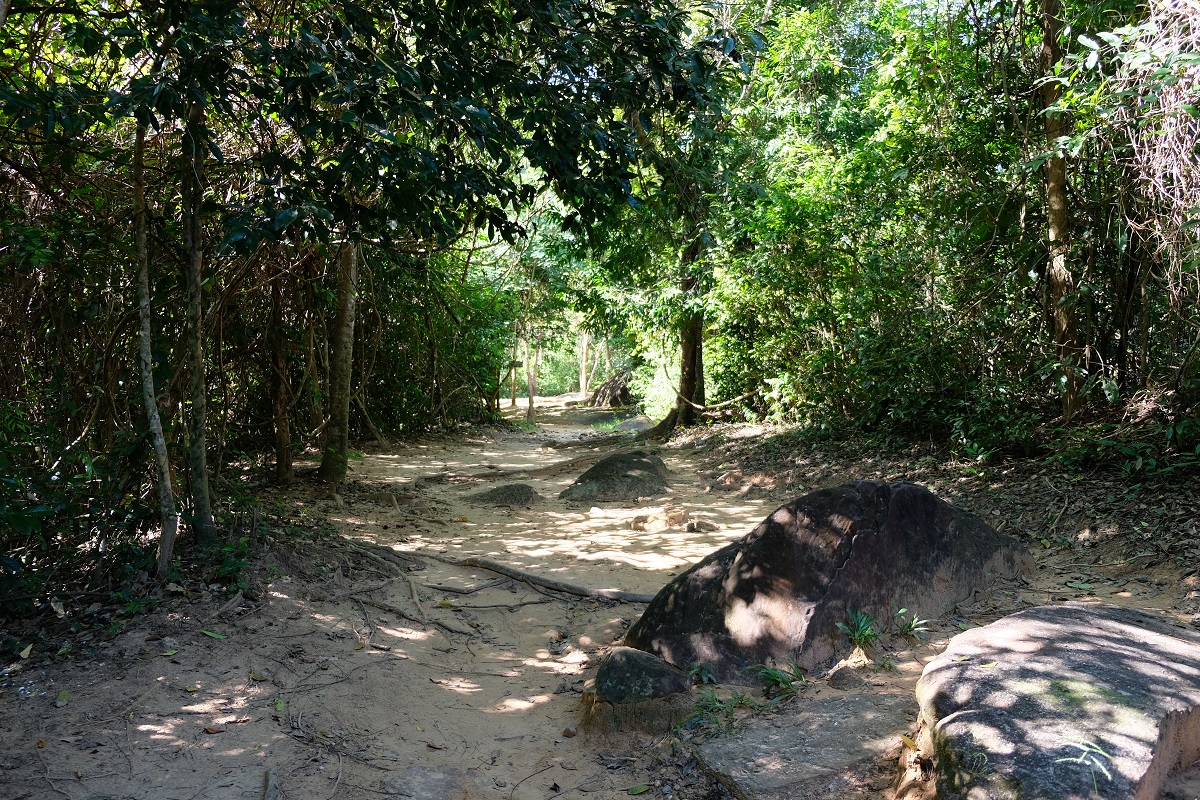
The hiking trail to Kbal Spean
When Jayavarman II united the Khmer people and founded a kingdom at the turn of the ninth century, he would probably have never imagined that centuries later his country would eventually become the mighty Khmer Empire, nor would he have envisioned that his nation would build some of the most impressive structures the world has ever seen. From the massive Angkor Wat to the great city of Angkor Thom, the successive kings of the empire did know how to leave their marks.
In terms of temple building, outdoing their predecessors seemed to be the norm, especially when a new king ascended the throne. However, every now and then new ideas came up, whether introduced by the rulers themselves, or by people who held important positions within the royal court, which was exactly what happened during the reign of Suryavarman I, the Mahayana Buddhist king who commissioned Baphuon in the 11th century.
In the Kulen Hills to the northeast of the empire’s capital, a tributary of what is now known as the Siem Reap River purportedly inspired one of Suryavarman I’s Hindu ministers to begin works of carving out the riverbed of a particular stretch of the stream. Multiple lingas and yonis, an iconography associated with the worship of Shiva, were chiseled out of the rock. This was meant to bless and sanctify the water that flowed down the highlands all the way to Angkor. In the following decades, this section of the river saw an increasing number of carvings etched along its banks. Vishnu reclining on the serpent Ananta accompanied by his consort Lakshmi, Shiva with his consort Uma riding the bull Nandi, and Brahma emerging from Vishnu’s navel through a lotus were among the most common images ancient Khmer sculptors added to this place. This tradition was carried out until the reign of Udayadityavarman II – the direct successor of Suryavarman I – who was king until the year 1066.
Almost a thousand years after those reliefs were created, James and I went to this part of Cambodia which is easily accessible from the city of Siem Reap on a day trip. From the parking area where our trusted tuktuk driver Vonn dropped us, it was a relatively easy hike to reach Kbal Spean (literally “Bridge Head”), a reference to a slab of natural rock spanning the stream that appears like a bridge around which images of Hindu deities were carved. We walked at a steady pace along a dirt path which must be very tricky to traverse during rainy season. As we were nearing our destination, the sound of a waterfall became increasingly louder. Then, before we knew it, we arrived at what is probably among the most unique archaeological sites left by the ancient Khmer people.
It’s easy to see why some call Kbal Spean the “River of 1,000 Lingas”. You just need to get closer to the water and you will immediately see a lot of small bumps – some half-spherical, others half-tubular – with different stages of weathering. It is along this approximately 200-meter stretch from the “bridge” to the waterfall where most carvings can be found, and spotting them turned out to be a lot of fun as we followed the river downstream. However, had we not been told by two local staff members of the park stationed around the corner to take a narrow path that wasn’t marked, we would’ve completely missed the waterfall. It didn’t take long to get to the end of the trail where we saw more figures carved out of the rock. Some were still quite discernible, others not so much. Is that a frog, a turtle, or something else? A statue perched at the edge of the bedrock that abruptly drops several meters particularly stole my attention.
Whatever it was we didn’t linger for too long. Soon enough, we were already back at the parking area again where Vonn had been patiently waiting for us underneath a big tree. We returned to Angkor to see a few more great temples constructed many centuries ago, as well as to taste more Khmer cuisine which I found very underrated.
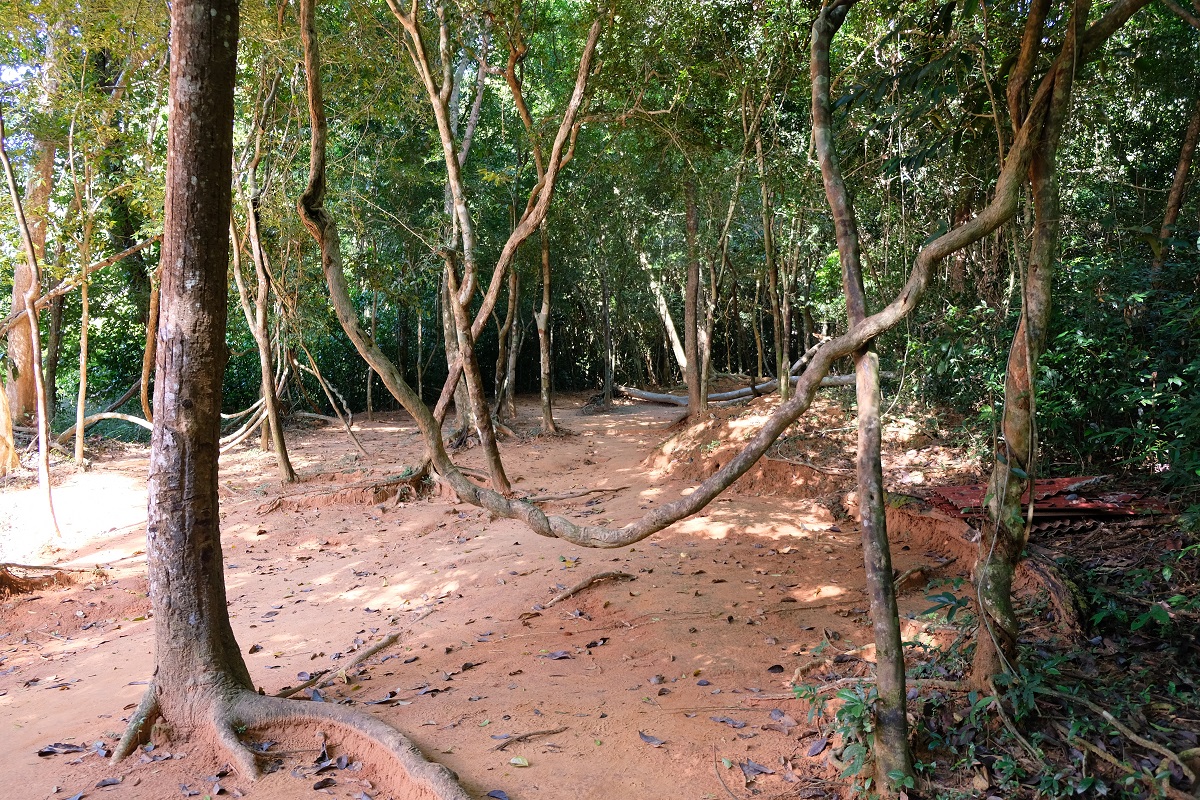
A tree branch that looks like a swing
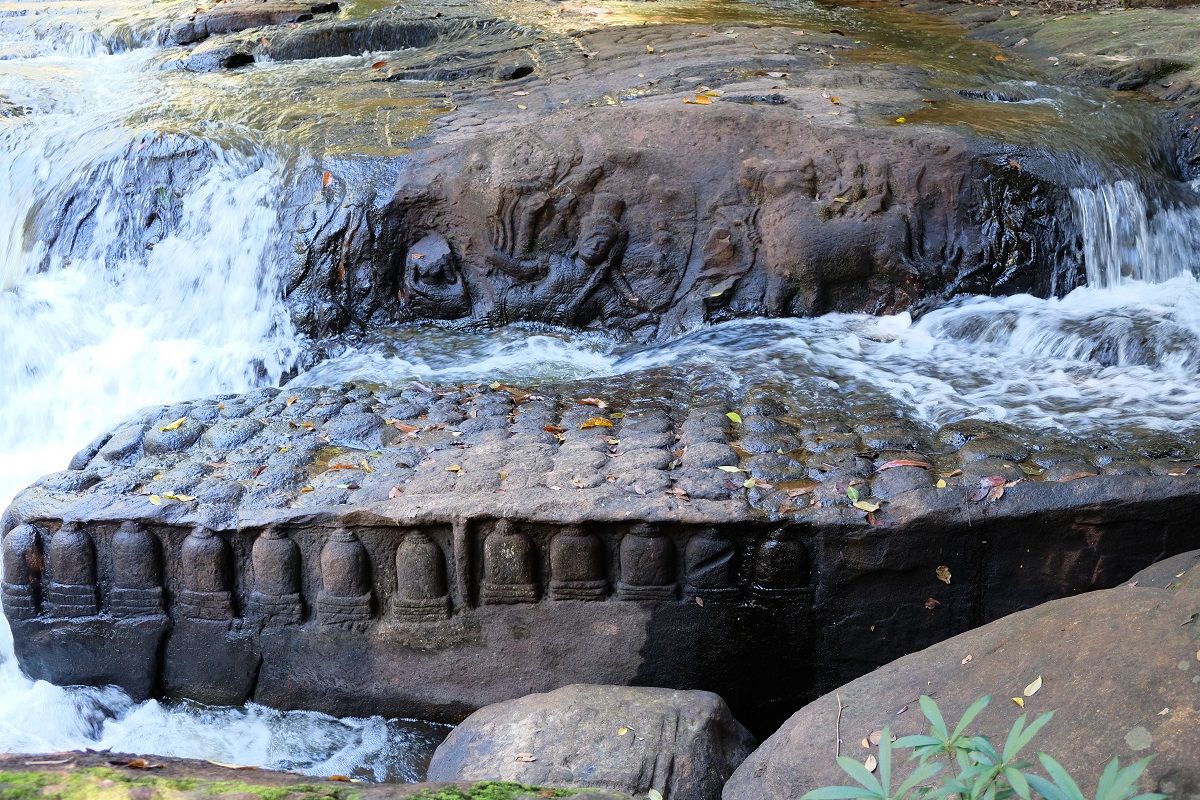
Hindu iconography carved into the rocks at Kbal Spean
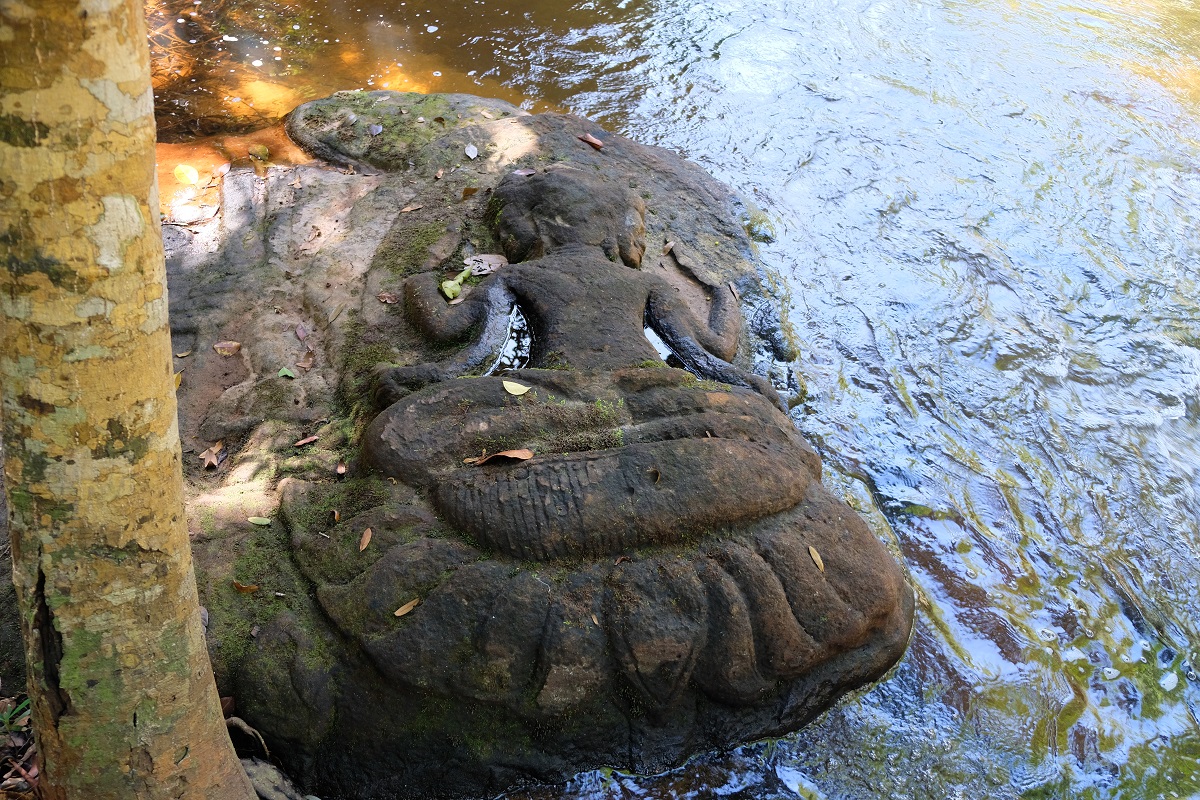
Brahma the Creator sitting next to the stream
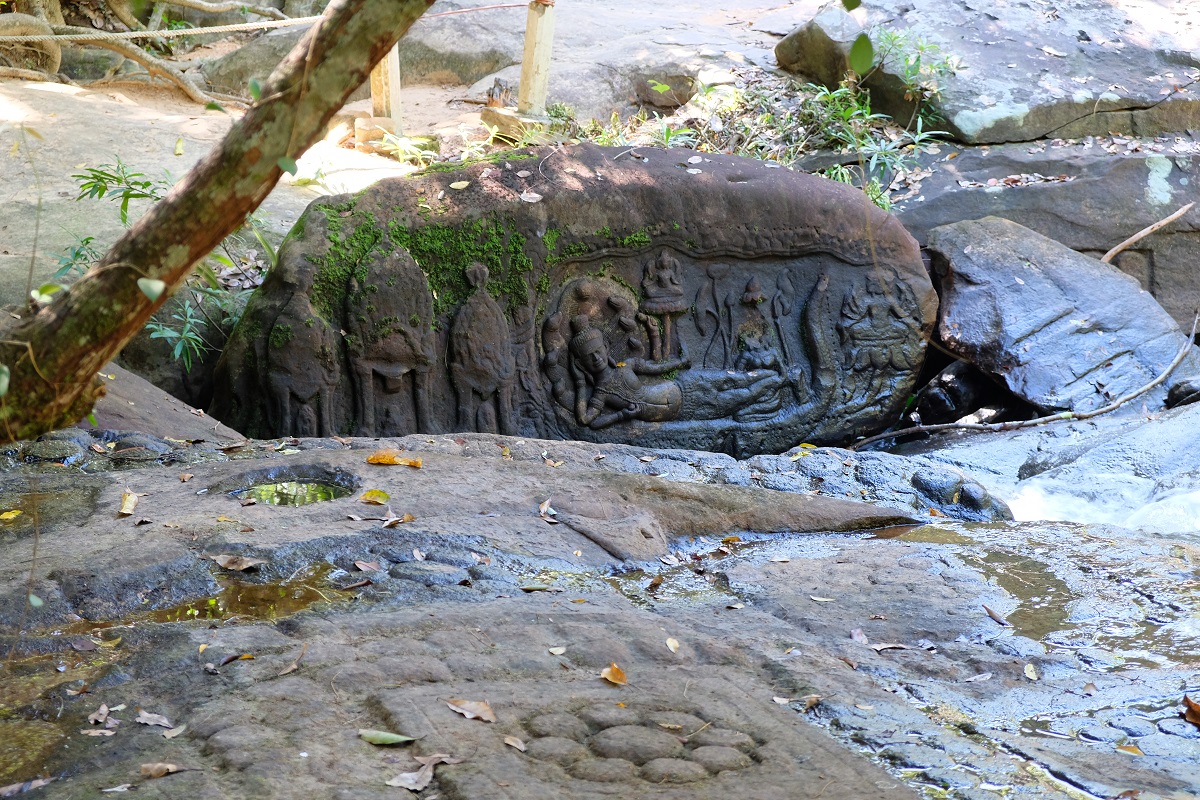
This rock slab bears the image of Vishnu the Preserver with Lakshmi and Brahma
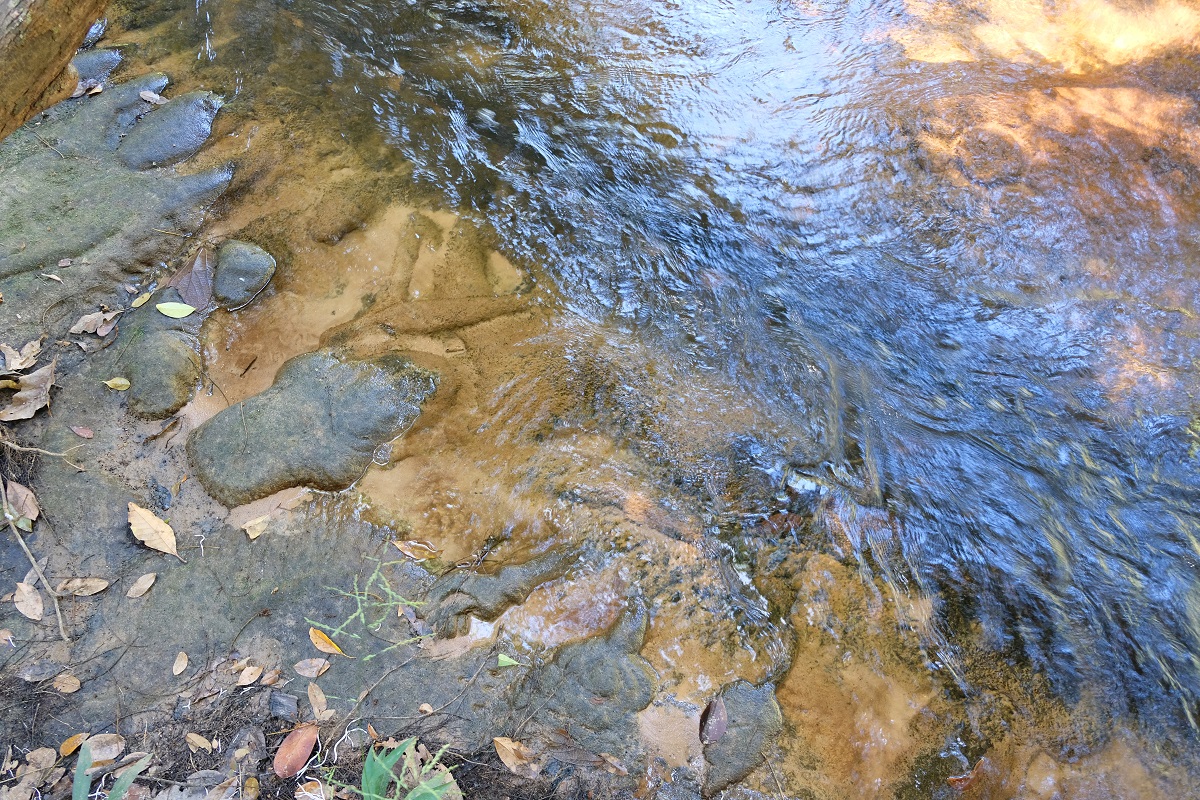
Some carvings have been badly eroded
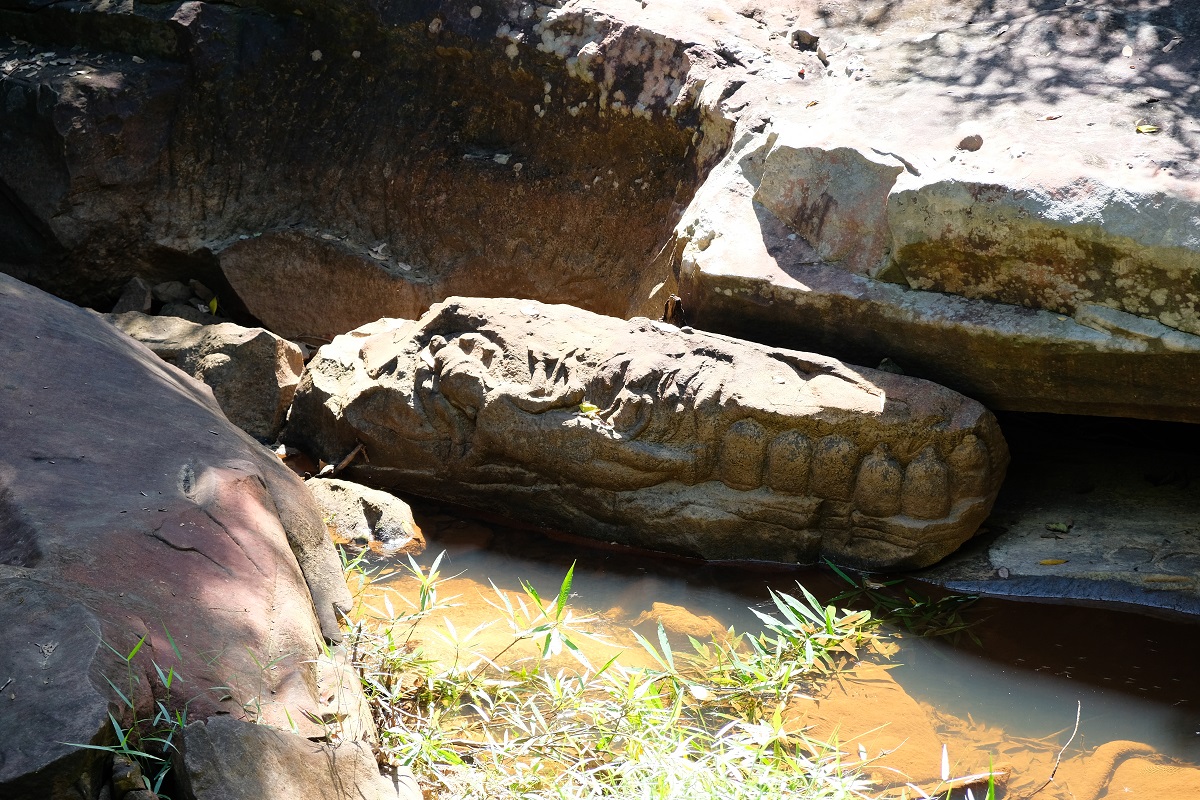
It was fun spotting rocks with ancient carvings along this stretch of the river
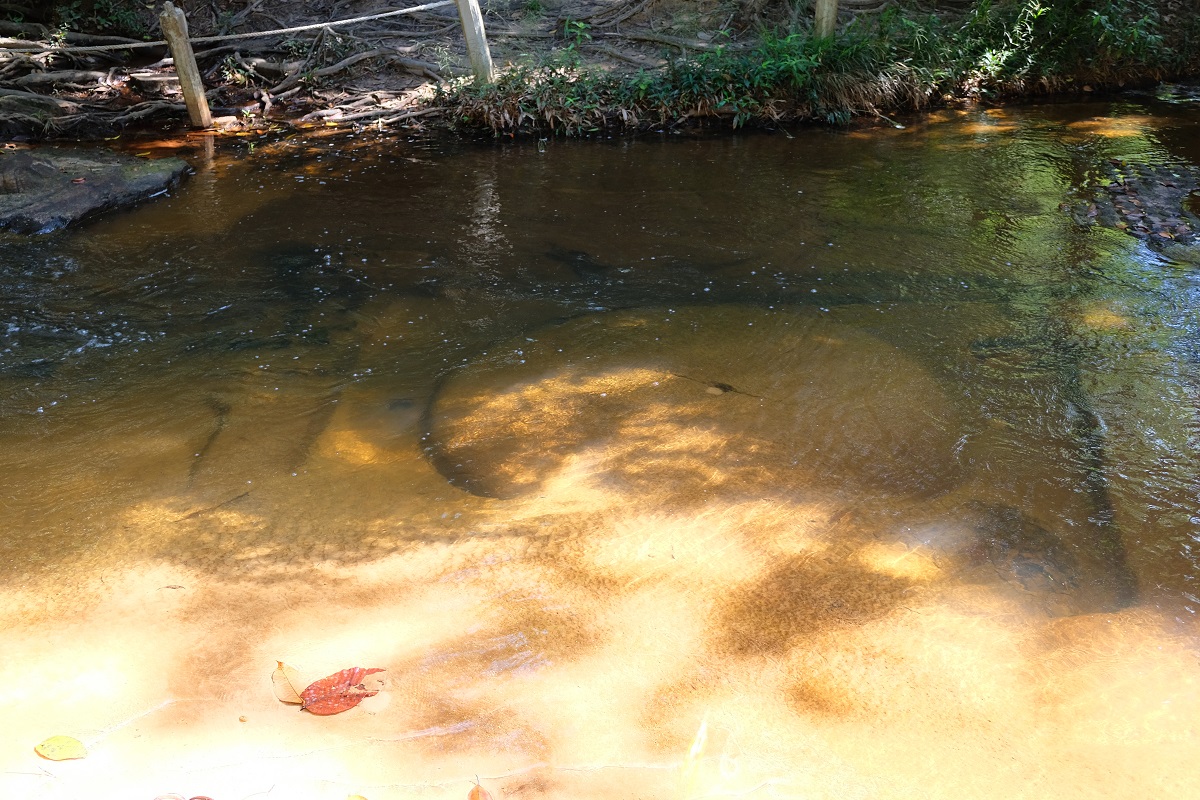
A massive submerged linga
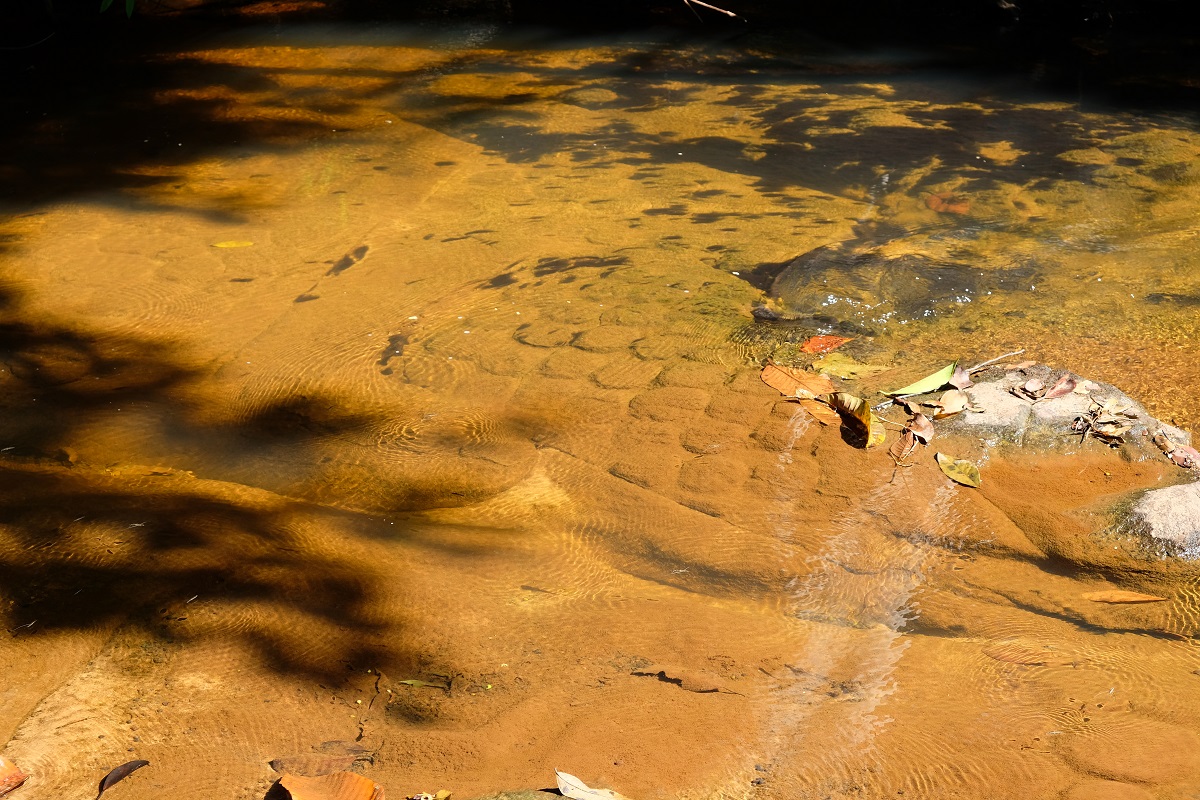
The sunlight helped reveal the riverbed
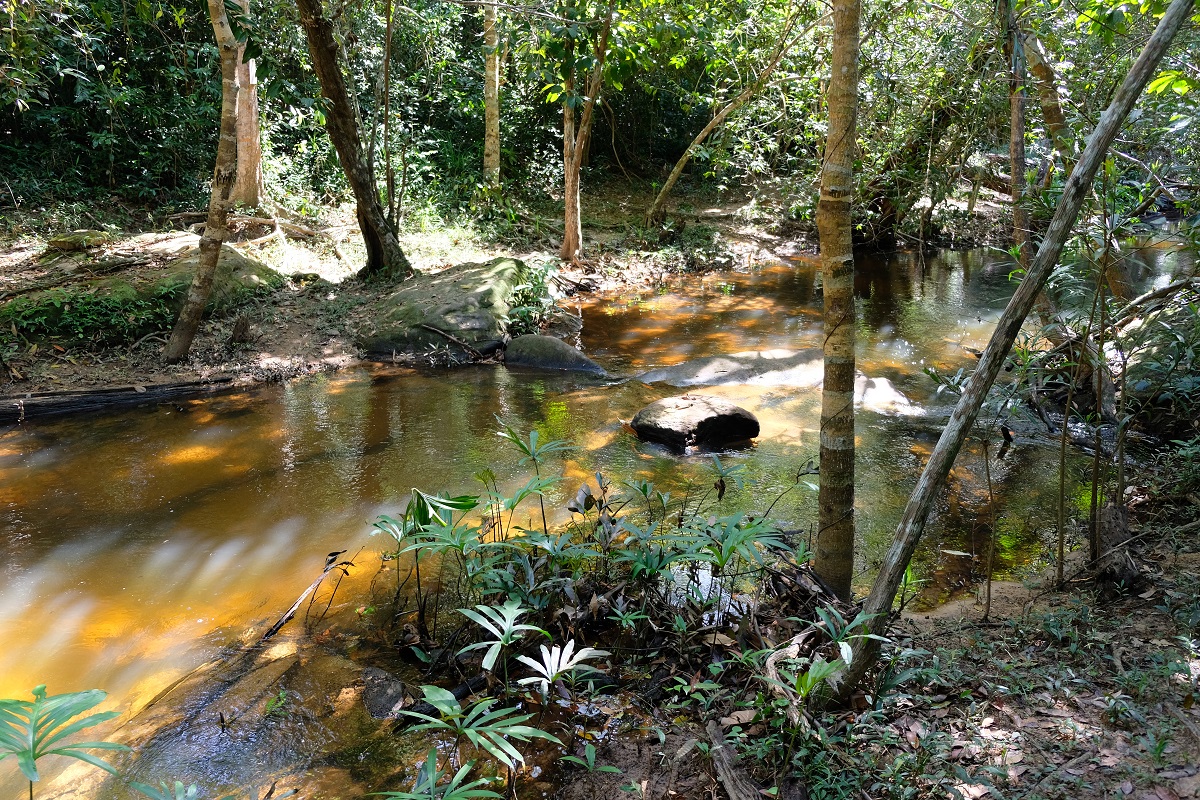
Searching for other ancient carvings in a corner of the Phnom Kulen mountain range
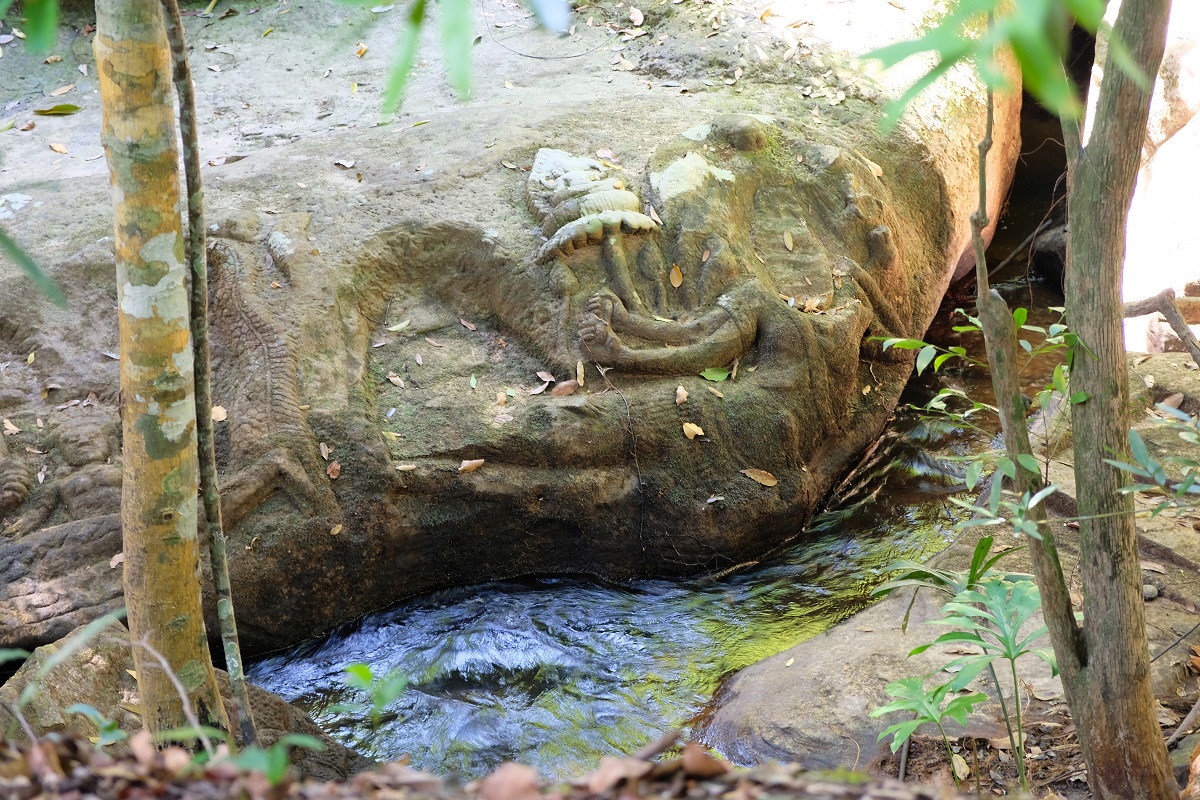
This one is rather hidden
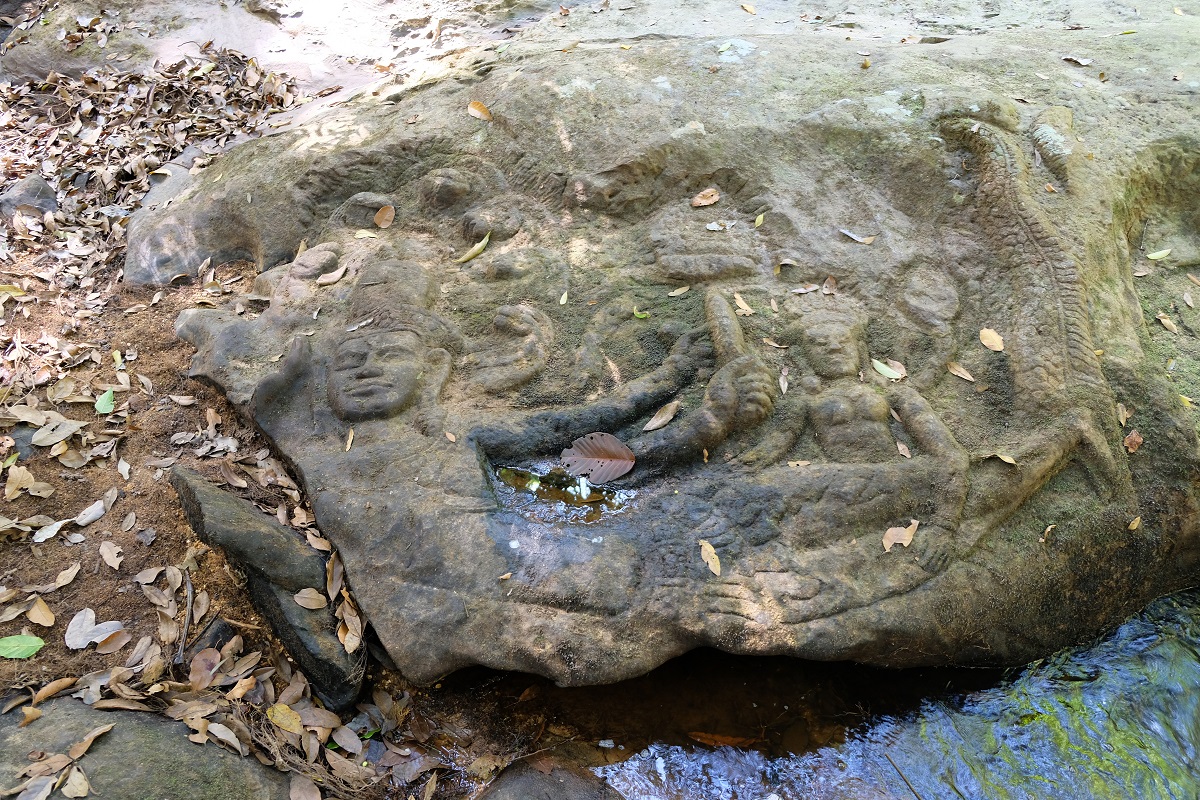
Some carvings are no longer intact
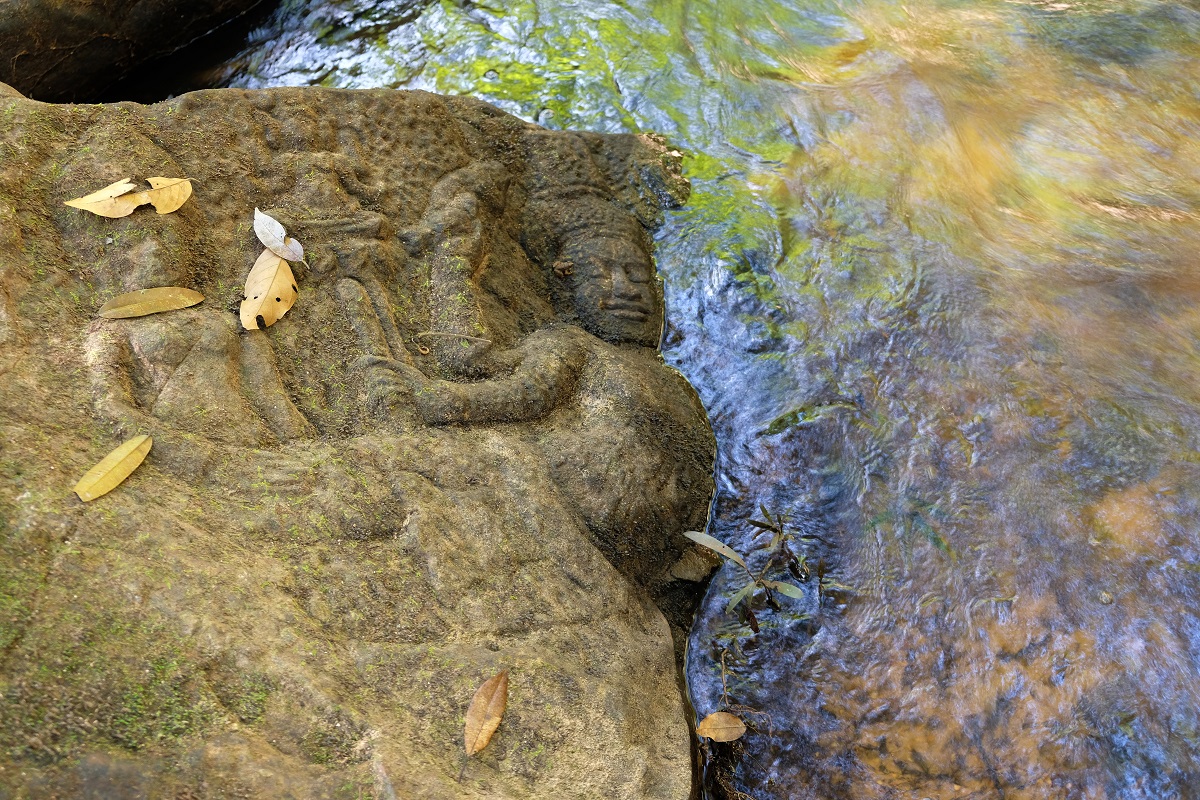
A precarious position
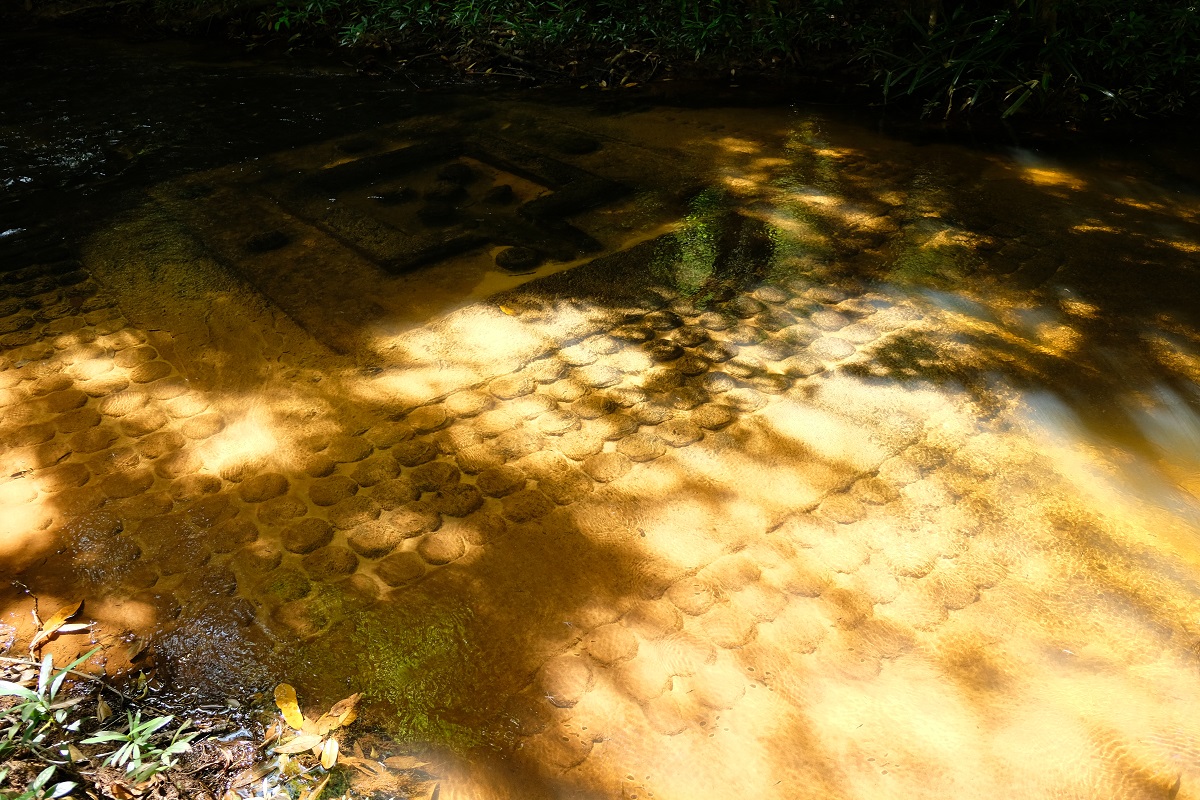
There is a reason why this is also known as the River of 1,000 Lingas
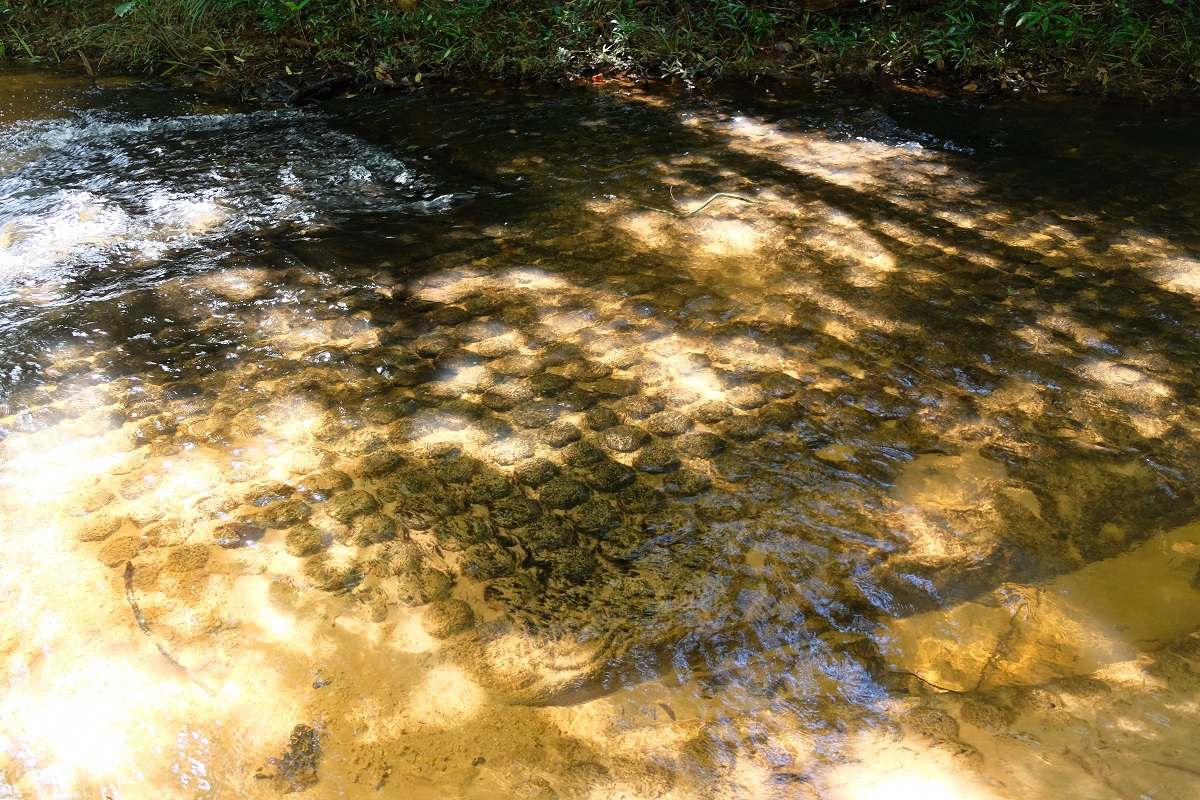
Carved to bless and sanctify the water
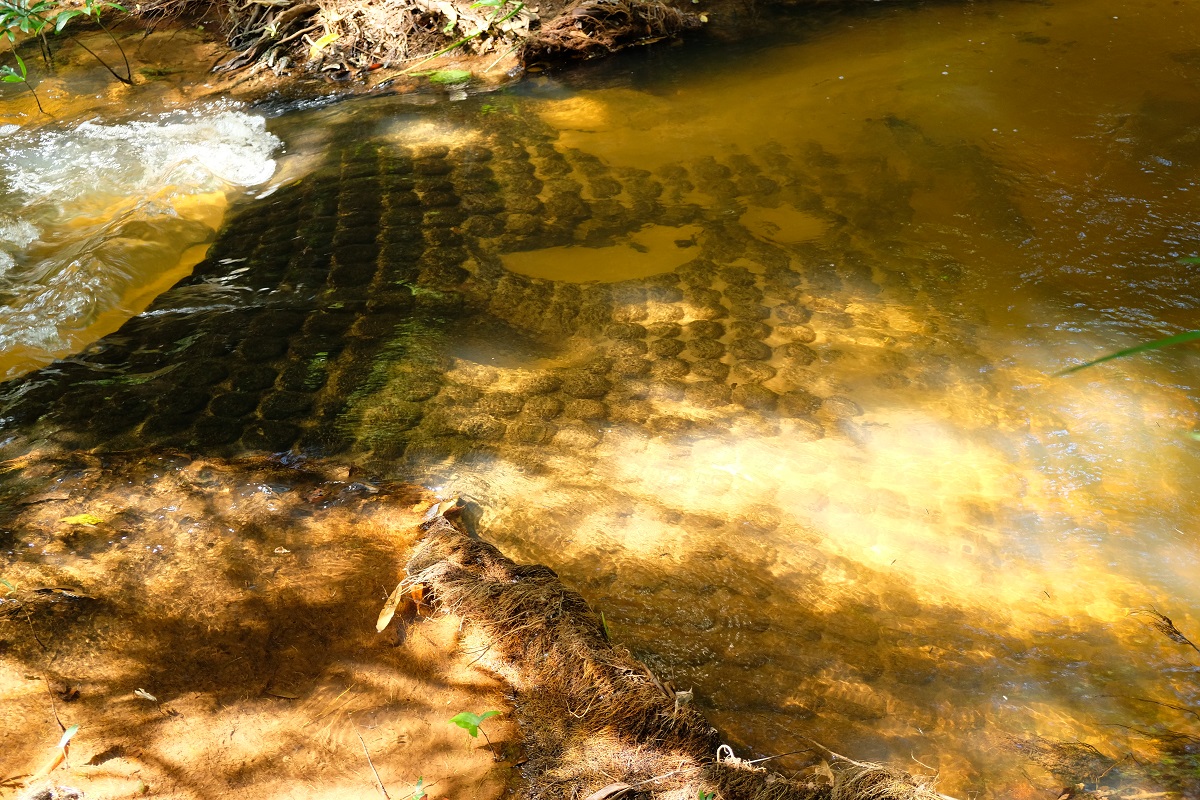
The river goes all the way to Angkor, the ancient capital of the Khmer Empire
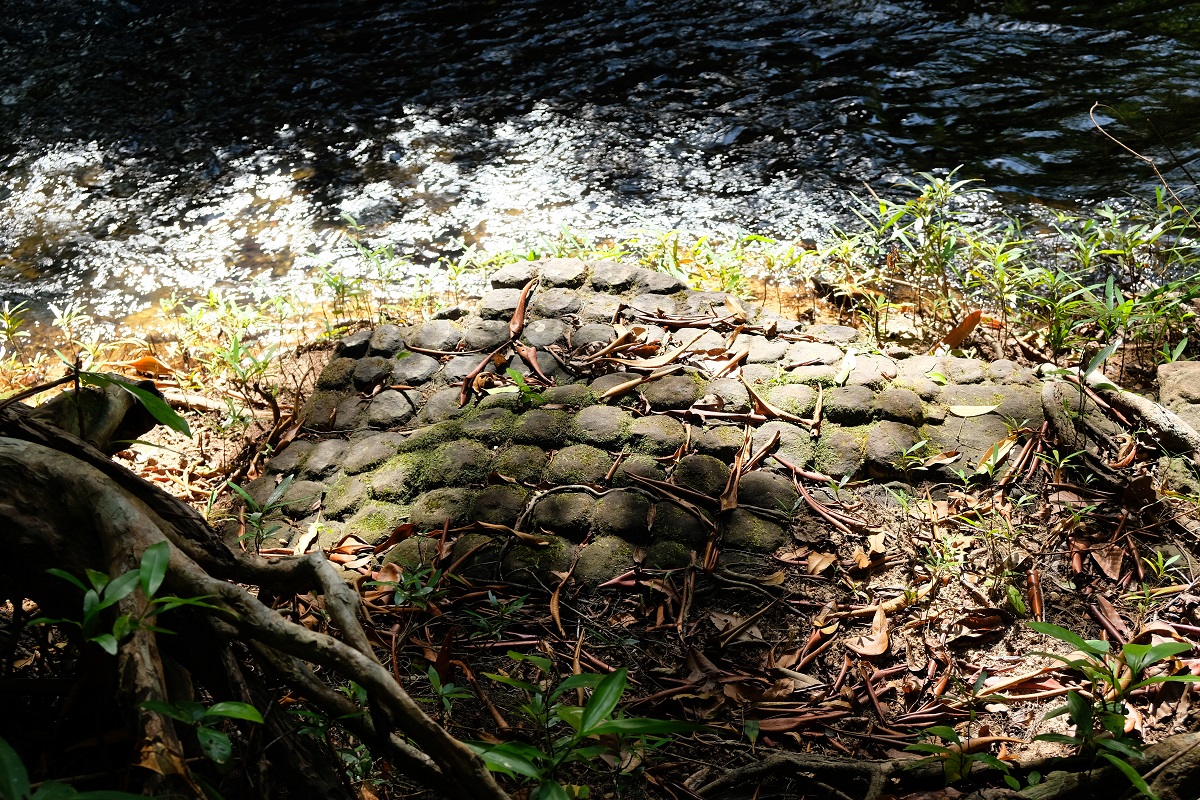
Some lingas were not submerged during our visit
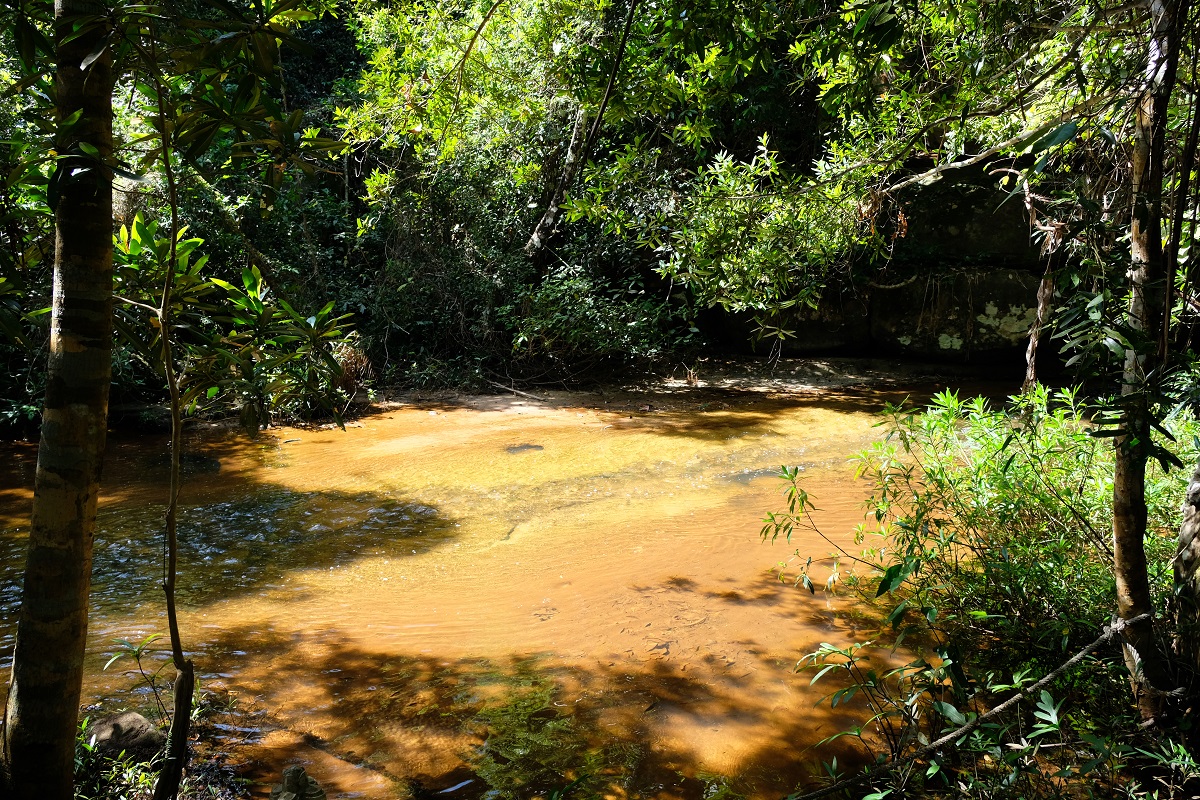
This unassuming river was once part of the cosmology of a great empire
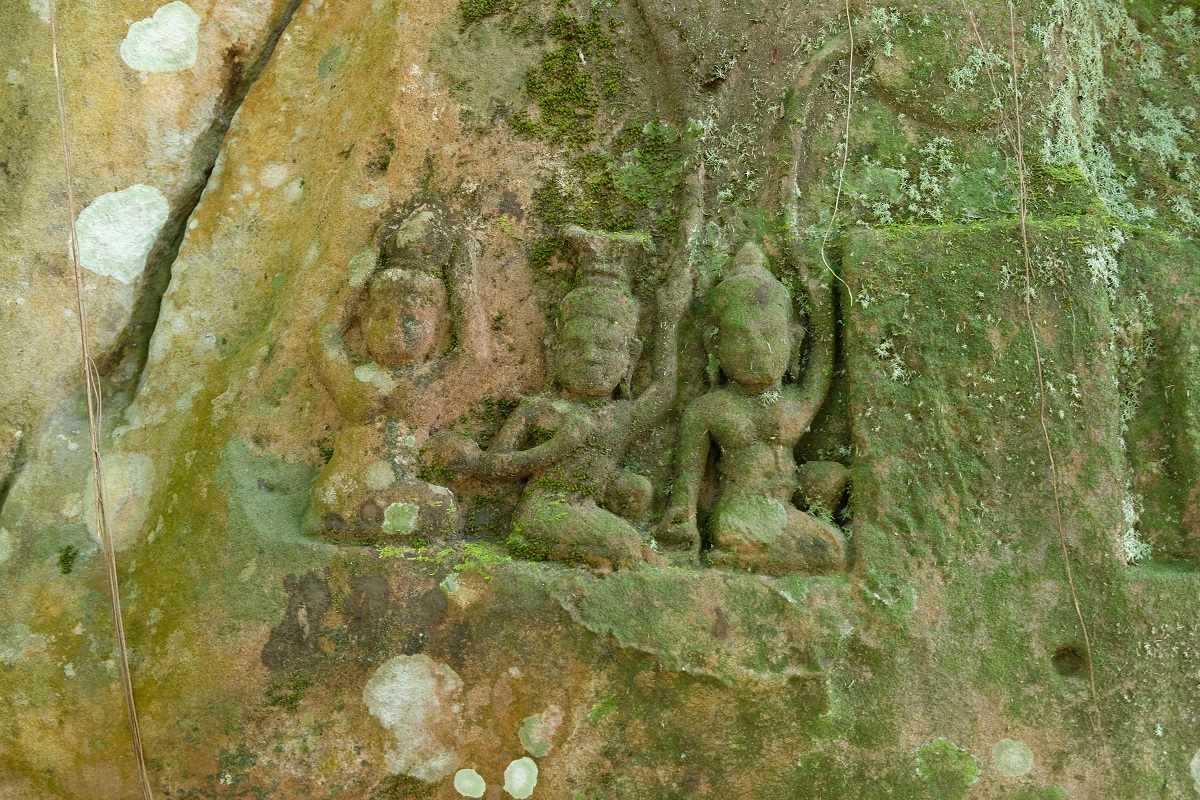
Most visitors probably did not see these figures
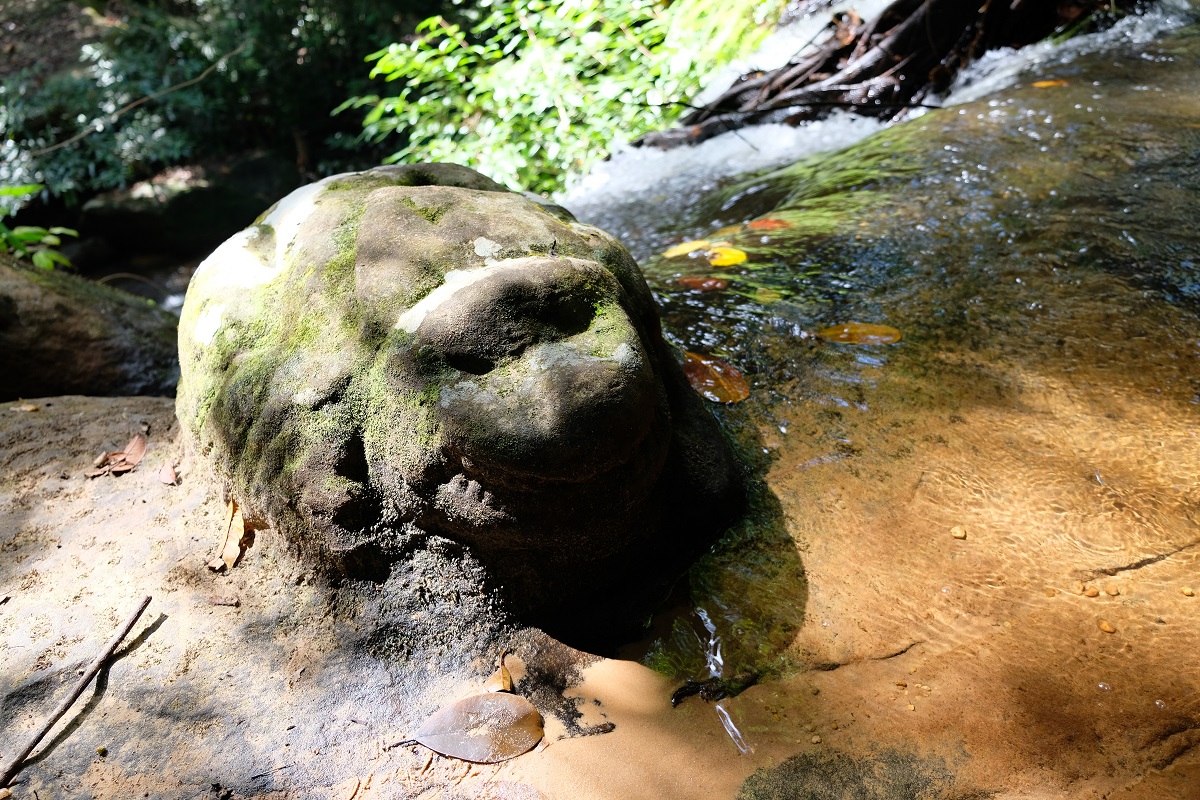
The water drops past this mysterious animal carving
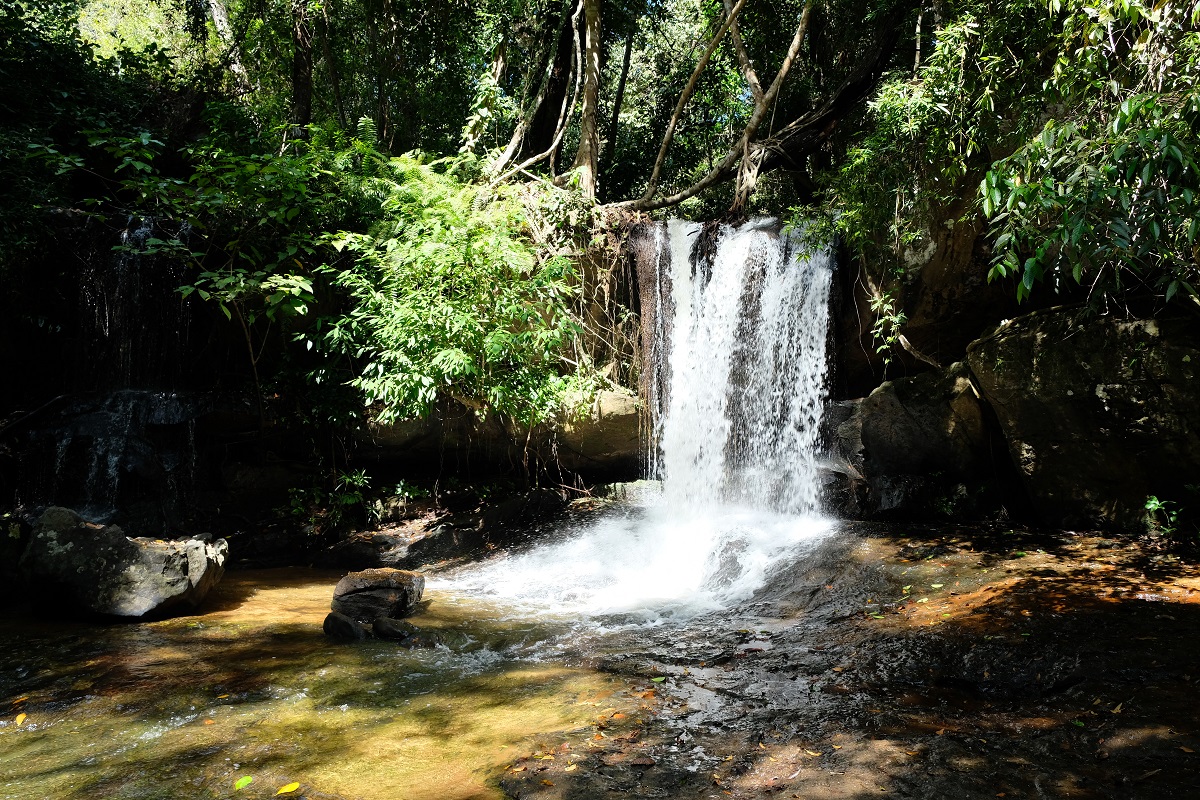
We would have missed this waterfall had the park staff members not told us to keep following the river
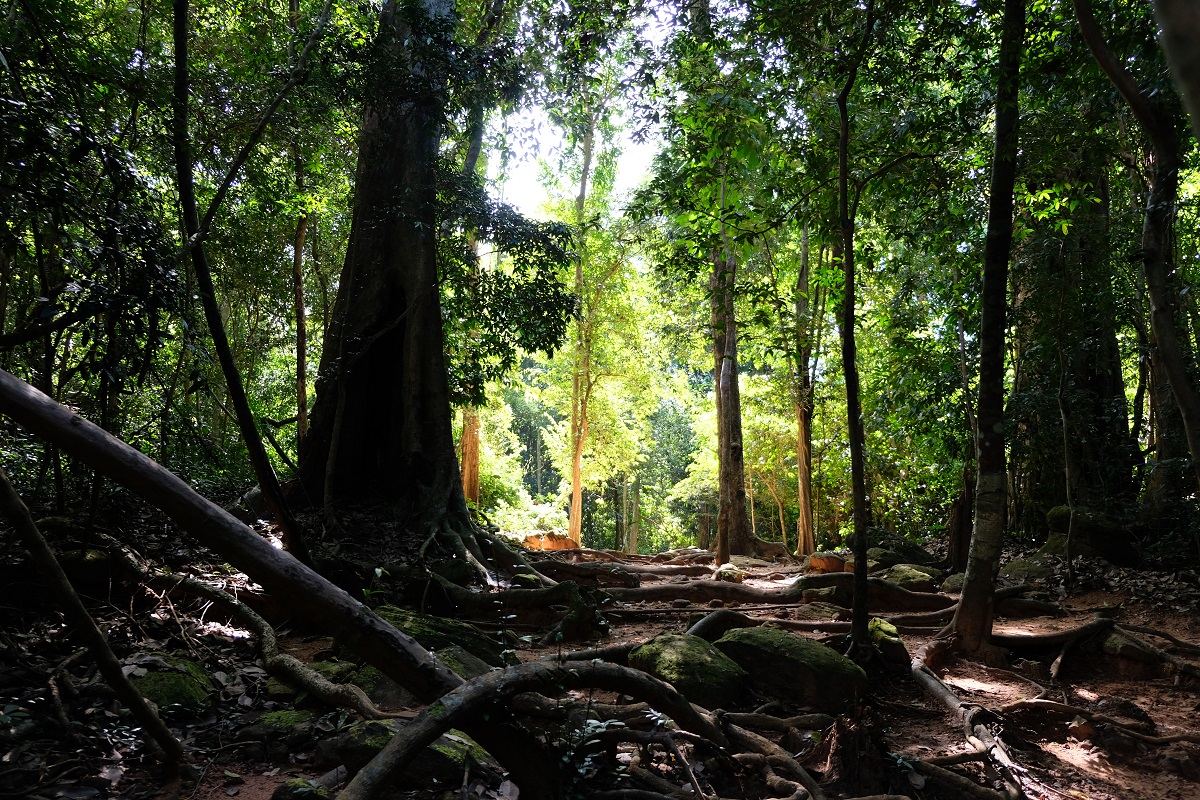
The same trail treaded by ancient Khmer people


Another amzing post on Anghor. Such an amazing place. (Suzanne)
LikeLiked by 1 person
Thanks Suzanne. There are so many things to see around Siem Reap that date back to the Angkorian period. Even after a week, there were still some I didn’t have enough time to visit.
LikeLike
I really enjoyed your day trip recap and the lovely photos, Bama. It’s good that the local guide alerted you to some of the hidden gems, like the river and the carvings. They are beautiful and speak to a different era of culture and craftsmanship.
It’s nice to think that successive generations try to innovate and improve upon the foundation and designs of the previous generation. That’s how society advances and progresses. The wisest rules are the ones that also give their people an opportunity to develop their ideas, as you saw on your recent daytrip.
And glad to see you out and about! 🙂
LikeLiked by 1 person
Thank you, Ab. I’m really grateful they told us about the narrow path toward the waterfall! And it was a good thing we didn’t rush around so we had ample time to look for some of those rather hidden carvings.
Actually this was from my week-long stay in Cambodia in December 2022. I still have some photos and stories I have yet to publish from that trip — and from Vietnam, and Taiwan, and Hong Kong. 😆 I’ll take my time though.
LikeLiked by 1 person
Great post with so many amazing photos, Bama, it makes you think how such a place remained away from touristy eyes for so long. I have to say that the Kbal Spean River looks like something right out of an Indiana Jones production diary and would be a great place to visit for a sense of adventure, archaeology, and simple history as well as for seeing all the wonderful stone carvings. Thanks for sharing, and have a good day 🙂 Aiva xx
LikeLiked by 1 person
Thank you, Aiva. When I was at Kbal Spean, I could only see a few other international visitors. I guess this place is a little too far from Siem Reap for most people to even consider a half-day trip there. But really, many ancient sites built during the Angkorian period today provide an Indiana Jones-esque experience for anyone visiting. Have a good day to you too!
LikeLiked by 1 person
This must have quite fascinating to see in person. I have never heard of these carvings before and am continuously astounded by the amount and location of religious artifacts in Angkor region. I guess it’s best to see during dry season. Maggie
LikeLiked by 2 people
Kbal Spean was special because it’s different from the other historical sites near Siem Reap. If you’re thinking of going, I’d recommend early December. The weather was mostly good the whole week we were there.
LikeLiked by 1 person
Kbal Spean seems like a very atmospheric spot Bama. You’ve captured some great photos. The Brahma carving near the stream is particularly lovely. Also the relief of Vishnu reclining on the serpent (incidentally, the name for that popular depiction of Vishnu is Sesha-saayi). I regret not having fitted this into our Angkor itinerary now.
LikeLiked by 1 person
Provided one doesn’t go there on a rainy day, Madhu! I can’t imagine how muddy and slippery it must be otherwise. Thanks for the information on the name of that particular depiction of Vishnu.
LikeLiked by 1 person
Another lesser-known place in Cambodia that many tourists don’t know about! A beautiful, hidden spot worth exploring and learning more about Khmer history. There’s so much to see in Cambodia outside of Angkor Wat!
LikeLiked by 1 person
For sure, Rebecca. Angkor Wat is only one of the many magnificent and intriguing structures the Khmer Empire built. Even after a week I still couldn’t see everything.
LikeLiked by 1 person
I’ve heard about the lingas river but never got a chance to see due to time constraints during my last trip.
LikeLiked by 1 person
It’s understandable why most people who visited Angkor Wat missed Kbal Spean, because it’s located around 50 km away from Siem Reap. I hope you’ll get to see it the next time you go.
LikeLiked by 1 person
Didn’t get to this place on our trip but it would have been nice to have seen the river and falls! So many little historical posts around Siem Reap!
LikeLiked by 1 person
I have a feeling you would’ve loved Kbal Spean, Anna. It’s historical, but it’s also different. Seeing these sites really makes me appreciate the ancient Khmer people even more. What they left really is amazing, even for today’s standards.
LikeLiked by 1 person
Oh my goodness what a story! The carvings are beautiful, and it sounds like it was a lovely hike and great fun looking for the carvings.
Alison
LikeLiked by 1 person
We went around midday, but thanks to the dense canopy of the forest, the heat from the sun wasn’t really a problem. I think this is the kind of place you would also find interesting, Alison.
LikeLiked by 1 person
Oh this is so fascinating! On one hand, I love that the carvings are still in the water but I also worry that they are being worn away by the water too. Thanks for sharing the pictures and the history.
Cheers!
LikeLiked by 1 person
That’s true with ancient carvings out there that are exposed to the elements. Some places took a step further by constructing protective structures which, admittedly, can take out the magic of the site a little bit. But for the preservation of such invaluable heritage, it’s a small price to pay, really. I don’t know how long those carvings on the riverbed will last, but they will probably be still around for many more generations to come.
LikeLiked by 1 person
This looks like a fun day trip from Siem Reap. Good thing those staff members told you where to go to see the waterfall. The carvings in the rock are impressive.
LikeLiked by 1 person
It truly was. And the fact that there were only a few other visitors really added to the charm. However, I don’t recommend going there during rainy season. I can imagine just how slippery the dirt path will be after a particularly heavy downpour.
LikeLiked by 1 person
I’m imagining the practical challenges of carving all those lingga into the riverbed – surely the sculptors would have needed to block off part of the sacred river so it was dry? It is remarkable that so many of the more ornate carvings have survived all these centuries later, despite the constant flow of the river and the erosion that brings. Banteay Srei alone was enough to justify our early morning departure for an excursion far beyond the larger temples of Angkor – and the hike to Kbal Spean turned out to be the cherry on top.
LikeLiked by 1 person
That’s a good question. One thing we now know about the ancient Khmer people is how advanced their knowledge about water management was. I imagine blocking off a section of this river might have not been too much of a challenge for them. It is indeed amazing to think that centuries after they were created we can still discern many of those carvings despite their constant exposure to the elements. I remember reading a post about Kbal Spean on a blog more than a decade ago, and to be able to see it in person felt really special.
LikeLiked by 1 person
This post is a wonderful reminder of what was perhaps the most memorable experience I’ve had when visiting Siem Reap and its wonderful temples. Thank you for reminding me of it.
LikeLiked by 1 person
My pleasure, Jolandi. It’s easy to see why visiting Kbal Spean was among the highlights of your trip to Siem Reap. While the ancient temples are marvelous, there’s something so fascinating about those carved Hindu deities along the river.
LikeLiked by 1 person
Fascinating. Did you find the area to be buggy….mosquitoes?
LikeLiked by 1 person
Good question! Actually there were no mosquitoes at all, at least at the time of our visit.
LikeLike
Mas Bamaaaaaaa….
Aku beneran parah deh, sudah lama banget ga blogging, jadi ya ketinggalan banyak nih, nah pas aku ke Home blog mas Bama, begitu liat Kbal Spean, duh langsung liat dulu. Aku sudah lama banget ke tempat itu, sendirian, tujuh tahun lalu, dan seperti Mas Bama aku dikasih tau petugasnya untuk turun ke bawah lagi dan lagi bahkan terus sampai menjauh dari air terjun masih ada relief kecil-kecil yang bikin gemez. Jadi aku geli sendiri pas liat foto-foto mas Bama hahaha… inget soalnya,
Penanda jarak yang tiap 100 meter masih ada gak? Aku inget, ada turis bule sama pasangannya, kayaknya saltum karena pakai rok cantik gitu dan heel. Mungkin dikasih tau sama guidenya bahwa jaraknya dekat padahal kan harus nanjak-nanjak gitu, kasihan deh, mana panaaassss…
Di Kbal Spean aku suka merasa lucu aja dengan lingga yang banyak itu, kayak bukan lingga melainkan hanya lots of bumps gitu 😀
LikeLiked by 1 person
Wah, jadi memang sepertinya banyak pengunjung yang gak ngeh kalau ada jalan setapak menuju air terjun ya, sampai-sampai petugasnya kayak udah otomatis gitu kasih tunjuk, hehe.
Penanda jaraknya masih ada mbak, dan bener yang Mbak Riyanti bilang, setiap 100 meter ada. Itu lumayan bikin semangat sih, jadi kebayang aja gitu kira-kira berapa lama lagi sampai. Wah, ke Kbal Spean pake baju cantik? Mesti hati-hati banget sih itu biar gak kena tanah. 😀
Iya, lingganya unik ya, bukan yang satu dan tinggi gitu, tapi lebih ke gundukan.
LikeLiked by 1 person