
The part of Kaohsiung where we stayed
Back in my high school years, I always studied in my room from 6 to 8:30pm on weeknights because my parents told me to – they were among those stereotypical Asian parents who wanted their children to study hard to get good grades. But after classes in the morning and tutoring sessions in the afternoon, sometimes what I really wanted to do at night was to chill. Little did they know that I probably spent half of my nighttime study hours doing exactly that. I found excitement, and to some extent, comfort, in drawing high-rise buildings and skyscrapers with shapes that sometimes came purely out of my imagination. I wouldn’t dare to say that I can draw, but I just loved doing it. There’s something fascinating about skyscrapers. I often pored over images of US cities filled with so many of them on the encyclopedia pages at my school library. And when I finally had my own personal computer, I spent a lot of time searching for pictures of cool tall buildings around the world with unique architecture.
Years later, I stumbled upon a chart of the tallest structures in Asia. While it included the obvious names like Kuala Lumpur’s Petronas Twin Towers, Taipei 101 with its iconic Chinese pagoda-inspired aesthetic, and the slender-looking 2IFC in Hong Kong, one particular skyscraper stole my attention for its unusual appearance. Imagine three supertall buildings built next to each other. The middle one, however, seemed to have been raised, leaving a void underneath, with the other two practically supporting the one floating above them. I read the label carefully, and it said “Tuntex Sky Tower”, apparently named after a textile company that commissioned and owned the building. Then I read further and learned about the name of the city where this curious-looking man-made creation was constructed: Kaohsiung. Hmm… where is this city?
Many years have passed since I first learned about Kaohsiung, a city in Taiwan situated in the southern part of the country. But it wasn’t until I watched this report from Monocle about the economically-important urban area when my interest in it was reignited. While the video starts with a city seemingly blanketed in rather murky air, it shows how Kaohsiung, a major industrial hub in Taiwan, looked in 2013: a place where a large cultural center was under construction, and a port city whose once derelict warehouses had been turned into creative spaces geared toward the youth. But what drove the city to move toward this direction? To answer this, we need to look back to the past.
Also called Takao, Tancoia, and Fongshan throughout its history under the control or influence of Imperial Chinese dynasties from across the strait as well as the Dutch East India Company (the VOC), Kaohsiung’s significance as an important port and industrial center truly began during the time the Japanese ruled Taiwan. The East Asian colonizers developed the harbor of Takao and built an extensive railway network within the city and beyond, which eventually connected all the way to Taipei in the north. All these developments proved vital to establish Kaohsiung’s strategic position as Taiwan’s prime international port as well as its heavy-industry hub long after the Japanese left following their defeat in World War II. During the decades of rapid economic expansion of South Korea, Singapore, Hong Kong, and Taiwan – collectively called the Four Asian Tigers – which was primarily fueled by export-driven policies, Kaohsiung further cemented its importance for Taiwan.
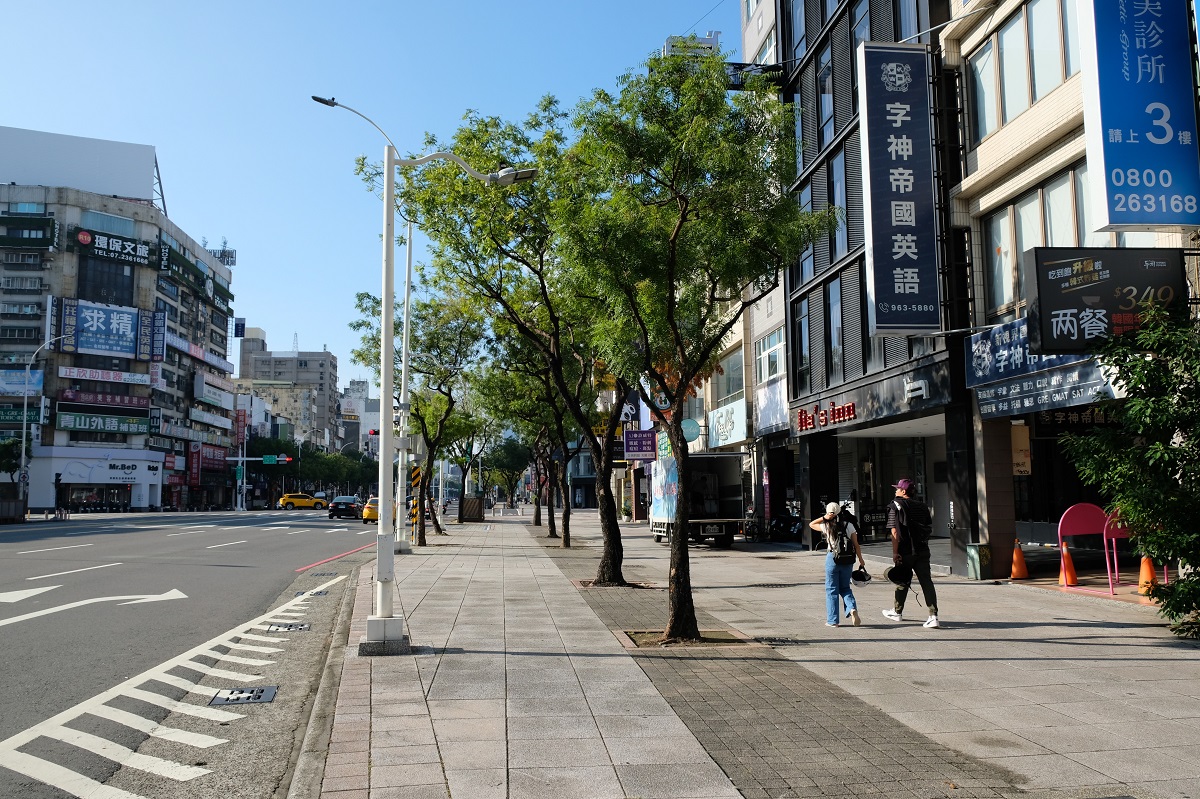
Early morning in downtown Kaohsiung
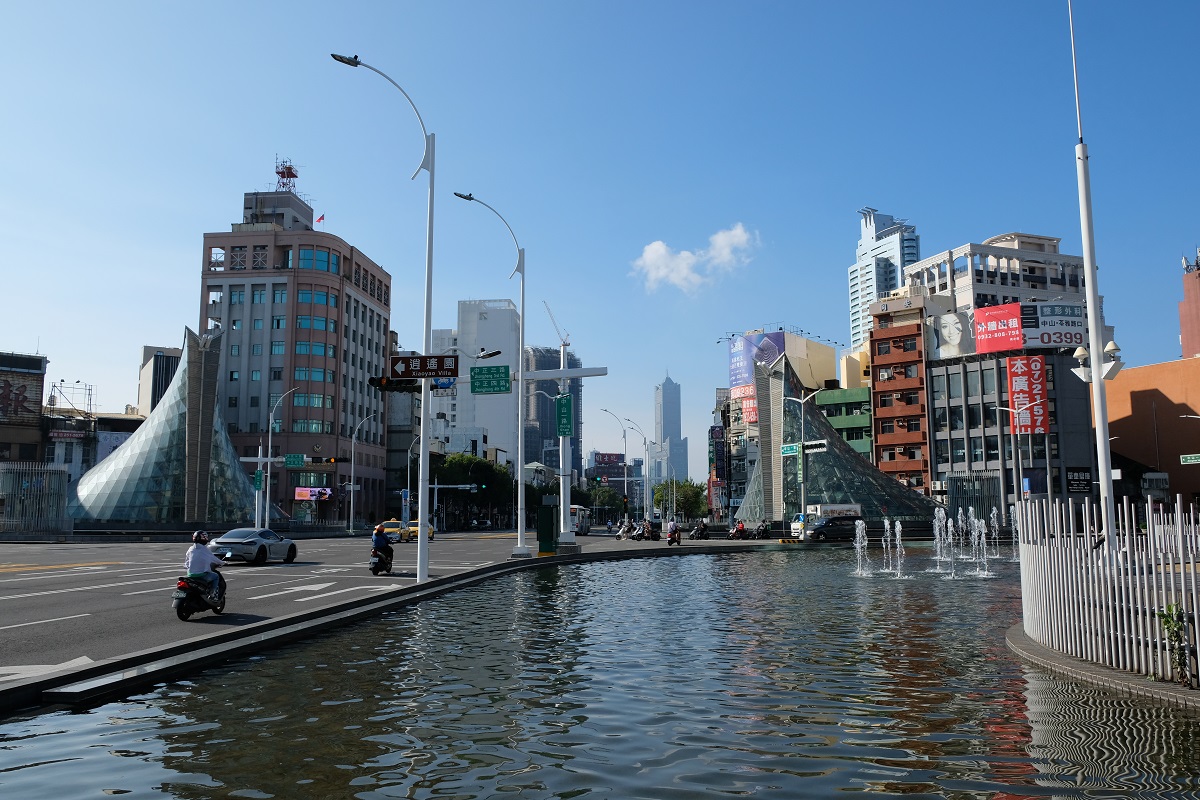
The glass pedestrian entrances to Formosa Boulevard MRT station, designed by Japanese architect Shin Takamatsu
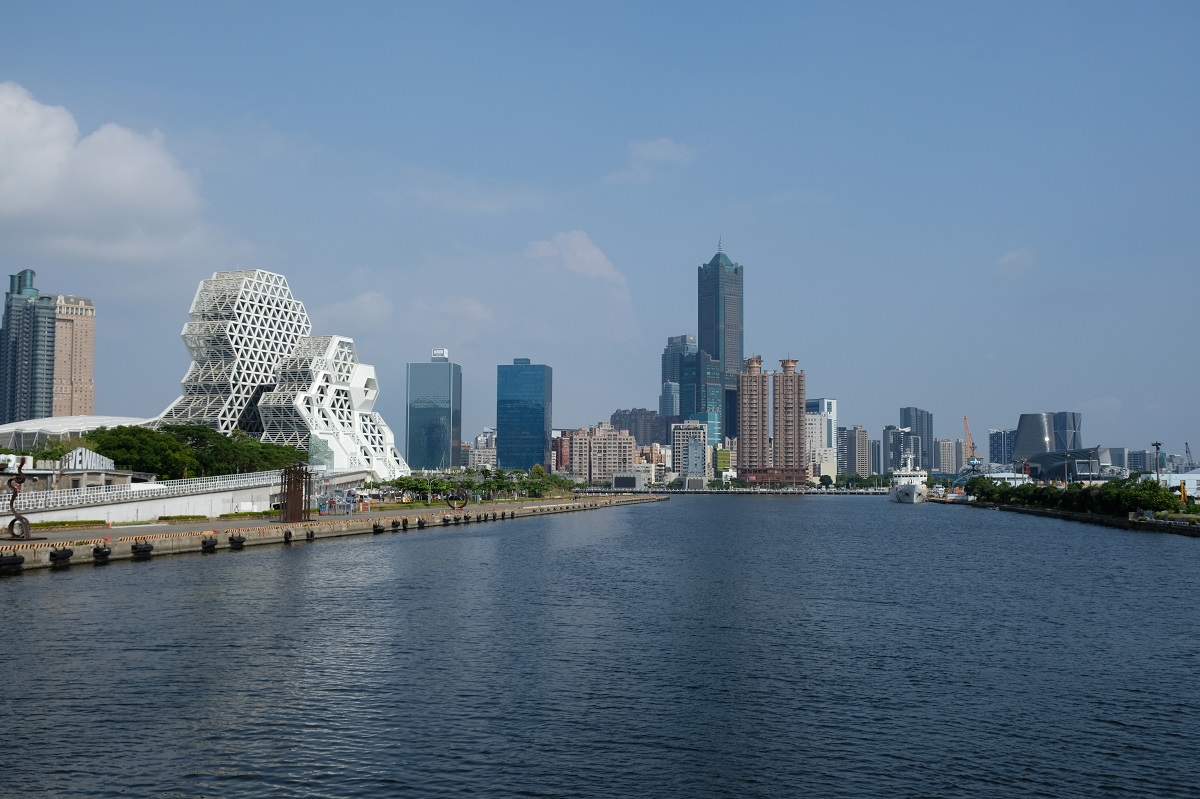
The so-called Asia New Bay Area with the iconic 85 Sky Tower (formerly Tuntex Sky Tower) in the background

Weiwuying with its undulating roof

A street in Hamasen, the city’s old Japanese district

Formerly part of the old train station, this area has become a popular spot for picnics
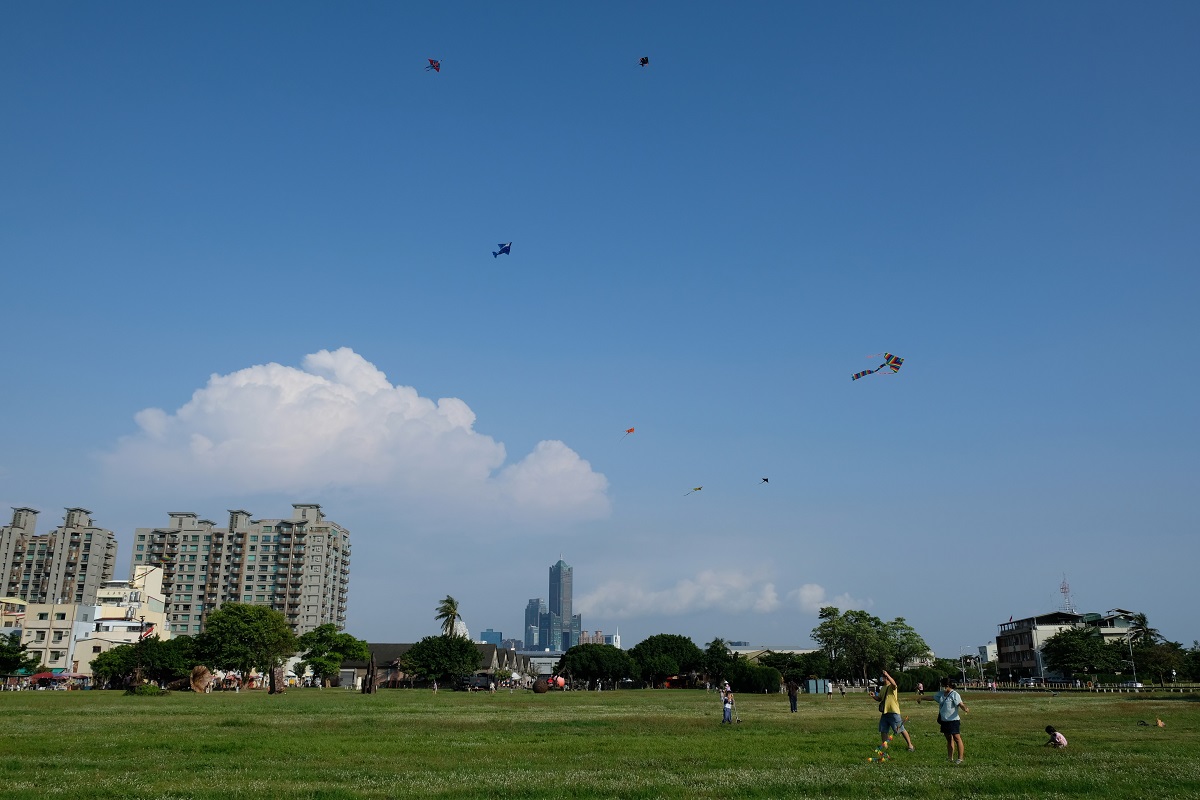
The same location on a sunny day
Manufacturing, steel-making, oil refining, and shipbuilding were among the heavy industries that thrived in Kaohsiung. Unsurprisingly, the city became increasingly polluted. The water of the Love River, the city’s main waterway, was so black at one point due to the raw sewage and untreated industrial waste that was dumped into it. However, as China’s economy began to grow rapidly, many plants and factories in Kaohsiung gradually moved to the Chinese mainland due to its cheaper labor costs.
There has always been a north-south divide in Taiwan. While the country’s strategically-important semiconductor companies have been based mostly in the north, the south always had a bigger reliance on heavy industries, which were increasingly moving away to a much larger market across the strait. Politically, the south has for a long time been a bulwark of Taiwan’s democracy against the north which was traditionally dominated by the KMT, the nationalist party of the Republic of China that fled to Taiwan following their defeat at the hands of the Chinese Communist Party, which took control of Mainland China in 1949. The KMT then set up one-party rule on the island, persecuting all opposition, and limiting public shows of discontent. In 1979, the KMT government launched a crackdown on pro-democracy protests in Kaohsiung, an event that further galvanized the general public’s demand for their democratic rights. In 1987, the KMT finally lifted the martial law it had implemented for 38 years on the island, and in 1996 Taiwan had its first-ever direct presidential election which saw multiple candidates running for the top job.
In 2000, the DPP – a major party known for its pro-democracy and pro-self-determination stance – won the presidential election, putting an end to more than half a century of KMT rule on the island. Since then, the south has become a stronghold of the DPP, consistently voting for candidates from the party in every presidential election. In the 2018 local elections, however, 54% of Kaohsiung residents decided to vote for a KMT candidate to become their new mayor, following nationwide dissatisfaction of the DPP. But as the 2020 presidential election loomed on the horizon, the new mayor of Kaohsiung began campaigning as a presidential candidate. This proved to be an extremely bad political move. In a truly democratic fashion, a growing number of Kaohsiung residents demanded for a recall. If I were one of them, I think I would have had the same thought about the new mayor. Do you actually care about our city or do you want the job just as a springboard for your presidential ambitions?
Kaohsiung became the first city in Taiwan that successfully recalled its popularly-elected mayor. And in 2020, a by-election was held which resulted in a resounding victory for the DPP candidate, raking in 70% of the votes. This is truly a remarkable display of what democracy is all about: giving the ultimate power to the people.
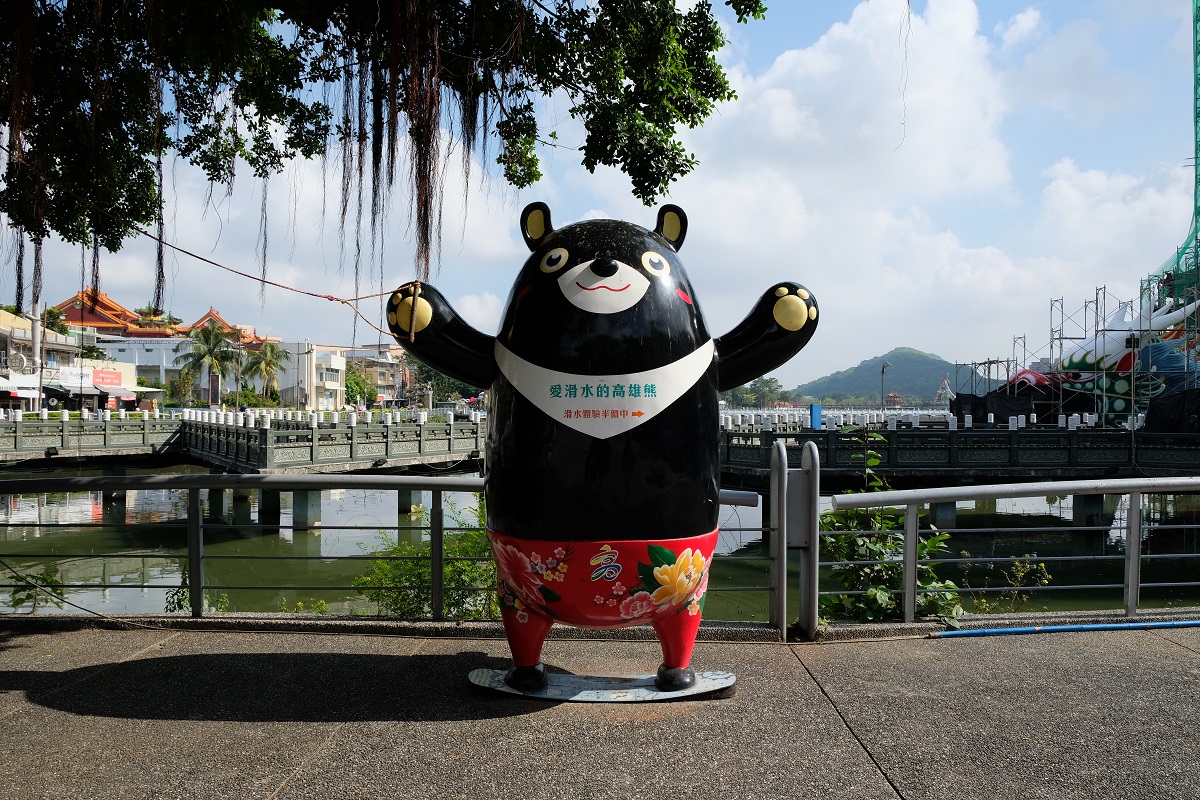
The official mascot of Kaohsiung is called Tall Bear, which in Mandarin sounds like the name of the city itself
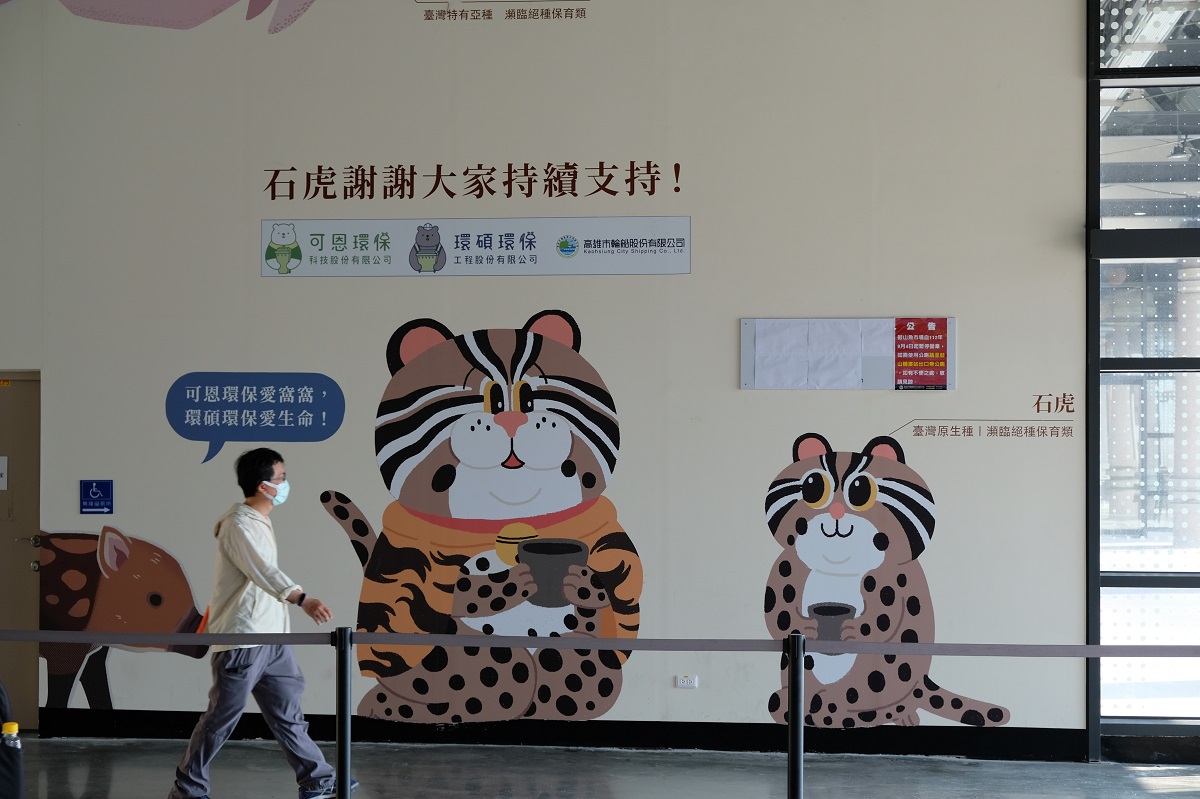
Cartoon characters are everywhere in Kaohsiung
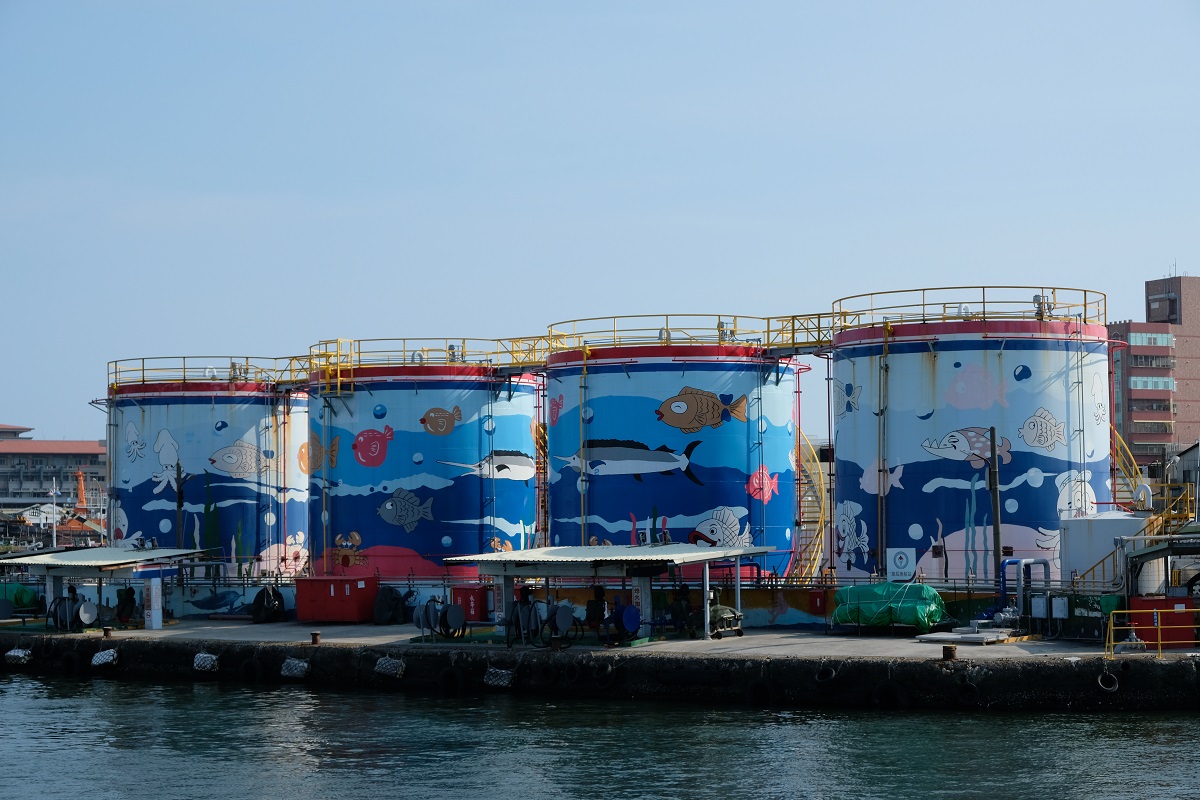
These were spotted on Cijin Island across the harbor

The cat is the official mascot of the city’s MRT company, while the other characters were created by Taiwanese artists

A modern take on the Chinese zodiac
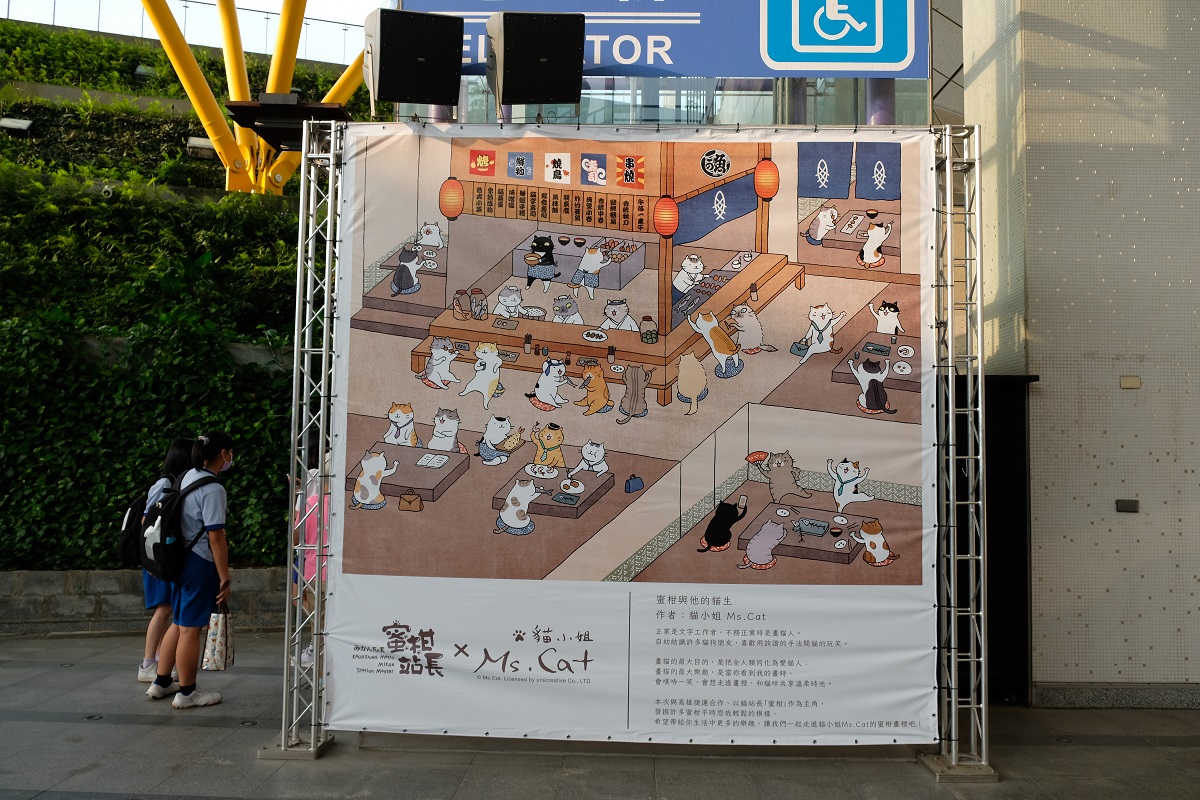
The Taiwanese seem to really love their cats
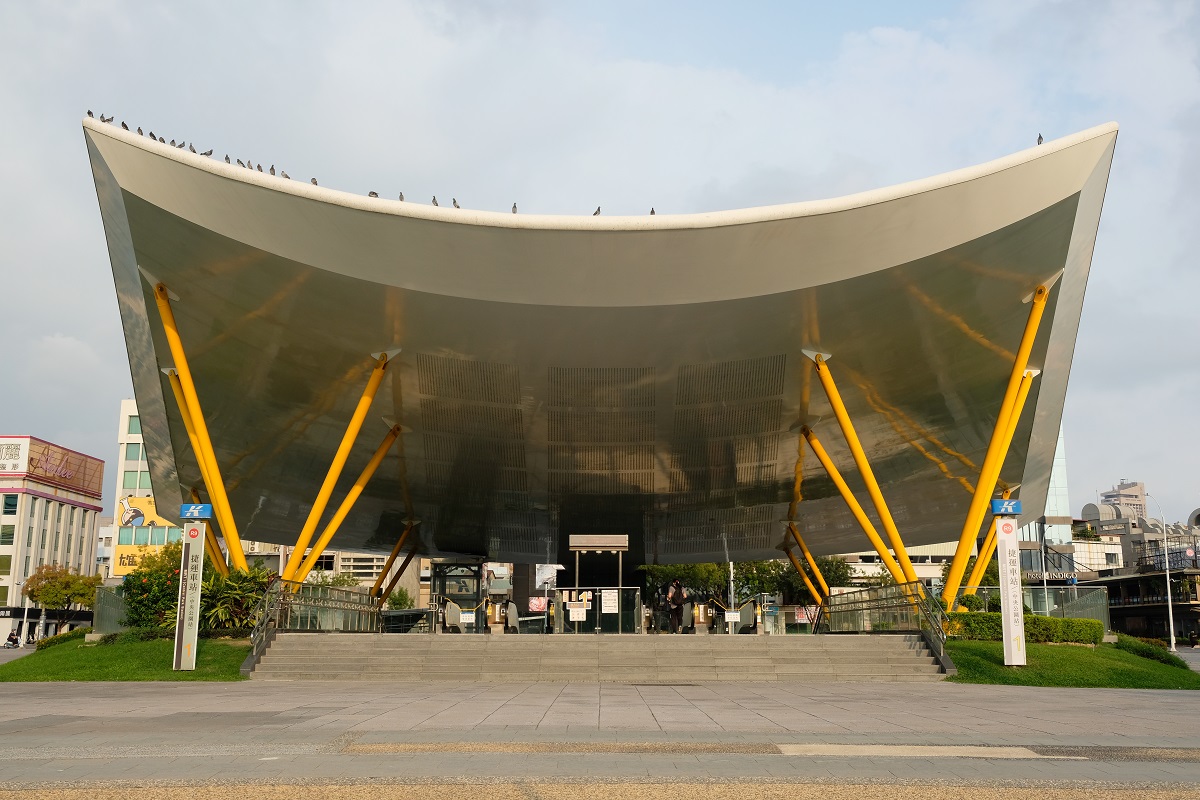
The entrance to Central Park MRT station, designed by British architect Richard Rogers

Beneath the canopy of the same entrance
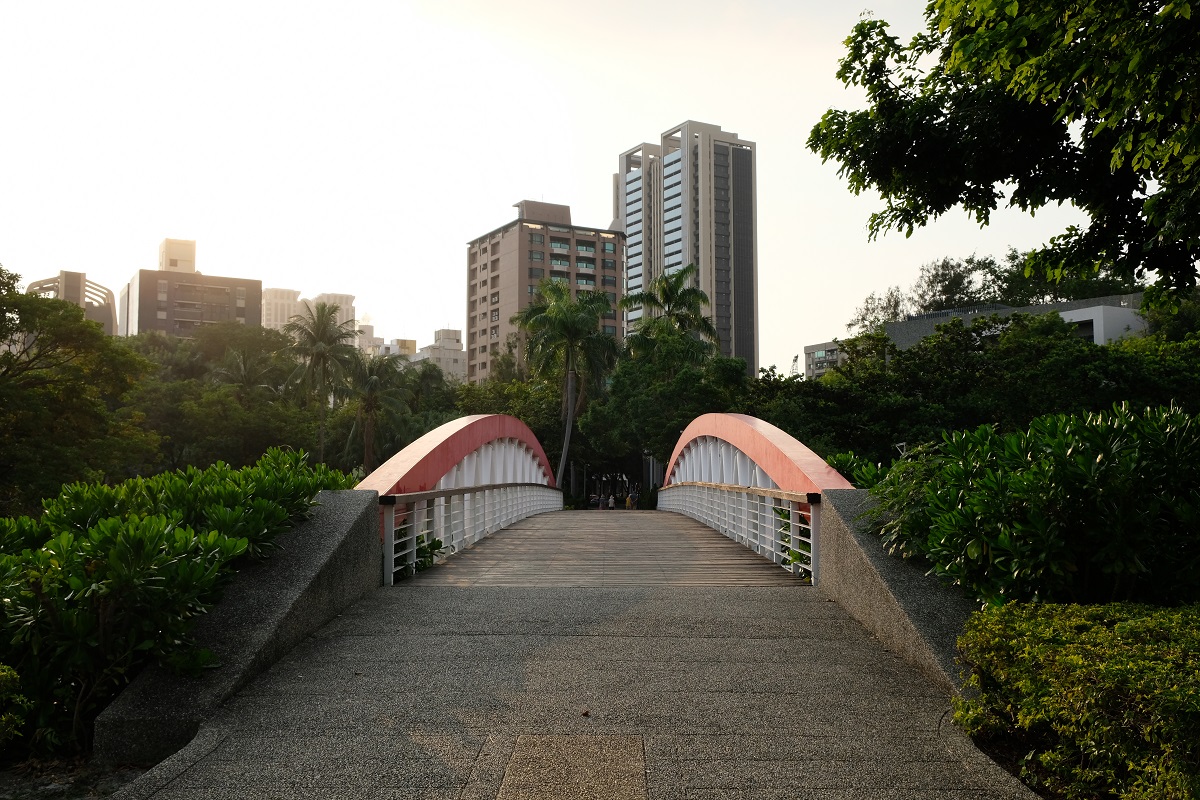
Afternoon light at Kaohsiung’s Central Park

A photo exhibition of our adorable feline friends (or masters?) at Yanchengpu MRT station
The people, indeed, seem to have become the focus for local leaders in Kaohsiung since the city began showing signs of decline. Urban revitalization plans were formulated, short- and long-term projects to rejuvenate the city were discussed. In 2008, the city’s first two mass rapid transit (MRT) lines opened, making Kaohsiung the second city in Taiwan after Taipei to have a metro system. A year later, Kaohsiung hosted the World Games. While many of you might not have heard of it before, this quadrennial multi-sport event is basically where non-Olympics sports are contested. The 2009 edition was in fact the first international sports event ever hosted by Taiwan, a gesture that signaled the country’s move to boost its soft power abroad. A brand-new, futuristic-looking stadium was built for the games, connected to the city center by the metro. Designed by Japanese architect Toyo Ito, the stadium – which has the biggest seating capacity in Taiwan – is equipped with solar panels covering its undulating roof, providing most of the power it needs.
In 2015, a third metro line – which is in fact a tram/light rail transit (LRT) line – opened, retracing a circular railway route once used when the city was still under Japanese rule. At the waterfront district, formerly dilapidated warehouses have now become interesting-looking shops, restaurants, and other businesses. Occasionally, pop-up markets with kiosks selling local handmade goods often fill the passageways in the area, giving this part of the city a warm and friendly atmosphere that is probably a world away from how it used to look like. To me, an outsider and a tourist who spent a relatively short amount of time in the city, the changes that have happened were clearly not only on the surface: painting old buildings with bright colors, or constructing flashy structures that would look good in photos – these things only serve tourists. Instead, Kaohsiung’s transformation appeared to really have worked in the favor of its residents. The stadium, for example, is now a preferred venue for international singers and music bands, like Coldplay and Blackpink, to perform in Taiwan during their Asia Tour, skipping Taipei altogether – fortunately, traveling between the two cities is not a big deal now thanks to the high-speed railway. Next year, Ed Sheeran is slated to perform at the stadium, only one of three stops in East Asia during his tour to this part of the world – the other two are in Japan – before going to Southeast Asia.
Not only in popular culture, Kaohsiung has also cemented its position in Taiwan as the most prominent city for all sorts of cultural performances. This was made possible following the completion of world-class venues like the National Kaohsiung Center for the Arts, also known as Weiwuying. Designed by Mecanoo, a Dutch architecture firm, the wave-like appearance of the cultural center embodies the current zeitgeist of the city as a dynamic place well-positioned to embrace the future. However, beyond the new and awe-inspiring physical additions to the city, for me Kaohsiung was an endearing place for more reasons than one.

World Games MRT station near the national stadium

A green sports arena tucked away in the greenery of the city’s north
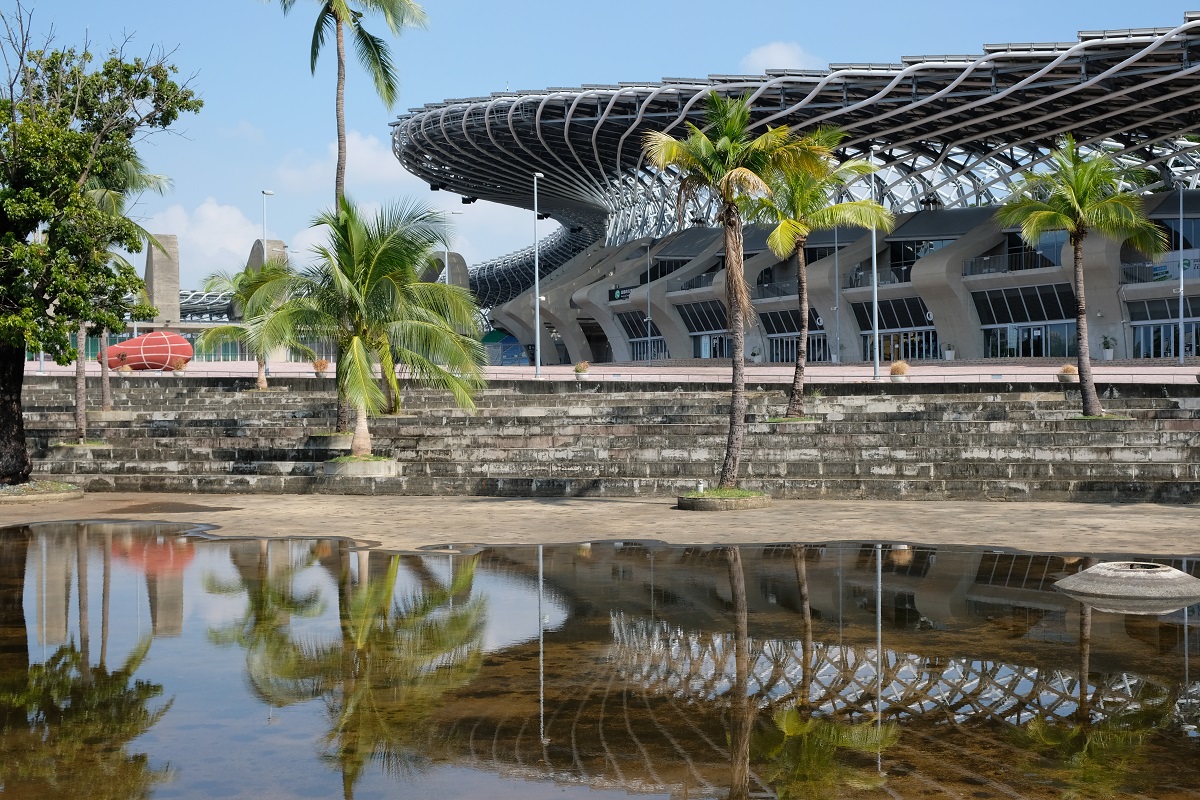
The stadium was mostly empty when we went…

…but these seats are filled during sports events and music concerts
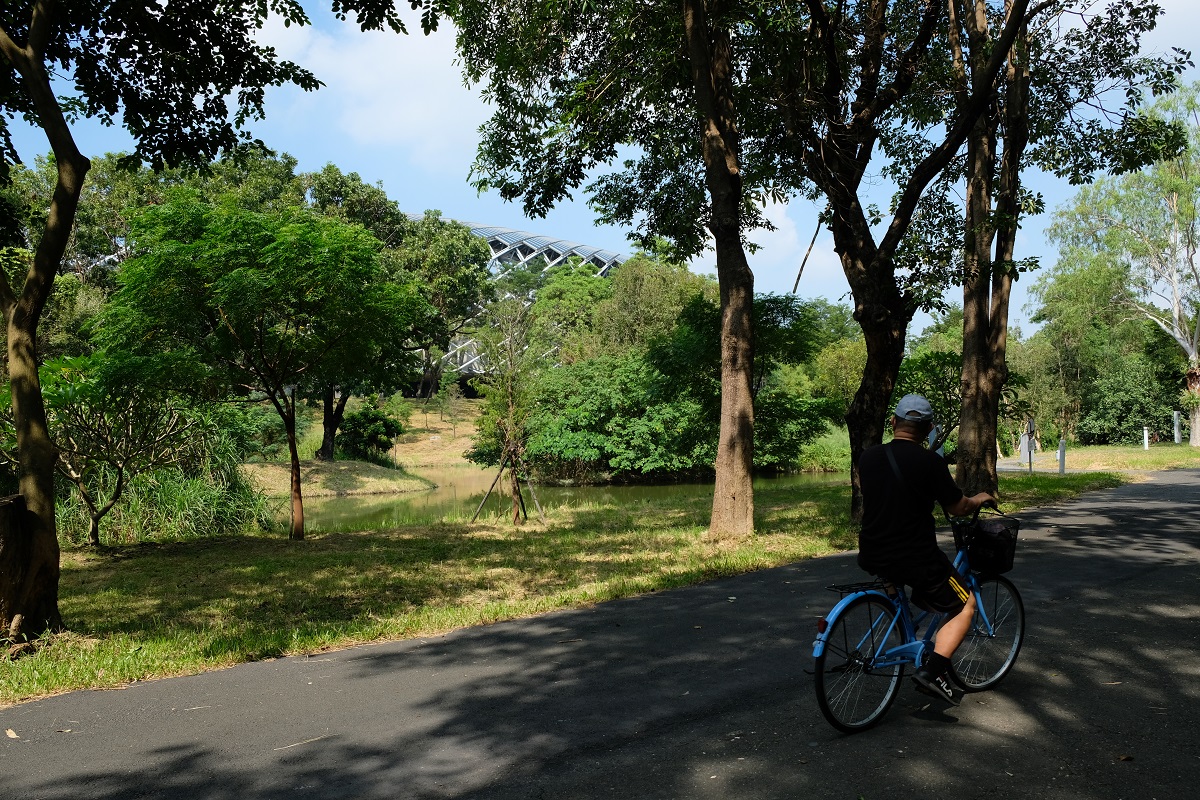
A quick look before going back to the downtown area

Even mundane signs can be entertaining in Kaohsiung
First, the personal safety. If you have been to Japan, you might have noticed how safe the country was. Kaohsiung felt exactly like that. It was not unusual to see people leaving their belongings unattended at restaurants when they went to the restroom. Also, walking down empty streets or in areas that are usually the least safe parts of any city in other countries never felt intimidating in Kaohsiung. But that’s not the only similarity between Taiwan and Japan. The proliferation of cute mascots and cartoon characters in this Taiwanese city is unlike anywhere I’ve been to outside Japan. Even the sticker in our hotel’s elevators about social distancing – a remnant of a pandemic that is still fresh in our memories – had cute-looking cats in the illustrations.
Then there was the food. Both James with his Cantonese upbringing and I who grew up in a Central Javanese household have a soft spot for dishes that are sweet. The food in Kaohsiung, as we discovered, was in fact sweeter than those we had tried in Taipei a decade ago. There is a book (and subsequently a Netflix series) called Salt Fat Acid Heat: Mastering the Elements of Good Cooking which argues that any good dish would always incorporate a combination of the four elements. However, when I watched it, I was thinking, but where is sweetness/sugar? I bet a lot of people in Hong Kong, Japan, Cambodia, and parts of Java would agree – and now I know the people in Kaohsiung would too.
Today, Kaohsiung is still the largest port in Taiwan, handling the majority of the country’s import-export activities. Some heavy industries still operate in and around the city. What’s different now is that the urban area is a lot more livable than how it was in the past when the air and the water in the city were severely polluted. Although it has made great strides to transform itself into a place that attracts not only tourists, but also new talent to come and settle in the city, Kaohsiung’s improvements are not showing any signs of slowing down.
Just a short walk from where we stayed was Kaohsiung Main Station where the red line of the metro and the commuter rail line meet. Initially built during the final years of the Japanese colonial period in Taiwan, the original station with its blend of Japanese and Western architectural styles had to be moved more than 80 meters from its original location to make way for the construction of a completely new underground station. When this was completed, the historic building was moved back to the central axis of the new Kaohsiung Station. The redeveloped area, which is slated for completion in the near future, will not only become an integrated transit hub, but also a public space draped in greenery and bike paths which is expected to make the city even more appealing. Here’s a link to a video that shows the incredible work of moving the old station as well as how the new station will look like. Currently, a new metro line is also under construction, which upon completion will undoubtedly make it easier for residents to travel within their own city without having to depend on cars. The future is definitely looking bright for Kaohsiung.

From the colors alone you might already guess that these dishes are both sweet and savory
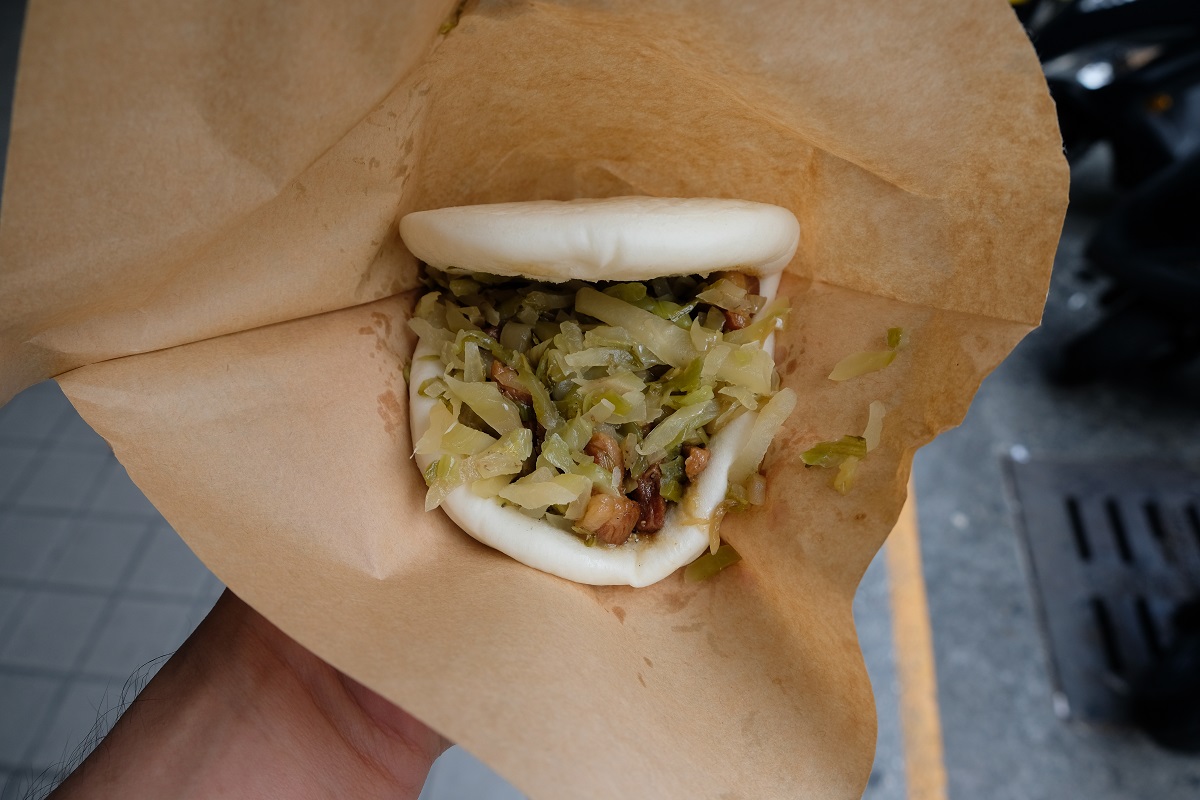
Even the gua bao was sweeter (and tastier) than what we had in Taipei
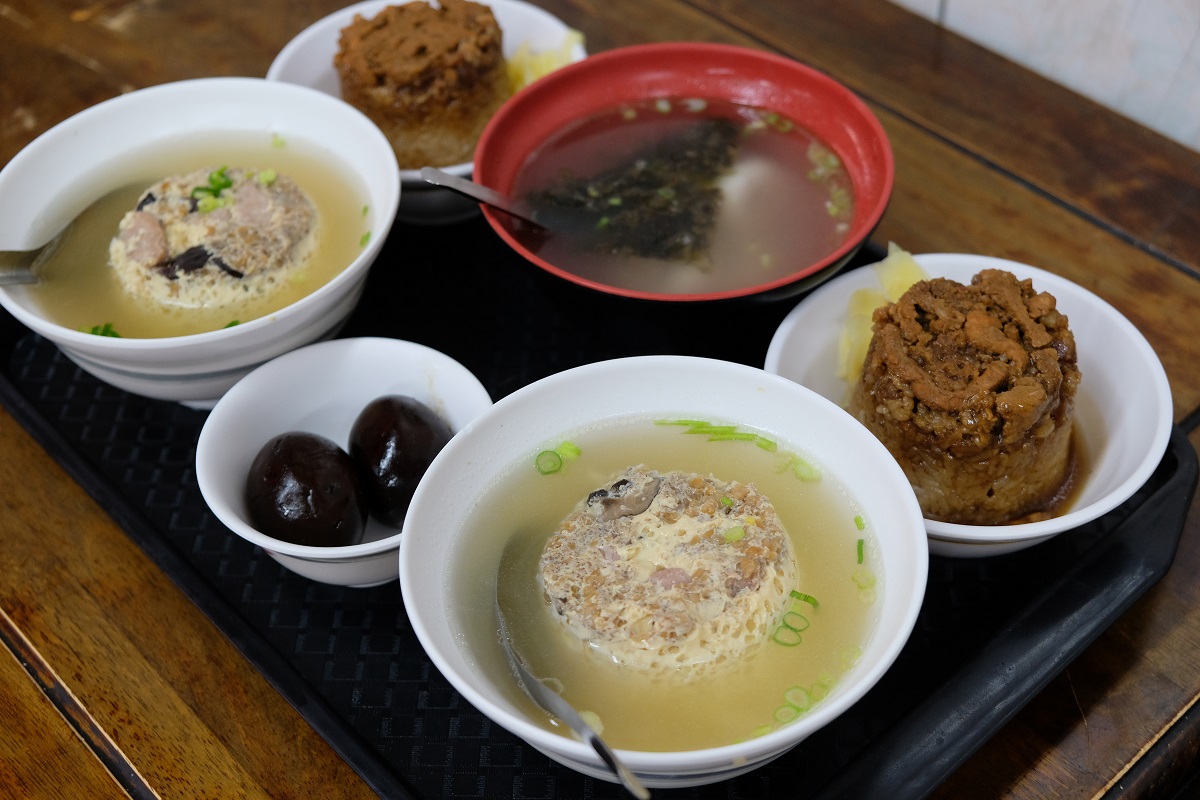
The dish on the right reminded me of steamed chicken rice, which is quite common in Indonesia

Youtiau (better known in Southeast Asia as cakwe/char kway) wrapped in thin omelette, then sandwiched within sesame seed-sprinkled flatbread, enjoyed with soy milk on the side
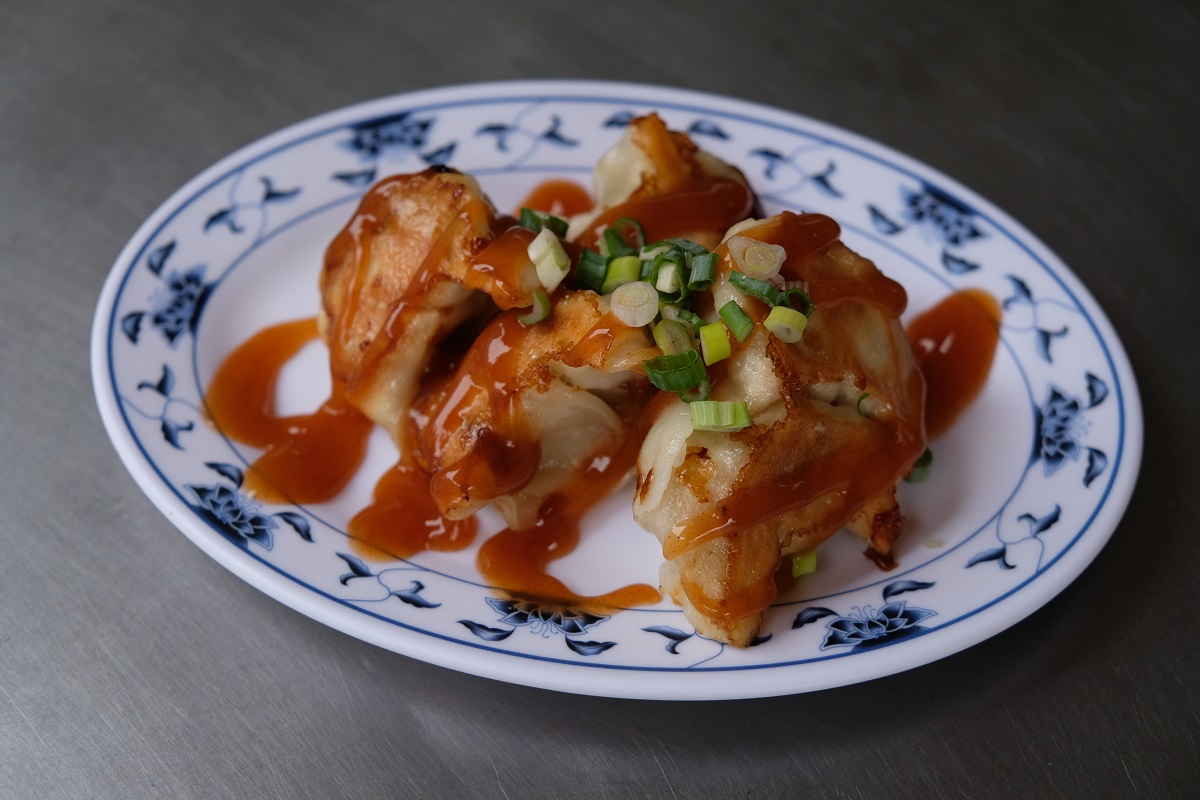
Pan-seared dumplings served with chopped scallion and a sweet and hot sauce
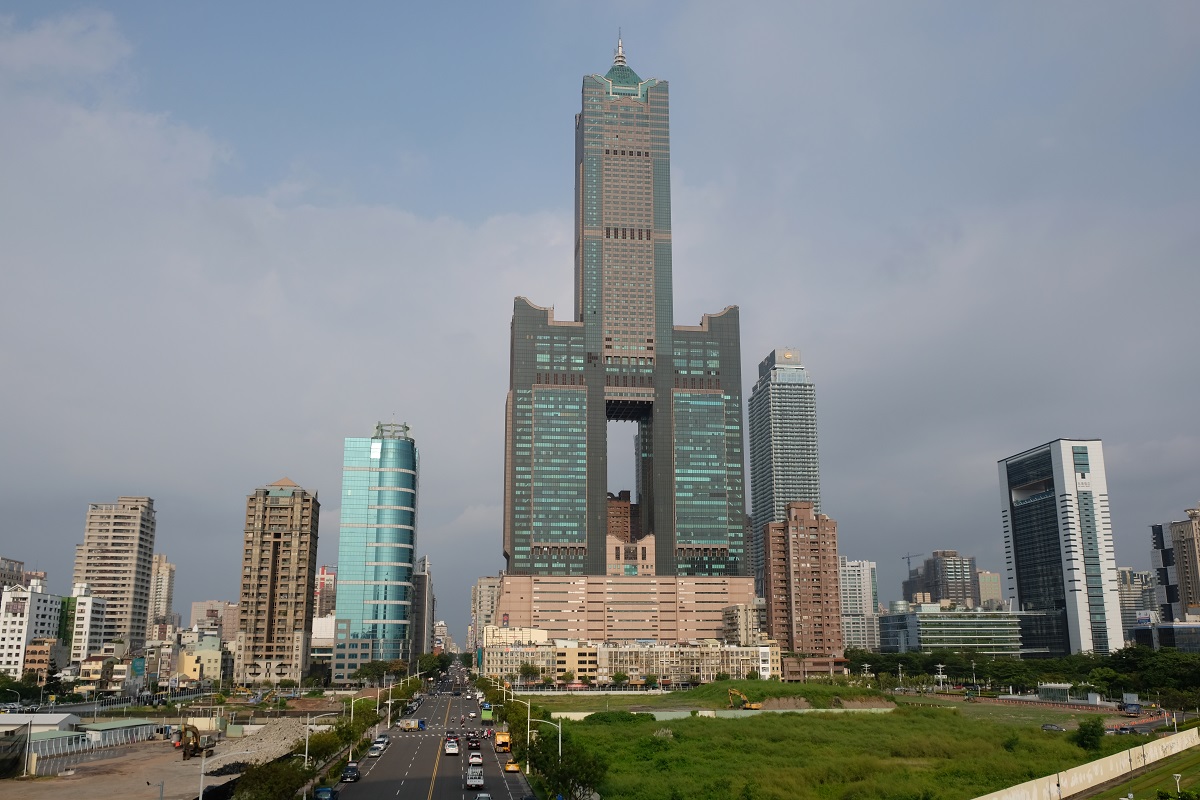
The iconic 85 Sky Tower

Walking near our hotel, across from Kaohsiung Main Station
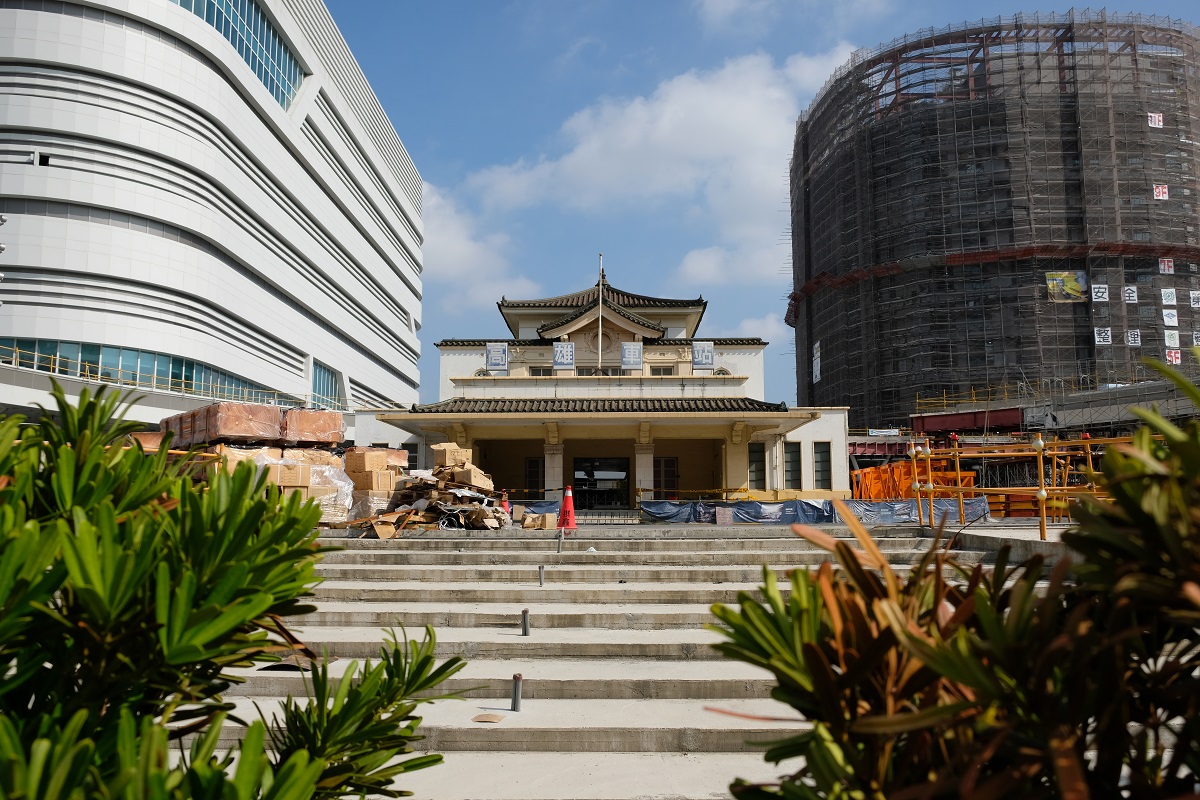
The original 1941 building of Kaohsiung Main Station with two modern structures on both sides

Inside the new Kaohsiung Main Station, slated for completion in the near future

Before sunset in Kaohsiung


My family’s from Taiwan, and I’m super impressed that you know more about Taiwan politics than me! I’ve visited the country multiple times but never made it around to Kaohsiung, though…looks like it’s the happening place to be! I also have watched the series Salt Fat Acid Heat and love the show; it brings out the inner foodie in me! That you tiao crêpe is one of my favorite dishes for its crispy AND crunchy texture, as well as playing between sweet and salty that makes it so tantalizing! Glad you enjoyed exploring another part of my family’s home country!
LikeLiked by 1 person
That’s because I have a soft spot for Taiwan. I don’t always follow politics, though, as it can get really messy. You might want to check out Kaohsiung and see all the interesting things that are happening there. Just be prepared for the intense heat and humidity! Unless you go there in winter. I loved Taiwan so much, and I don’t think I want to wait another ten years to go back.
LikeLiked by 1 person
I really enjoyed seeing this tour of Kaosiung, a city that I have not heard about until reading about it here.
The architecture is wonderful, and love that international architects are helping shape the city’s landscape. A truly international city is one that recognizes the important role that public transit, such as trains, play in the wellbeing of its citizens; as well as cultural venues in attracting international talent and tourists to the city, like Ed Sheeran.
Love the food pics as always. So mouthwatering!
I also smiled at your story of your childhood homework routine. This is why T will never be allowed to do his work in his room! He’ll always be supervised. 😆 You’ll have to share your childhood building drawings one day.
LikeLiked by 1 person
From what I saw as a tourist, Kaohsiung seems to be doing the right things to stay relevant today and in the future. I loved the city so much I would go back in a heartbeat.
If you like your food a little sweet, I think you would enjoy the local dishes in Kaohsiung, Ab.
Ha! I loved it when my father stopped supervising me, and that was when I started making those drawings, which I unfortunately lost a long time ago when my parents moved to another city.
LikeLiked by 1 person
I’m more of a savoury foodie than sweet, but always up for new food adventures!
Too bad about the drawings but it’s nice you still have those memories and feelings associated with them.
LikeLiked by 1 person
Don’t worry. Kaohsiung has a lot of great savory dishes and snacks too. I particularly loved the juicy fried chicken I had at one of the night markets in the city. But more on that on a separate post!
Memories are so priceless, and that’s why these days I take a lot more photos than I did a decade ago. A decade from now, I want to be able to look back at my past travels through the images I captured.
LikeLiked by 1 person
Oh juicy fried chicken sounds so good. Can’t wait for your post. 😊
Good idea on the photos too!
LikeLiked by 1 person
Fascinating and informative as always Bama! Love a good read from you! X
LikeLiked by 1 person
Much appreciated, Anna! If you ever go to Kaohsiung I wonder if you’d also think of the similarities with Japan.
LikeLiked by 1 person
If I ever get there remind me not to take my daughter… if it’s anything like japan she will spend all of my money in the kawaii shops!!!
LikeLiked by 1 person
Lol! That is true. Even for me, someone who rarely goes shopping, the things I saw in Kaohsiung really tempted me to buy a lot. Luckily I still managed to control myself. 😄
LikeLiked by 1 person
It’s neat to hear how Kaohsiung was able to reinvent itself and focus more on rejuvenating the city and giving more control back to the people. That’s exactly how it should be. The architecture looks very modern and futuristic.
LikeLiked by 1 person
City leaders can definitely learn a thing or two from Kaohsiung. It was not designed with the well-being of its residents in mind at first. But it shows that improvements are possible if there is political will.
LikeLiked by 1 person
You must have been thrilled to finally see the 85 Sky Tower that you’d read about years earlier. Regarding feeling safe in Kaohsiung, I felt safe everywhere I went in Taiwan. Usually, I don’t go out at night when travelling alone, but in Taiwan I often did (as in Japan, Singapore and South Korea).
LikeLiked by 1 person
I was! Unfortunately, unlike Taipei 101, 85 Sky Tower is mostly empty now. Only a few floors in the lower part of the building are still occupied by tenants. I hope in the future they’ll manage to revive its energy so that it will once again become a true icon of Kaohsiung. I was really impressed with how safe Taiwan was, and it surely felt nice to be able to walk around without having to worry about our personal belongings.
LikeLiked by 1 person
Bama, I have been reading your blog for several years, and I wanted to let you know how much I enjoy your posts! They are so informative; I am impressed with the amount of research you do! Your photos are great too. Oh, that Taiwanese food looks and sounds delicious! I especially enjoy learning about your homeland. My in-laws lived in Jakarta from about 1975-1987 as my father-in-law worked for Atlantic-Richfield. I never got to travel there, but I enjoyed their stories and photos. It’s fascinating to learn how much Indonesia has changed! Keep on blogging! Debbie Powell
LikeLiked by 1 person
Much appreciated, Debbie! You’re too kind. I do tend to take more time in writing a post because I want to get my facts right before hitting the Publish button. But there were times when incorrect details found their ways into my posts due to oversight on my part.
Wow, Jakarta in the 1970s and 1980s must have been a very different place than how it is now! If I was shown some of the photos your in-laws took during their stint in Indonesia, I wonder if I could still recognize some of the places.
LikeLike
I’ll be at their home this week and through all of November. I’ll see if I can find any of their photos to share with you. Yes, based on their stories and your recent blog posts, Jakarta has changed tremendously!
LikeLiked by 1 person
It would be great if you could!
LikeLike
Glad you got to finally see the 85 Sky Tower, what a fabulous building. But sad to read in other comments that it is now mostly empty, what a waste. The city’s development seems to be a real good news story for the people of Kaohsiung. Do you follow Jeff Bell? He is an expat living in Taiwan and recently wrote a great piece about his love for the country. I think his blog is called Planet Bell. I think you’d enjoy it. Maggie
LikeLiked by 1 person
We actually met Jeff and Kristi in Kaohsiung. I’ve been following his blog for a long time, and it was really fun to finally meet him in person. They took us to some interesting neighborhoods and we got to try the local version of scallion pancake which in my opinion tasted better than what we had in Taipei 10 years ago.
LikeLiked by 1 person
Oh that’s awesome!
LikeLiked by 1 person
This is a great article, Bama. This is better researched and written than 99% of the articles you’d read in a major newspaper. I’m glad you and James had a good visit and got good weather other than the typhoon. It has been much cooler since you left – I think you brought the heat with you.
LikeLiked by 1 person
Well, Jeff, you’re too kind. But thank you! I was really happy with how the weather turned out during our stay. Although when James told me a typhoon was approaching, I actually expected something like what you would see on the news, which of course happened further away from Kaohsiung. We left the day after the airport in Kaohsiung was reopened, and we departed Hong Kong one day before the city’s airport experienced major disruptions. That “little dog” was quite nerve-wracking!
LikeLike
I didn’t know that bugcat capoo is Taiwan-made. Use them a lot recently. The Taiwanese have a fine taste when it comes to cute things. I got a coin purse depicting an “emperor cat” from Houtong. One-of-a-kind haha. I can figure out the meaning of the first sign with the elephant. For the second one, is it “No feeding”? I guess they got the idea from Doraemon 😛
Love the refreshing design of the National Kaohsiung Center for the Arts!
LikeLiked by 1 person
I actually didn’t know about Bugcat Capoo until I came to Kaohsiung. One of the most popular characters people use here in Indonesia is called Quby, and I just found out that it was actually created in China.
I totally agree with you about all those cute things from Taiwan. I rarely do shopping when I travel. But in Kaohsiung, I couldn’t hold myself from buying a few cute stuff. The temptation was just too strong to resist!
That second sign actually reminded me of the Loch Ness Monster, which made it even more confusing.
You should go back to Kaohsiung! I can imagine you taking some really cool architectural photos there.
LikeLike
All the posts about Kaohsiung from Jeff, you, and James present a really interesting and attractive city. I really hope to get to Taiwan one day, and of course will have Kaohsiung on the itinerary!
Alison
LikeLiked by 1 person
And when you do, you should meet up with Jeff and Kristi. Kaohsiung really was a very pleasant and interesting city to explore. But maybe you should go in the winter to avoid the oppressive heat and humidity.
LikeLiked by 1 person
I appreciate the history and insights on politics (plus the tidbit about yourself as a child). It’s close to freezing here now but seeing all your pictures remind me of the heat and humidity so now I feel warm. I have seen the old main station but it was behind some fencing and those two structures weren’t built yet. I need to go back and see more of this city.
LikeLiked by 1 person
If there’s something I like about high humidity is it’s actually good for the skin — I spend too much time working at an air-conditioned office! I’m planning to revisit the city once the redevelopment of the main train station is finished, and the entire circular line of the LRT has been completed. You should definitely go back, Matt. I highly recommend Pier-2 and Hamasen, for they are home to so many interesting shops and establishments. I’ll eventually write separate posts on them.
LikeLiked by 1 person
You have written a most interesting article about this lovely city that is definitely moving forward and making changes that are for the benefit of everyone living there – not just visitors. Your great photos illustrate everything you have written, right down to the sweet bites! I have never been to this part of the world, and continue to learn so much from reading your posts. Thanks for them all.
LikeLiked by 1 person
Thank you, Marilyn. It’s quite remarkable how Kaohsiung managed to transform itself from a heavily-polluted city into not only a much more livable place, but also one that is very exciting. I definitely can’t wait to see how the city will become five years from now.
LikeLike
I really enjoyed learning more about this city that I had never heard of. Its history is also very interesting and it nowadays seems like a very livable, modern and clean city! Thank you for taking us on this tour!
LikeLiked by 1 person
The pleasure is mine. Kaohsiung really deserves more attention since it can teach many other industrial cities a thing or two about urban revitalization. After all, happy residents will bring a lot more benefits to a city.
LikeLiked by 1 person
Your amazingly detailed account of Kaohsiung’s history and urban renewal made for a most absorbing read Bama. Thanks for the link to the video on the moving of the old station…super impressive! And the sweet(ish) food sounds right up my alley. I shared James’ and your posts with Ravi and his reaction was, “We have to go.” 🙂
LikeLiked by 1 person
Thank you, Madhu. Kaohsiung is one of those places many people know very little about despite the fact that there have been a lot of great things happening there in recent years. You and Ravi definitely have to go! I think you have to fly via Hong Kong or Bangkok.
LikeLike
Tall Bear looks like cousins with Kumamon, haha! They would look cute side by side. Interesting to know that they, too, uses so many mascots for a lot of things. The urge to buy cute accessories would be so overwhelming, I imagine (I’m taking notes for future reference). The architecture, the food! Indeed that one dish looked a lot like nasi tim~
Wondering about the outdoor public areas there, were they many? like free parks and such…
thank you for sharing, Bama, definitely adding to my excitement of future (albeit rather far future) planning a trip to this city!
LikeLiked by 1 person
That was exactly what I thought when I saw Tall Bear! It would be very convincing if someone makes a story about them where they are cousins. Those mascots are just too adorable, aren’t they? Apparently some cities in Indonesia have cartoon characters as their mascots too, but it looks like Indonesians haven’t really caught up with this trend, which as you can see is the norm in Japan and Taiwan.
There are quite a lot of public parks in Kaohsiung. Some looked really nice and well-kept, while others were just okay. But they were all clean.
You’re welcome, Yanti. When you do go to Kaohsiung, I believe the city will look even better than how it was during my visit.
LikeLike
I like the insight you give us with this post, Bama. Especially admitting to daydreaming and creating when you should be doing homework (this I can relate to very well…). It is fascinating how thoughts we had when we were young manifest themselves within us, and then, at some point, we think about a place and wonder – it makes this post on Kaohsiung even more enjoyable. Great views and introduction to the city with your photos and research (I am always astounded by the reach of the East India Company). Then, one part of your introductions to the places you visit is the local cuisine, which is always fascinating (and delicious looking). We do business with a company in Taiwan, and all our goods are exported through the port of this city, so knowing a bit more about it is wonderful. Thank you!
LikeLiked by 1 person
I probably spent too much time daydreaming instead of focusing on what I had to study. But I guess it was my mind’s way to get out of the confinement of school textbooks, which one way or another brought me to a lot more information about the world, including about Kaohsiung. The Dutch East India Company was so powerful and profitable it essentially became a quasi-state with its own military. But more on that in my future post on Tainan, a Taiwanese city steeped in history that is not too far from Kaohsiung. Wouldn’t it be nice if you go to the city from where all your goods are exported to the rest of the world? You would probably enjoy Kaohsiung as much as I did, Randall.
LikeLike
I hear you – I think the best and most educational part of homework and sitting in class was the daydreams I would have 🙂 The Dutch and British East India Companies were something else… I look forward to reading your future post on Tainan! Enjoy the week ahead, Bama.
LikeLiked by 1 person
I particularly enjoyed the link you posted to the video of moving the old station. No wonder the city has been transformed into an incredibly beautiful and livable space. I always marvel at what human beings can achieve when they set their minds to it. Your post, as always, make me feel as if I’ve travelled with you, and it is always a delight to enjoy the specific cuisine of a place through your palate, Bama.
LikeLiked by 1 person
The moving of the old station is really cool, isn’t it? That makes me think of the many invaluable heritage buildings that could have been saved from the wrecking ball using this technique. I really loved most of the dishes I had in Kaohsiung. Thinking of some of them even makes my mouth water right now!
LikeLike
Yet again, Bama, you’re telling I HAVE to visit Taiwan. Soon, I’ll get there soon. I don’t have a sweet tooth but oh, those pics of food…you have my mouth watering.
LikeLiked by 1 person
Not all of the dishes I had in Kaohsiung were sweet. Some had a flavor profile that was more umami-forward. I hope you didn’t read this on an empty stomach, Ani.
LikeLike
Very informative post on a city I knew nothing about. Definitely worth a visit. Well done post!
LikeLiked by 1 person
Thank you, John and Susan! Not only Kaohsiung, but Taiwan itself is worth a visit.
LikeLike
Such a good read. As usual, from you. I wonder what’s with Kaohsiung and cartoons?
LikeLiked by 1 person
Much appreciated, Param. I guess the Taiwanese get their penchant for cartoon characters from the Japanese. There is a mascot for almost everything!
LikeLike
I really think Indonesia’s mayors and governors should go on a field trip to learn from what has been achieved in Kaohsiung over the past 10–15 years. Perhaps it will inspire them to have a long-term vision for their cities and prioritize good-quality design. The mediocrity of some of the new transportation infrastructure and urban spaces that have been built recently (both in Jakarta and other places) is frankly embarrassing.
I was hoping we’d get the chance to meet the two architects who so kindly showed me around in March, but I guess they were just too busy. Then again, the typhoon would probably have scuppered those plans anyway!
LikeLiked by 1 person
That’s exactly why our trip to Kaohsiung was a particularly memorable one for me, because in the past this Taiwanese city was just like how a lot of Indonesian cities are. If city leaders want to make real changes that truly benefit the people, they can definitely learn so much from Kaohsiung.
It would have been really nice if we could meet the architects. But we can always go back.
LikeLiked by 1 person