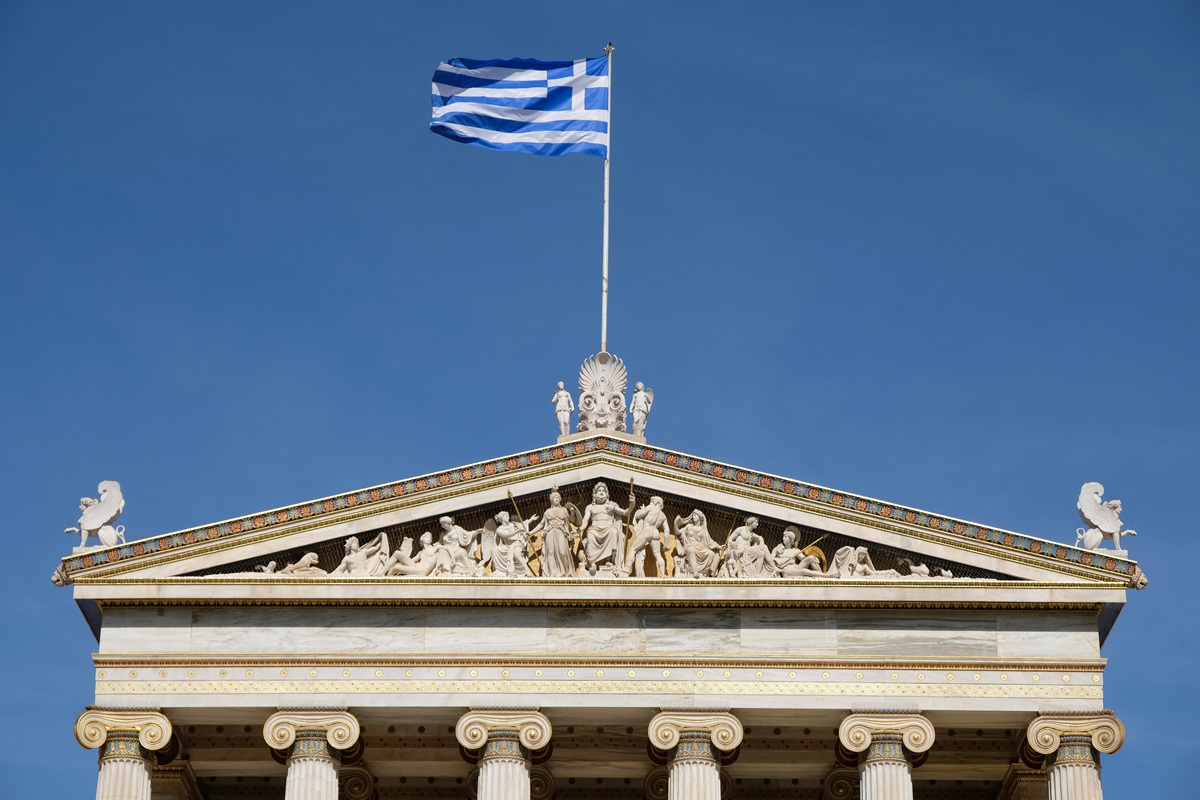
The Greek flag flying proudly above the Academy of Athens
On the evening of August 13, 2004, the world witnessed a grand spectacle that was put up in the most elegant and visually stunning way by the Greek capital. As the countdown began, the water that flooded the stadium’s center stage reflected the lights that flashed rhythmically, paced with the sounds of an amplified heartbeat. At the end of the countdown, after fireworks were briefly set off, a group of performers – 50 people playing the bouzouki (a Greek traditional plucked string instrument) and hundreds of drummers – brought Greek melodies to the global audience. The announcers in three languages then set the tone for the night.
Πολίτες του κόςμου καλώς ήρθατε στη γιορτή της Αθήνας.
Citoyens du monde bienvenue à la grande fête d’Athènes.
Citizens of the world welcome to Athens.
Jeux olympiques bienvenue de nouveau en Grèce!
Olympic Games welcome back to Greece!
Ολυμπιακοί Αγώνες καλώς ήρθατε σπίτι σας. καλώς ήρθατε στην Ελλάδα!
These were immediately followed by a roaring response from the spectators at the stadium as this was the first time the Greek capital hosted the modern Olympic Games since its inaugural edition in the city in 1896. After waiting for more than a century, understandably the Greeks were very proud as their long and fascinating culture took center stage in the world’s biggest show. During the parade of nations, the order of the athletes entering the stadium was based on the Greek letters, and the global audience would learn country names in Greek. From Αγία Λουκία (Agía Loukía – Saint Lucia), Πράσινο Ακρωτήριο (Prásino Akrotírio – Cape Verde), Ακτή Ελεφαντοστού (Aktí Elefandostoú – Ivory Coast/Côte d’Ivoire), Ισημερινός (Isimerinós – Ecuador), Παρθένοι Νήσοι (Parthénoi Nísoi – (U.S.) Virgin Islands), and at last Ελλάς (Ellás – often anglicized as Hellas, which is, of course, the host nation of Greece).
* * *
Like many other people, I first learned about Greek mythology and history at school. But apart from the names of Greek gods and goddesses and their unique powers and characters, which were portrayed in numerous movies and TV series that I watched as a kid, not much stayed in my memory. However, when the 2004 Olympic Games in Athens opened with a ceremony that was not only beautiful, but also filled with profound meaning drawn from the most iconic aspects of Greek history, my interest in the country began to blossom.
In a chapter called Clepsydra, named after the water clock the Ancient Greeks used, a series of floats entered the stadium in chronological order based on the history of Greece, each with performers on it bringing characters depicted in murals and statues from historical sites all over the country to life. From the Minoan civilization – often dubbed as the oldest civilization in Europe – to the Myceneans, then followed by visual representations of the Geometric period, Archaic Greece, Classical Greece, the Roman period, the Byzantine period, all the way to the independent Greek state, every moving image and statue (brilliantly brought to life by Greek avant-garde director Dimitris Papaioannou) really captured my imagination. Since then, my desire to visit this country to see its fascinating ancient monuments and cultural heritage only grew even bigger every time I read articles or watched documentaries about it.
But why did I wait for so long to go there? Some of you may ask. On my first trip to Europe back in 2007, I experienced firsthand how complicated it was as an Indonesian to apply for a Schengen visa. There were so many forms to fill in and documents to submit to convince European Union authorities that my intention to visit the continent was genuinely for attending a cousin’s wedding and go sightseeing. Even after I started traveling abroad more regularly, I always put Europe on the back burner because of how tedious the paperwork was to get a visa. However, despite this Greece was always on my mind, and I knew that eventually I just had to brace myself for the complexity of applying for a Schengen visa to visit this country. Toward the end of 2025, after much consideration, I convinced myself that it was time to plan a trip to Greece, with James tagging along as usual.
As expected, there were a lot of documents that I had to prepare, although I did feel that this time things were slightly more straightforward than how it was in 2007. What proved to be quite a challenge turned out to be booking an appointment with the Greek embassy in Jakarta. But I persevered, and when I finally got the visa, it really felt as if I’ve achieved something great. On the contrary, as James travels on a Canadian passport, he didn’t have to go through the same hassle, although for him this trip was long overdue since he was supposed to go to Greece back in 2001 on a school trip. Unfortunately, it had to be cancelled in the aftermath of 9/11.
As everything was set, plane tickets were booked, hotels were reserved, and we were eagerly waiting for the trip. We were supposed to fly via Doha. However, less than two weeks before our departure, the war in Iran broke out. After realizing that there was no way that this conflict would end soon, we took the decision to book new flights with another airline that is not based in the Persian Gulf. In this case we would have to go via Amsterdam. It did add a considerable amount of time on our journey, but it was more reasonable than having to pay more than double the price if we had to fly through Istanbul. (I have to give credit to Qatar Airways though for their quick response to my refund request, which I received only a few days later.)
You might have noticed my absence in the blogosphere recently, and that’s because we just came back from a two-week trip to Greece. I can now tell you that it is one of my favorite countries that I’ve ever been to. We started in historic, energetic, chaotic, yet beautiful Athens before moving on to the Peloponnese: first Nafplio with its pretty old town, then Kalamata where we had probably among the most delicious souvlaki one can get in the country. We then flew to Crete and stayed in the old city of Heraklion where the ruins of the Minoan palace at Knossos is just a short bus ride away. The famous Greek sun was unfortunately playing hide and seek throughout the journey, and we should’ve brought warmer jackets as it was colder than what we had anticipated. However, in the end this was truly a trip to remember: one that was filled with so much good food, impressive ancient sites that we had dreamed of visiting for so long, and fun city explorations. The stories from Greece will have to wait though as I’m aiming to publish more posts from Uzbekistan, Mexico, and other places I’ve traveled to in the past two years. Watch this space!
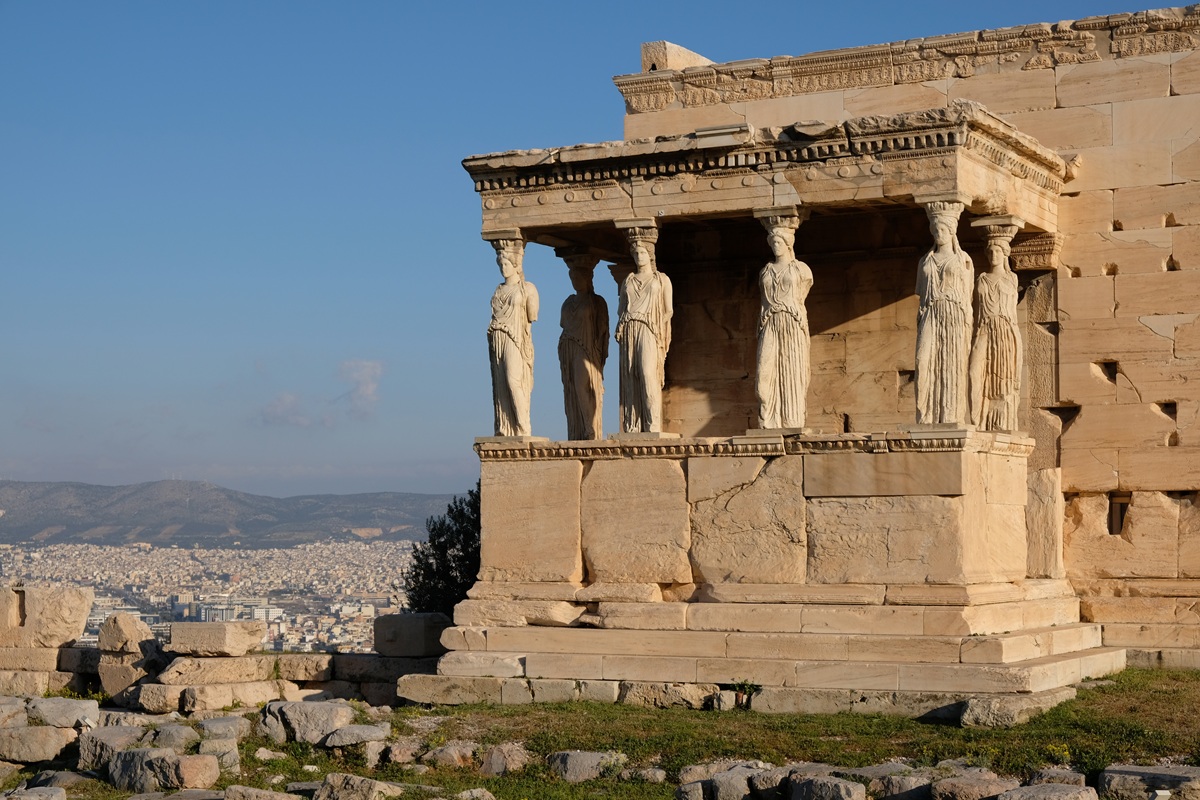
The iconic caryatids of the Erechtheion at the Acropolis in Athens
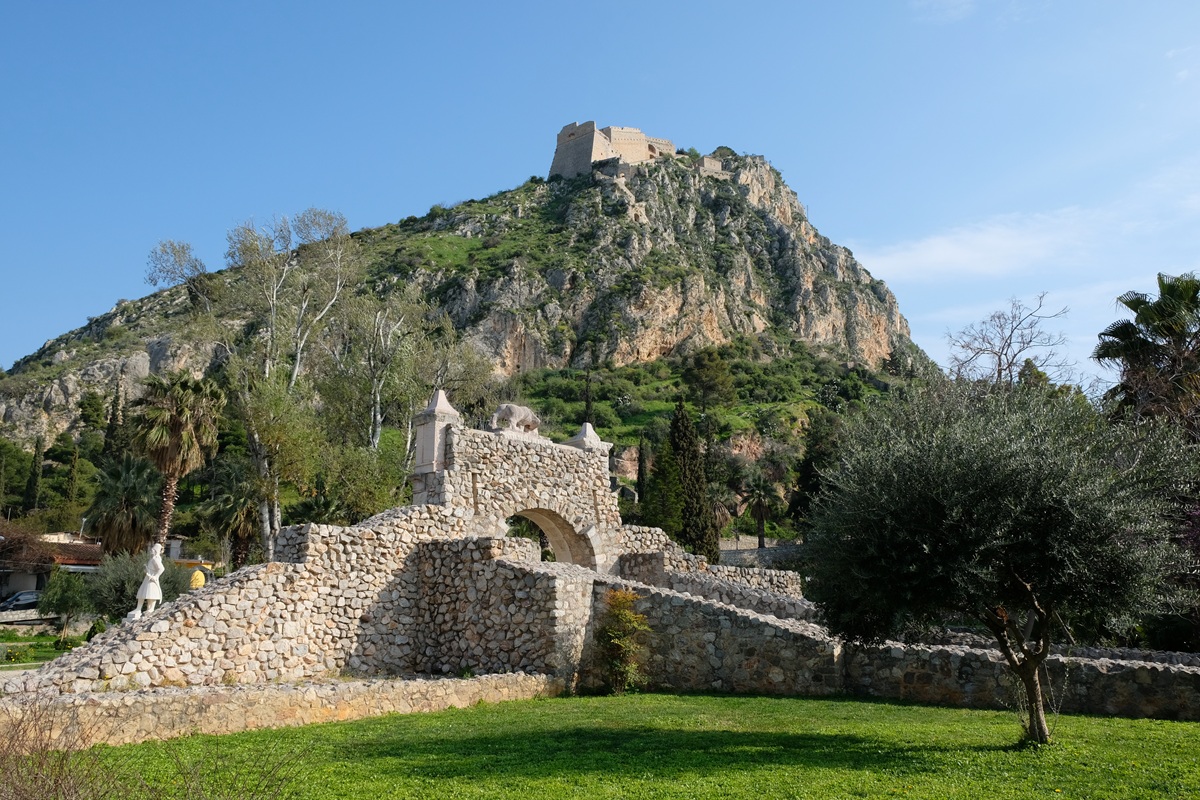
The view of the Venetian fortress of Palamidi in Nafplio
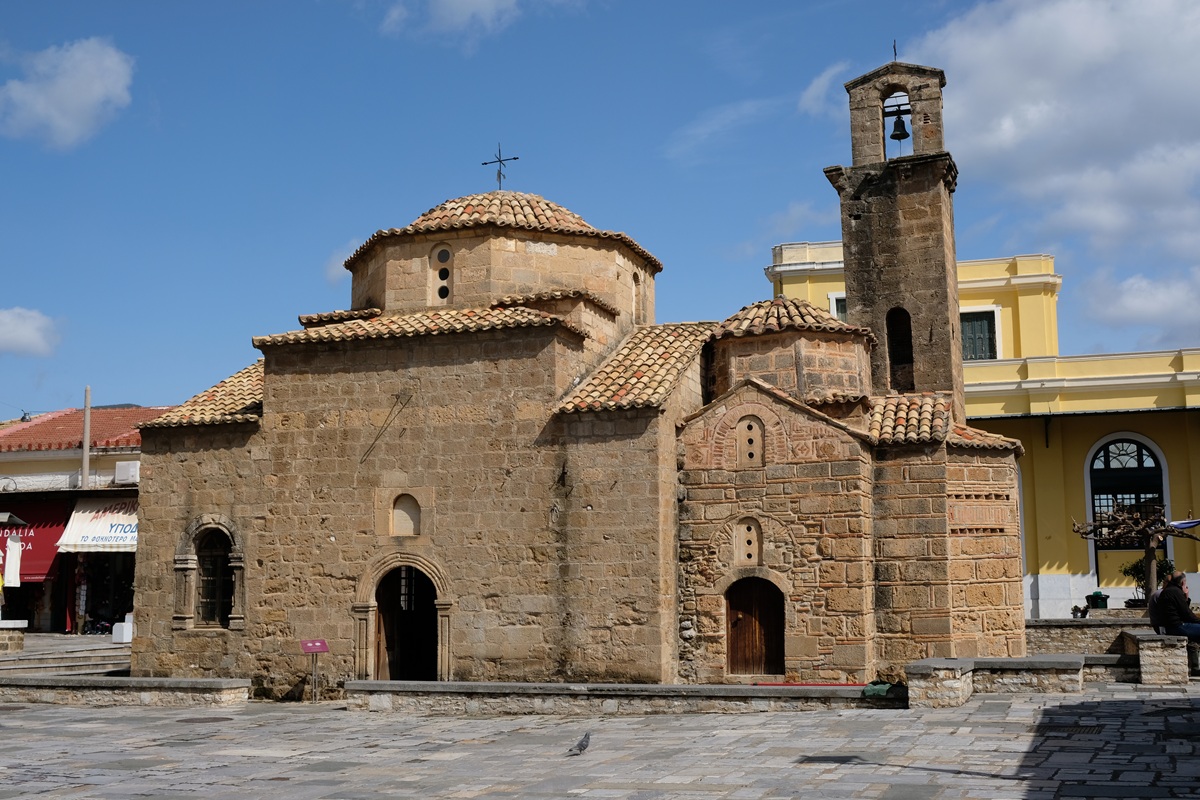
Kalamata’s Byzantine-era Church of the Holy Apostles where the Greek War of Independence against the Ottomans was declared in 1821
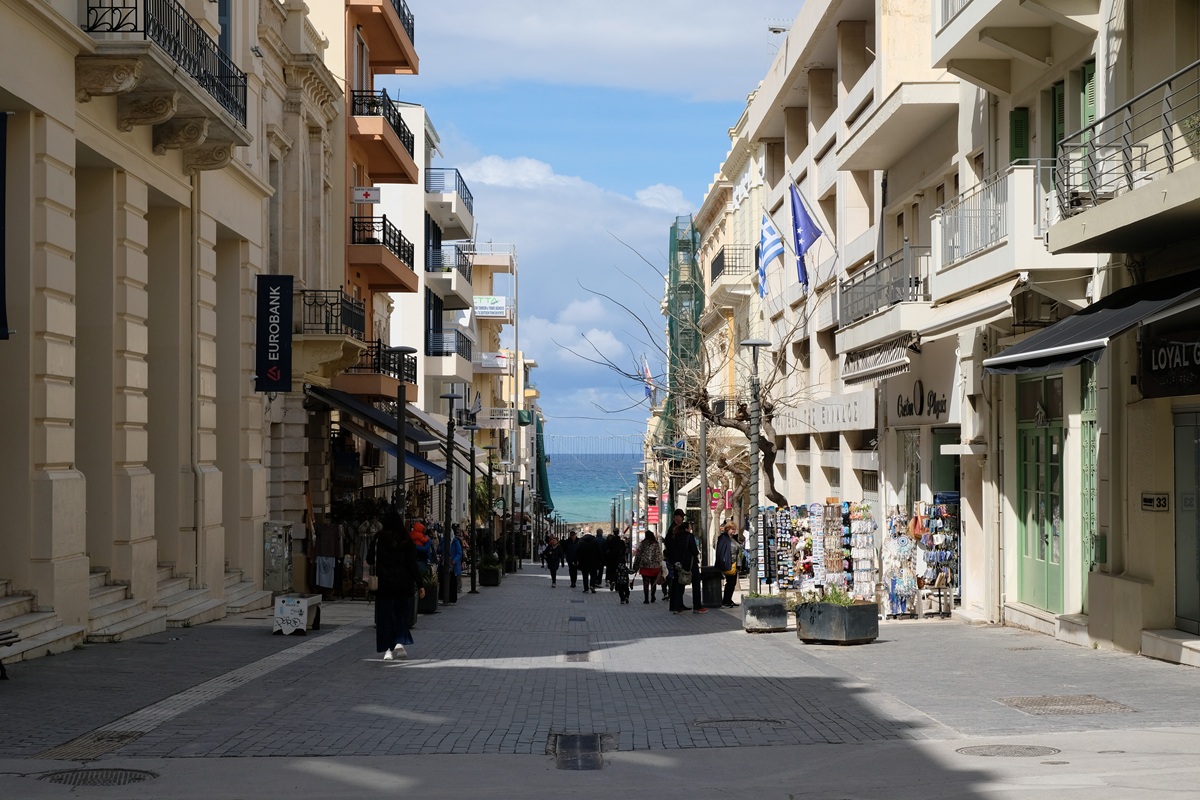
Walking in downtown Heraklion toward the blue Aegean Sea
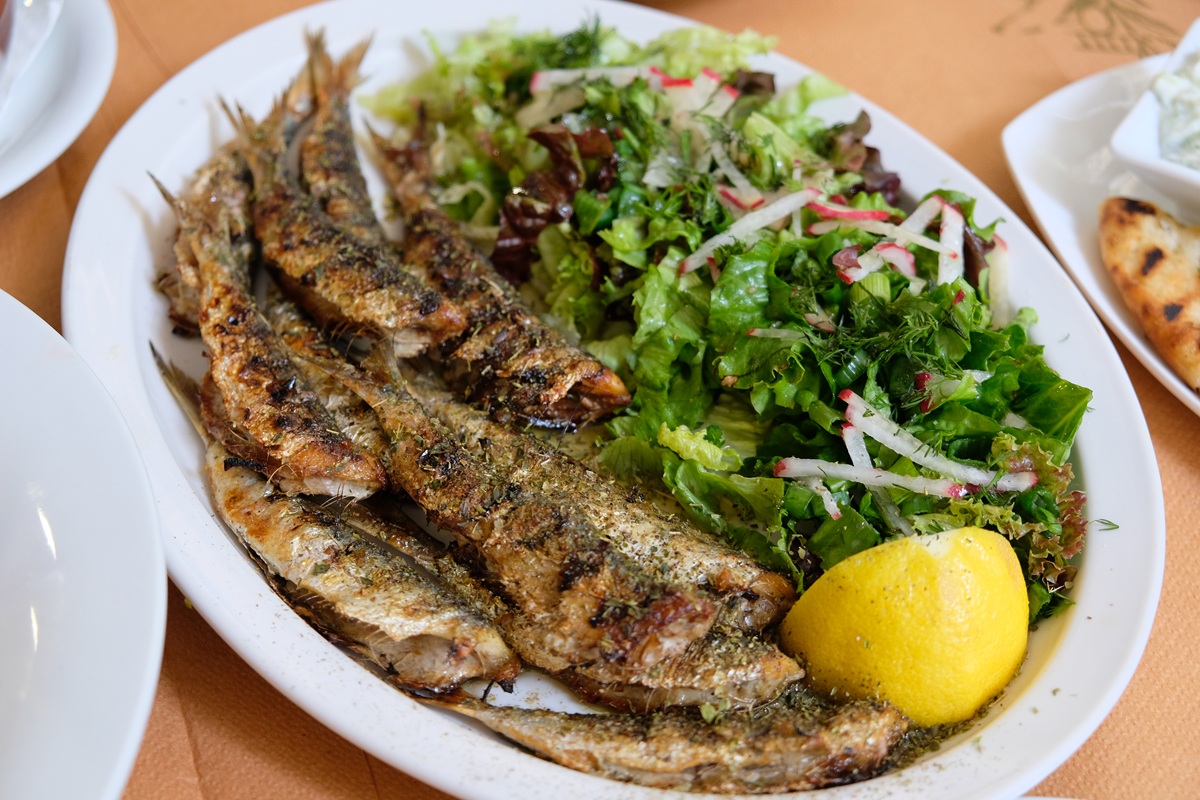
We had lot of great seafood dishes in Greece

The souvlaki you need to have when you are in Kalamata
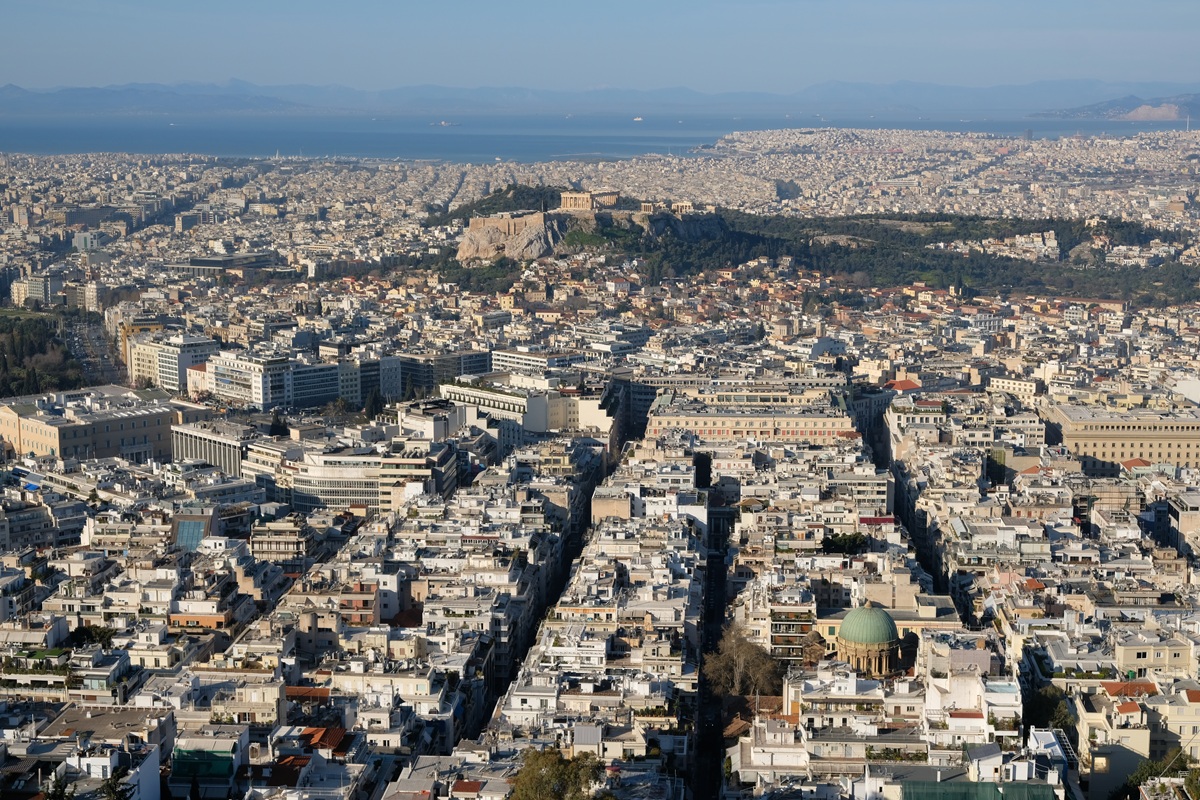
Overlooking the Acropolis and the sprawl of Athens from Lycabettus Hill

 What an Amazing World!
They are lovely images.
LikeLike