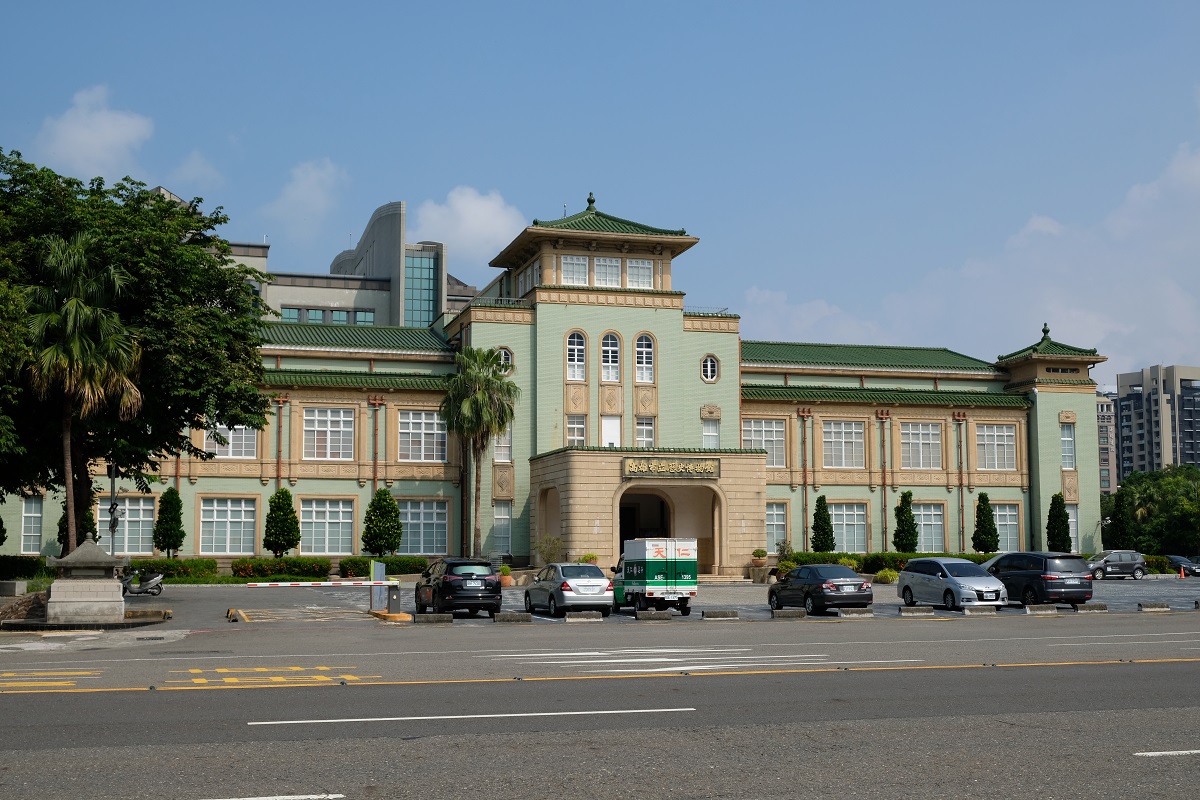
The Kaohsiung Museum of History, built in 1939 as the city hall
Toward the end of the 19th century, East Asia was a very turbulent place with two main powers – the Empire of Japan and the Qing dynasty of Imperial China – scrambling for influence and control over the lands between them. The Korean Peninsula, in particular, was a focal point of clashes. Following the successful Meiji Restoration that transformed Japan from a feudal country to one that embraced new ideas and technologies from the West, in 1895 the Japanese concluded the First Sino-Japanese War with victory on their side. Consequently, the Treaty of Shimonoseki was signed, effectively ending Korea’s status as a tributary state of China. In addition to that, the Qing dynasty were forced to cede Taiwan, an island previously inhabited by indigenous Austronesian peoples who were then outnumbered by Han Chinese settlers from across the strait. Subsequently, Taiwan became Japan’s first ever colony, spearheading the empire’s greater ambition to project its power over large parts of Asia and beyond. Under the new colonial administration, not only were Japanese-style buildings constructed all over the island, but its culture and system of governance were also introduced to its new subjects.
In Kaohsiung, what is now the Museum of History – occupying a grand structure which was once used as the city hall upon its completion in 1939 – is a good place to start retracing the 50-year period of Japanese colonial rule. Built in the so-called Imperial Crown style, the edifice surprised me with the rather modern-looking information displays and interactive features across its ground floor. Through different sections – each with its own theme – we learned about the development of Kaohsiung port as well as its railway network under the Japanese administration. When we went upstairs, however, the mood turned somber as this part of the museum was dedicated to a dark chapter in the city’s history when the KMT massacred civilians after taking over the island following World War II.
For an even more unmistakably Japanese ambiance, you just need to take a short MRT ride to the western end of the orange line in Sizihwan. From there, a few minutes’ walk to the northwest will bring you to the city’s Wude Hall. Completed in 1924, the building will immediately strike you as very Japanese, largely thanks to the design of the porch – which reminded me of the shrines I saw in Kyoto. Commissioned for the local chapter of the Dai Nippon Butoku Kai, a Japanese martial arts organization, the institution promoted kendo and judo to police officers in Taiwan, copying a practice that was common back in Japan. This is an example of how the colonial power introduced its customs to the lands it conquered, as also witnessed in large swaths of Asia during the war.
However, to truly understand the impact of Japanese colonial rule in Taiwan on the city of Kaohsiung, Hamasen is the place to go. Tucked between Shoushan hill and the downtown area, this part of the city sits right next to the narrow entrance to Kaohsiung harbor, which for a long time was the only way for ocean-going ships to access the city’s port. Hamasen itself was the first ever city expansion project on reclaimed land in Taiwan. The Japanese name of this area, which translates to “bay/beach railway line”, is attributed to the fact that this was once an important stop for cargo trains bringing export goods from other parts of the island that would then be loaded onto ships at the nearby port. Naturally, the district’s economic significance grew as attested by the establishment of many commercial enterprises in the area. This led to the introduction of modern water piping, electricity, and telephones, among other things, in Kaohsiung.
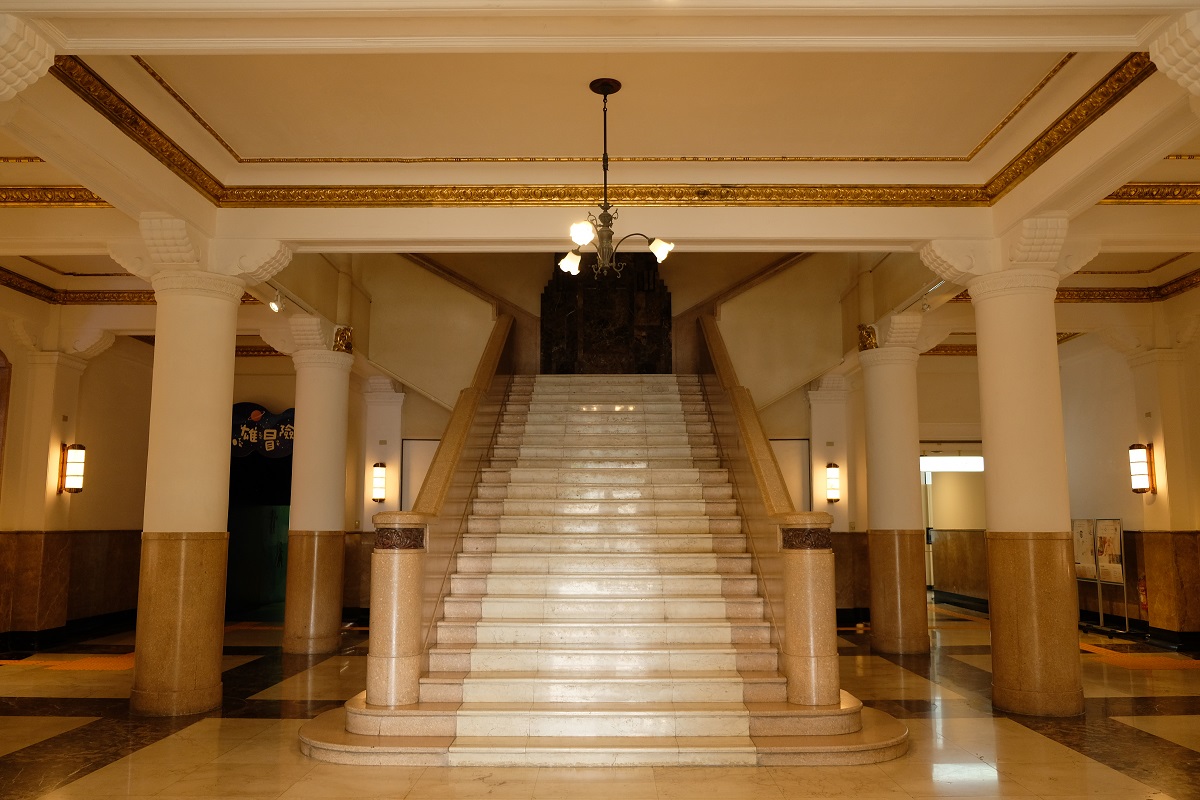
The grand staircase inside the museum

Behind these walls are modern displays explaining the city’s history
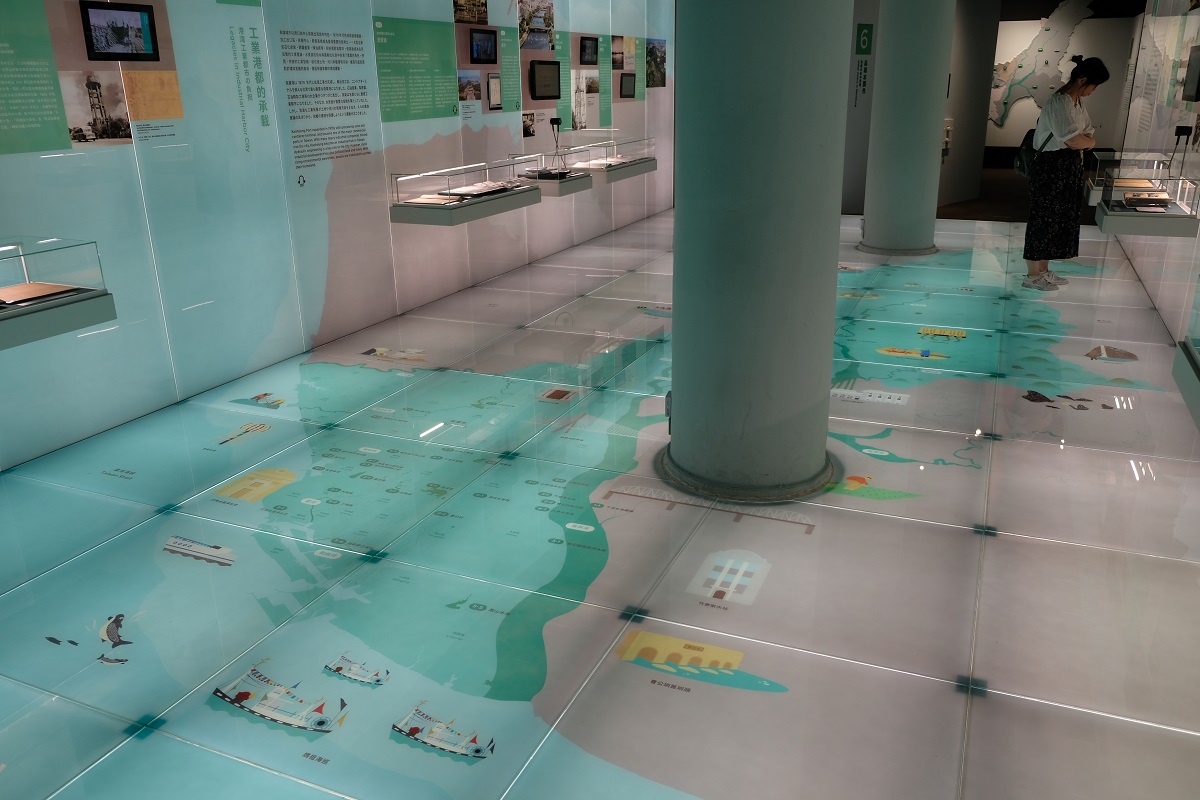
This section focuses on the port

The bombing of Kaohsiung harbor by American forces during World War II
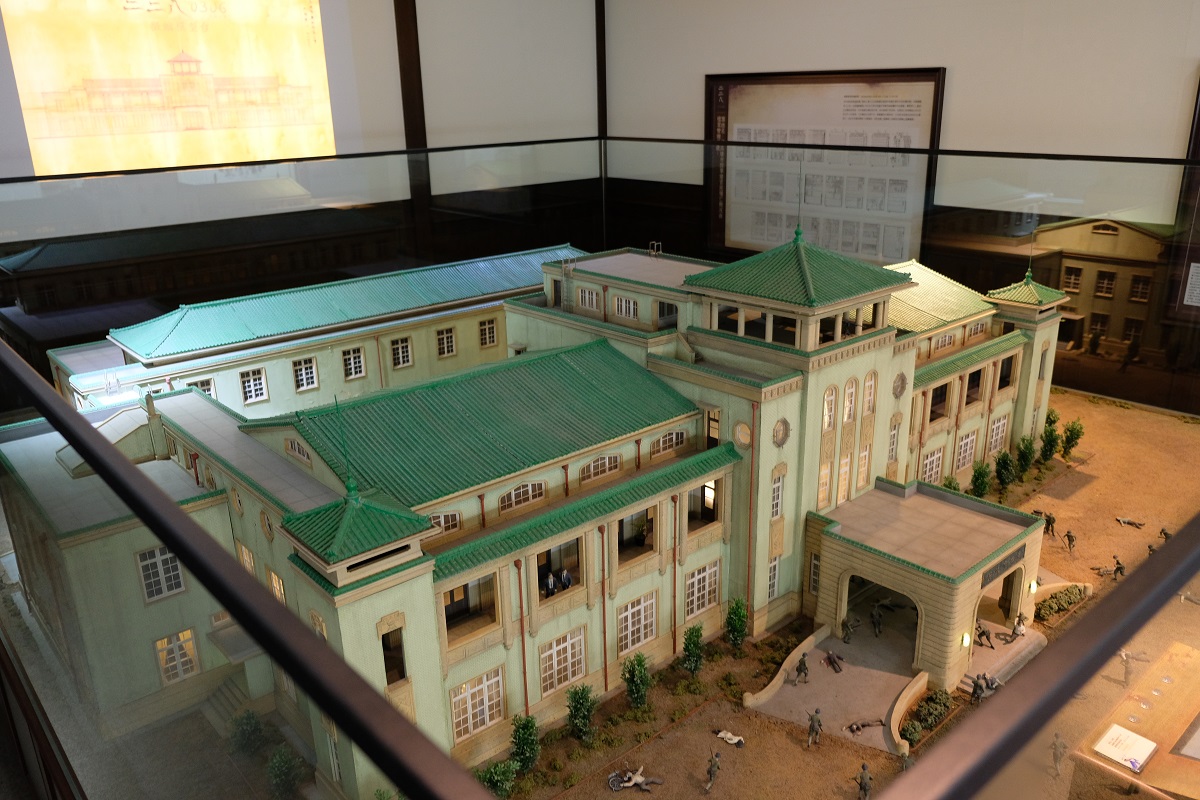
A model of the building

The former Patriotic Women’s Association Hall, built in 1922
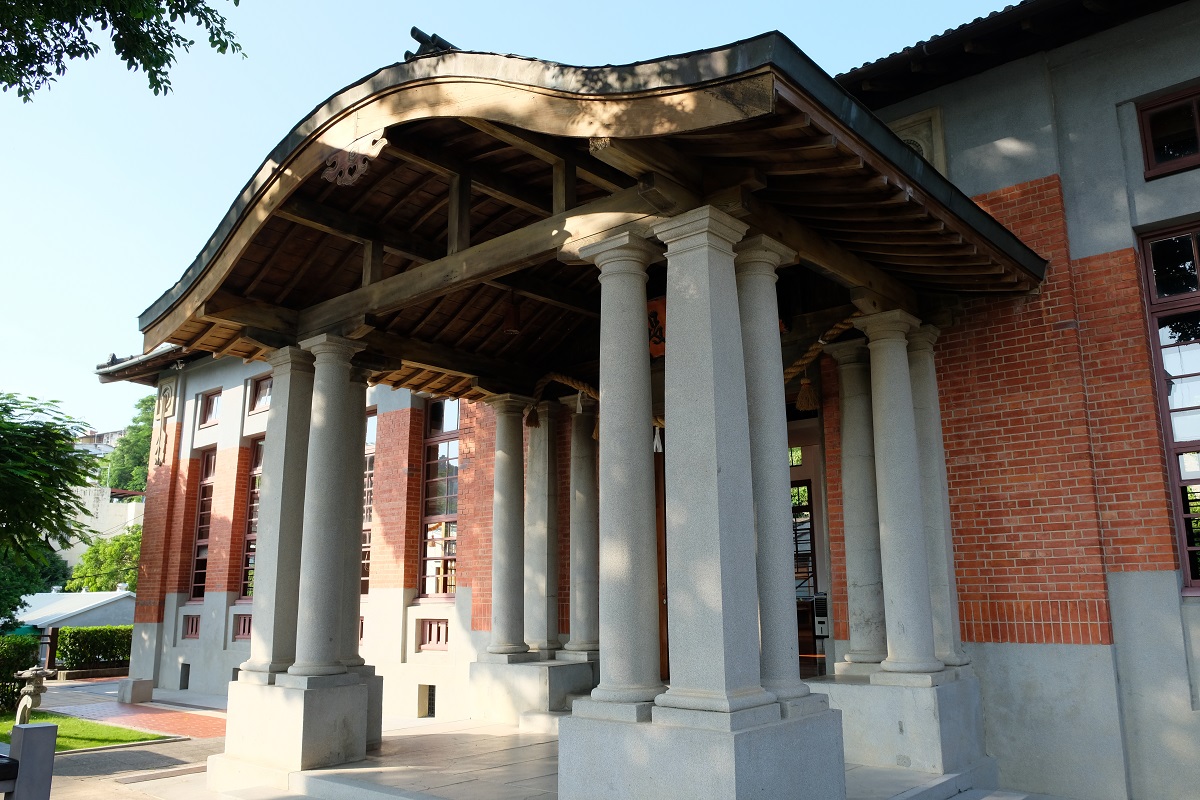
Kaohsiung’s Wude Hall
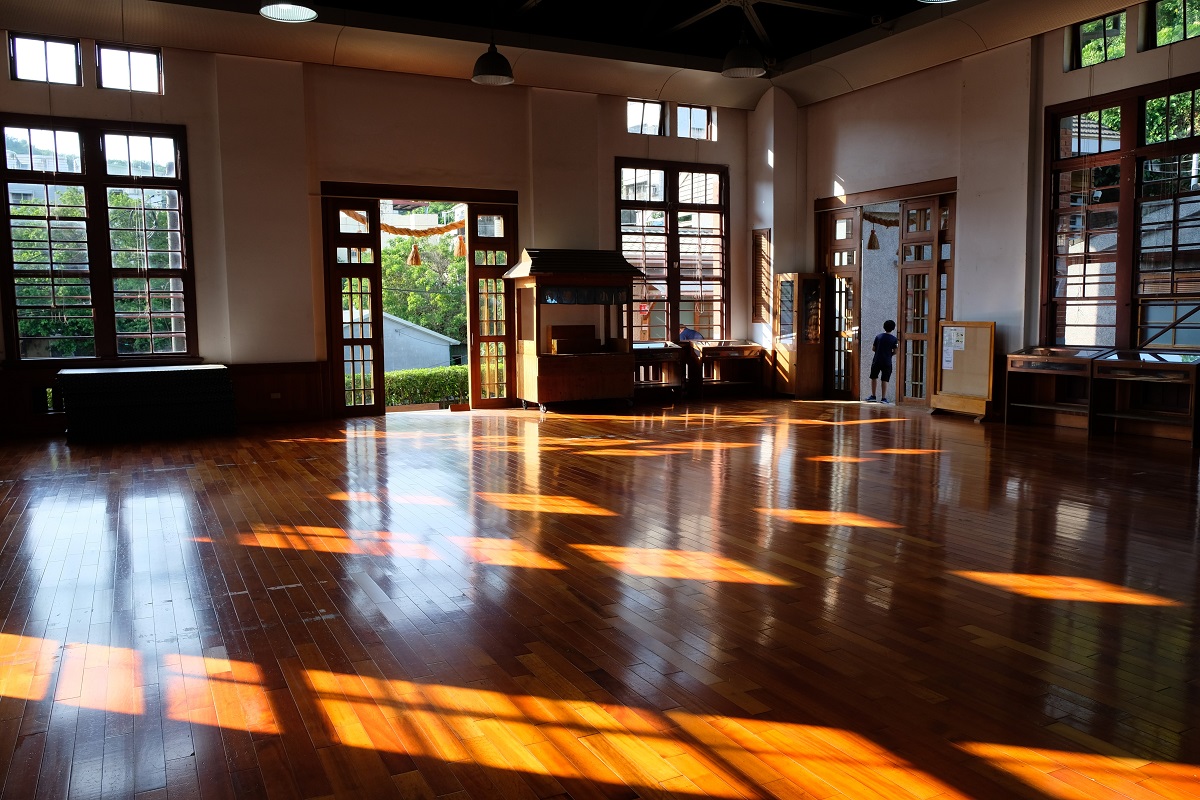
Inside the hall of the martial arts organization

Kendo equipment
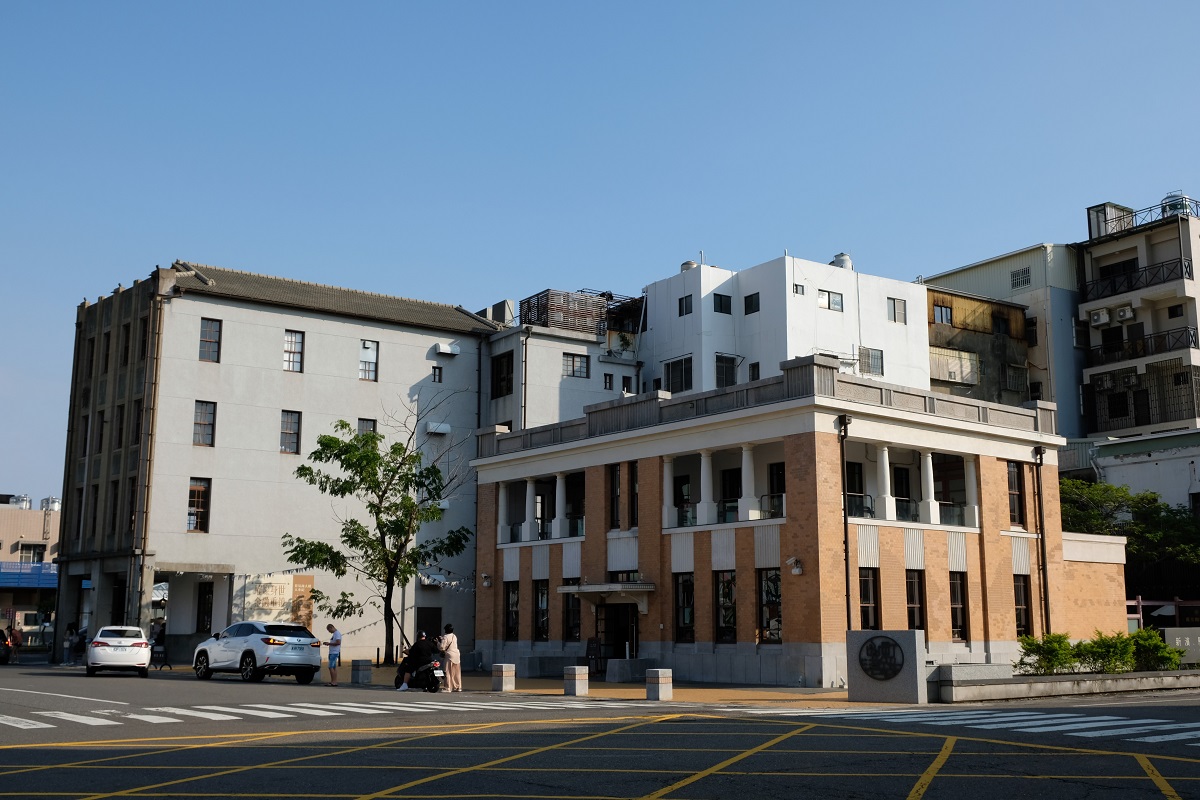
Hamasen Trader Building (left) and the red-brick Old Sanwa Bank Building

This dining hall used to be the workplace of the bank’s employees

A look at the service counter from the upper floor
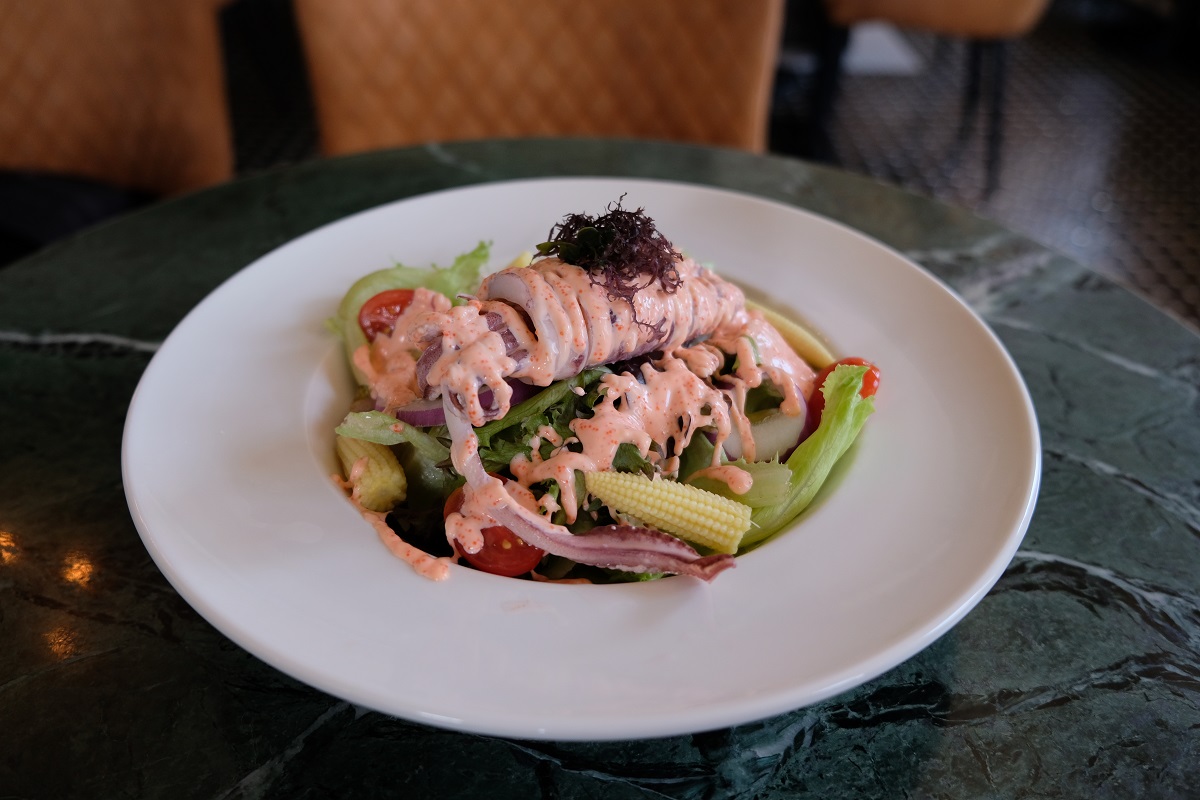
Squid and mentaiko (pollock roe) salad
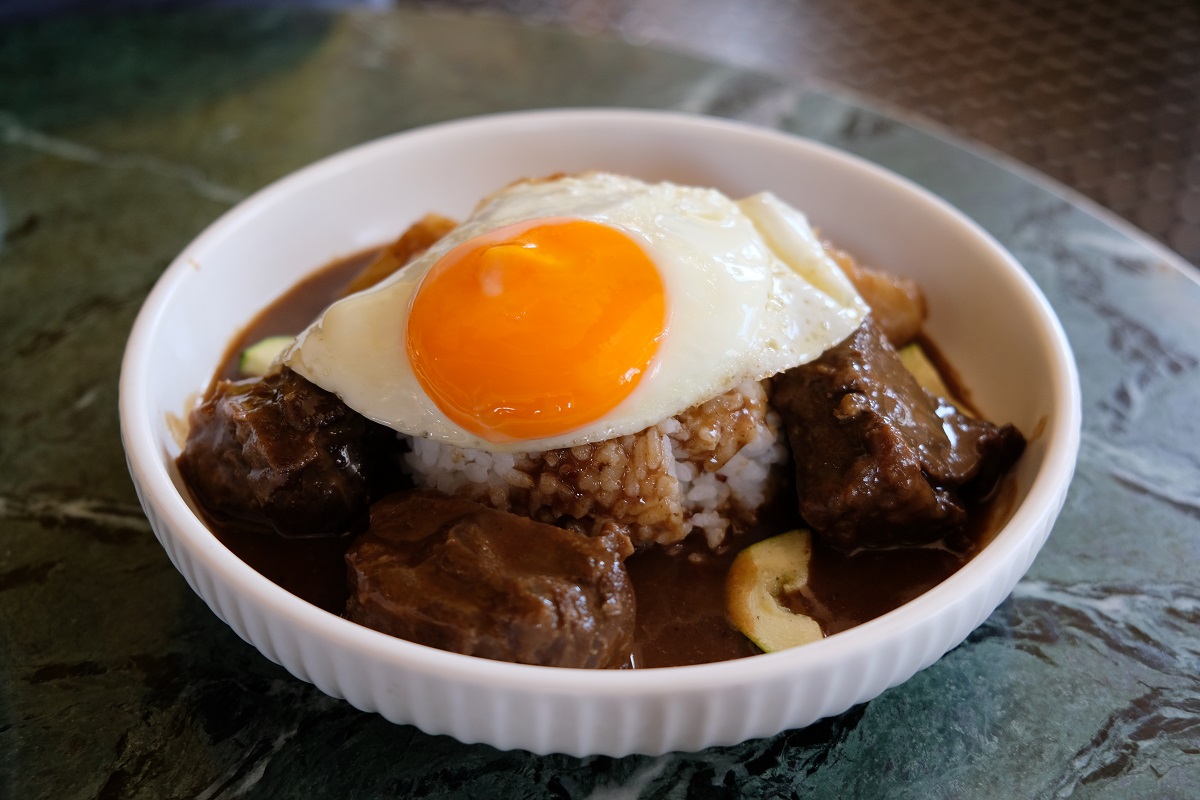
Japanese beef curry for lunch

This was previously the Yamagataya bookstore
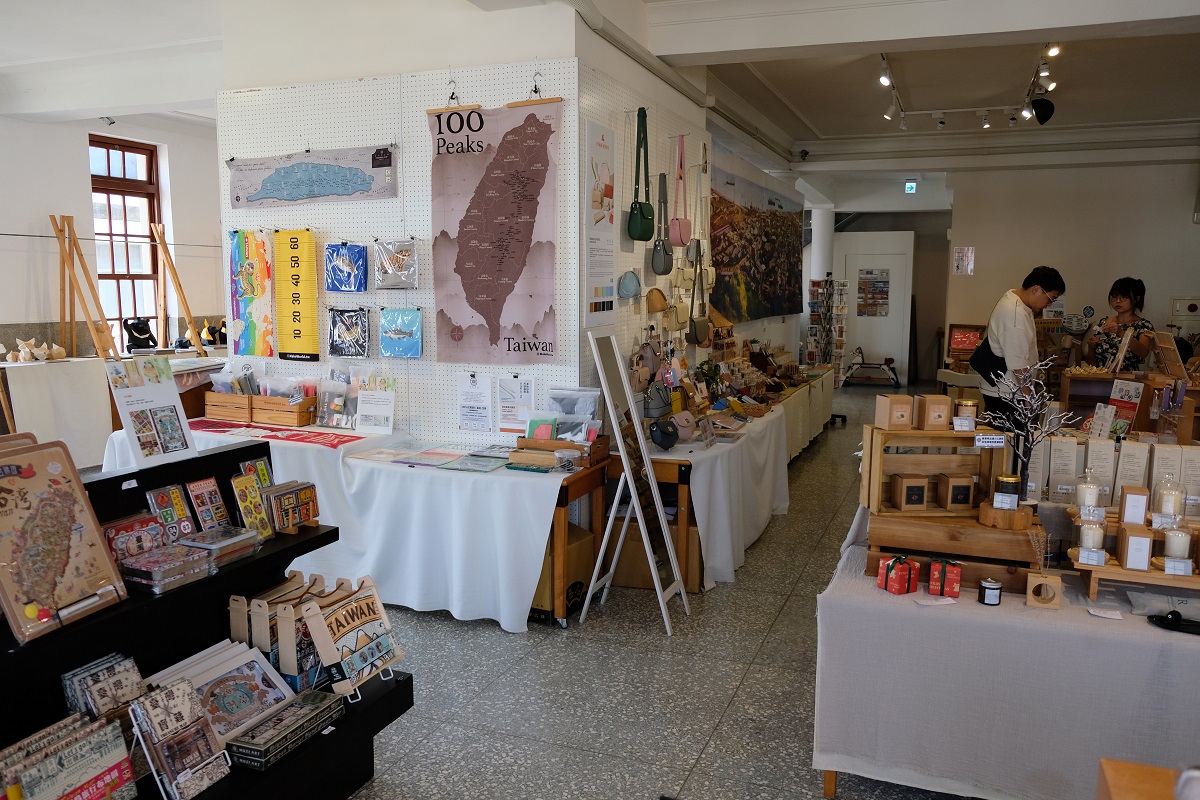
An interesting souvenir shop at Hamasen Trader Building
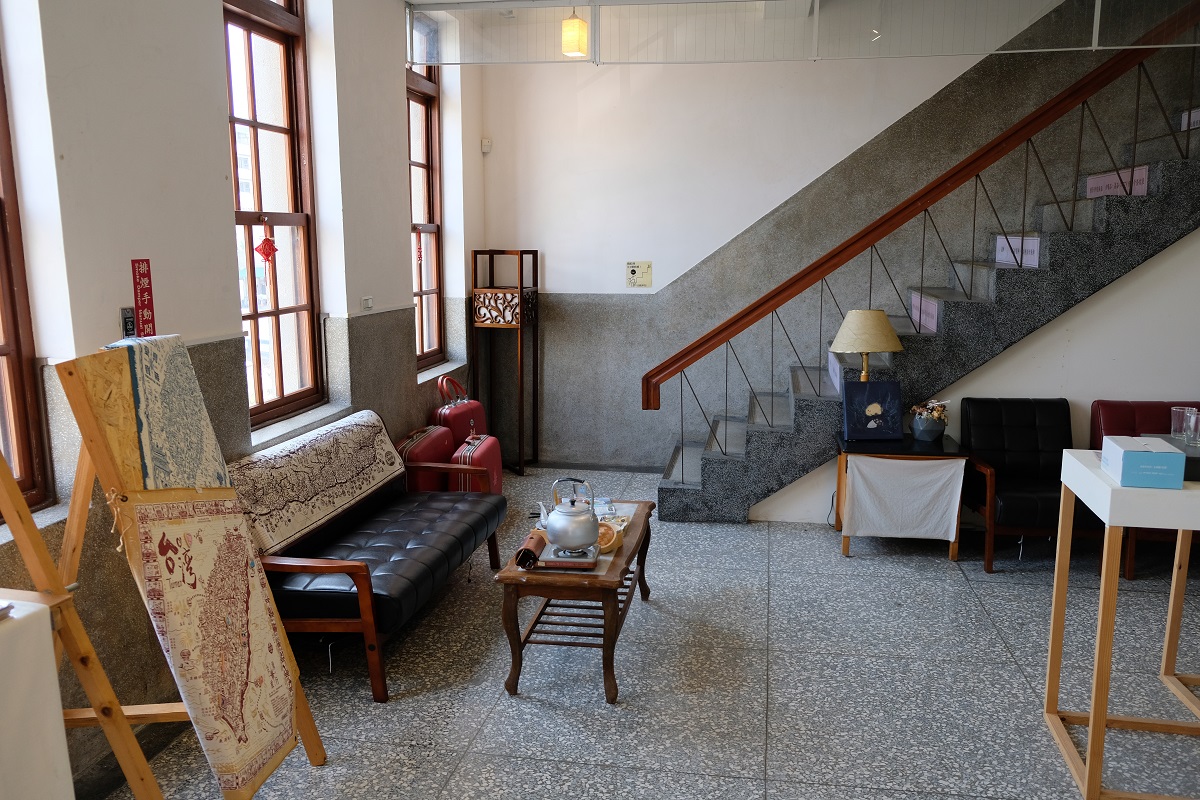
Going up toward a dessert parlor

Exposed rafters at Haruta Shaved Ice on the uppermost floor of Hamasen Trader Building

The eye-catching cold dessert
One of the best places in Hamasen to get a glimpse of its past glory is a street where some of the district’s most important structures during the Japanese period still stand, so much so it’s often referred to as “the Wall Street of Kaohsiung” or “the First Financial Street of Kaohsiung”. On one side, the Hamasen Trader Building is an imposing multi-story edifice which stood on the site of a hotel called Haruka. Today, however, the restored gem houses a cake shop, a local souvenir store (with a plethora of cute items that are hard to resist), a teahouse, and a dessert parlor serving shaved ice with so many sweet side dishes to choose from – like grass jelly, red beans, and taro. Right next door is the former office of Sanwa Bank, currently occupied by a restaurant. One of the most interesting features of this place is the fact that elements of the old bank are intentionally preserved, including its vault which is now used for cold-brewing coffee, and a section of the counters that once separated tellers and customers. Across the street from this building is a two-story red-brick structure which used to be a Japanese bookstore called Yamagataya.
However, Hamasen is a lot more than just this one street. If you keep walking and allow yourself to get lost, you’ll come across small independent establishments housed in old Japanese buildings. The so-called Red Brick House particularly caught my attention, thanks to its neat appearance from the outside and the warm and inviting interior. Selling souvenirs from Kaohsiung and other parts of Taiwan, it is a cute little shop that is worth stopping by if you happen to be exploring this part of the city. A few blocks away is Le Bon Marché, an interesting-looking restaurant serving European cuisine. However, we didn’t go inside. Instead, we walked around the corner to an old, unassuming Japanese building that seemed rather dreary at first glance. But don’t let appearances fool you. We walked inside, went upstairs, opened the door on the upper floor, and were immediately welcomed by a warm and cozy ambiance. Café Hifumi is the kind of place that you will only know if you do prior research – which I’m glad James did. There were a few other customers, and they were talking in a very considerate manner so they didn’t ruin the café’s calm atmosphere. This is such a perfect hangout for introverts, like me.
At one end of the tea room, a floor-to-ceiling book cabinet was stashed with mostly Japanese and Taiwanese reading materials. Not being able to read any of them, I picked the one with the most photos; it chronicled the journey of a man on his bicycle across Taiwan. Our pick for lunch was the house version of beef bourguignon which came with sesame sauce-drizzled tofu on the side, as well as a salad. To wash everything down we had cold milk tea. Not only was the food and drink satisfying, the overall peaceful feel of this place also added to its charm. This is a hidden gem in its truest sense.
Although Hamasen was endlessly charming, a short walk outside this district to the northeast will take you to an intriguing remnant of the Japanese era in Kaohsiung. Built in 1937, what’s often dubbed as “the Ginza Shopping Arcade” or “Takao Ginza Vestige” or simply “Ginza” might look dingy and deserted at first sight. Renovated in the 1960s, this former commercial center was in fact the city’s first ever shopping mall. During its heyday, luxury goods smuggled from Kaohsiung port were sold here. But over the decades, people gradually opted for newer and more comfortable premises. At one point, it even seemed to be heading to its inevitable demise. Fortunately, in recent years new independent businesses started moving in. House of Takao Ginza pioneered the return of life to this compound through its coffee shop (which occupies parts the first and second floors) and B&B accommodations situated on the third to fifth floors. Walking along the near-desolate hallway, one can only imagine how it must have looked when this place was still brimming with visitors. However, it is indeed very encouraging to see the efforts of young entrepreneurs to revive this historic part of Kaohsiung.
The Japanese have long departed Taiwan. But the Taiwanese are reclaiming the buildings the colonial power left behind, applying adaptive reuse principles to turn such edifices into something that brings benefits to their cities. Tearing down old structures might be easier to do, but there are certainly better alternatives. Sensibly repurposing them can make a big difference, just like what Kaohsiung has done to its own.

Every time I walked past the Red Brick House, I was always intrigued by it

The warm ambiance of the souvenir shop

A restaurant serving European cuisine in an old Japanese building
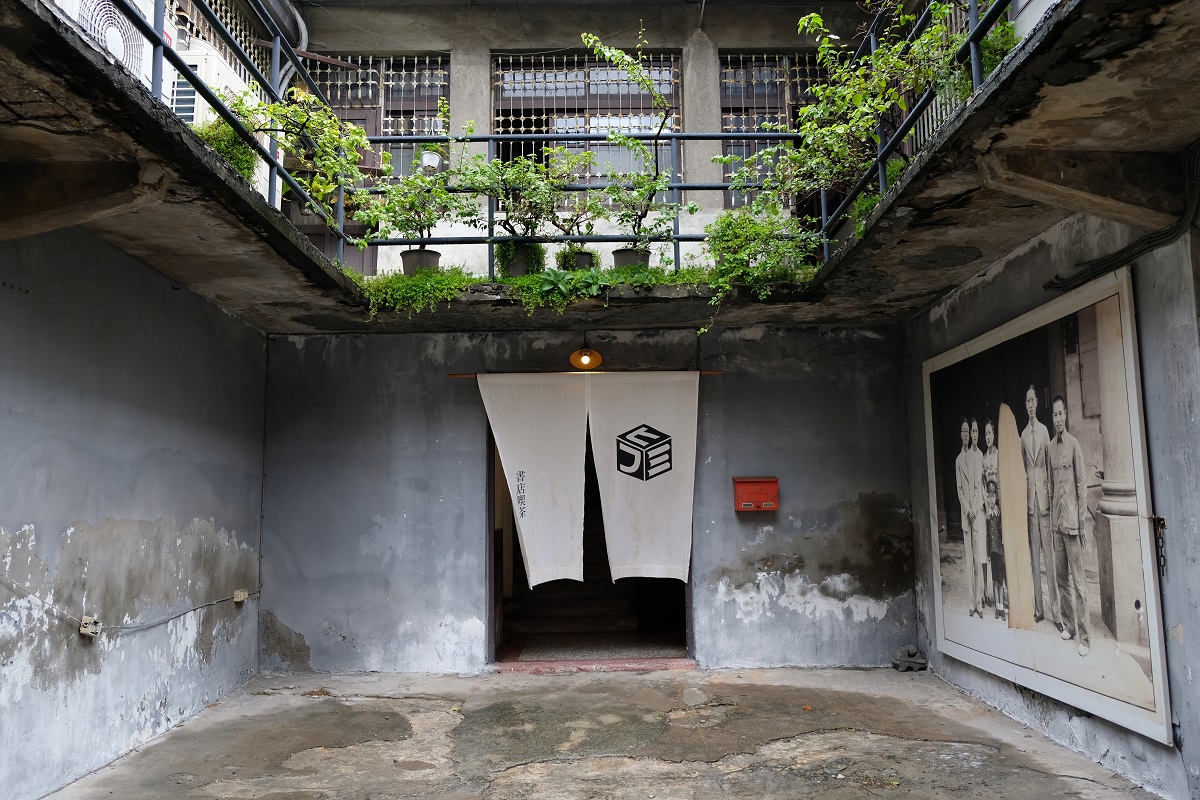
The street-level entrance to Café Hifumi, a true hidden gem
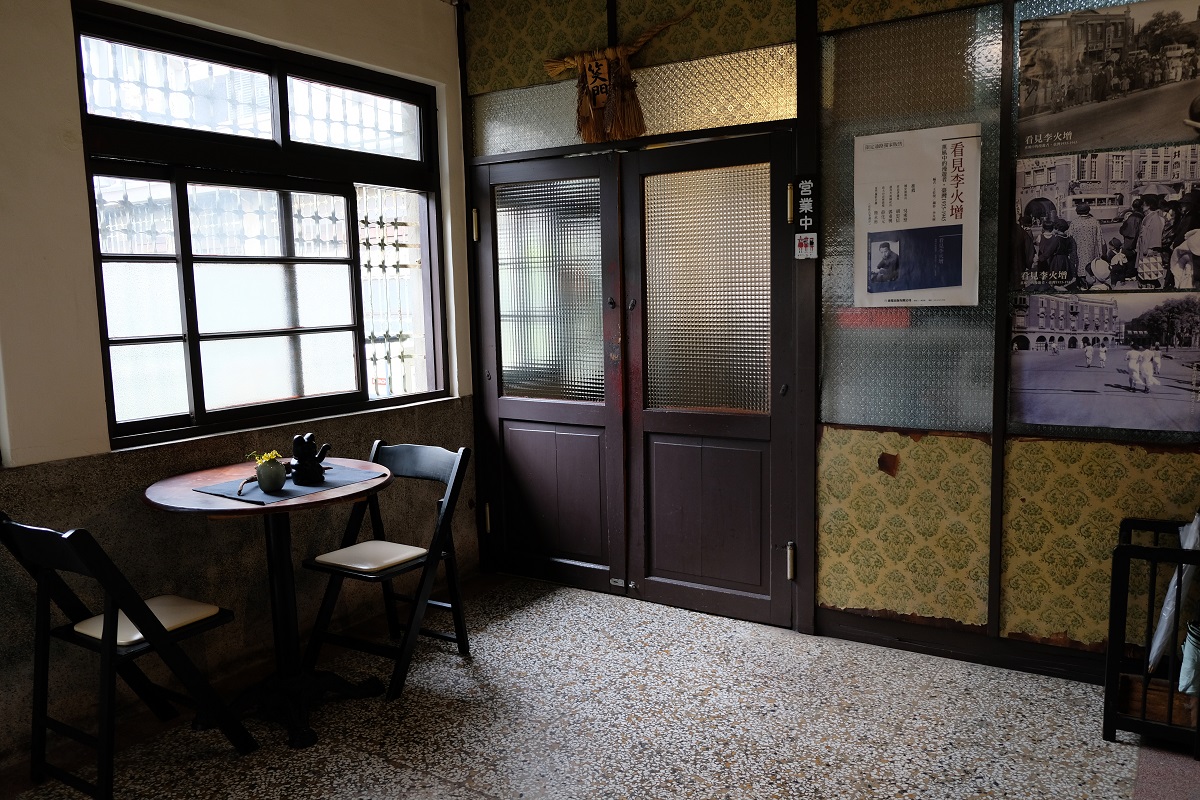
Open that door to find a peaceful and relaxing atmosphere
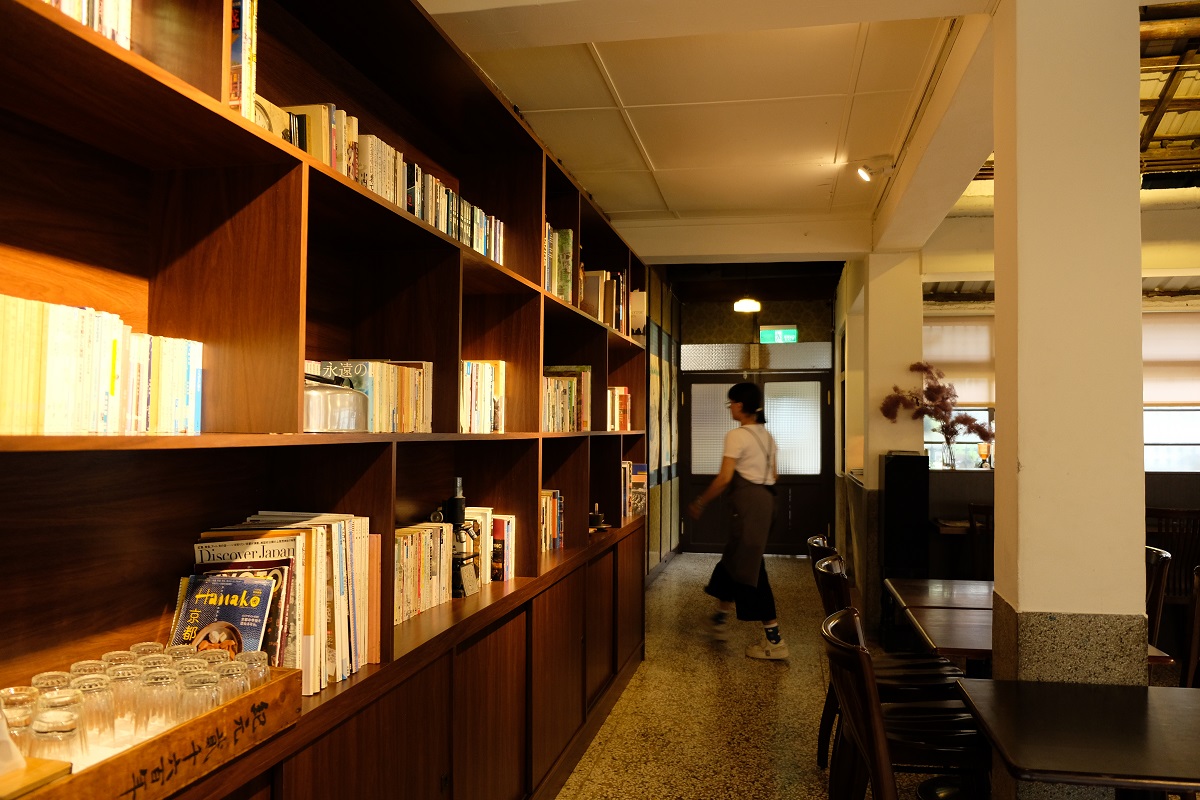
So many interesting-looking reading materials

Inside the cozy café

Our lunch at Café Hifumi
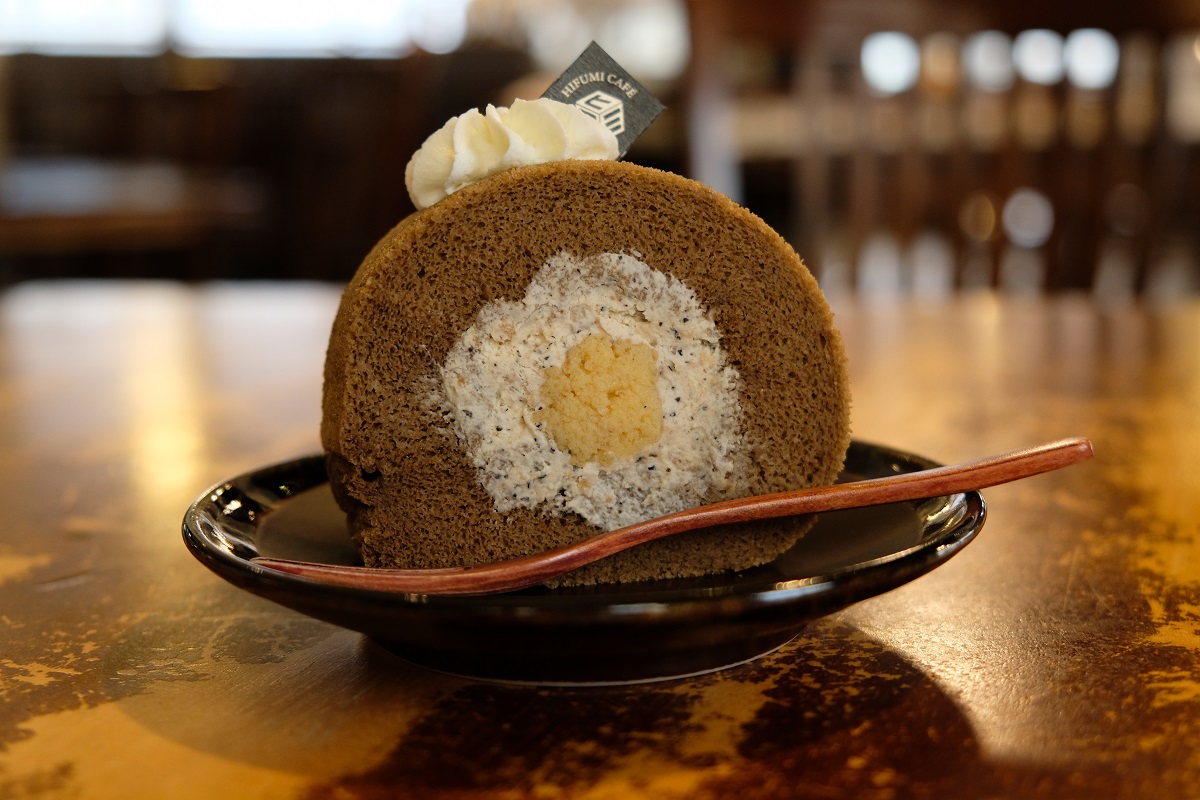
There’s always room for dessert

The local community’s office for historic buildings preservation
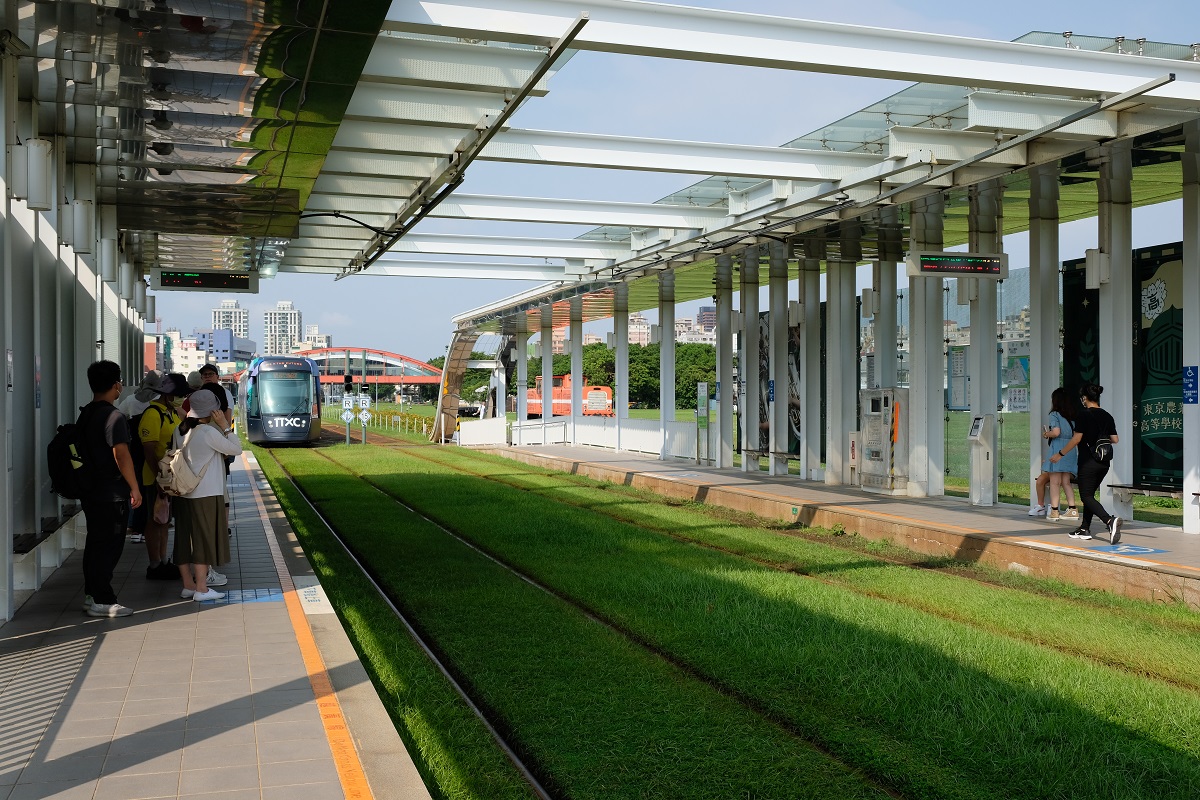
A section of the former Japanese railways in Hamasen is now used by the LRT (trams)

The modern LRT can efficiently take you to the downtown area
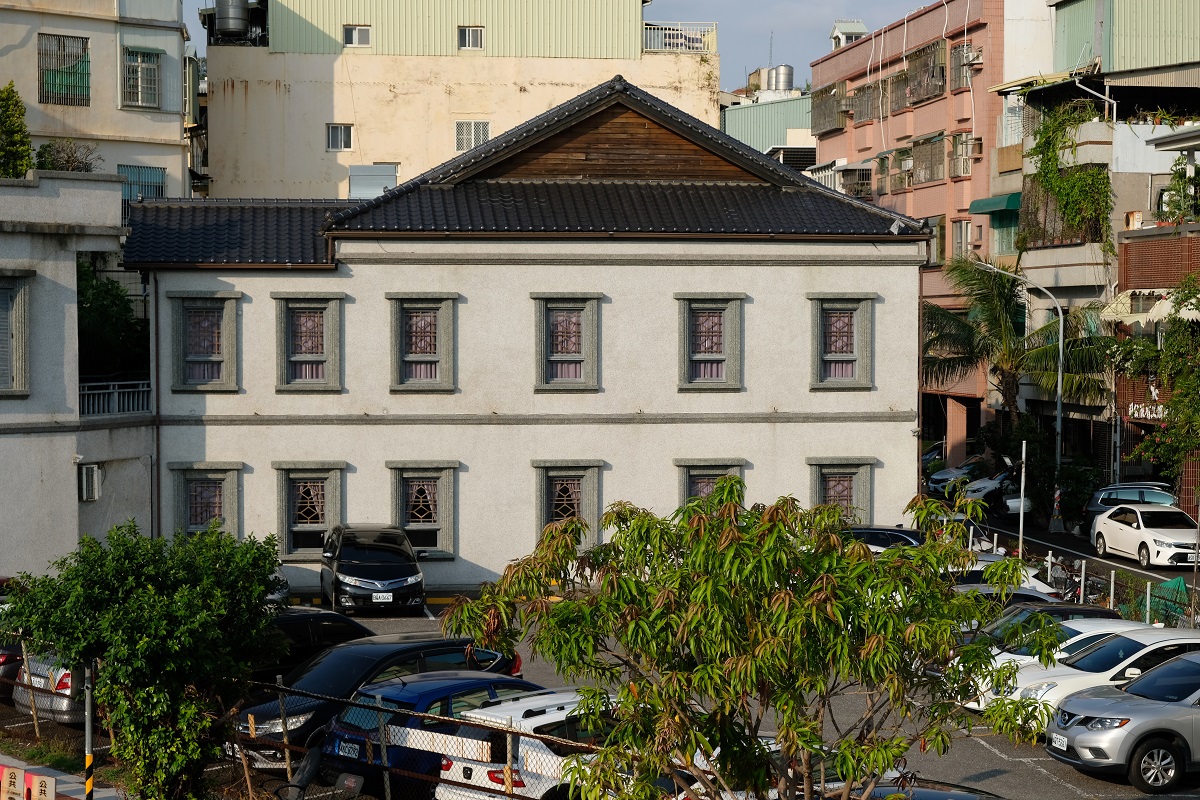
A Japanese-looking building in Gushan at the western edge of Hamasen

Takao Ginza, a former shopping mall which is seeing a resurgence in business

A delicious duck noodle dish near Takao Ginza

 What an Amazing World!
It’s true that Japanese occupation had a notable influence on Taiwan, even to this day. I was just in Taiwan last month (albeit only Taipei), but I hope to return to see Kaohsiung, a city I’ve yet to visit in the mother country! Looks like the buildings once occupied by outside rule are being repurposed, to usher in and showcase the distinctive Taiwanese identity that runs the country today. Thanks for sharing, Bama!
LikeLiked by 2 people
I did notice this deep influence since my first trip to Taiwan back in 2013. From the ekiben to the individually-wrapped cute-looking snacks, vestiges of Japan could be seen in a lot of places. It was really nice to see the things that have been done to the old Japanese buildings in Kaohsiung. I hope those small, independent businesses can not only survive but also thrive to show people that there are indeed better alternatives to the uniformity of shopping malls.
LikeLiked by 1 person
You managed to capture so many wonderful photos and street scenes of the lesser-known travel destination most people overlook in favour of the capital, Bama. When I think of Taiwan, the first things that come to mind are its night markets and street food. But it looks like beneath the cover of this sleepy seaside city lies a treasure trove of undiscovered gems. The photos of your eye-catching cold dessert caught my attention right away – I’d like to try it one day. Thanks for sharing, and have a wonderful day. I hope all is well with you and your family 🙂 Aiva xx
LikeLiked by 2 people
Kaohsiung really is worth a detour. But as you can see, on this trip I actually skipped the capital altogether to spend more time in the southern city. The night markets in Kaohsiung were as interesting as what one can find in Taipei, but the food in the south definitely suited my palate better. If you like Asian desserts, you’d definitely enjoy that shaved ice with all the condiments. Have a nice weekend, Aiva!
LikeLiked by 2 people
🥰🥰🥰
LikeLiked by 1 person
This has been your most interesting post on this city for me, despite the reminder of how human nature hasn’t changed—we’re still seeing the greed of countries trying to take over other nations without any concern for the lives of those they wish to occupy. I would love to see this part of Kaohsiung. I noticed the Japanese influence in Tainan and everywhere a marked difference in Taiwanese Chinese who seemed proud that they were behaviourwise, more like the Japanese than mainlanders.
LikeLiked by 1 person
I did get the sense of how in general many Taiwanese seemed to not hate their association with Japan. Some aspects of Japanese culture even appeared to have been interwoven in the daily life in Taiwan. I think you would enjoy Hamasen.
LikeLiked by 1 person
I didn’t know anything about the Japanese in Taiwan. It looks and sounds like a unique and fascinating part of the country. Maggie
LikeLiked by 1 person
Taiwan was effectively a prefecture of Japan during their 50-year rule, which explains the plethora of Japanese cultural relics in the country today. In some ways, parts of Taipei even looked like what you would see in a typical Japanese city.
LikeLiked by 1 person
Fascinating story. I did know about the Japanese colonization of various places in Asia in the 19th but to see it through your photos is quite interesting.
LikeLiked by 1 person
From what I read, I got the impression that Japanese colonial rule in Taiwan was markedly different from when they colonized Indonesia for 3.5 years. And it surely was interesting to explore the old Japanese neighborhoods of Kaohsiung.
LikeLike
Oh I quite enjoying this tour through Kaohsiung and specifically learning more about the historical connection between Japan and Taiwan, which I did not know about.
I love how the local government are repurposing the old buildings and structures, rather than tearing them down. The tram tracks that are covered in grass are quite appealing to look at! Definitely more so than the concrete jungles we are used to. The buildings, with both its Japanese and European influences are quite striking.
And I love the food pics you shared. Looks lightly satisfying and quaint – especially the squid salad and the beef curry. Mmm. Shaved ice desserts are always such a treat and I’d definitely top mine with grass jelly and red bean and taro too!
LikeLiked by 1 person
Fortunately, a lot of Japanese colonial buildings in Kaohsiung were not demolished in the name of ‘development’. I love the grass-covered tram tracks too. They really make this particular transport system — and the city in general — appear friendly and less intimidating, not to mention the cute cartoon characters on some of the trams. If only the LRT in Jakarta looked this cute.
I think you would enjoy the shaved ice too, Ab. It was very pleasant to look at, but more importantly, it tasted good.
LikeLiked by 1 person
Shaved ice halo halo is a great growing up in the Philippines. When I get to sharing my Philippines pictures, I’ll post a shaved ice pic just for you! 😆
LikeLiked by 1 person
Oh I’m so looking forward to that! 😆The next time I go to the Philippines I really have to try halo halo. I can’t believe I gave it a miss!
LikeLiked by 1 person
You’ll likely go there before I go there again. Enjoy!!!
LikeLiked by 1 person
Great photos and post!
Did you see the call boxes for the police? Something they picked up from the Japanese too…
LikeLiked by 1 person
Thank you! I must have missed those call boxes. Definitely something I’ll pay more attention to the next time I go to Kaohsiung.
LikeLike
How interesting to hear about the Japanese influence in Taiwan. The cold dessert is certainly eye-catching. And yes, there is always room for dessert!
LikeLiked by 1 person
Since I’ve been to Japan, when I went back to Taiwan I could recognize traces of the colonial power even more. They’re everywhere — some were obvious, others were more subtle. That dessert really was what I needed in the heat and humidity of Kaohsiung!
LikeLiked by 1 person
You know after I read your blog or James’s blog, I usually check the airline websites for ticket prices….
There’s still so much more in Kaohsiung I want to see! I have to bookmark your blogs so I can do some planning.
LikeLiked by 1 person
That’s also what happens to me whenever I read travel blogs about places that seem really interesting. 😀
To get to Kaohsiung, you can either fly to Taipei and take the high-speed train, or transfer via Hong Kong or any other regional aviation hub.
LikeLiked by 1 person
Interesting post Bama. I had no idea Taiwan used to be under Japanese rule. Clearly there’s a lot to see in Kaohsiung.
Alison
LikeLiked by 1 person
Alison, I’m so glad I decided to turn off Akismet’s automatic removal of spam comments, because for some reason this was flagged as one! It’s ridiculous how a comment from a regular reader was detected as a spam.
Speaking of Kaohsiung, yes there are so many things to see in this city. I have quite a backlog of future posts about the other things we experienced during our trip there.
LikeLiked by 1 person
I’ve also found comments from regular commenters in the spam file. Something really changed with Akismet, but in all my emails back and forth with them no one would admit to it. But it really became clear that they’d made the “hide all spam” option as the default option without telling anyone.
Alison
LikeLiked by 1 person
Café Hifumi looks like the kind of place I would have made regular visits to if I lived in Kaohsiung. Love the accompanying photographs, Bama.
LikeLiked by 1 person
If both of us lived in Kaohsiung, we would have bumped into each other quite often at Café Hifumi! Thanks Jolandi.
LikeLiked by 1 person
Most interesting perspective on colonial architecture in Kaohsiung Bama. Amazingly well preserved buildings! Some of them – the office for historic buildings preservation for example – look straight out of Takayama! Curious about the existence of similar architectural legacies in South East Asia. I guess Japan’s presence in those countries was too brief to leave lasting footprints.
LikeLiked by 1 person
When I saw that particular building, I also thought how Japanese it looked like, even more so compared to others in the neighboorhood which were also constructed during Japan’s colonial period. You’re right about the brevity of the East Asian empire’s occupation of Indonesia. Most of the structures they built across the archipelago were defensive in nature.
LikeLiked by 1 person
It is encouraging that so much Japanese architectural heritage still remains in Hamasen despite World War II bombing, the hardships of the postwar years, and Taiwan’s subsequent economic rise as one of the Four Asian Tigers. I really loved going back several times during our recent trip to explore the neighborhood at a slower pace—and the Museum of History provided a solid backgrounder on the city’s early development.
LikeLiked by 1 person
I hope the success of Kaohsiung (and also Tainan) in repurposing those Japanese colonial buildings to suit today’s zeitgeist will inspire other cities in Taiwan and beyond to do something similar. There is an undeniably great value in preserving architectural heritage. I would definitely recommend the Museum of History to anyone visiting this Taiwanese city who’s also interested in understanding how Kaohsiung came to be.
LikeLiked by 1 person
This read was very informative, and it helped me piece together a bit more of some of my Taiwanese friends who hold Japan in very high regard – mainly because of the investment Japan made in Taiwan both architecturally and culturally (governance and order). Most of my older Taiwanese friends went through a school system based on the Japanese system, and they still praise how it has positively affected Taiwan. I never realized Taiwan was Japan’s first-ever colony, and this makes some sense as to the effort Japan spent spearheading projects to make the island great on its own (via the Taiwanese people). Excellent writing and accompanying photos make it easy to fall into Kaohsiung and its history. I wish you and your family a very happy Lunar New Year, Bama. May it be filled with good health and happiness!
LikeLiked by 1 person
You mentioned some of the main reasons why in general, at least based on my observation, Taiwanese see Japan in a more positive way compared to, for example, how Koreans see their neighbor to the east. It’s interesting how your older Taiwanese friends view the Japanese-style education system they grew up with. Thanks for sharing your thoughts, Randall, and thanks for the well-wishes. The same hopes go to you and your loved ones!
LikeLike
You’ve brought Kaohsiung alive in my mind. Shaved ice was something we could get from a cart loaded with a bucket of ice and dozens of bottles of brightly coloured fruit flavours to sprinkle it with. It’s interesting to travel in east Asia now and see restaurants dedicated to it.
LikeLiked by 1 person
I actually grew up having shaved ice sprinkled with syrup as well during breaks at school — although my mom always told me not to. I remember it as simply joyful. But the one I had in Kaohsiung certainly was the most elaborate I’ve ever had.
LikeLiked by 1 person
I didn’t know a lot about Taiwan’s history, so thank you for this super interesting post! It is really great that they managed to preserve and in a way “repurpose” the Hamasen Trader Building, it would have been a shame to destroy such a beautiful building! All the food you ate there seems absolutely delicious too!
LikeLiked by 1 person
It wouldn’t have been the same had those tenants occupied a modern building that looked just like the others in the city. There’s something exciting about old structures that have been sensibly repurposed.
LikeLiked by 1 person
This is fascinating. Never heard of this city and certainly not the history. Superb post, especially since you showed all those wonderful food dishes! Thank you. Adding to our list.
LikeLiked by 1 person
I hope you’ll get to visit Kaohsiung one day. It’s a very interesting city to explore.
LikeLike
Such an informative write up about your trip to Kaohsiung, Bama. You draw upon history and weave it in so well as you tell us about the places you visited. Japan’s influence certainly has lasting impact on Taiwan, with the history existing alongside the more contemporary spaces. Both Hamazen and the popular shopping district sound like they have changed a lot over the years, now with more things that are appealing to today’s population, such as cold-brewing coffee and modern eateries. The shaved ice dessert looks fantastic.
As Ourcrossings mentioned, you captured very well some less-touristy local places that are worth visiting. Café Hifumi not only sounded cozy but a place to relax and rest for a bit with the books. Here’s to more travels, Bama. Hope you are doing well 😊
LikeLiked by 1 person
While historical places are undoubtedly interesting, businesses occupying such premises do have to adjust to today’s zeitgeist so that they remain relevant.
If Café Hifumi were closer to where I live, I would definitely go there so many times.
LikeLike
If there were cafes like that, you would be enjoying good food all the time 😄 May you find similar cafes and places on your next travels, Bama.
LikeLiked by 1 person
What a wonderfully detailed history of Kaohsiung. There is so much to these cities and towns of Asia. When I read your articles, I feel I have so many more places to visit. And I would love to spend some time working at the local office for historical buildings restoration. Their own office building looks so amazing.
Thank you for bringing to us the wonderful world around us, which is impossible for us to explore fully in our lifetimes.
LikeLiked by 1 person
Thank you, Param. I also feel the same thing every time I read your posts. There are so many interesting places in the world it’s impossible to see them all. That’s why I really appreciate blog posts that introduce lesser-known cities, villages, temples, etc to the general audience.
LikeLike